Key Features and Specifications
Industrial vacuum cleaners (wet and dry) come equipped with a range of features that enhance their functionality and efficiency. Understanding these specifications is crucial for businesses looking to invest in the right equipment.
Key specifications include:
1. Suction Power
- Indicates the efficiency of the vacuum cleaner in removing debris
- Typically measured in air watts or pascals
2. Tank Capacity
- Refers to the volume of waste the vacuum can hold
- Usually ranges from 20 to 100 liters, depending on the model
3. Filtration System
- Determines the type of particles the vacuum can capture
- Options may include HEPA filters for hazardous materials
4. Power Source
- Can be electric, battery-operated, or pneumatic
- Affects the mobility and operational capabilities of the vacuum
5. Weight
- Influences portability and ease of use
- Varies from lightweight models (around 15 kg) to heavier industrial versions
6. Noise Level
- Important for maintaining a comfortable work environment
- Measured in decibels, with quieter models typically ranging from 60 to 75 dB
7. Durability
- Indicates the machine's ability to withstand tough industrial conditions
- Constructed from materials like stainless steel or high-density plastic
8. Accessories
- Includes various nozzles and attachments for different cleaning tasks
- Enhances versatility in handling various surfaces and debris types
In summary, understanding these key features and specifications is essential for selecting the right industrial vacuum cleaner that meets specific operational needs.
Common Applications and Use Cases
Industrial vacuum cleaners (wet and dry) are versatile machines utilized across numerous industries.
1. Manufacturing: These vacuums are used to clean up metal shavings, dust, and liquids that accumulate during production processes, ensuring a safe and efficient working environment.
2. Automotive: In automotive shops, these machines handle oil spills, dust, and debris, maintaining cleanliness and safety for workers and equipment.
3. Food Processing: Wet and dry vacuums are essential for cleaning spills and ensuring hygiene in food processing plants, where compliance with safety standards is critical.
4. Construction: These machines are used on construction sites to manage debris, dust, and liquid spills, contributing to a safer job site.
5. Pharmaceuticals: In the pharmaceutical industry, vacuum cleaners are employed to maintain cleanrooms and manage hazardous waste, adhering to strict regulatory standards.
6. Warehousing: Warehouses utilize these vacuums for routine clean-up of dust and debris, helping maintain a safe and organized environment.
7. Hospitality: Hotels and restaurants use industrial vacuums to quickly and effectively clean large areas, from dining spaces to kitchens.
Product Variants and Subcategories
Industrial vacuum cleaners (wet and dry) come in various models to cater to different cleaning needs and environments.
Compact Models
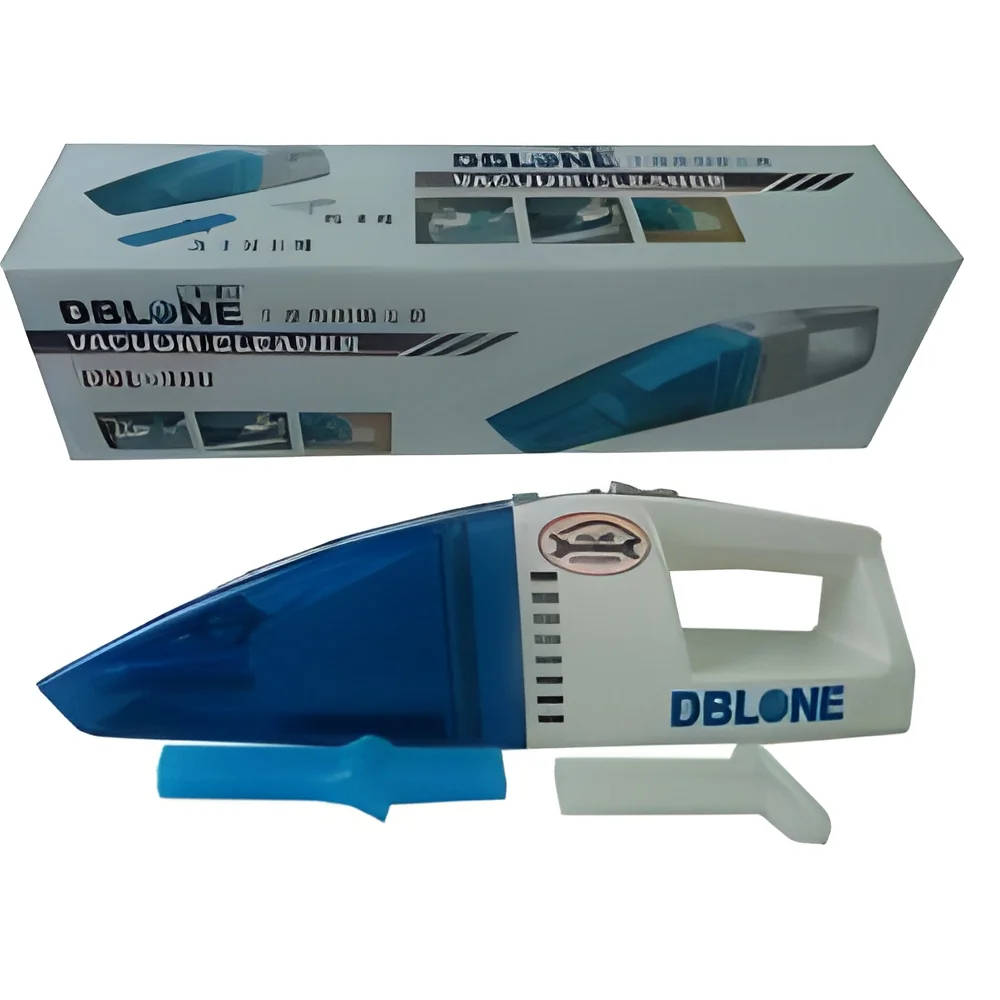
Compact industrial vacuums are designed for smaller spaces and tasks. They are lightweight and portable, making them ideal for use in tight areas or for quick clean-ups.
Heavy-Duty Models
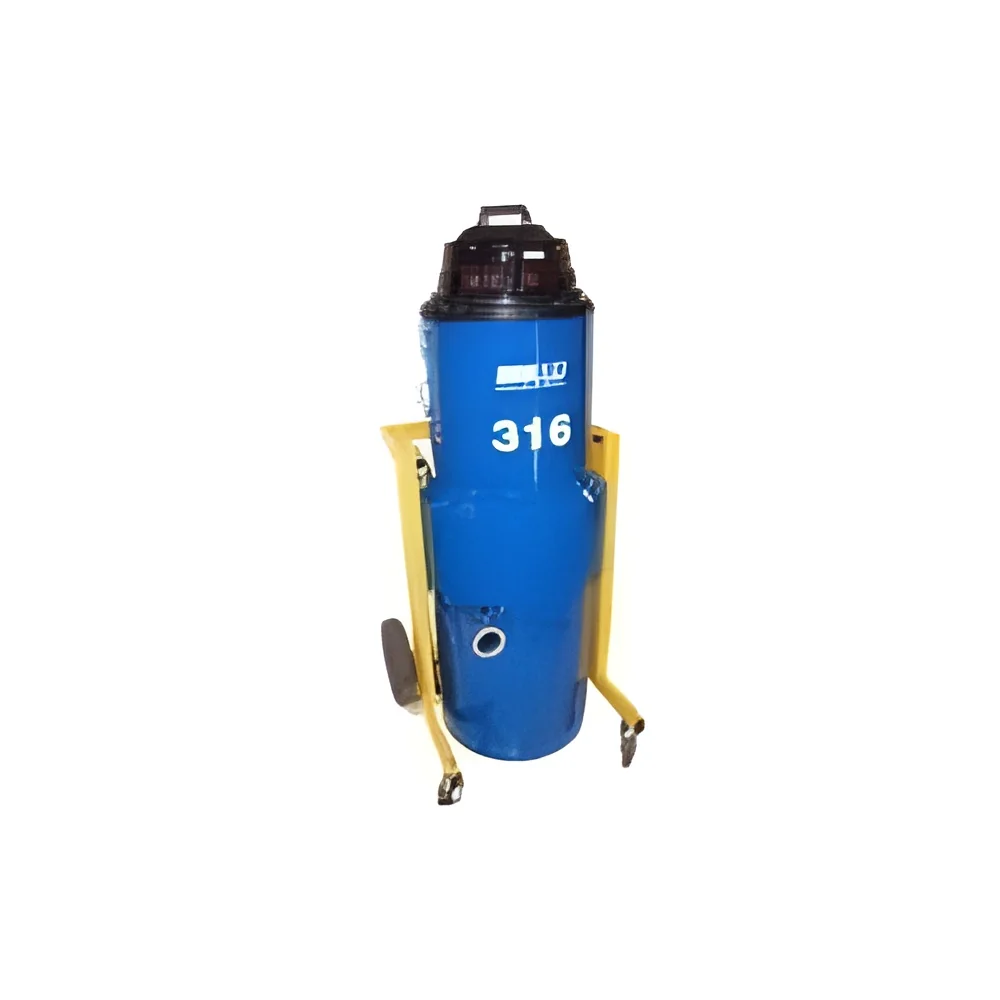
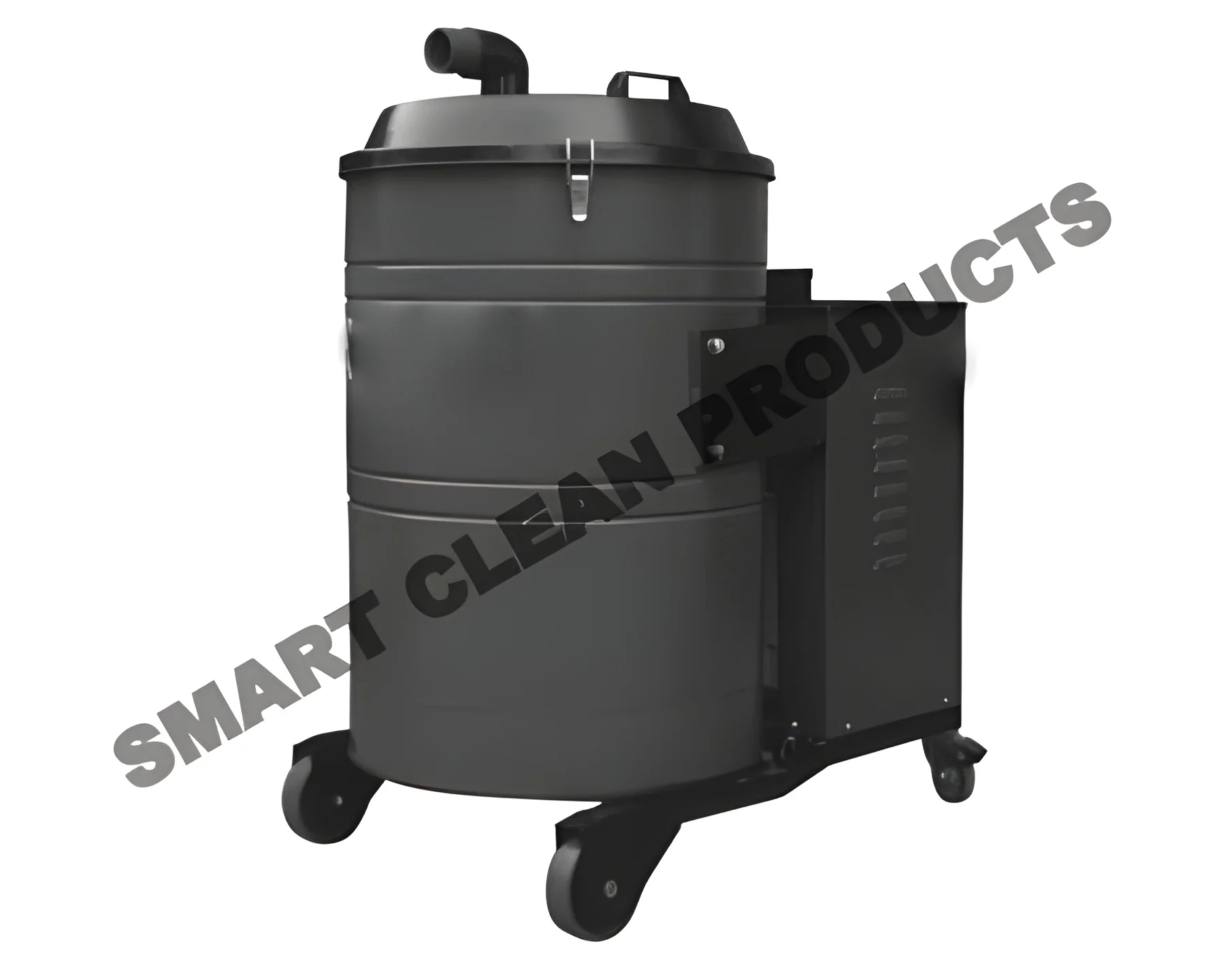
Heavy-duty industrial vacuums are built for rigorous cleaning tasks. These models feature larger tank capacities and more powerful suction, making them suitable for demanding environments like factories and warehouses.
Portable Models
Portable industrial vacuums are designed for mobility. They often come with wheels for easy transportation and are suitable for job sites where flexibility is required.
Stationary Models
Stationary vacuums are installed in one location and are connected to central vacuum systems. They are ideal for continuous cleaning operations in large facilities.
Benefits and Advantages
Investing in industrial vacuum cleaners (wet and dry) offers numerous benefits for businesses.
1. Enhanced Efficiency: These machines provide powerful suction, allowing for faster and more effective cleaning compared to manual methods.
2. Versatility: Capable of handling both liquid and solid waste, these vacuums are suitable for a variety of applications across different industries.
3. Improved Safety: Regular use of industrial vacuums helps maintain a clean work environment, reducing the risk of accidents and injuries.
4. Cost-Effective: Investing in durable industrial vacuum cleaners can lead to long-term savings by reducing labor costs and minimizing downtime.
5. Compliance: Using these vacuums helps businesses meet regulatory requirements for cleanliness and safety, particularly in industries with strict hygiene standards.
6. Easy Maintenance: Many industrial vacuums are designed for easy maintenance, allowing businesses to keep them in optimal working condition without extensive downtime.
Buying Guide for B2B Buyers
When sourcing industrial vacuum cleaners (wet and dry), several factors should be taken into consideration to ensure the right purchase.
1. Quality Assessment: Evaluate the quality of the vacuum based on materials, build, and performance reviews. Look for equipment that meets industry standards for durability and efficiency.
2. Supplier Verification: Vet suppliers by checking their credentials, customer reviews, and their history in the industry. A reliable supplier will offer robust support and service.
3. Pricing and MOQ: Consider the cost of the vacuum cleaners and any minimum order quantities (MOQ) that may apply. Compare prices and features across multiple suppliers to find the best value.
4. Delivery and Lead Times: Discuss logistics with suppliers to understand delivery options and lead times. Ensure that these align with your operational needs.
5. Compliance Requirements: Confirm that the vacuum cleaners meet relevant compliance requirements for your industry, including safety and quality standards.
Compliance and Certifications
When selecting industrial vacuum cleaners (wet and dry), compliance with quality standards and certifications is essential.
Relevant quality standards, such as ISO 9001, ensure that manufacturers maintain consistent quality in their products. Compliance with HACCP (Hazard Analysis and Critical Control Points) is crucial in food processing environments, where cleanliness is paramount.
Industry certifications, like CE marking, indicate that the equipment meets European safety and environmental protection requirements. It is important to verify that the industrial vacuum cleaners you consider possess these certifications.
Additionally, safety and testing requirements should be adhered to, ensuring that the vacuums can safely handle the materials they are designed to clean. Regional compliance considerations may also apply, depending on local regulations regarding industrial cleaning equipment.
Why Source Industrial Vacuum Cleaners (Wet & Dry) from Pepagora?
Pepagora offers a trusted platform for sourcing industrial vacuum cleaners (wet and dry), providing several key advantages for B2B buyers.
Verified Supplier Network: Pepagora connects buyers with verified suppliers, ensuring that businesses can source high-quality industrial vacuum cleaners with confidence. Each supplier is rigorously vetted to ensure they meet industry standards.
Streamlined RFQ Process: The request for quotation (RFQ) process on Pepagora is designed to be efficient and user-friendly. Buyers can easily submit their specifications and receive tailored quotes from multiple suppliers, facilitating informed decision-making.
Trade Assurance and Support: With trade assurance programs, buyers can benefit from added protection during their purchasing process. Pepagora offers support to resolve any issues that may arise, ensuring a smooth transaction experience.
Regional Coverage: Pepagora's extensive network spans across India, the Gulf Cooperation Council (GCC), and Southeast Asia. This broad geographic reach allows businesses to access a diverse range of industrial vacuum cleaners suited to their specific needs.
By choosing Pepagora, businesses position themselves to make informed decisions and secure the best cleaning solutions for their operations.

 IN
IN