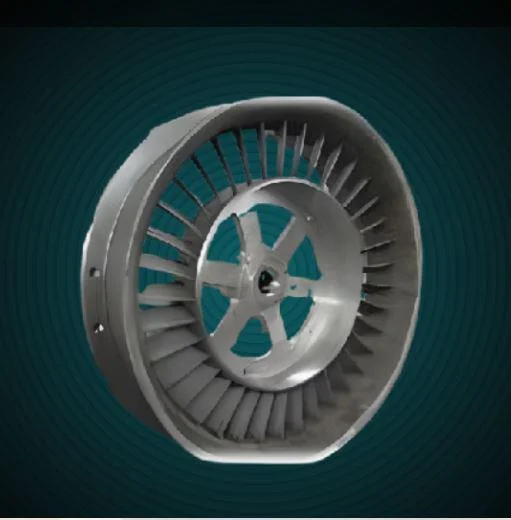
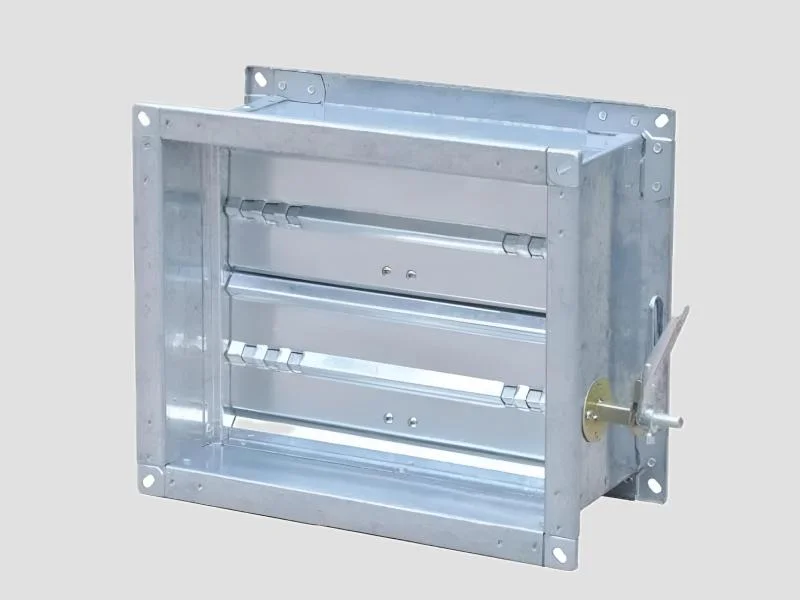
What are Volume Control Dampers?
Volume control dampers are essential components in HVAC systems designed to regulate and control airflow within a duct system. These devices allow users to adjust the volume of air passing through the ducts, ensuring optimal performance and energy efficiency. By manipulating airflow, volume control dampers help maintain desired temperature and humidity levels in various environments.
These dampers are widely used in commercial and industrial applications, including office buildings, manufacturing facilities, and warehouses. They support effective climate control, contributing to comfort and energy efficiency. The ability to control airflow makes them crucial for ventilation systems, especially in environments where air quality and temperature regulation are critical.
In the current market, volume control dampers are increasingly relevant as industries focus on energy efficiency and sustainability. As HVAC technology evolves, the demand for effective airflow management solutions continues to grow. Understanding the importance of these devices can help businesses make informed decisions concerning their HVAC systems.
Key Features and Specifications
Volume control dampers come equipped with various features and specifications that enhance their functionality and performance. These specifications are vital for ensuring that the dampers meet specific needs within an HVAC system.
Key specifications include:
1. Material Composition
- Typically made from galvanized steel, aluminum, or plastic.
- Ensures durability and resistance to corrosion.
2. Operating Mechanism
- Available in manual or automatic configurations.
- Automatic dampers can be controlled via sensors or building management systems.
3. Size Range
- Available in various dimensions to fit different duct sizes.
- Custom sizes can often be manufactured to meet specific requirements.
4. Leakage Rate
- Measured in cubic feet per minute (CFM) at specified pressure differentials.
- Low leakage rates enhance energy efficiency.
5. Position Indicator
- Many models feature visual indicators to show damper position.
- Helps with system monitoring and adjustments.
6. Temperature Ratings
- Can operate in a variety of temperature ranges.
- Specific ranges may vary by manufacturer.
7. Compliance with Standards
- Designed to meet various industry standards such as CE certification.
- Ensures safety and performance reliability.
8. Ease of Installation
- Designed for straightforward installation in duct systems.
- Compatibility with various duct configurations is often standard.
In summary, understanding the features and specifications of volume control dampers is crucial for selecting the right product for specific applications.
Common Applications and Use Cases
Volume control dampers are versatile products used across numerous industries. Their ability to manage airflow makes them suitable for various applications.
1. Commercial Buildings: In office buildings, volume control dampers help maintain comfortable indoor climates by regulating air distribution. They support efficient HVAC operations, leading to energy savings.
2. Manufacturing Facilities: In industrial environments, these dampers are essential for controlling airflows in processes requiring precise temperature and humidity levels, such as food processing or pharmaceutical manufacturing.
3. Data Centers: In data centers, maintaining optimal airflow is critical to ensure the cooling of equipment. Volume control dampers assist in directing cool air precisely where it is needed.
4. Hospitals: In healthcare settings, the need for strict air quality control makes volume control dampers vital. They help maintain sterile environments in operating rooms and patient care areas.
5. Retail Spaces: Retail environments benefit from volume control dampers by maintaining customer comfort and effective climate control, enhancing the shopping experience.
6. Educational Institutions: Schools and universities use volume control dampers to ensure comfortable learning environments, adjusting airflow based on occupancy.
7. Hospitality Industry: Hotels and restaurants utilize these dampers to create pleasant atmospheres for guests, ensuring consistent temperature control across different areas.
Product Variants and Subcategories
Volume control dampers come in various designs, each catering to specific operational needs. This diversity allows businesses to select the most suitable option for their applications.
Standard Volume Control Dampers
These are the most common type, available in manual and automatic configurations. They are designed for general use in various duct systems, providing flexibility in airflow regulation.
Low Leakage Volume Control Dampers
Engineered for minimal air leakage, these dampers are ideal for energy-efficient applications. They are particularly useful in environments where maintaining controlled airflow is critical for performance and cost savings.
Fire and Smoke Dampers
These specialized dampers serve dual purposes, controlling airflow while also providing safety measures during fire events. They automatically close to prevent smoke and fire spread, ensuring compliance with safety regulations.
Benefits and Advantages
Volume control dampers offer several key advantages that enhance HVAC system performance and energy efficiency.
1. Improved Energy Efficiency: By regulating airflow, these dampers help reduce energy consumption, leading to lower utility bills.
2. Enhanced Comfort: They allow for precise control of indoor temperatures, ensuring that occupants enjoy a comfortable environment.
3. Greater Control: Volume control dampers provide flexibility in managing air distribution, allowing for adjustments based on real-time needs.
4. Reduced Wear and Tear: By optimizing airflow, these dampers can help extend the lifespan of HVAC equipment.
5. Compliance with Standards: Many volume control dampers meet industry standards, ensuring reliability and safety in operation.
6. Versatility: Their application across various industries makes them a valuable component in numerous HVAC systems.
Buying Guide for B2B Buyers
When sourcing volume control dampers, it is important for B2B buyers to consider several critical factors to ensure they make informed purchasing decisions.
1. Quality Assessment: Evaluate the materials and construction of the dampers. Look for products made from durable materials that can withstand operational demands.
2. Supplier Verification: Vet suppliers to ensure they have a good reputation and provide high-quality products. Consider their history, customer feedback, and industry standing.
3. Pricing and MOQ: Understand the pricing structure and minimum order quantities (MOQ) that suppliers offer. This will help in budgeting and inventory management.
4. Delivery and Lead Times: Discuss logistics with suppliers to ensure timely delivery of products. Consider lead times and any potential delays.
5. Compliance Requirements: Ensure that the dampers meet necessary compliance and regulatory standards relevant to your industry, such as CE certification.
Compliance and Certifications
Volume control dampers are subject to various compliance and certification standards that ensure their safety and performance. Commonly, these products adhere to ISO 9001 quality management standards, which emphasize consistent quality and customer satisfaction.
Additionally, CE certification is often required for products sold in European markets. This certification ensures that the damper meets safety and environmental protection standards.
Testing requirements may include assessments for performance under different operating conditions, ensuring that they function correctly in a variety of settings. Compliance with regional regulations is also crucial, as requirements can differ based on geographical location.
Why Source Volume Control Dampers from Pepagora?
Pepagora offers a trusted platform for sourcing volume control dampers, providing B2B buyers with multiple key advantages.
Verified Supplier Network: Pepagora connects buyers with a network of verified suppliers, ensuring that they receive high-quality products from reputable sources. This verification process helps mitigate risks associated with procurement.
Streamlined RFQ Process: The quotation system at Pepagora simplifies the request for quotation (RFQ) process. Buyers can easily compare options and receive tailored responses, making it easier to find the right products.
Trade Assurance and Support: Pepagora provides trade assurance, offering buyer protection and support throughout the purchasing process. This assurance helps build trust between buyers and suppliers.
Regional Coverage: With a broad geographic reach in markets such as India, the GCC, and Southeast Asia, Pepagora facilitates access to volume control dampers across various regions. This extensive coverage ensures that businesses can find the products they need, regardless of their location.

 IN
IN


 India
India