IN
IN₹
Apparel & Fashion
Description
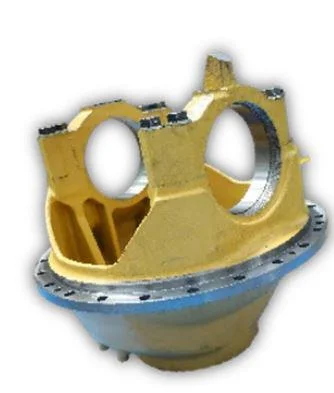
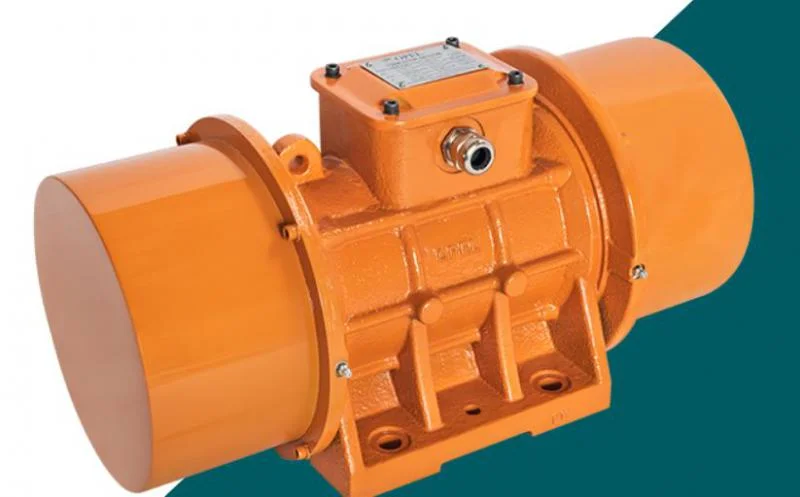
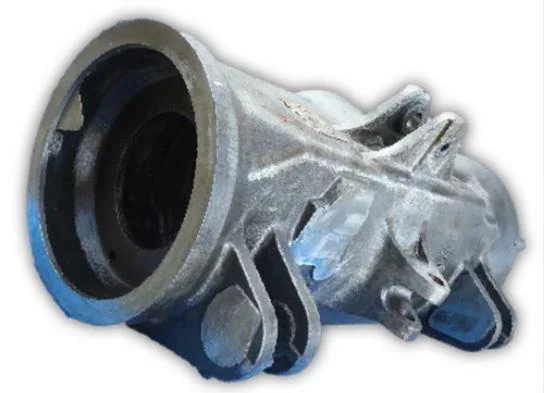
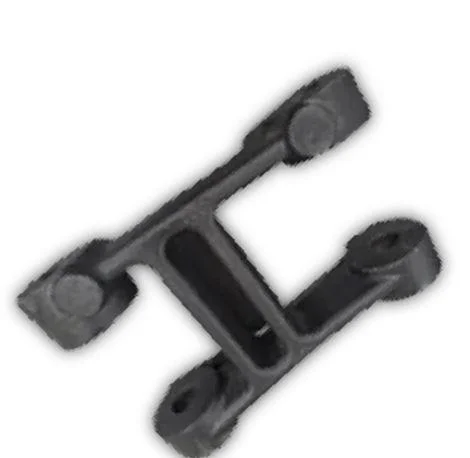
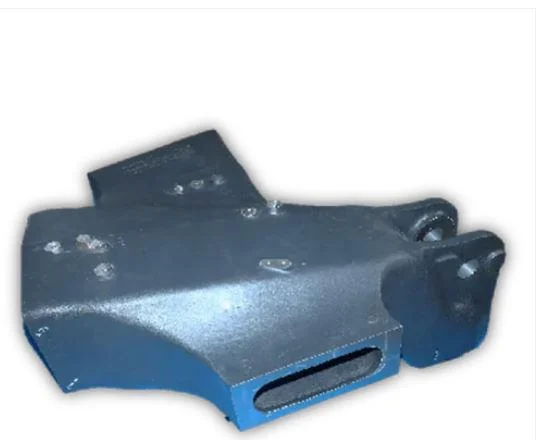
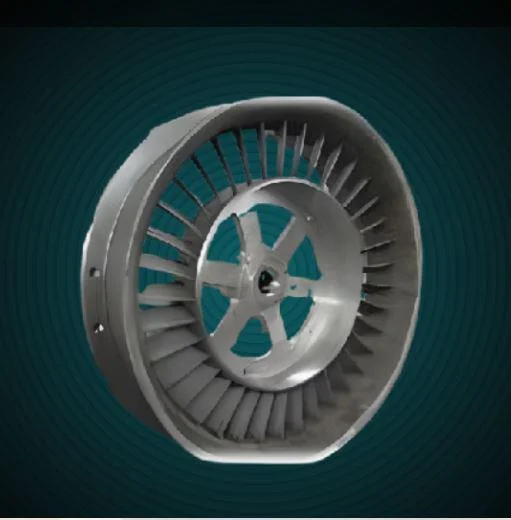
The Industrial Contravane represents precision engineering for airflow and material control applications, designed to direct and regulate movement within industrial systems. This essential component operates within ducting, processing, and ventilation setups where controlled directional flow determines overall system efficiency. Manufactured with attention to durability and performance consistency, it withstands demanding operational conditions while maintaining precise control capabilities. The design focuses on seamless integration into existing infrastructure, providing immediate improvements in flow management without requiring extensive system modifications. This reliability makes it a preferred choice for professionals seeking dependable solutions for their industrial flow control requirements.

Various industries benefit from incorporating Industrial Contravanes into their operational systems. Manufacturing facilities utilize these components to optimize air movement in producti...
The Industrial Contravane represents precision engineering for airflow and material control applications, designed to direct and regulate movement within industrial systems. This essential component operates within ducting, processing, and ventilation setups where controlled directional flow determines overall system efficiency. Manufactured with attention to durability and performance consistency, it withstands demanding operational conditions while maintaining precise control capabilities. The design focuses on seamless integration into existing infrastructure, providing immediate improvements in flow management without requiring extensive system modifications. This reliability makes it a preferred choice for professionals seeking dependable solutions for their industrial flow control requirements.

Various industries benefit from incorporating Industrial Contravanes into their operational systems. Manufacturing facilities utilize these components to optimize air movement in production areas and material handling processes. Processing plants implement them to regulate the flow of bulk materials through conveyance systems, ensuring consistent throughput and quality control. Ventilation specialists integrate contravanes into HVAC systems for large commercial and industrial spaces, where proper airflow direction impacts both energy efficiency and environmental comfort. Material handling operations rely on these devices to guide products through processing lines while minimizing turbulence and material degradation. Energy sector applications include combustion air management and exhaust system optimization.

Businesses choosing Industrial Contravanes gain measurable value through enhanced system reliability and operational efficiency. The durable construction ensures extended service life even under continuous operation, reducing maintenance requirements and replacement costs. Precise flow regulation capabilities translate to improved process consistency, directly impacting product quality and production output. Energy savings result from optimized airflow that reduces system strain and minimizes power consumption. The straightforward installation and compatibility with various system configurations provide flexibility for both new projects and system upgrades. These combined benefits deliver a strong return on investment through improved performance and reduced operational expenses.

Key Features:
- Durable construction designed for long-term industrial use
- Precise airflow and material direction control capabilities
- Seamless integration with existing ducting and processing systems
- Robust design suitable for demanding operational environments
- Standardized dimensions compatible with industrial ventilation components

Benefits:
- Enhanced system efficiency through optimized flow regulation
- Reduced energy consumption via improved airflow management
- Extended equipment lifespan through minimized turbulence and wear
- Consistent process performance ensuring reliable operations
- Straightforward installation requiring minimal system modifications
Specifications
| Additional Information | |
|---|---|
| Country of Origin | India |
Application
The Industrial Contravane serves as a critical component in systems requiring precise airflow or material direction. Its robust construction ensures reliable operation in demanding environments where consistent flow regulation is essential for process efficiency and equipment protection. This versatile device integrates seamle
ssly into existing ductwork and processing lines, providing immediate improvements in directional control without requiring extensive system modifications. Installation is straightforward, making it suitable for both new installations and retrofits in various industrial settings where performance and durability are priorities.
Real-world applications:
- Ventilation and HVAC systems in large commercial buildings and industrial facilities
- Material handling systems in processing plants for powders, granules, and bulk materials
- Industrial ducting networks in manufacturing plants requiring precise airflow direction
- Energy systems where controlled air movement optimizes combustion and heat transfer
- Processing equipment that requires regulated material flow to maintain production quality
Trade Details
| Available Stock | In Stock |
| Sample Availability | No |
Payment Terms
| Payment Terms |
|
| Payment Methods |
|
Company Profile

Oriental Plants Equipments Pvt Ltd, Tamil Nadu
 Tamil Nadu, India
Tamil Nadu, IndiaIndustrial Equipment & Machinery•Manufacturer
Factory Details
Factory SizeBelow 1000 sqm
Industrial Contravane For Airflow And Material Control In Ducting Systems
Industrial Contravane for airflow and material control applications directs and regulates movement in ducting, processing, and ventilation systems with durable precision for optimal industrial performance.
Min. Order Quantity: 1 piece
Shipping
Shipping fee and delivery date to be negotiated. Contact supplier now for more details.
Oriental Plants Equipments Pvt Ltd
 Tamil Nadu, India
Tamil Nadu, IndiaIndustrial Equipment & MachineryManufacturer