
 IN
Ultrasonic Cleaning Machines
33 products available
What are Ultrasonic Cleaning Machines?
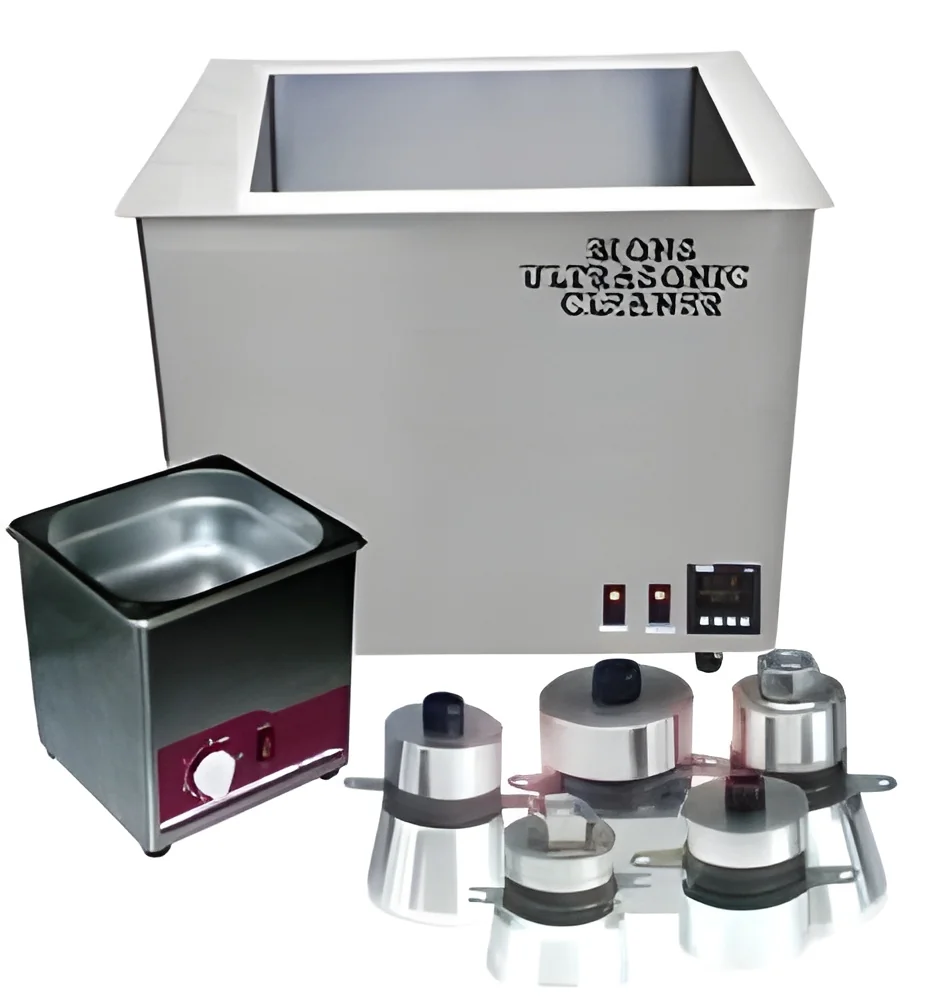
Ultrasonic cleaning machines are specialized devices that utilize high-frequency sound waves to produce microscopic bubbles in a cleaning solution. These bubbles collapse in a process called cavitation, creating powerful scrubbing action that removes dirt, grease, and contaminants from surfaces. The effectiveness of these machines lies in their ability to clean intricate parts and complex geometries that traditional cleaning methods often miss.
These machines find extensive use across various sectors, including manufacturing, automotive, healthcare, and electronics. In the automotive industry, for example, ultrasonic cleaners efficiently remove oil, grease, and other residues from engine components. In healthcare, they are used to sterilize surgical instruments and dental tools, ensuring a high standard of cleanliness. The versatility and effectiveness of ultrasonic cleaning machines have made them increasingly relevant in today’s market, where cleanliness and precision are paramount.
As industries continue to emphasize efficiency and quality, the demand for ultrasonic cleaning machines is expected to grow. Their ability to deliver superior cleaning results while minimizing manual labor aligns with the trends of automation and enhanced quality control. This makes them an essential investment for businesses aiming to improve their operational processes.
Key Features and Specifications
Ultrasonic cleaning machines come equipped with various features that enhance their cleaning capabilities and usability. These features are designed to cater to diverse cleaning needs across multiple industries.
Key specifications include:
1. Cleaning Frequency
- Common frequencies range from 20 kHz to 40 kHz.
- Higher frequencies are suitable for delicate items, while lower frequencies are effective for heavy-duty cleaning.
2. Tank Capacity
- Available in various sizes, typically ranging from 0.5 liters to over 100 liters.
- Larger tanks accommodate bigger items or higher volumes of parts.
3. Power Output
- Power ratings usually range from 30 watts to over 3000 watts.
- Higher power output ensures more efficient cleaning for challenging applications.
4. Heating Capability
- Many models feature built-in heaters that can reach temperatures up to 80 degrees Celsius.
- Heat enhances cleaning efficiency, especially for grease and oil removal.
5. Timer Settings
- Units often come with adjustable timers, typically ranging from 1 to 60 minutes.
- Timers allow for customized cleaning cycles based on the type of items being cleaned.
6. Material Construction
- Commonly constructed from stainless steel for durability and resistance to corrosion.
- Some models may include additional plastic components for lighter applications.
7. Safety Features
- Includes automatic shut-off to prevent overheating.
- Some models have lid sensors that stop operation when the lid is opened.
8. User Interface
- Many machines feature digital displays for easy monitoring and control.
- Intuitive controls simplify operation for users of all experience levels.
In summary, the key features and specifications of ultrasonic cleaning machines directly impact their performance and suitability for different cleaning tasks. Understanding these specifications helps businesses select the right model for their specific needs.
Common Applications and Use Cases
Ultrasonic cleaning machines serve various industries with unique applications.
1. Automotive: These machines are used to clean engine parts, carburetors, and fuel injectors, effectively removing contaminants and buildup.
2. Healthcare: Ultrasonic cleaners are essential in medical facilities for sterilizing surgical instruments and dental tools, ensuring they are free of bacteria and other pathogens.
3. Electronics: They clean circuit boards, connectors, and other electronic components without damaging delicate parts or connections.
4. Jewelry: Ultrasonic cleaners are ideal for cleaning intricate jewelry pieces, removing dirt and oils without scratching surfaces.
5. Aerospace: Used to clean aircraft components, ultrasonic machines ensure that parts meet strict safety and quality standards.
6. Manufacturing: These machines help maintain production equipment by cleaning tools and molds, extending their lifespan and improving efficiency.
7. Optical: They are employed to clean lenses and optical components, ensuring clarity and precision in optical devices.
Product Variants and Subcategories
Ultrasonic cleaning machines come in various designs to meet different cleaning requirements. Each variant offers unique features and capabilities.
Industrial Ultrasonic Cleaners
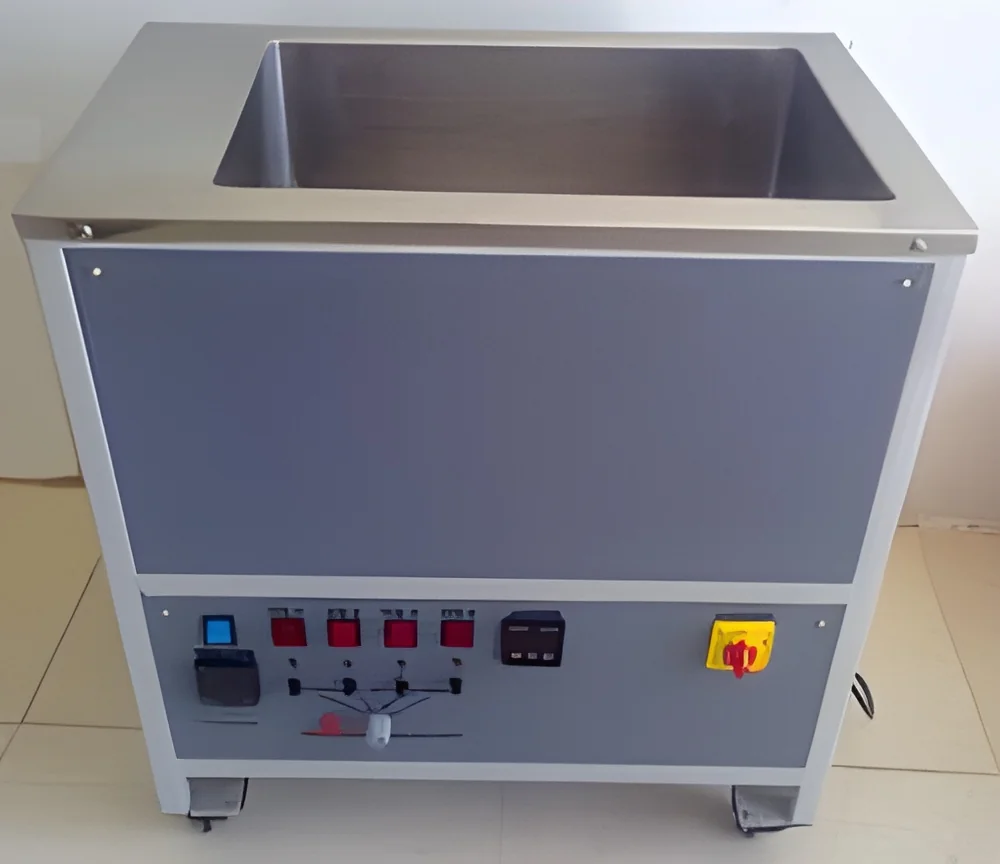
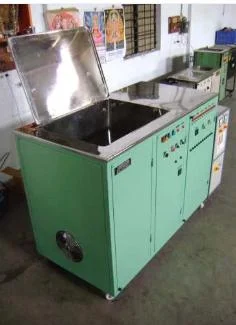
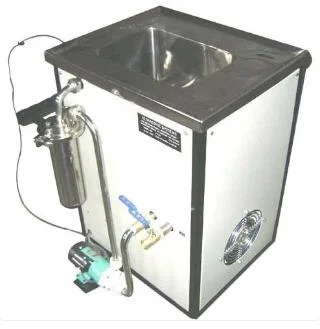
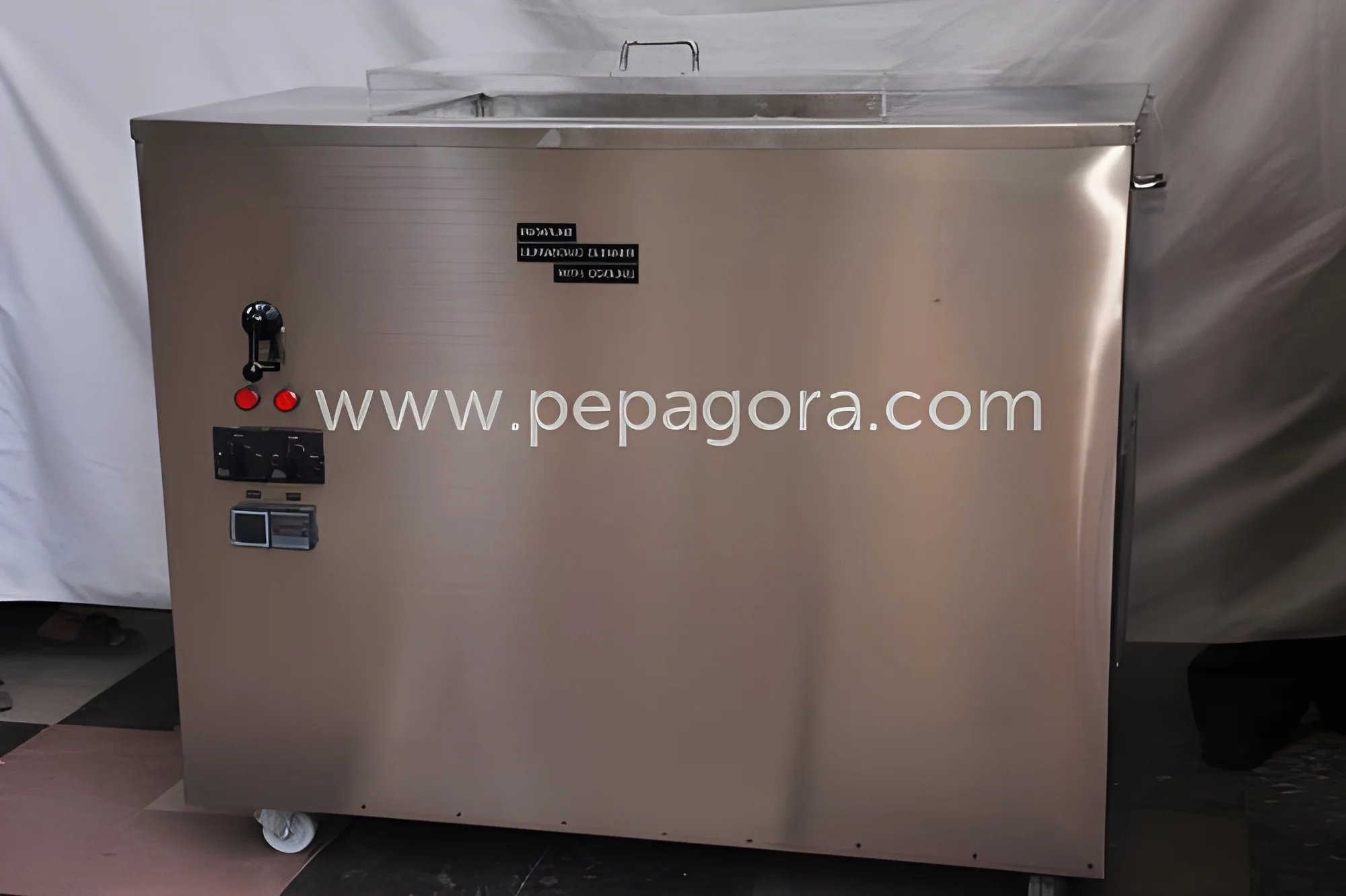
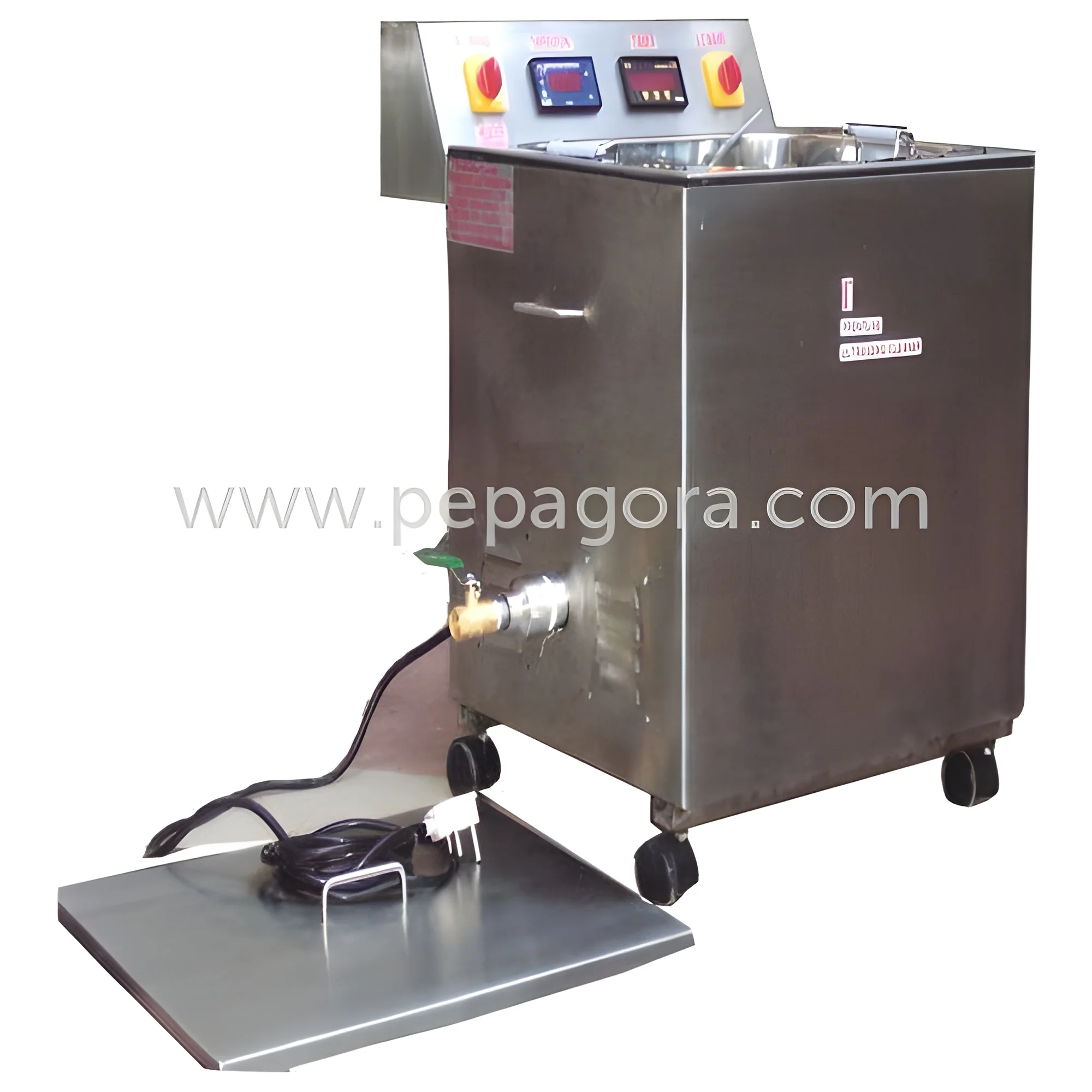
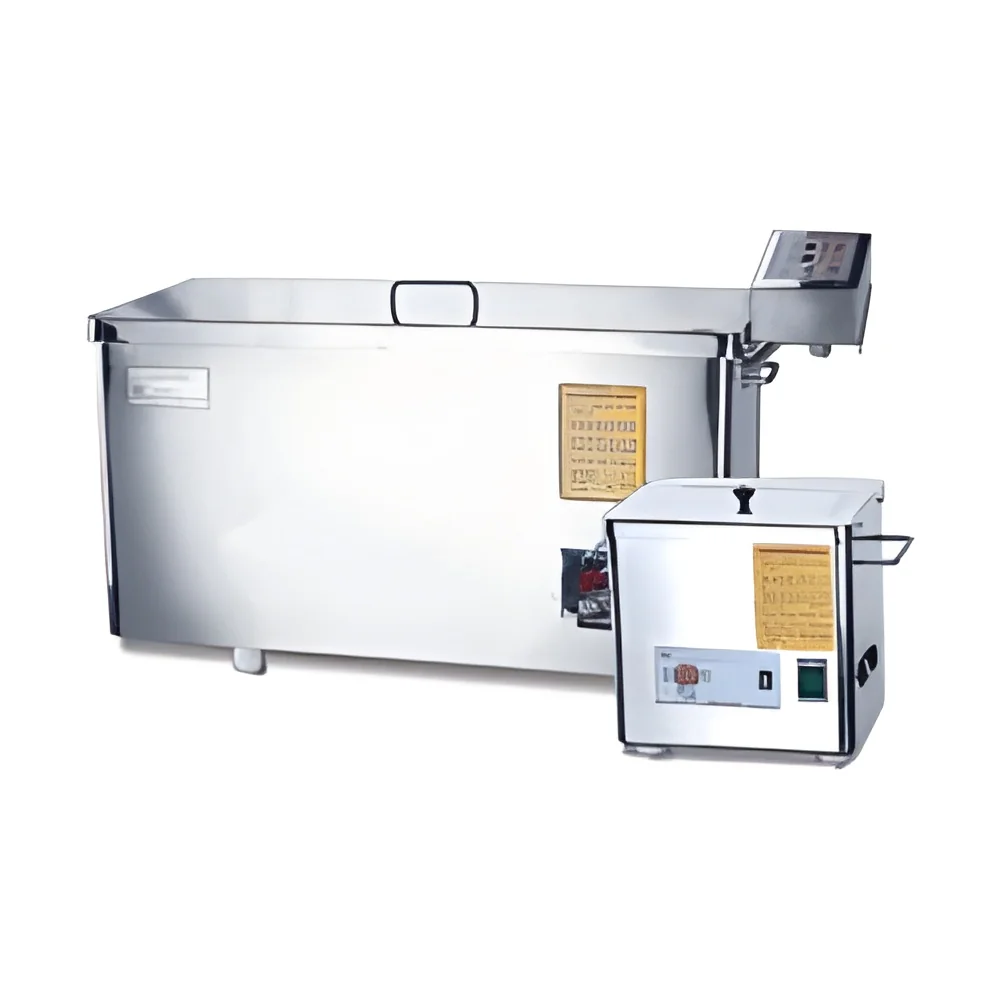
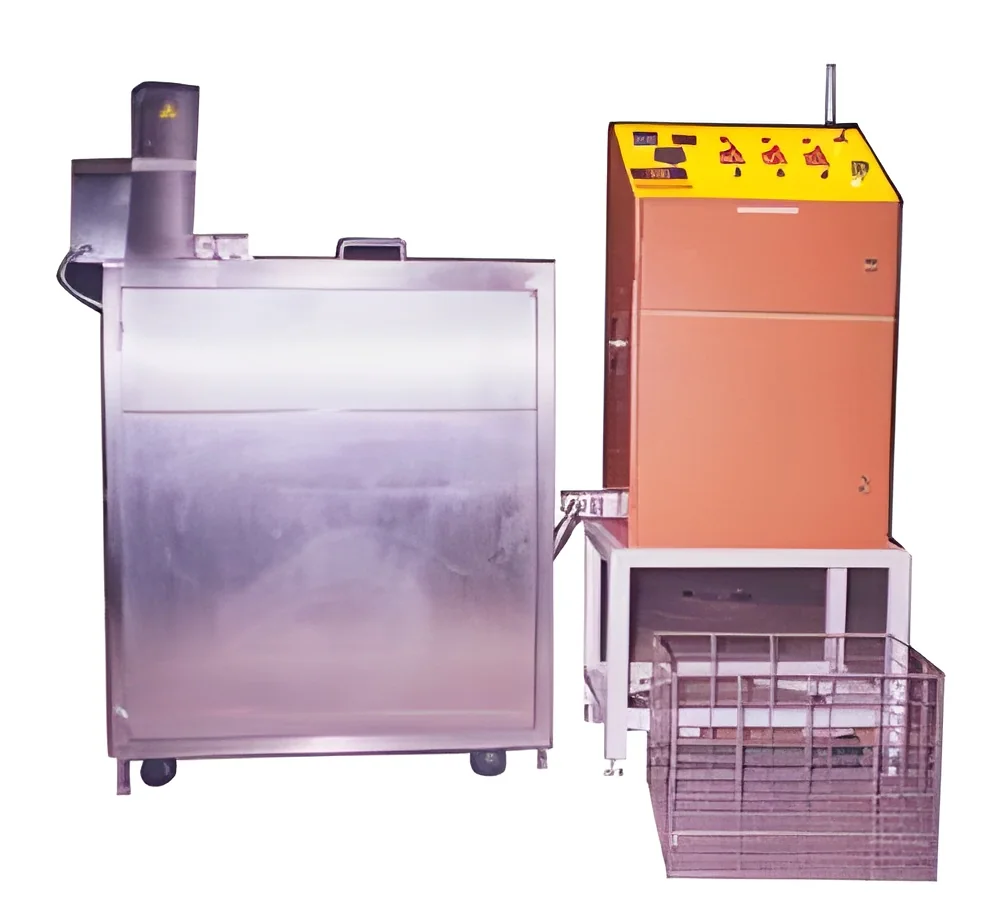
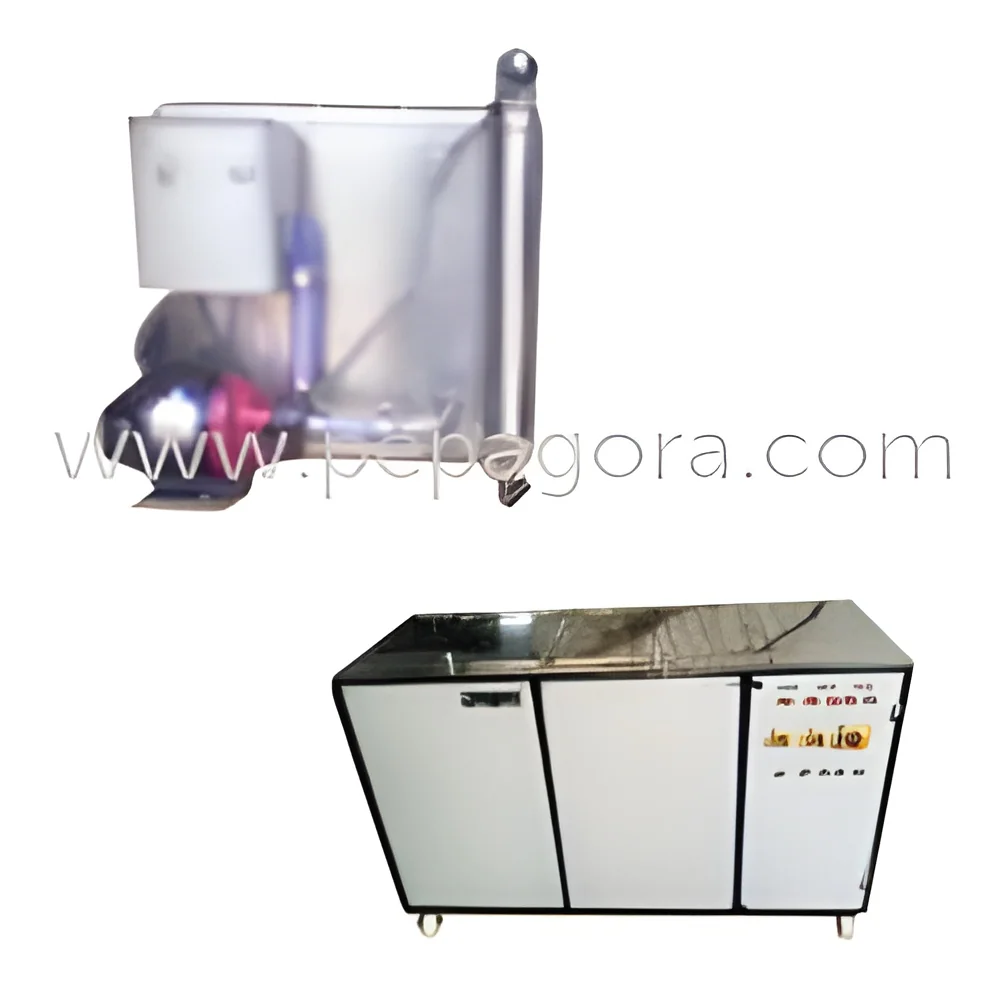
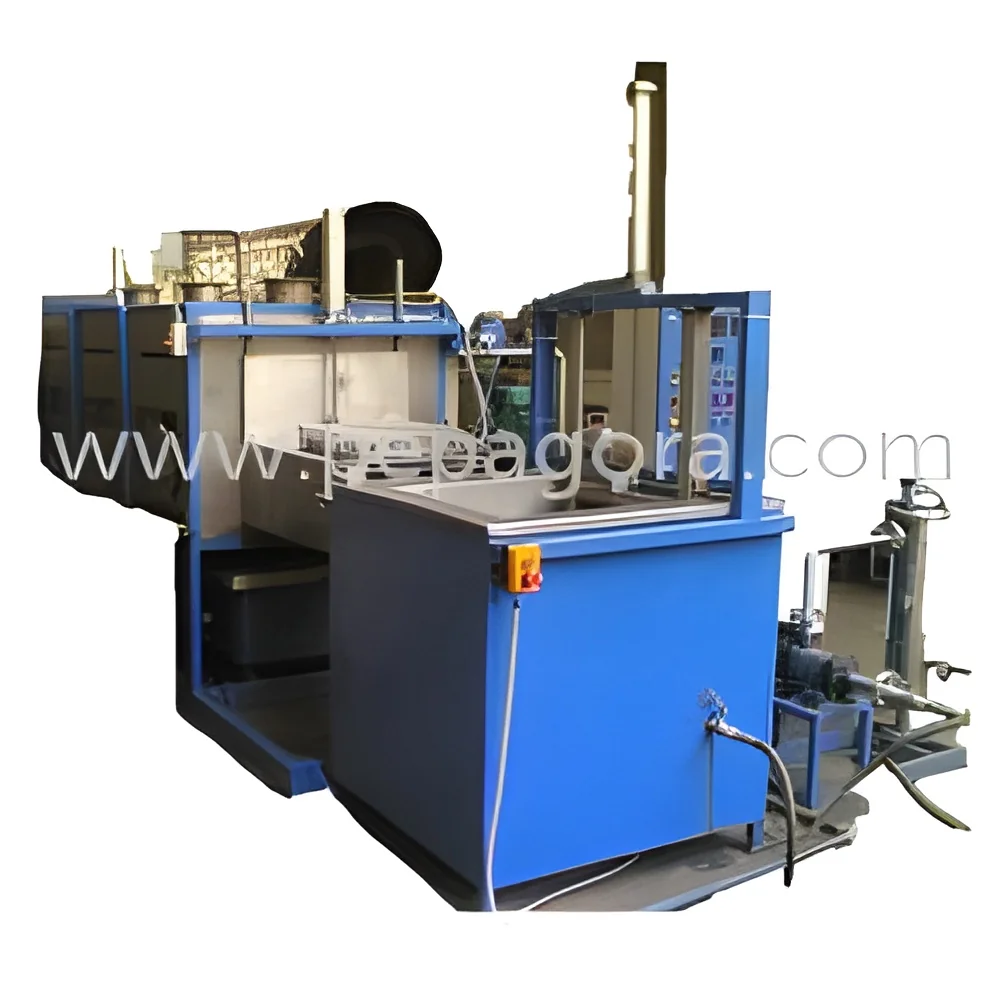
These machines are designed for heavy-duty applications and larger cleaning tasks. They often feature higher power outputs and larger tank capacities, making them suitable for manufacturing and automotive industries.
Benchtop Ultrasonic Cleaners
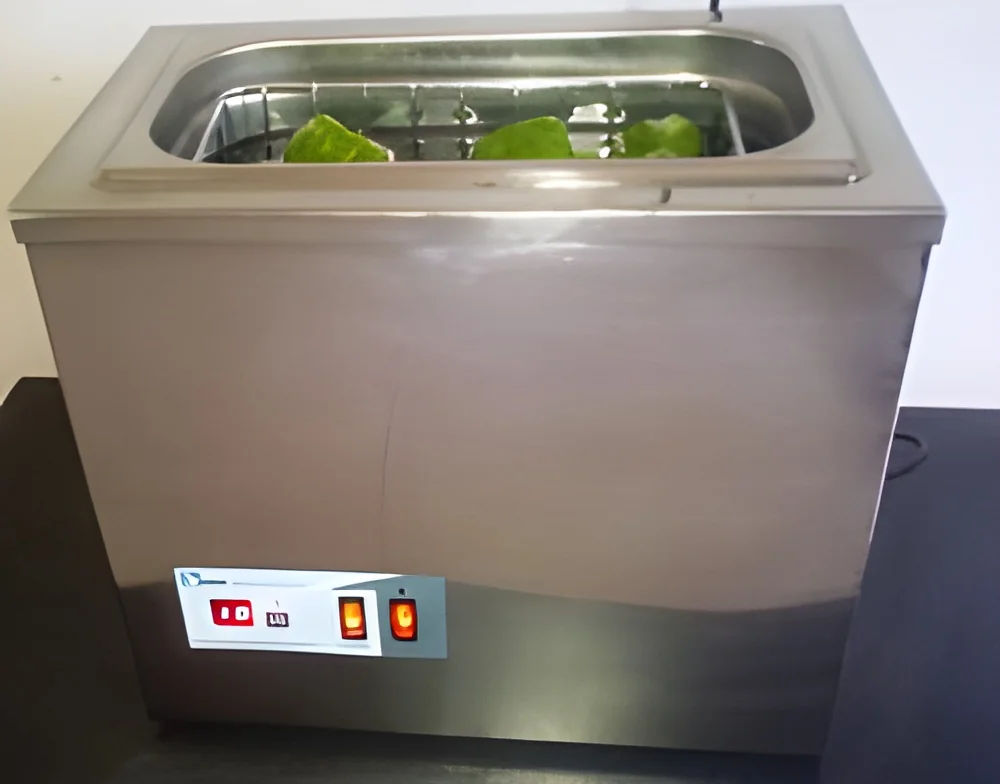
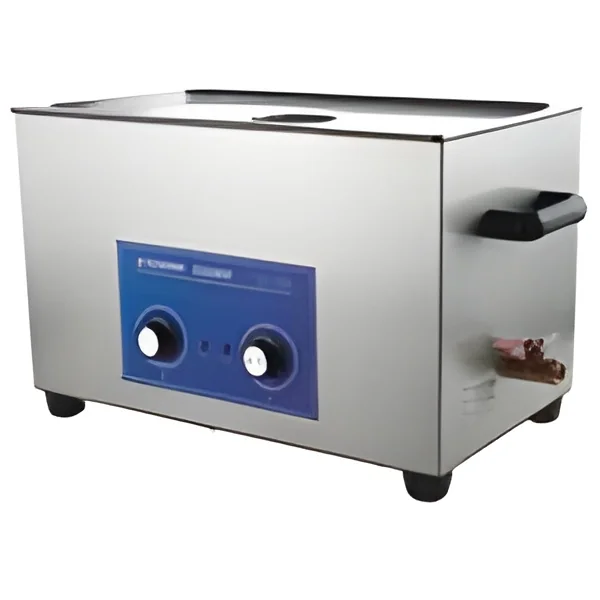
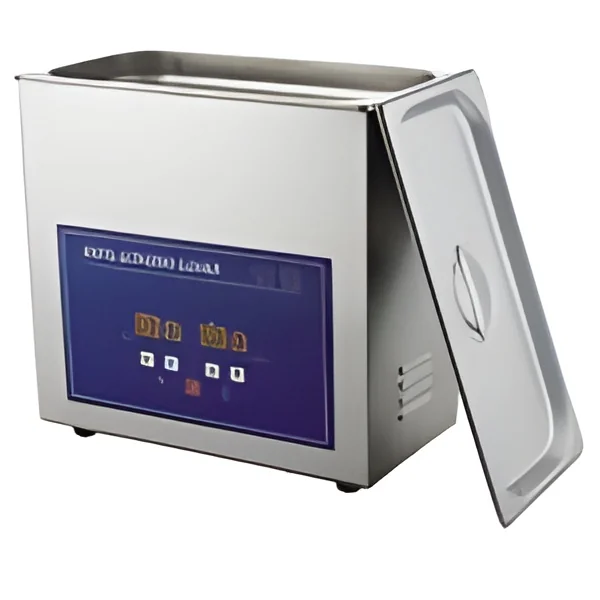
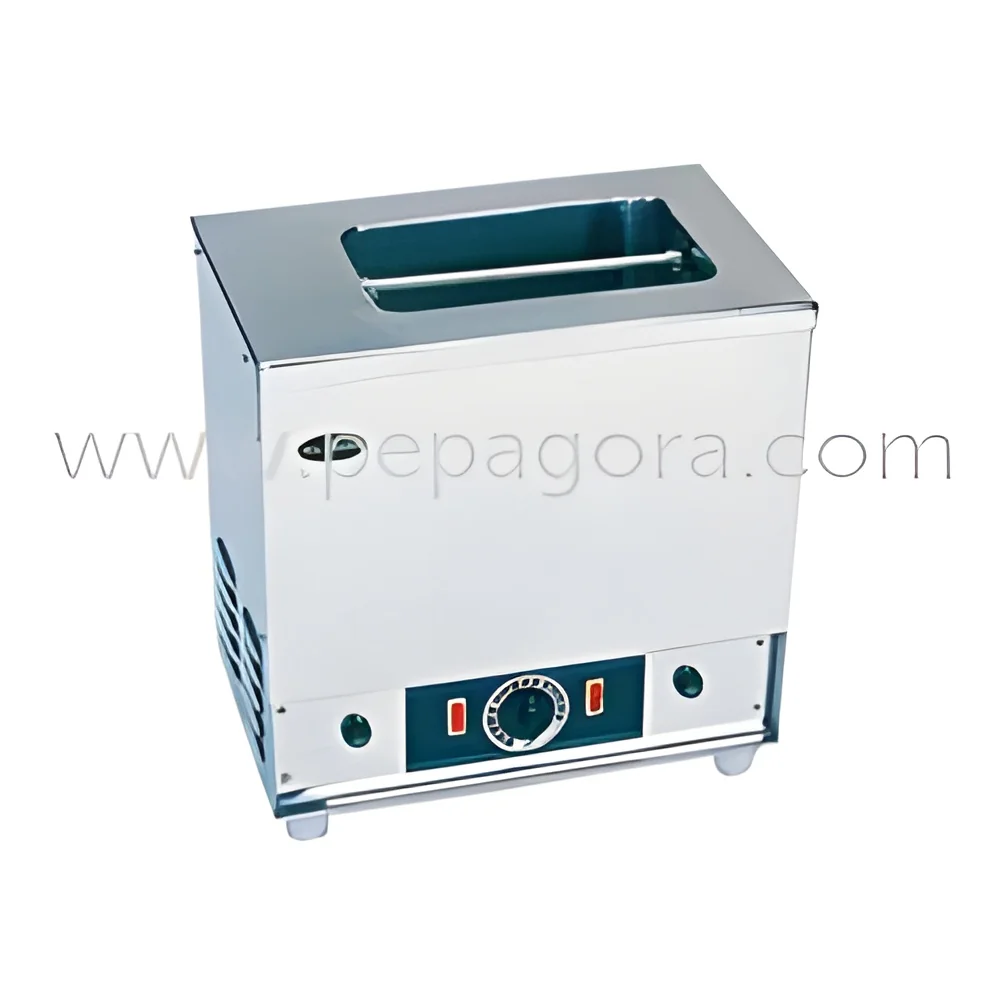
Ideal for smaller tasks, benchtop models are compact and user-friendly. They are commonly used in jewelry cleaning and small electronics, providing efficient cleaning in a limited space.
Portable Ultrasonic Cleaners
These lightweight models are designed for mobility and ease of use. They are perfect for fieldwork or small shops where versatility and convenience are essential.
Multi-Stage Ultrasonic Cleaners
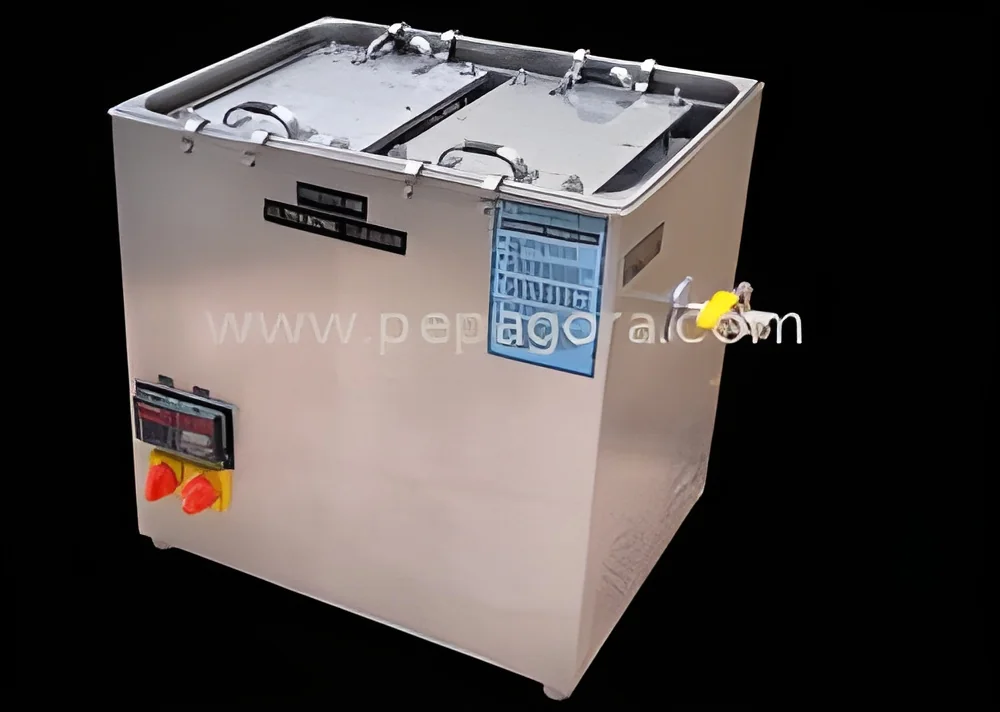
These advanced machines provide multiple cleaning stages, combining ultrasonic cleaning with rinsing and drying processes. They are ideal for industries that require thorough cleaning and finishing.
Benefits and Advantages
Ultrasonic cleaning machines offer numerous advantages that enhance their appeal for businesses.
1. Superior Cleaning Efficiency: The cavitation process ensures even the most stubborn contaminants are removed, resulting in a high standard of cleanliness.
2. Time-Saving: Ultrasonic cleaners significantly reduce cleaning time compared to manual methods, allowing for increased productivity.
3. Labor Reduction: Automating the cleaning process minimizes the need for manual labor, freeing workers to focus on more complex tasks.
4. Safe for Delicate Items: These machines can clean intricate parts without causing damage, making them suitable for delicate items like jewelry and electronics.
5. Eco-Friendly: Ultrasonic cleaning often requires less harsh chemicals compared to traditional cleaning methods, making it a more environmentally friendly option.
6. Versatility: They can be used across various industries, making them a valuable investment for businesses looking to improve their cleaning processes.
Buying Guide for B2B Buyers
When sourcing ultrasonic cleaning machines, there are several key factors to consider to ensure the right choice for your business needs.
1. Quality Assessment: Look for machines that adhere to industry quality standards. Check for certifications and reviews to gauge reliability and effectiveness.
2. Supplier Verification: Vet potential suppliers by assessing their reputation, years in business, and customer feedback. A verified supplier ensures trust and quality.
3. Pricing and MOQ: Understand the pricing structure and minimum order quantities. This helps in budgeting and negotiating favorable terms.
4. Delivery and Lead Times: Inquire about logistics and estimated delivery times to ensure that the machines arrive when needed for operations.
5. Compliance Requirements: Ensure that the machines meet relevant regulatory standards and certifications for your industry, which may include safety and environmental considerations.
Compliance and Certifications
Ultrasonic cleaning machines must adhere to various quality standards and regulations to ensure safety and effectiveness. Key standards include ISO 9001, which focuses on quality management systems, ensuring consistent product quality. HACCP and GDP regulations are also crucial in industries like healthcare and food safety, where cleanliness is vital.
In addition, industry certifications such as CE and UL signify that the machines meet rigorous safety and performance criteria. These certifications provide assurance to buyers regarding the machine's reliability and compliance with international standards.
Safety and testing requirements are essential to consider, as they ensure that the machines operate safely and do not pose risks to users. Furthermore, regional compliance considerations may vary, necessitating awareness of local regulations that could affect machine operation and certification.
Why Source Ultrasonic Cleaning Machines from Pepagora?
Pepagora provides a trusted platform for sourcing ultrasonic cleaning machines, offering several key advantages for B2B buyers.
Verified Supplier Network: Pepagora connects buyers with a network of verified suppliers, ensuring that all listed products meet high standards of quality and reliability. This vetting process builds trust and confidence in the purchasing decision.
Streamlined RFQ Process: The platform simplifies the request-for-quotation process, allowing buyers to easily compare different suppliers and products. This efficiency helps businesses make informed decisions without lengthy negotiations.
Trade Assurance and Support: Buyers benefit from trade assurance measures that protect their investments. Pepagora offers support throughout the purchasing process, addressing any concerns and ensuring satisfaction with the transaction.
Regional Coverage: With a broad geographic reach across India, GCC, and Southeast Asia, Pepagora allows businesses to source ultrasonic cleaning machines tailored to their specific regional needs. This extensive coverage enhances accessibility and convenience for buyers across different markets.

 India
 India
 India
 India
 India
 India
 India
 India
 India
 India
 India
 India
Frequently Asked Questions
What are Ultrasonic Cleaning Machines?
Ultrasonic Cleaning Machines are specialized devices that utilize high-frequency sound waves to create microscopic bubbles in a cleaning solution. These bubbles implode upon contact with surfaces, effectively removing dirt, grime, and contaminants from various materials, including metals, plastics, and glass.
What are the different types of Ultrasonic Cleaning Machines?
There are several types of Ultrasonic Cleaning Machines, including industrial models, tabletop units, and portable cleaners. Industrial models are designed for heavy-duty applications, while tabletop units are suitable for smaller cleaning tasks and laboratories.
How do I choose the right Ultrasonic Cleaning Machines?
To choose the right Ultrasonic Cleaning Machine, consider factors such as the size of the items to be cleaned, the type of contaminants, and the cleaning solution compatibility. Additionally, assess the machine's frequency, tank capacity, and power output for optimal cleaning results.
What are the standard specifications for Ultrasonic Cleaning Machines?
Standard specifications for Ultrasonic Cleaning Machines typically include frequency ranges (commonly between 20 kHz to 40 kHz), tank capacity (ranging from a few liters to several hundred liters), and power output (measured in watts). Machines may also feature heating elements and timers for enhanced cleaning efficiency.
What is the price range for Ultrasonic Cleaning Machines?
The price range for Ultrasonic Cleaning Machines varies widely depending on their size and specifications. Generally, small tabletop units can start from around INR 10,000, while larger industrial machines may cost several lakhs.
What quality standards apply to Ultrasonic Cleaning Machines?
Quality standards for Ultrasonic Cleaning Machines often include certifications like ISO 9001 and compliance with CE marking in Europe. These standards ensure that the machines meet safety, reliability, and performance criteria.
Where can I find Ultrasonic Cleaning Machines suppliers in India?
You can find Ultrasonic Cleaning Machines suppliers in India through B2B marketplaces like Pepagora, trade shows, and industrial equipment suppliers. Online directories and local industry associations can also provide leads to reputable manufacturers and suppliers.
Can Ultrasonic Cleaning Machines be customized?
Yes, many manufacturers offer customization options for Ultrasonic Cleaning Machines to meet specific requirements. Customizations may include modifications in tank size, frequency, and additional features tailored to particular cleaning applications.
What is the typical minimum order quantity for Ultrasonic Cleaning Machines?
The typical minimum order quantity (MOQ) for Ultrasonic Cleaning Machines can vary by supplier but generally ranges from 1 to 5 units for smaller models. For larger industrial machines, the MOQ may be higher depending on the customization and specifications required.
What is the typical lead time for Ultrasonic Cleaning Machines?
The typical lead time for Ultrasonic Cleaning Machines varies based on the manufacturer and the complexity of the order. Generally, standard models may have a lead time of 2 to 4 weeks, while customized machines can take longer, often ranging from 4 to 8 weeks.
Why Businesses Trust Pepagora
Thousands of companies trust Pepagora to source smarter and sell faster
Expand Your Sales Globally

Source Smarter,Grow Faster
