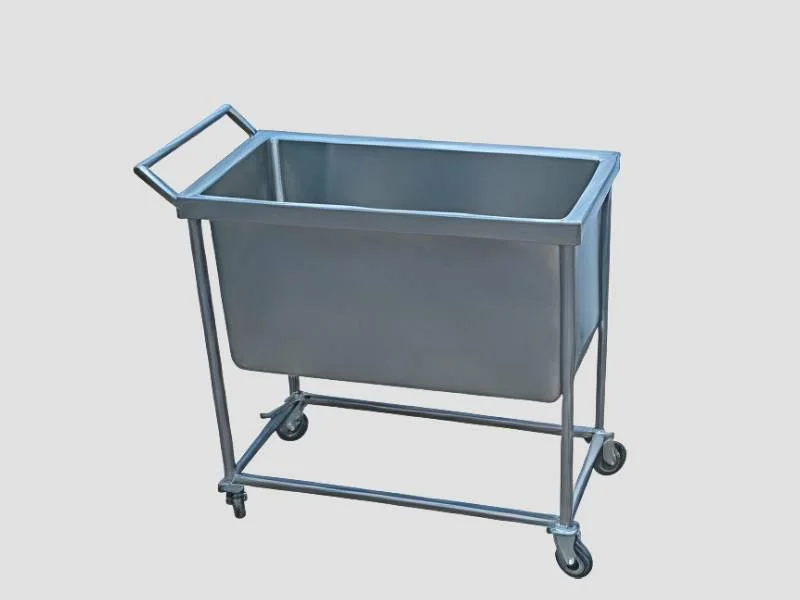
What are Trash Collecting Carts?
Trash collecting carts are specialized vehicles designed for the efficient collection and transport of waste materials. These carts are typically constructed from durable materials to withstand harsh environments and frequent use. Their design often includes features such as wheels for mobility, ample storage space, and compartments for sorting different types of waste.
These carts are primarily used in various commercial and industrial settings, such as factories, hospitals, and municipalities. They facilitate the quick and organized collection of trash, helping to maintain cleanliness and compliance with waste management regulations. Businesses utilize trash collecting carts not only to improve operational efficiency but also to promote sustainable waste disposal practices.
In the broader market context, the demand for trash collecting carts is increasing due to growing environmental concerns and stricter waste management regulations. Industries are under pressure to enhance their waste management strategies, leading to innovations in cart design and functionality. This trend highlights the importance of integrating effective waste collection solutions into business operations.
Key Features and Specifications
Trash collecting carts come equipped with several key features that enhance their usability and efficiency. Understanding these specifications can help businesses choose the right cart for their needs.
Key specifications include:
1. Capacity
- Standard capacities typically range from 100 to 500 liters.
- Larger models may accommodate up to 1000 liters for high-volume needs.
2. Material Construction
- Most carts are made from high-density polyethylene (HDPE) or metal for durability.
- Weather-resistant and corrosion-resistant materials extend the lifespan of the cart.
3. Wheel Design
- Carts usually feature four swivel wheels for easy maneuverability.
- Heavy-duty wheels provide stability on uneven terrain.
4. Weight
- The weight of the carts varies, generally ranging from 30 to 100 kg.
- Lightweight designs facilitate easier handling.
5. Handle Type
- Ergonomic handles are designed for user comfort.
- Options may include push or pull handles depending on the cart design.
6. Color Coding
- Many carts come in various colors for easy waste segregation.
- Color-coded options help in organizing recyclables and general waste.
7. Customization Options
- Some manufacturers offer customization in sizes and branding.
- Custom features can include locking mechanisms and additional compartments.
8. Compliance Standards
- Certain models meet industry standards for waste management.
- Certifications like CE ensure product reliability and safety.
In summary, understanding these features and specifications is crucial for businesses to select the most suitable trash collecting carts that align with their operational requirements.
Common Applications and Use Cases
Trash collecting carts are versatile tools utilized across various industries. They play a crucial role in waste management and cleanliness.
1. Healthcare: Hospitals and clinics use trash collecting carts for the safe disposal of medical waste, ensuring compliance with health regulations.
2. Manufacturing: Factories employ these carts to collect waste generated during production processes, streamlining waste management.
3. Hospitality: Hotels and restaurants utilize trash collecting carts for efficient waste collection in kitchens and dining areas, maintaining cleanliness for guests.
4. Municipal Services: City sanitation departments use these carts to facilitate public waste collection and street cleaning efforts.
5. Retail: Supermarkets and shopping centers utilize carts to manage waste generated from daily operations, including packaging and food waste.
6. Education: Schools and universities deploy trash collecting carts to maintain cleanliness across campuses and promote recycling initiatives.
7. Construction: Construction sites use robust trash collecting carts to manage debris and waste materials, ensuring a safe working environment.
Product Variants and Subcategories
Trash collecting carts come in a variety of configurations to meet different needs.
Heavy-Duty Carts
These carts are designed for rugged environments and are built to withstand heavy loads. They are ideal for construction sites and industrial applications where durability is paramount.
Compact Carts
Compact models are designed for smaller spaces, making them suitable for urban environments or facilities with limited storage. These carts are easy to maneuver and store.
Mobile Carts
Equipped with advanced features like locking wheels and additional compartments, mobile carts are perfect for dynamic settings such as events and catering services.
Temperature-Controlled Carts
These specialized carts are used to transport waste that may require temperature control, particularly in the food industry. They help in maintaining hygiene and compliance with food safety standards.
Benefits and Advantages
Investing in trash collecting carts offers numerous advantages for businesses.
1. Improved Efficiency: These carts streamline waste collection processes, allowing staff to focus on other essential tasks.
2. Enhanced Organization: With features like compartments and color coding, trash collecting carts promote effective waste segregation.
3. Cost-Effective Solutions: By reducing waste disposal costs through improved collection methods, businesses can save significantly over time.
4. Compliance Support: Many carts comply with industry regulations, helping businesses avoid fines and maintain operational standards.
5. Increased Safety: Proper waste management reduces hazards in the workplace, contributing to a safer environment for employees and clients.
6. Sustainability: Utilizing these carts fosters eco-friendly practices by encouraging recycling and proper waste disposal.
Buying Guide for B2B Buyers
When sourcing trash collecting carts, businesses should consider several critical factors to make informed decisions.
1. Quality Assessment: Evaluate the materials and construction of the carts to ensure they meet durability and performance standards. Look for carts that can withstand the intended use without frequent replacements.
2. Supplier Verification: Vet suppliers to confirm their reputation and reliability. Check for certifications and customer reviews to ensure a trustworthy partnership.
3. Pricing and MOQ: Understand the pricing structure and minimum order quantities (MOQ) to align with budget constraints. Request quotations from multiple suppliers to compare costs.
4. Delivery and Lead Times: Discuss delivery schedules and lead times with suppliers to ensure timely availability of carts for your operations.
5. Compliance Requirements: Ensure that the carts meet all relevant industry compliance standards, such as safety regulations and waste management guidelines.
Compliance and Certifications
Trash collecting carts must adhere to various compliance and certification standards to ensure safety and reliability.
Relevant quality standards such as ISO 9001 help ensure that manufacturers follow consistent quality control processes. This certification reflects the commitment of suppliers to maintain high standards in their production practices.
Industry certifications like CE indicate that the products meet European safety, health, and environmental protection standards. This certification assures buyers that the carts are safe for use in various environments.
Safety and testing requirements are critical, especially in industries like healthcare and food services, where proper waste management is essential. Regular testing and validation of these products help ensure compliance with local and international safety regulations.
Regional compliance considerations may vary, so it is crucial for businesses to be aware of the specific regulations in their area. This knowledge helps prevent potential legal issues and ensures adherence to waste management protocols.
Why Source Trash Collecting Carts from Pepagora?
Pepagora provides a trusted platform for sourcing trash collecting carts with several key advantages that benefit B2B buyers.
Verified Supplier Network: Pepagora connects businesses with a network of verified suppliers. This network ensures that buyers can access quality products from reputable manufacturers, minimizing the risk of poor-quality purchases.
Streamlined RFQ Process: The platform offers a streamlined request for quotation (RFQ) process, simplifying the way businesses can acquire quotes. This efficiency saves time and enables buyers to compare options quickly.
Trade Assurance and Support: Pepagora provides trade assurance and support, protecting buyers throughout the purchasing process. This safety net builds trust and confidence in transactions, allowing businesses to focus on their operations.
Regional Coverage: With a strong presence in India, the GCC, and Southeast Asia, Pepagora offers extensive regional coverage. This geographic reach allows businesses to source products locally, reducing shipping times and costs while supporting local economies.

 IN
IN