
 IN
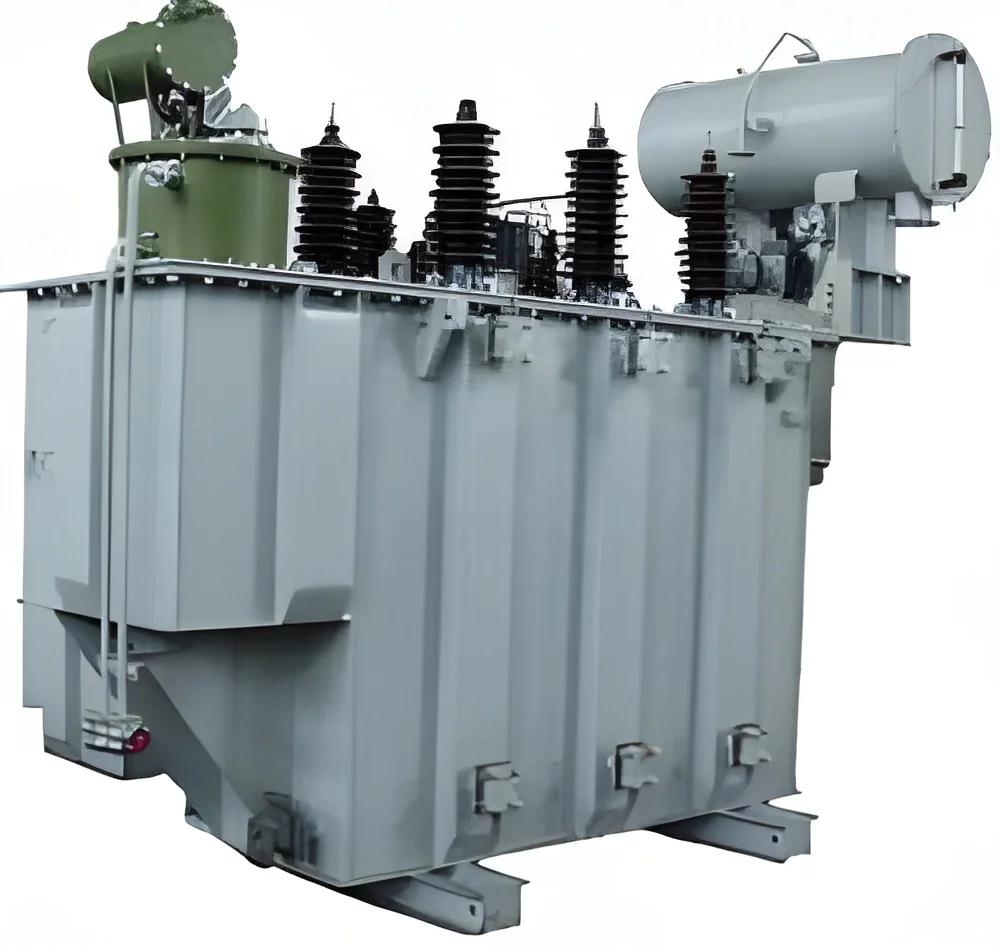
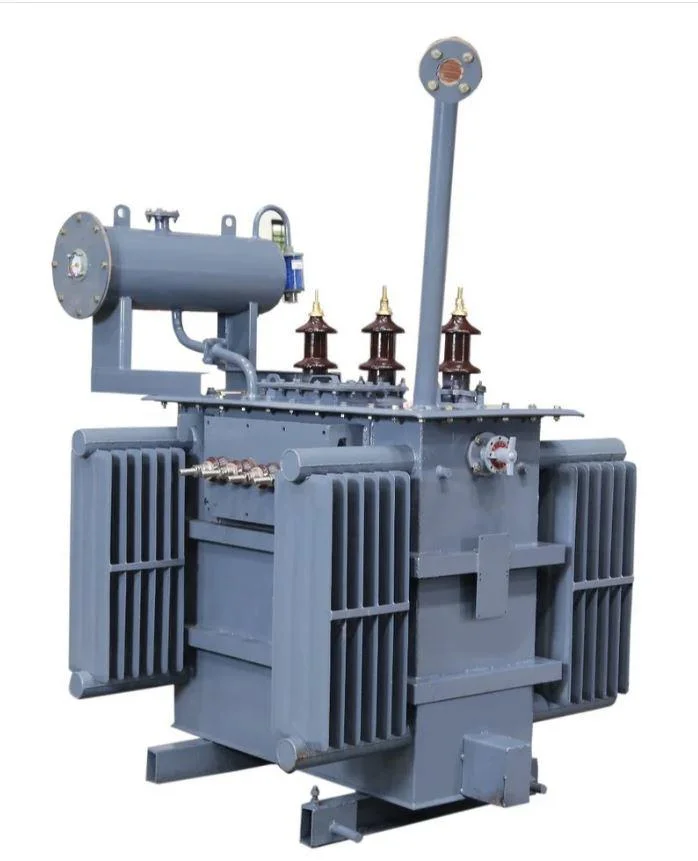
INTransformers (Power, Distribution)
63 products available
Key Features and Specifications
Common Applications and Use Cases
Product Variants and Subcategories
Benefits and Advantages
Buying Guide for B2B Buyers
Compliance and Certifications



 India
India
 India
India
 India
India
 India
India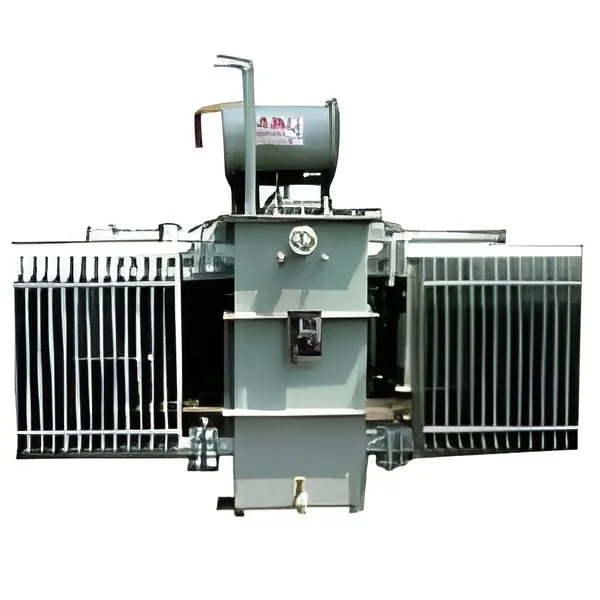

 India
India

 India
India
 India
India
 India
India
 India
India
 India
India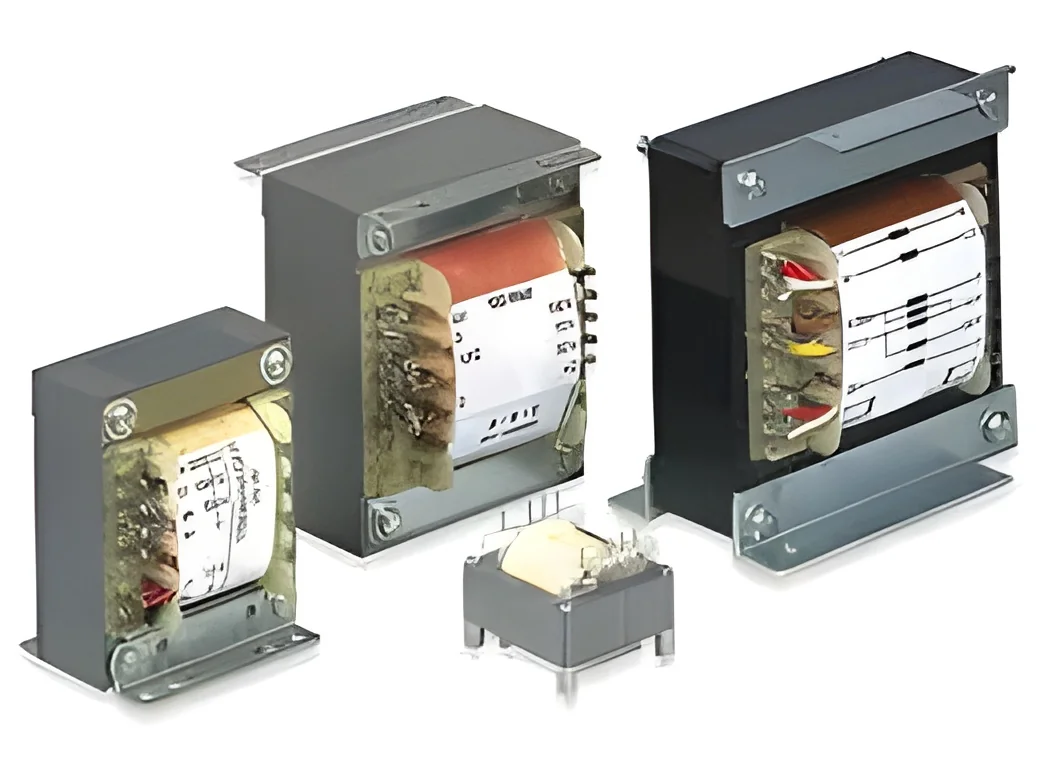
 India
India
 India
India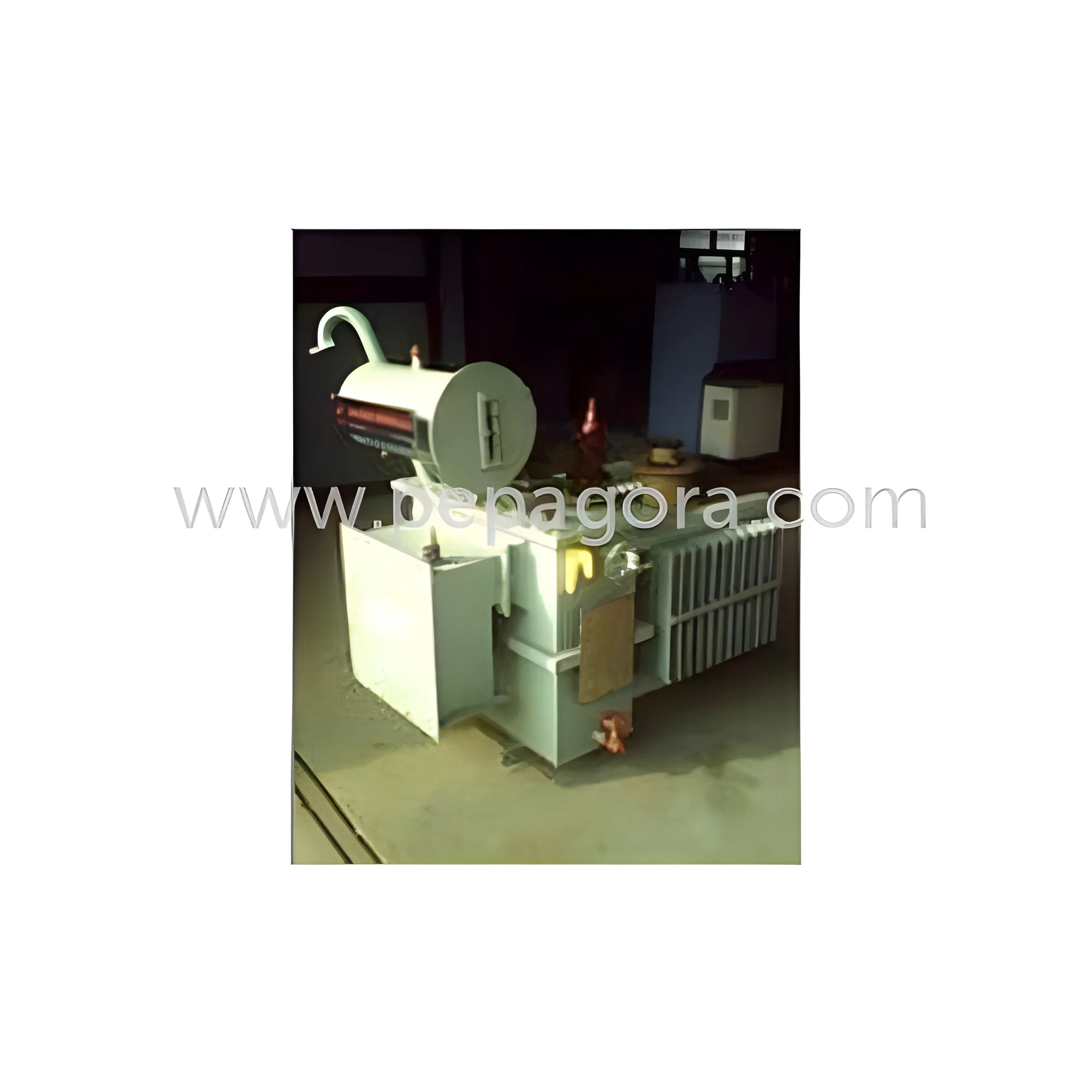 India
India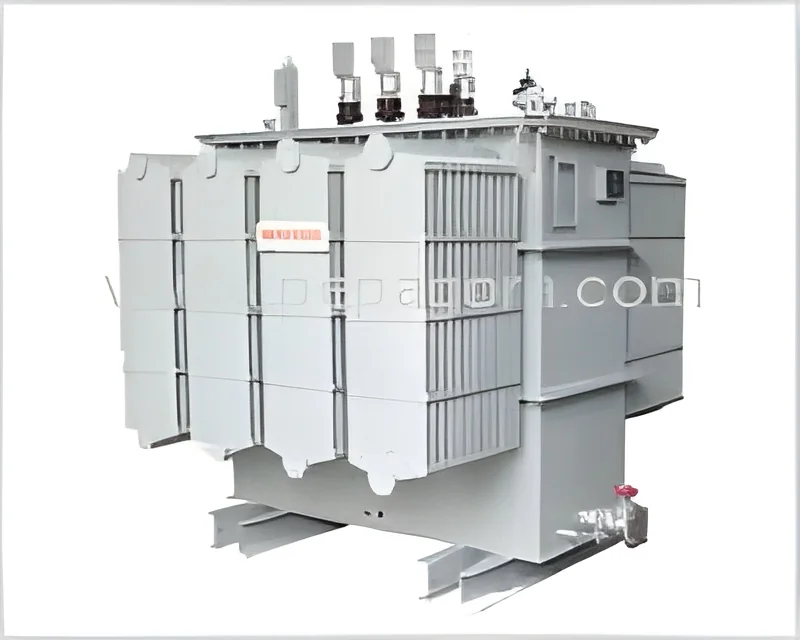
 India
India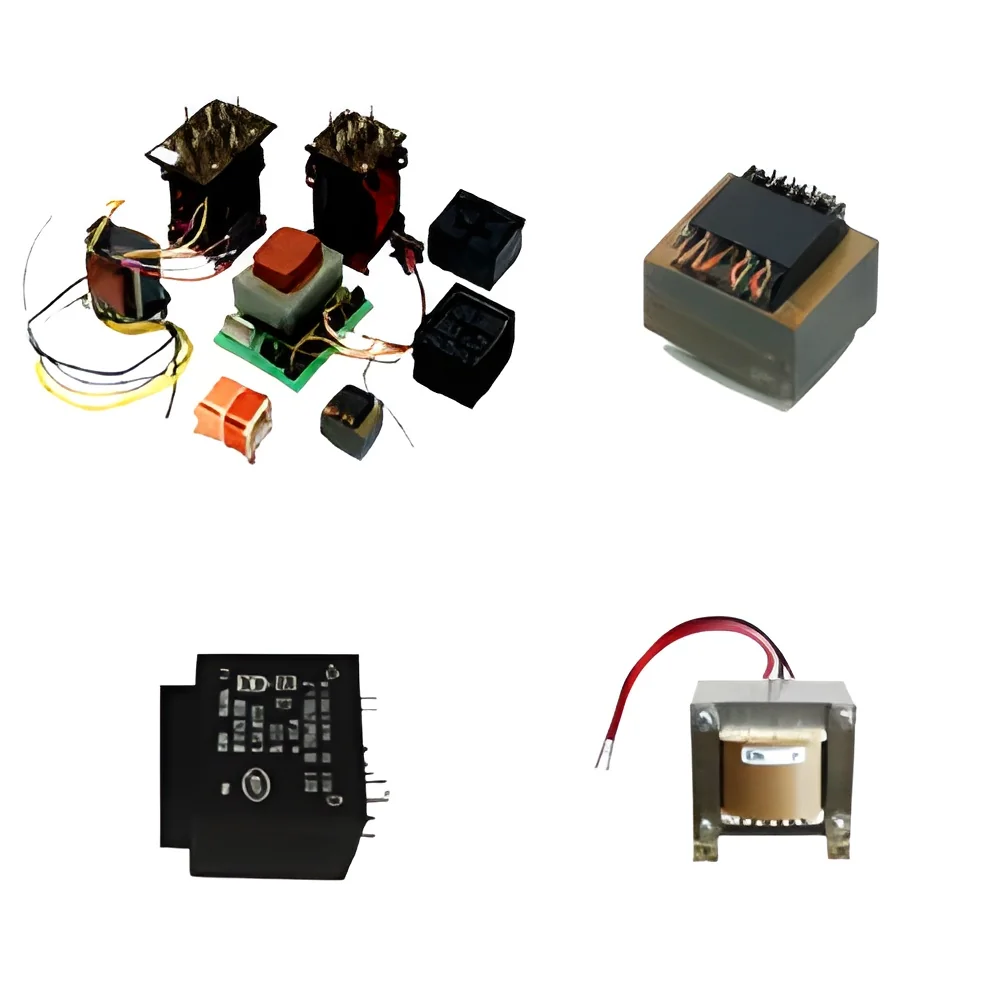
 India
India
 India
India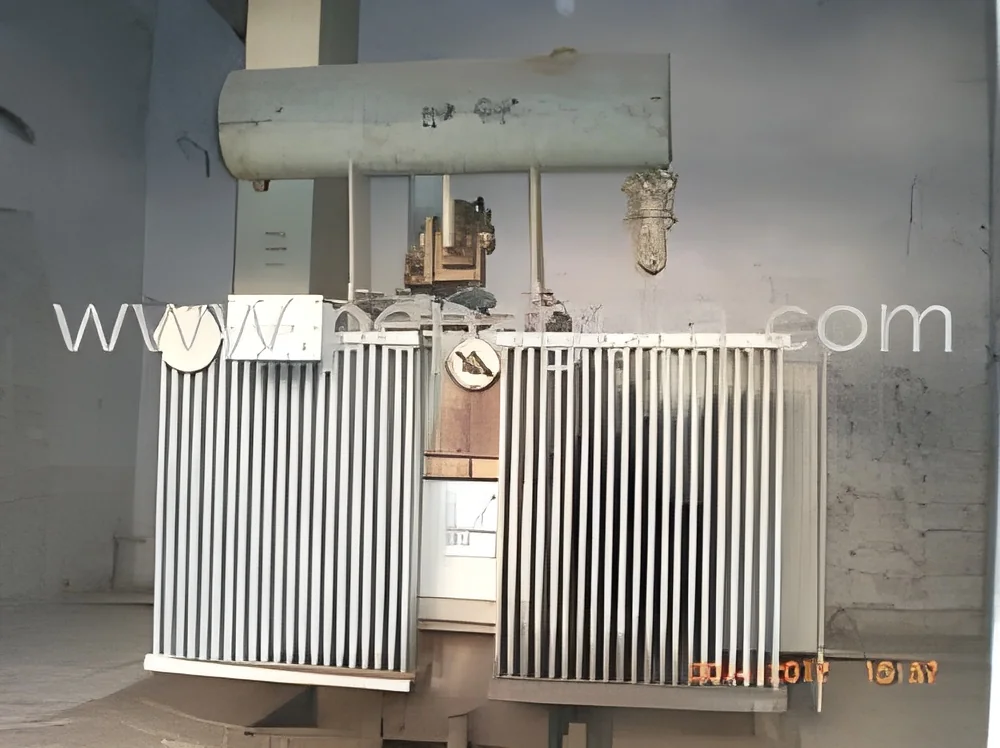
 India
India
 India
India
 India
India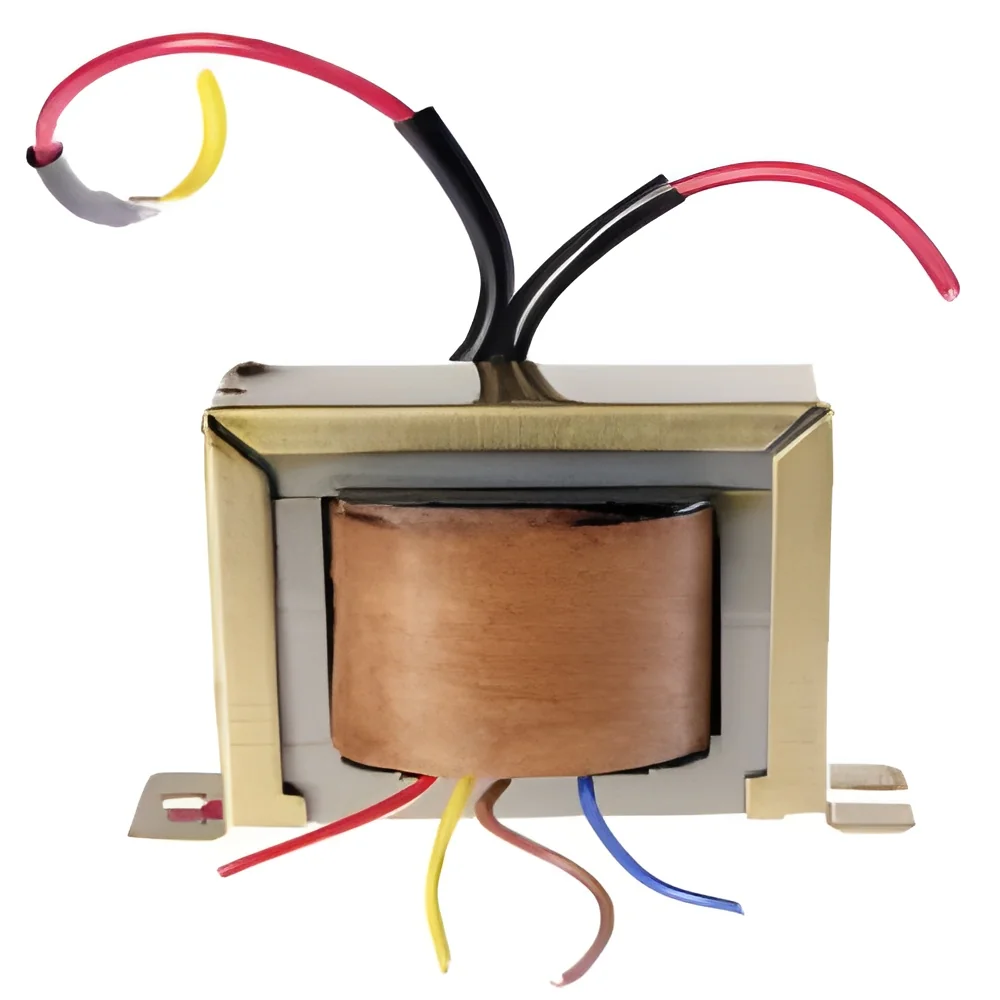 India
India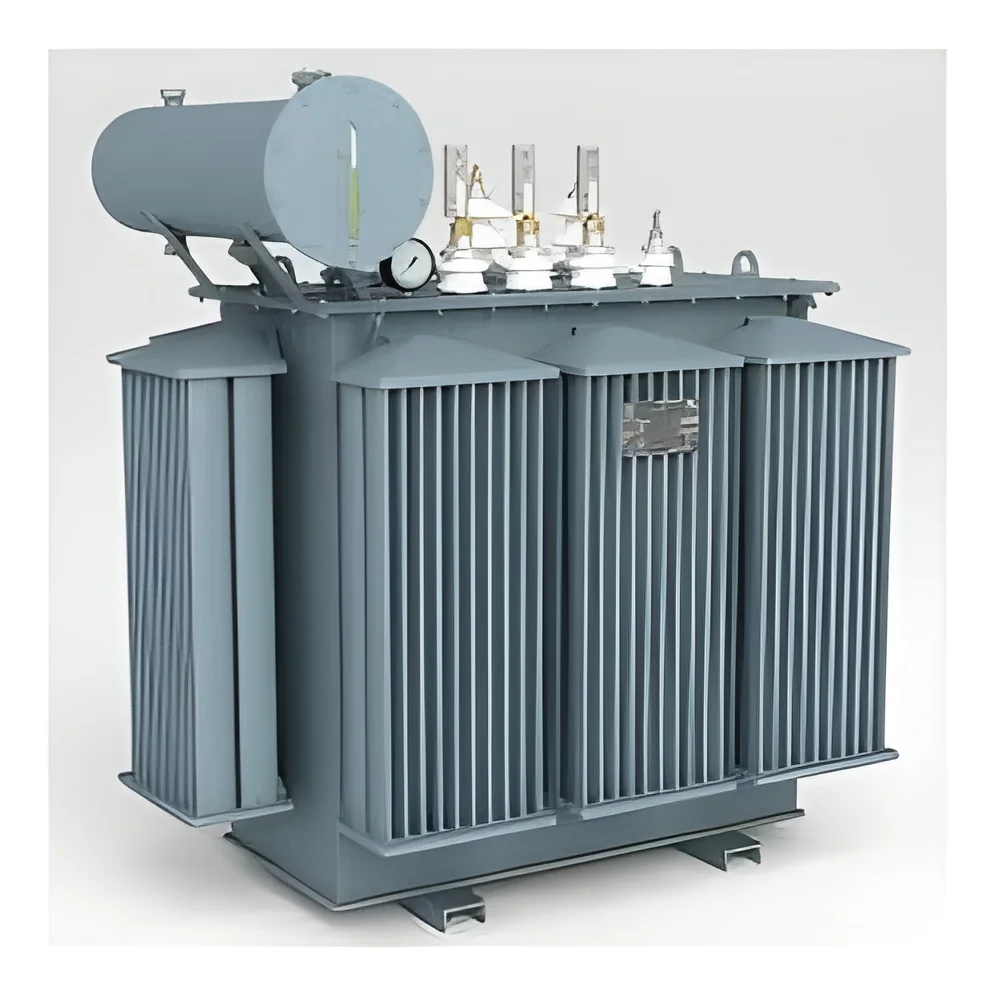
Frequently Asked Questions
What are Transformers (Power, Distribution)?
Transformers (Power, Distribution) are electrical devices that transfer electrical energy between two or more circuits through electromagnetic induction. They are primarily used to step up or step down voltage levels in power transmission and distribution systems, ensuring efficient energy delivery.
What are the different types of Transformers (Power, Distribution)?
The different types of Transformers (Power, Distribution) include power transformers, distribution transformers, isolation transformers, and autotransformers. Each type serves specific functions based on voltage levels, power capacity, and application requirements.
How do I choose the right Transformers (Power, Distribution)?
Choosing the right Transformers (Power, Distribution) depends on several factors including voltage requirements, load capacity, and application type. It is essential to assess the specific needs of your electrical system and consult with manufacturers or suppliers for expert guidance.
What are the standard specifications for Transformers (Power, Distribution)?
Standard specifications for Transformers (Power, Distribution) typically include parameters like power rating (kVA), voltage levels (primary and secondary), frequency (Hz), insulation class, and efficiency ratings. These specifications ensure compatibility with existing electrical systems and optimal performance.
What is the price range for Transformers (Power, Distribution)?
The price range for Transformers (Power, Distribution) can vary significantly based on factors such as type, capacity, and manufacturer. Generally, prices can range from a few thousand to several lakhs of Indian Rupees, depending on the specifications and quality.
What quality standards apply to Transformers (Power, Distribution)?
Transformers (Power, Distribution) must adhere to various quality standards such as IS (Indian Standards), IEC (International Electrotechnical Commission) standards, and ISO certifications. Compliance with these standards ensures reliability, safety, and efficiency in operation.
Where can I find Transformers (Power, Distribution) suppliers in India?
You can find Transformers (Power, Distribution) suppliers in India through online B2B marketplaces like Pepagora, industry trade shows, and manufacturer directories. Additionally, networking within industry forums and associations can help identify reputable suppliers.
Can Transformers (Power, Distribution) be customized?
Yes, Transformers (Power, Distribution) can often be customized based on specific requirements such as voltage ratings, power capacity, and physical dimensions. Many manufacturers offer customization options to meet unique application needs.
What is the typical minimum order quantity for Transformers (Power, Distribution)?
The typical minimum order quantity (MOQ) for Transformers (Power, Distribution) can vary by supplier but often starts from one unit for smaller manufacturers to bulk quantities for larger companies. It's best to consult with suppliers for their specific MOQ policies.
What is the typical lead time for Transformers (Power, Distribution)?
The typical lead time for Transformers (Power, Distribution) can range from a few weeks to several months, depending on the type, customization requirements, and manufacturer. It's advisable to confirm lead times with suppliers during the ordering process.
Why Businesses Trust Pepagora
Thousands of companies trust Pepagora to source smarter and sell faster
Expand Your Sales Globally

Source Smarter,Grow Faster
