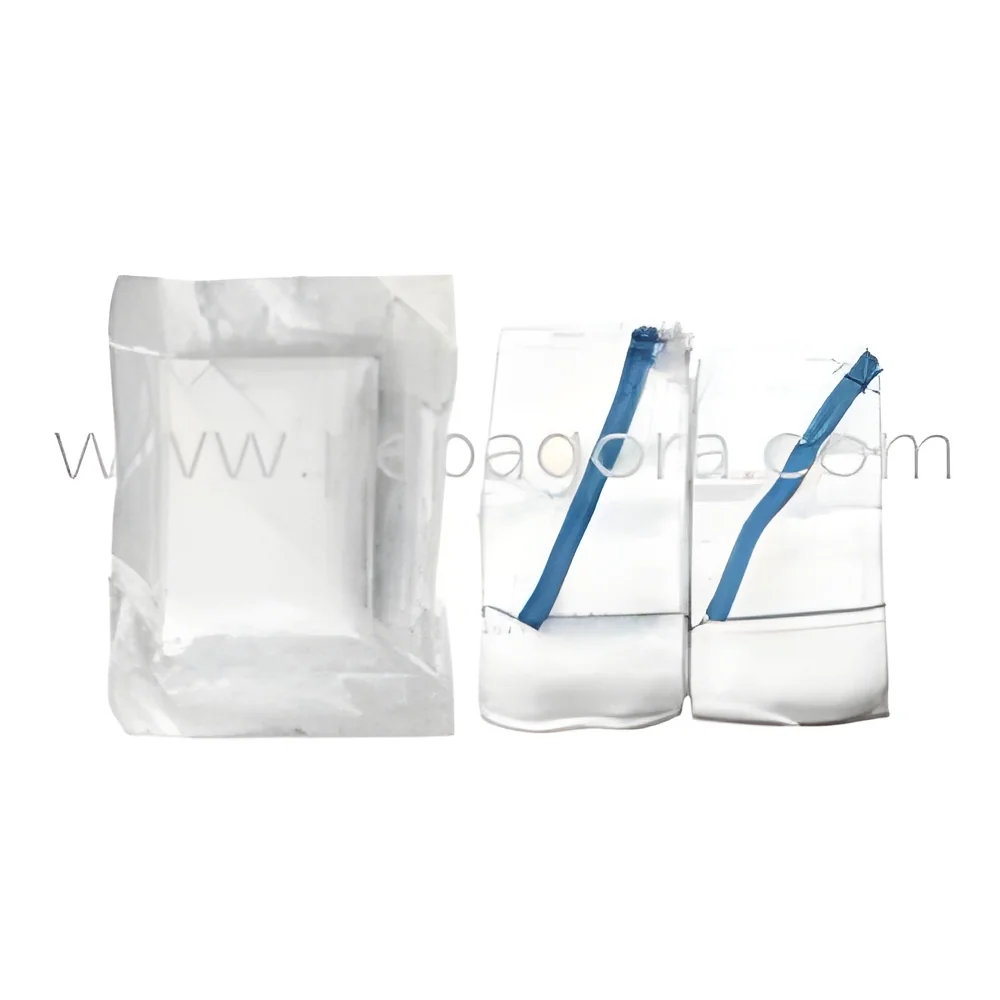
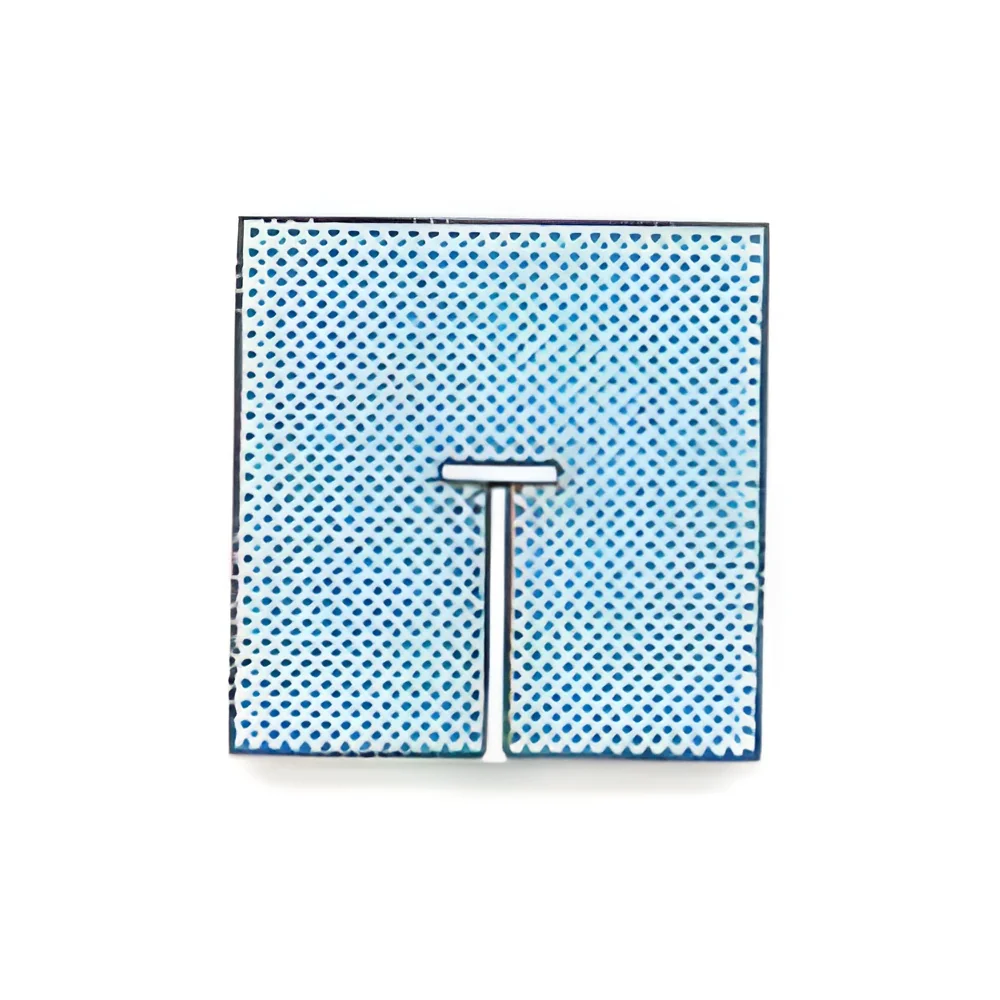
What are Sterile Dressings & Pads?
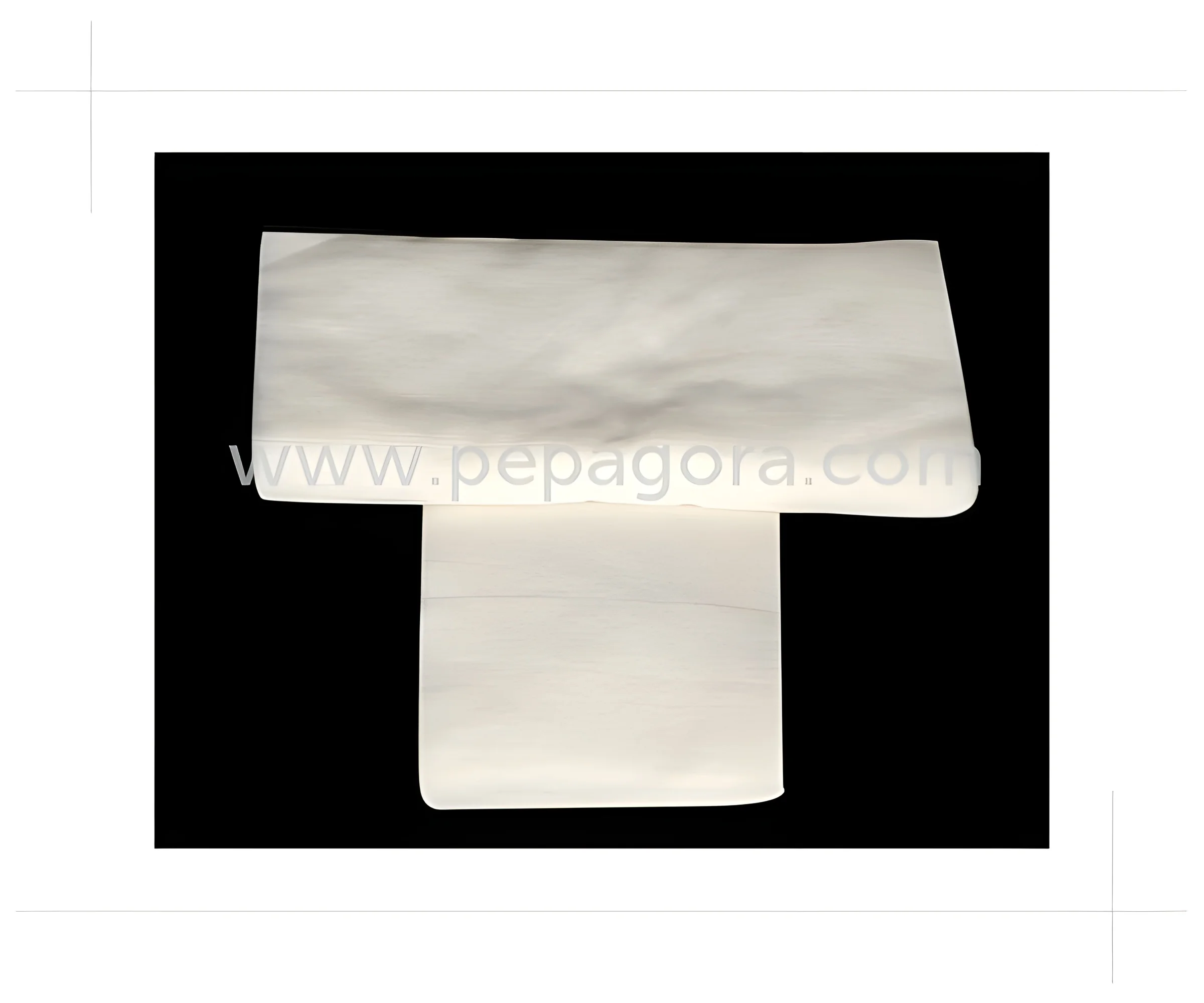
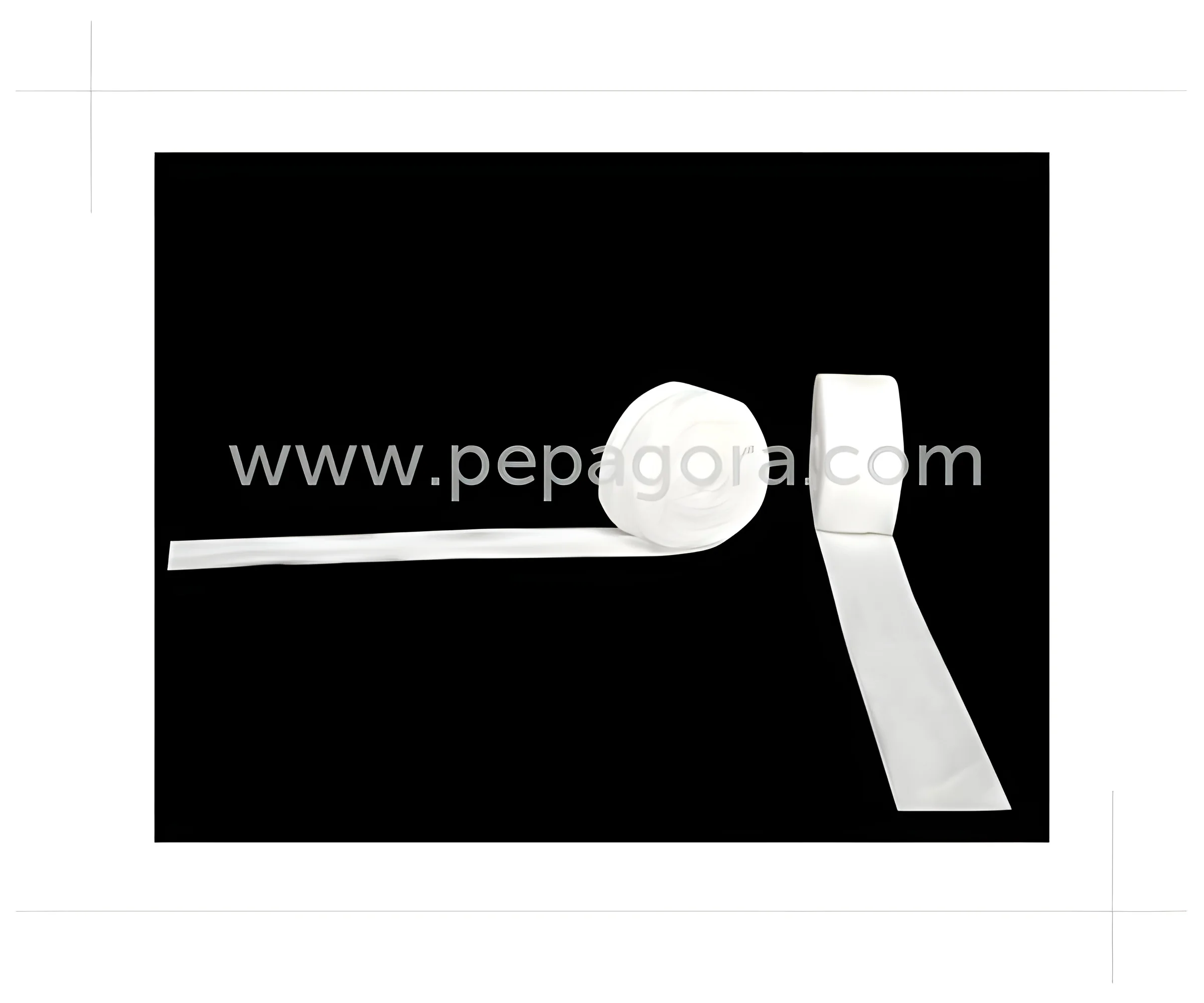
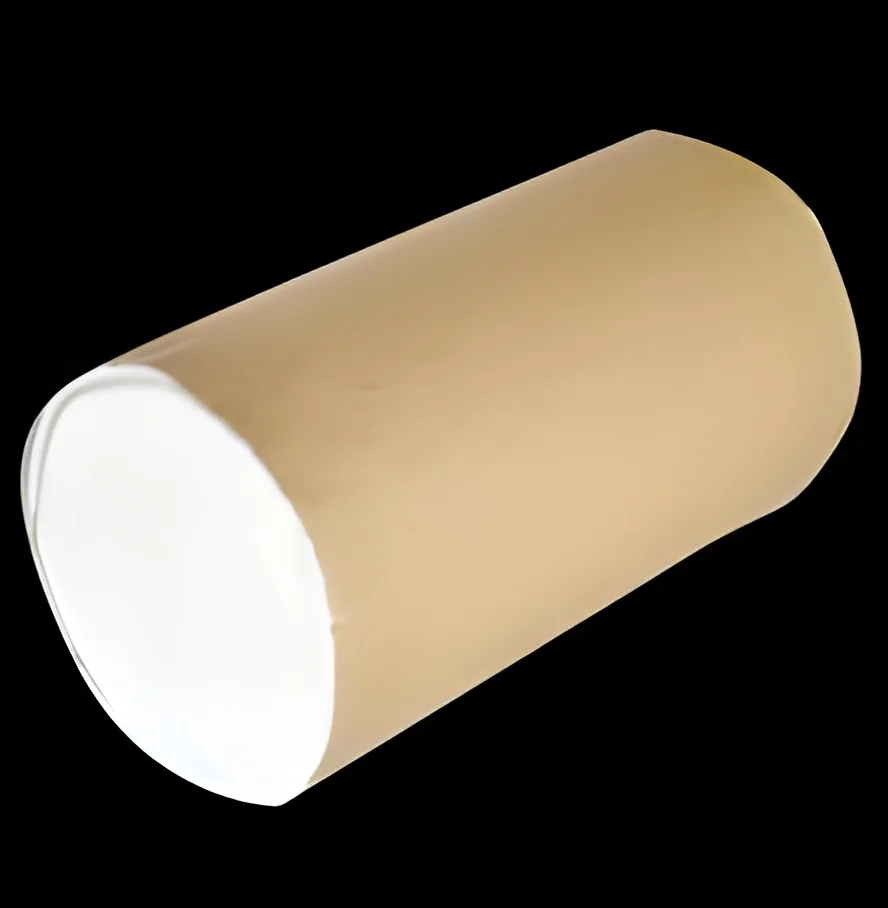
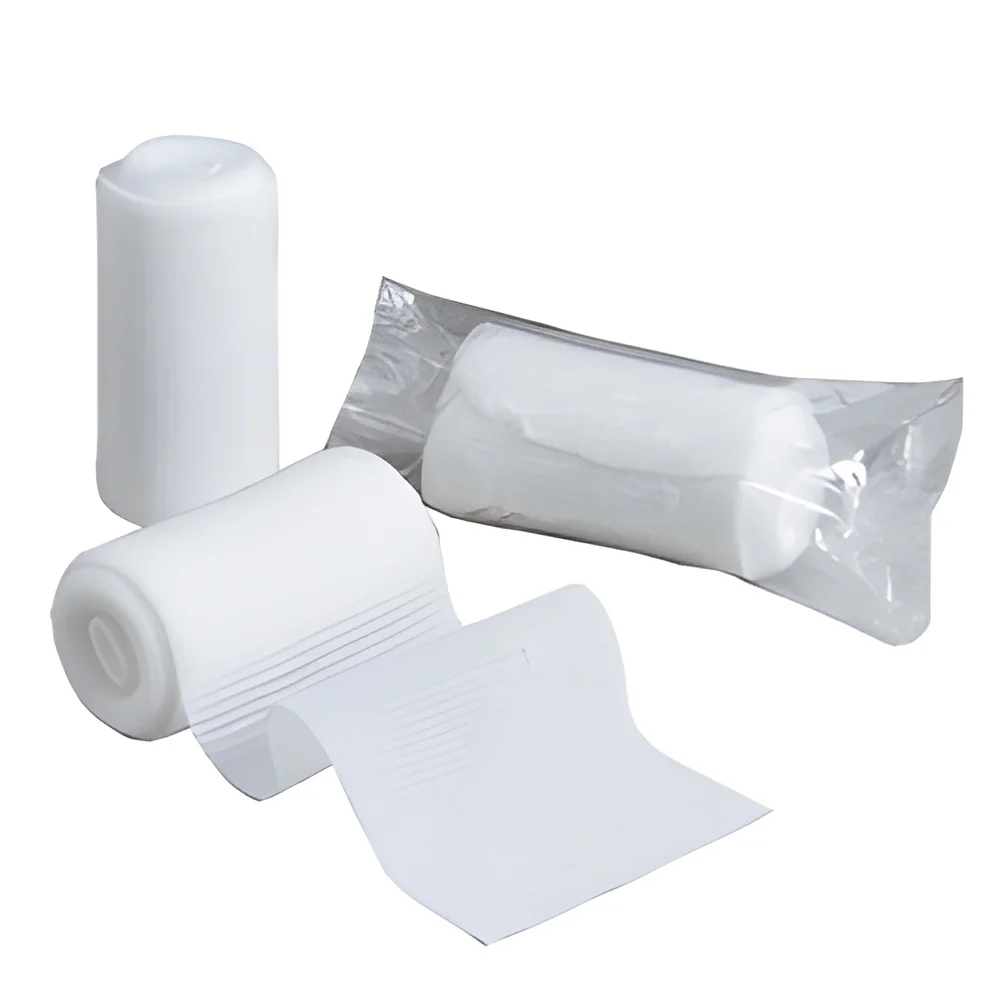
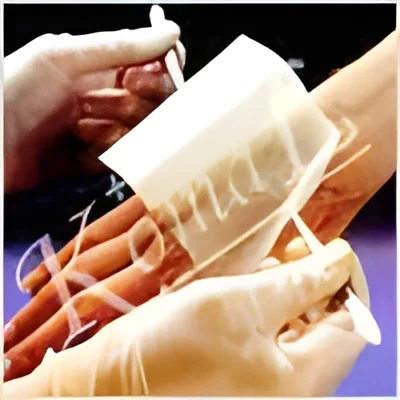
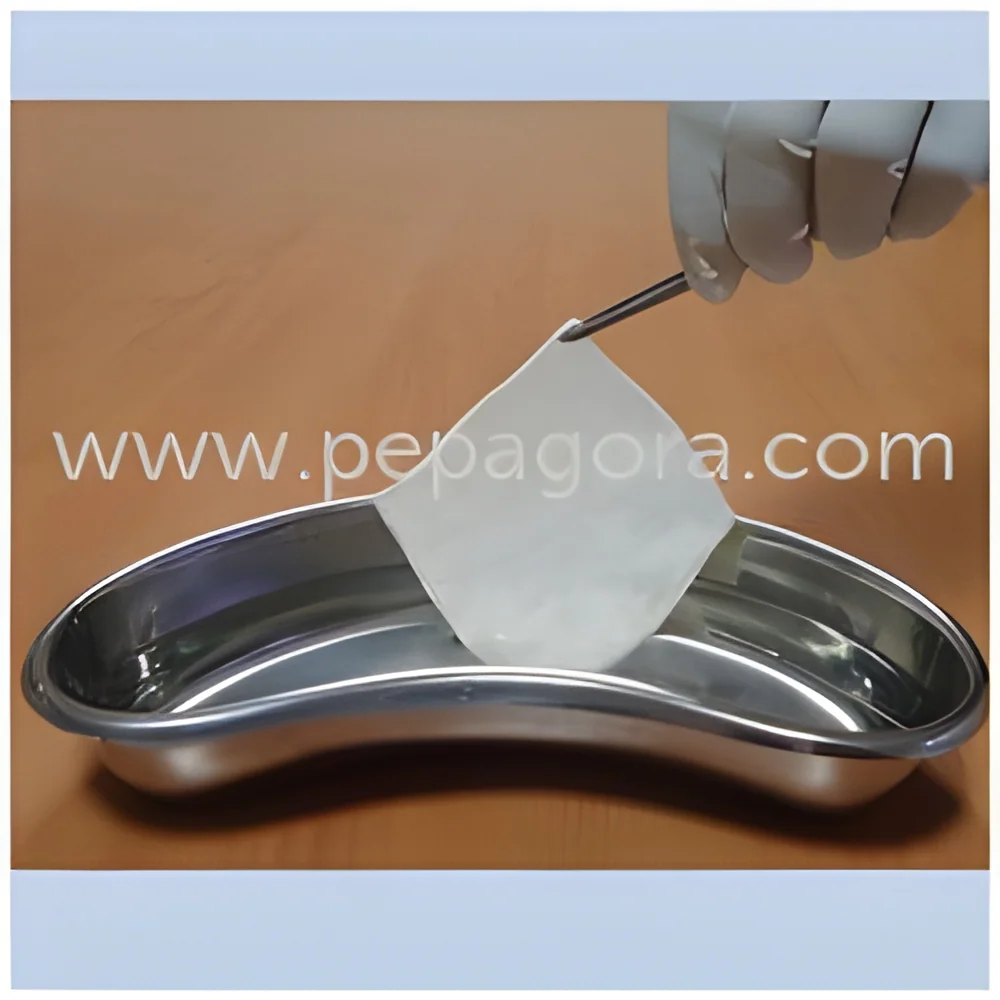
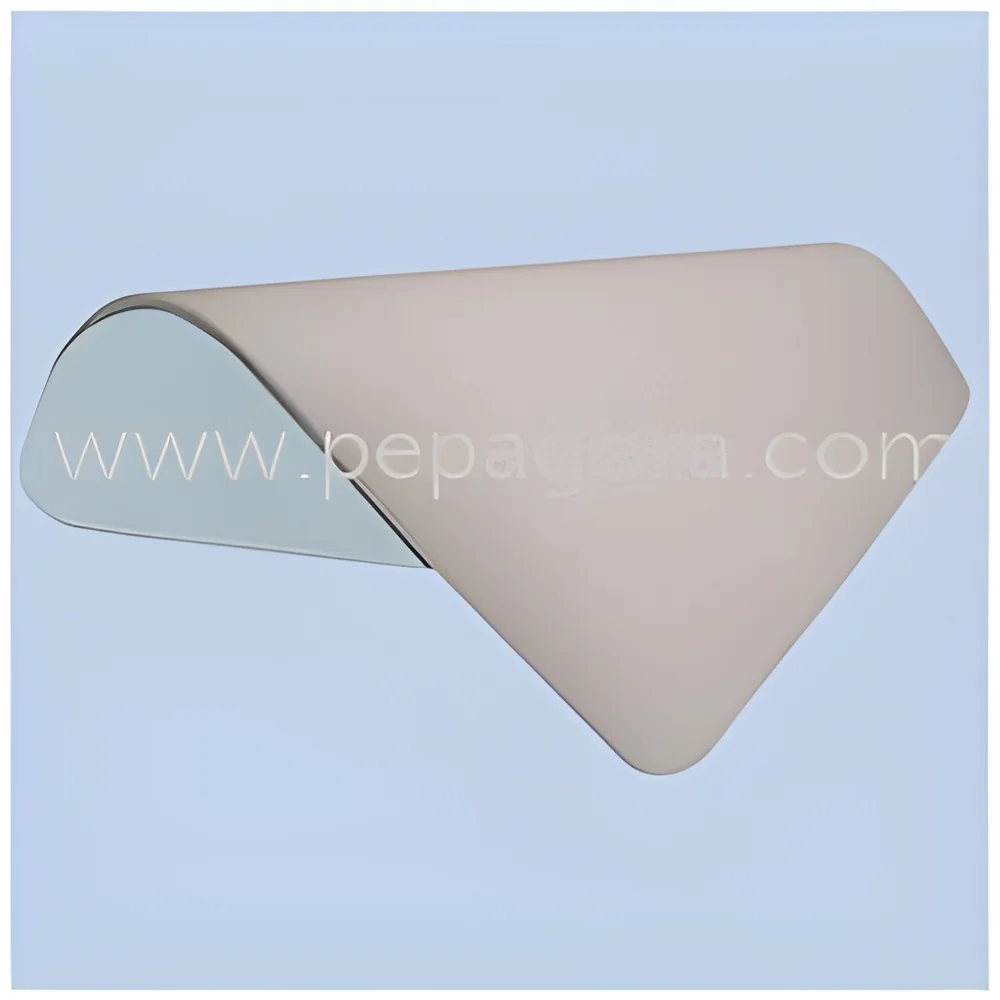
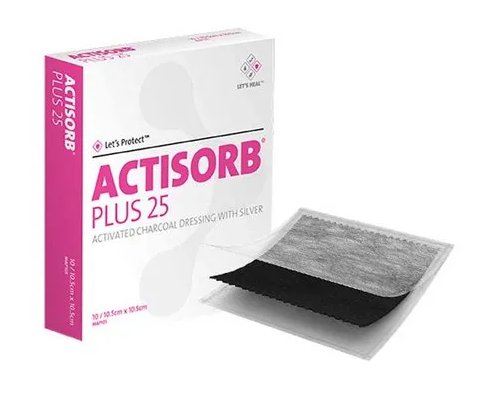
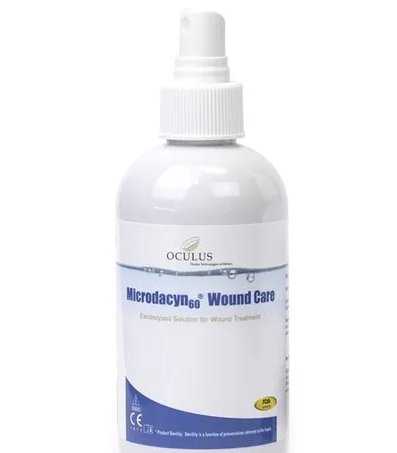
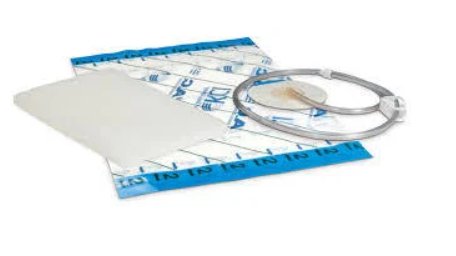
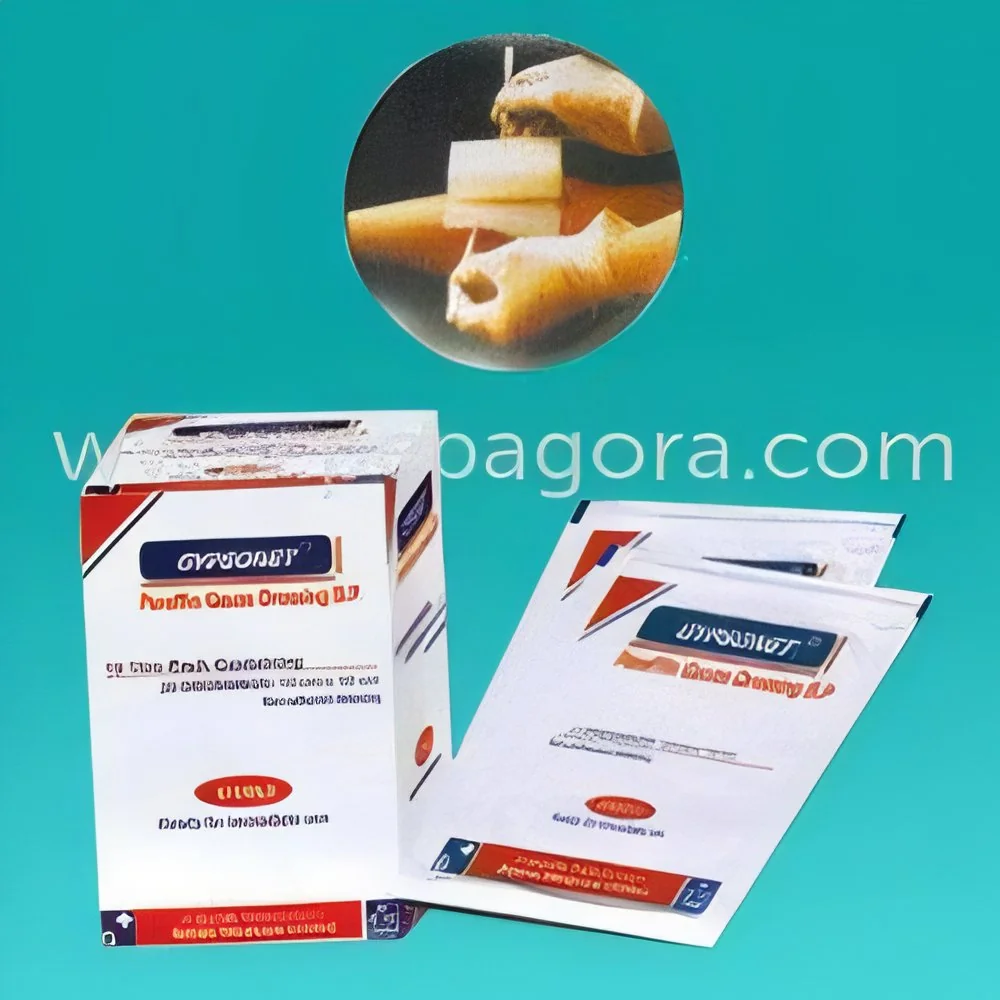
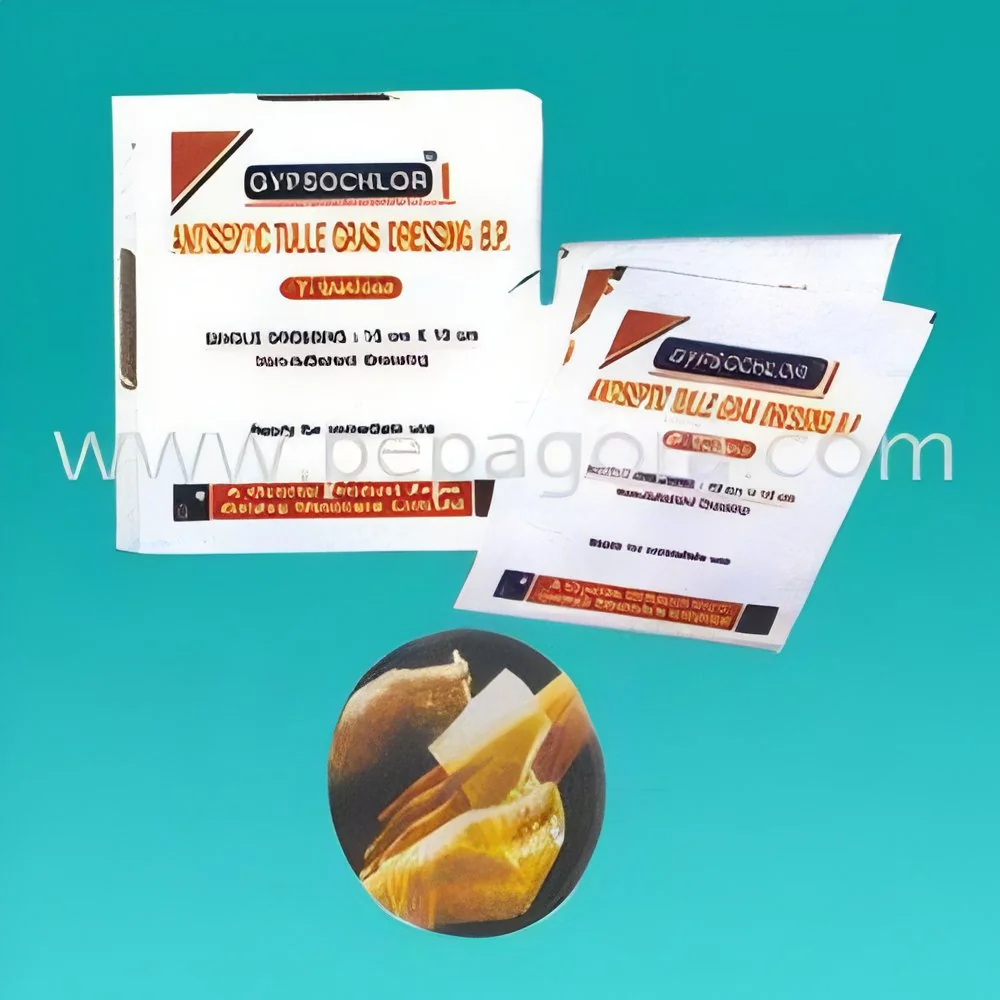
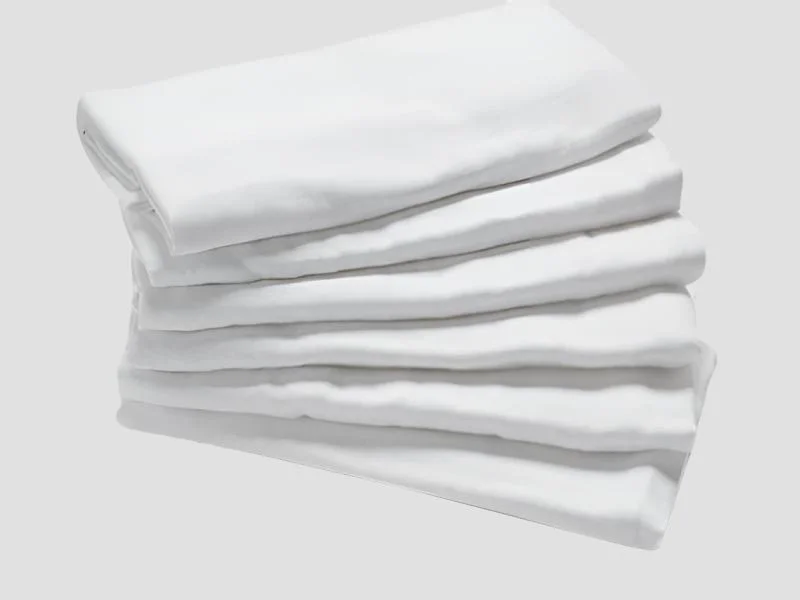
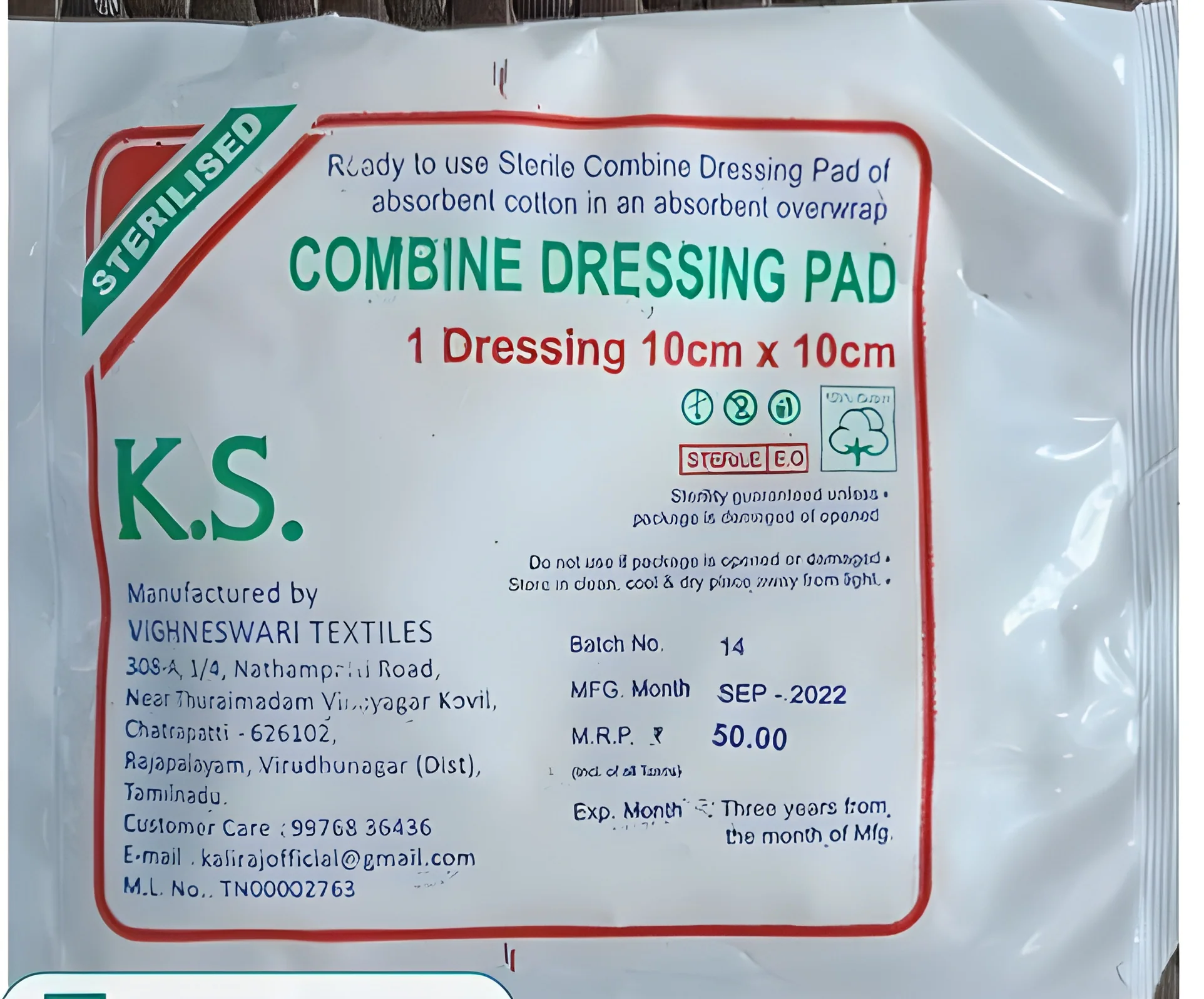
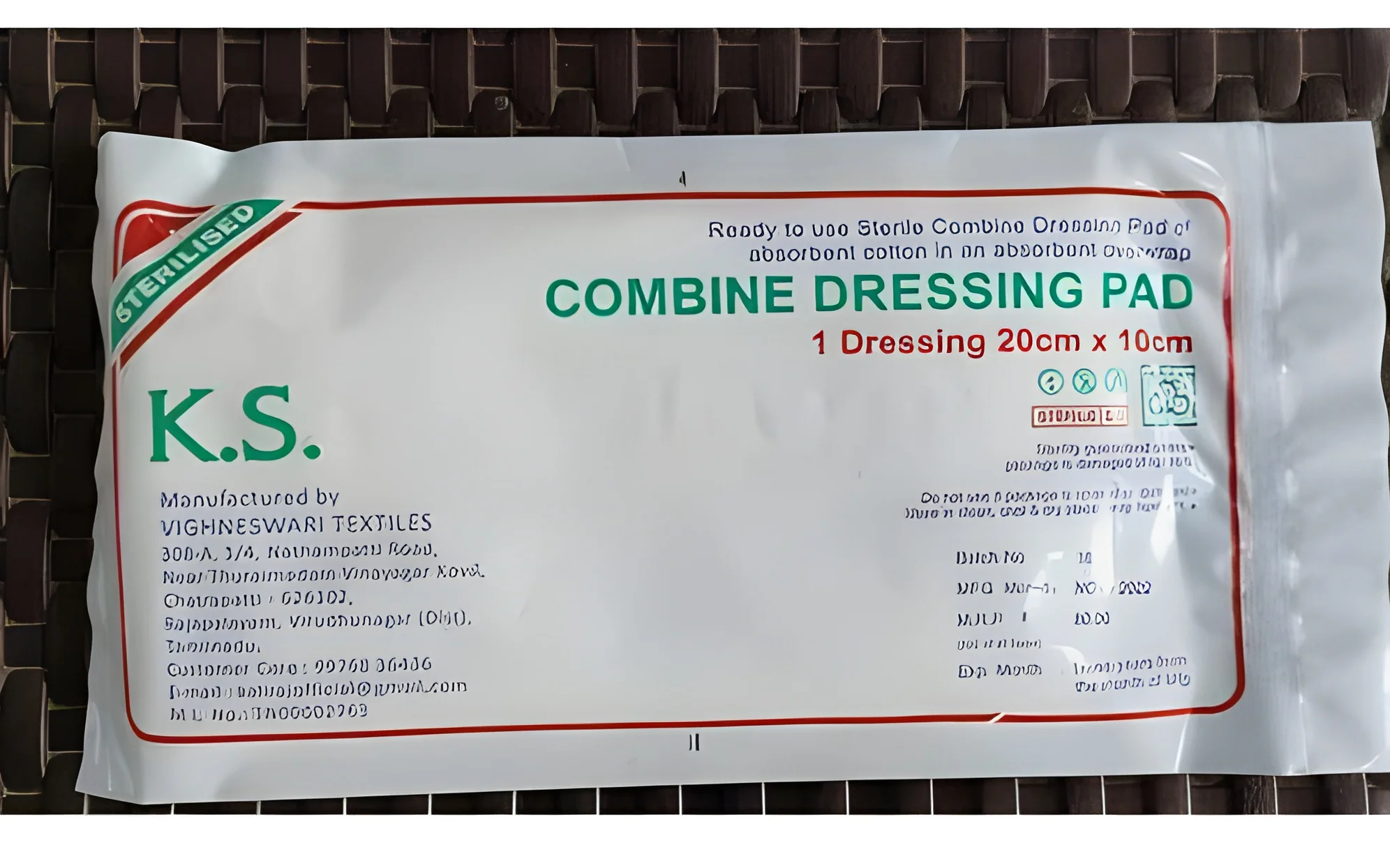
Sterile dressings and pads are medical supplies designed to cover and protect wounds, preventing contamination and promoting healing. These products are manufactured under strict cleanliness standards to ensure they are free from bacteria and other pathogens. Typically used in hospitals, clinics, and home care settings, sterile dressings and pads play a critical role in patient care by facilitating recovery and reducing the risk of infection.
Their primary uses span a wide range of applications, including post-surgical care, wound management, and first aid. Businesses involved in healthcare, such as hospitals, outpatient facilities, and home health agencies, frequently utilize these products. The need for sterile dressings and pads is particularly high in environments where infection control is paramount. As healthcare regulations become more stringent, the demand for high-quality sterile dressings and pads continues to grow, making them a vital component of the medical supply market.
Key Features and Specifications
Sterile dressings and pads come with various features that cater to diverse medical needs. These specifications are essential for ensuring the effectiveness and safety of the products.
Key specifications include:
1. Material Composition
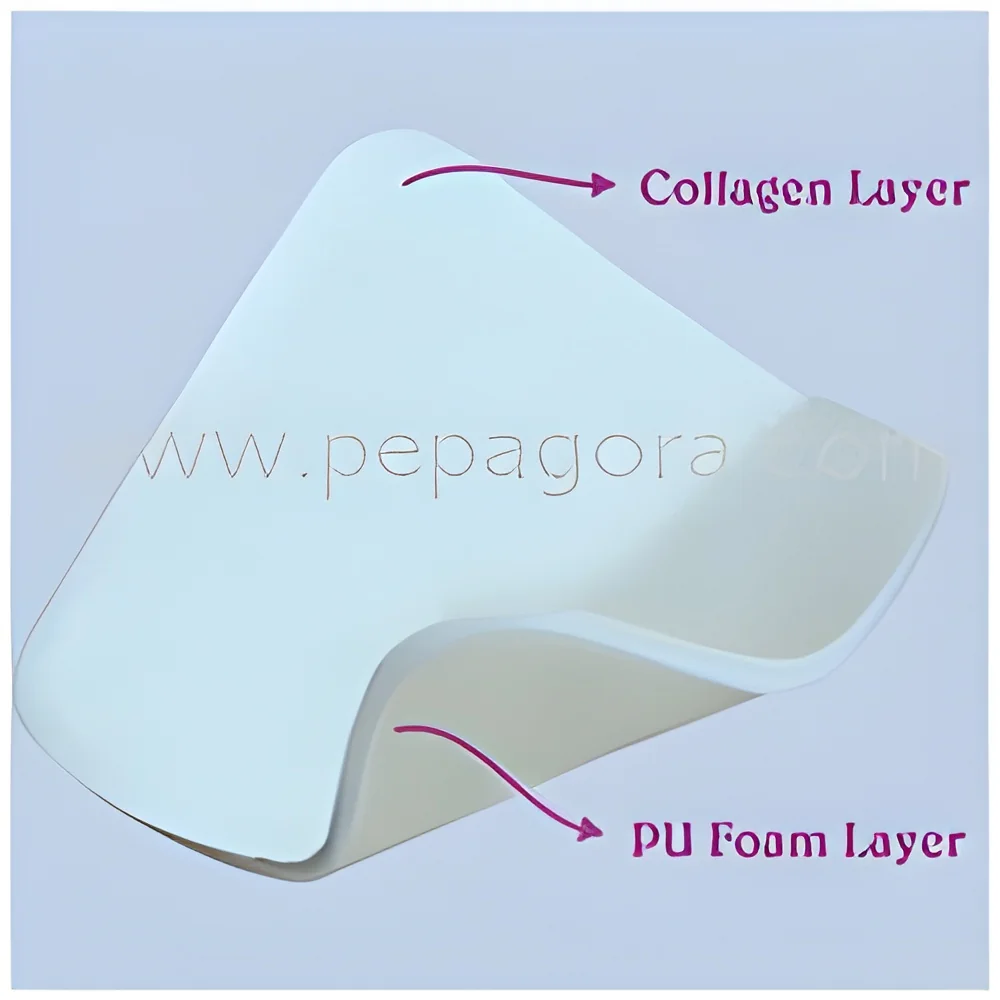
- Typically made from non-woven fabrics, gels, or foams
- Ensures breathability and moisture management
2. Sterilization Method
- Commonly sterilized using ethylene oxide or gamma radiation
- Guarantees the absence of viable microorganisms
3. Adhesive Properties
- Some dressings feature hypoallergenic adhesives
- Designed to minimize skin irritation while ensuring secure placement
4. Absorbency Level
- Varies from low to high absorbency based on wound severity
- Helps manage exudate effectively
5. Size Options
- Available in various dimensions to accommodate different wound types
- Common sizes include 2x2 inches, 4x4 inches, and larger formats
6. Shelf Life
- Typically ranges from 2 to 5 years when stored properly
- Ensures availability for emergency and routine use
7. Compatibility
- Some products are compatible with negative pressure wound therapy
- Enhances healing in complex wound cases
8. CE Certification
- Compliance with European safety and performance standards
- Provides assurance of quality and reliability
In summary, understanding the features and specifications of sterile dressings and pads is crucial for healthcare providers to select the most appropriate products for their specific applications.
Common Applications and Use Cases
Sterile dressings and pads are versatile products used across numerous industries.
1. Healthcare: Used extensively in hospitals and clinics for post-operative care, wound management, and dressing changes to minimize infection risks.
2. Home Health Care: Ideal for patients requiring ongoing care at home, providing necessary protection for wounds under various conditions.
3. Emergency Services: Essential for first responders to treat injuries in the field, ensuring immediate and effective wound care.
4. Sports Medicine: Utilized to manage injuries in athletes, helping to protect and promote healing of cuts, abrasions, and other wounds.
5. Veterinary Care: Applied in animal hospitals and clinics for the treatment of wounds in pets and livestock, ensuring proper healing.
6. Industrial Settings: Used in workplaces with potential for injuries, such as manufacturing or construction sites, to provide immediate protection for wounds.
7. Education and Training: Incorporated into training programs for medical students and professionals to practice wound care techniques.
Product Variants and Subcategories
Sterile dressings and pads are available in various forms to meet different medical needs.
Hydrocolloid Dressings
These dressings provide a moist environment that promotes healing while managing exudate. They are ideal for low to moderate exuding wounds and can stay in place for several days.
Foam Dressings
Foam dressings are highly absorbent and provide cushioning to the wound area. They are suitable for moderate to high exuding wounds and help maintain a moist healing environment.
Adhesive Pads
These are easy to apply and remove, making them convenient for quick wound care. They are typically used for minor cuts and abrasions and offer a protective barrier against contaminants.
Benefits and Advantages
Choosing sterile dressings and pads offers several key benefits for healthcare providers.
1. Infection Control: The sterile nature of these products reduces the risk of infections in wounds, which is crucial for patient safety.
2. Enhanced Healing: These dressings help maintain an optimal healing environment, promoting faster recovery times.
3. Versatility: Available in various sizes and types, they can be used for a wide range of wound types and patient needs.
4. Ease of Use: Many sterile dressings feature user-friendly designs, allowing for quick application and removal.
5. Cost-Effectiveness: Investing in high-quality sterile dressings can lead to fewer complications and reduced healthcare costs in the long run.
6. Regulatory Compliance: Many products are certified to meet industry standards, ensuring reliability and safety for patients.
Buying Guide for B2B Buyers
When sourcing sterile dressings and pads, several factors should be considered to ensure the right choice.
1. Quality Assessment: Look for products that meet established quality standards to ensure they will perform effectively in clinical settings.
2. Supplier Verification: Vet potential suppliers thoroughly to confirm their reliability and adherence to industry regulations.
3. Pricing and MOQ: Consider the cost per unit and minimum order quantities, balancing budget constraints with quality needs.
4. Delivery and Lead Times: Evaluate the logistics of suppliers to ensure timely delivery of products, especially in urgent situations.
5. Compliance Requirements: Ensure that the products meet necessary regulatory standards and certifications relevant to your market.
Compliance and Certifications
Adhering to quality standards is critical when dealing with sterile dressings and pads. Key standards include ISO 9001, which ensures a quality management system that enhances customer satisfaction, and HACCP, which focuses on food safety and hygiene practices.
Industry certifications like CE indicate that products conform to European safety, health, and environmental protection standards. These certifications are essential for gaining trust in the marketplace.
Additionally, safety and testing requirements ensure that products are free from harmful substances and meet performance expectations. Regional compliance considerations may vary, requiring awareness of local regulations governing medical supplies.
Why Source Sterile Dressings & Pads from Pepagora?
Pepagora offers a trusted platform for sourcing sterile dressings and pads, providing several significant advantages to buyers.
Verified Supplier Network: Pepagora ensures that suppliers are vetted for their reliability and quality, giving buyers confidence in their sourcing decisions.
Streamlined RFQ Process: The request for quotation system makes it easy for buyers to obtain competitive pricing and terms, simplifying the procurement process.
Trade Assurance and Support: Buyers benefit from protection measures that safeguard their purchases, ensuring they receive the products as described.
Regional Coverage: With a strong presence in markets like India, GCC, and Southeast Asia, Pepagora provides a wide geographic reach, making sourcing easier and more efficient for businesses across various regions.

 IN
IN
 India
India