What are Alcohol Swabs & Hand Sanitizers?
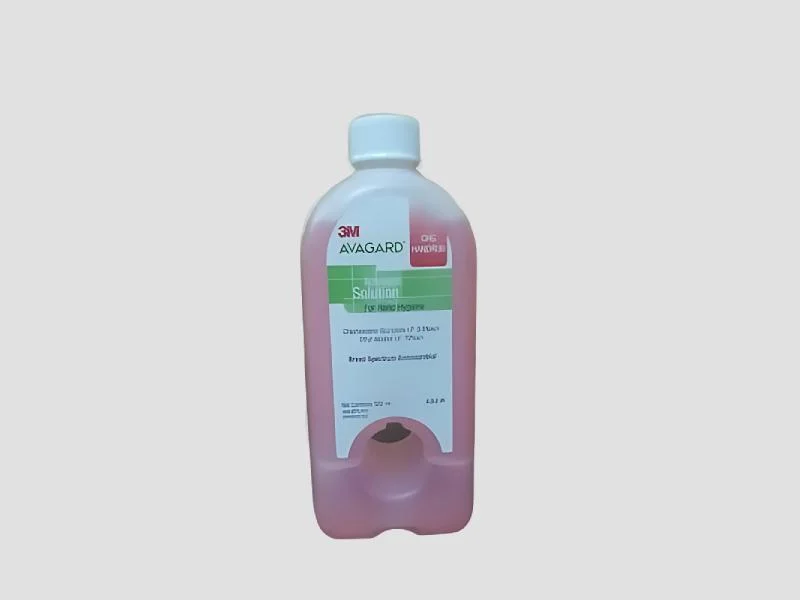
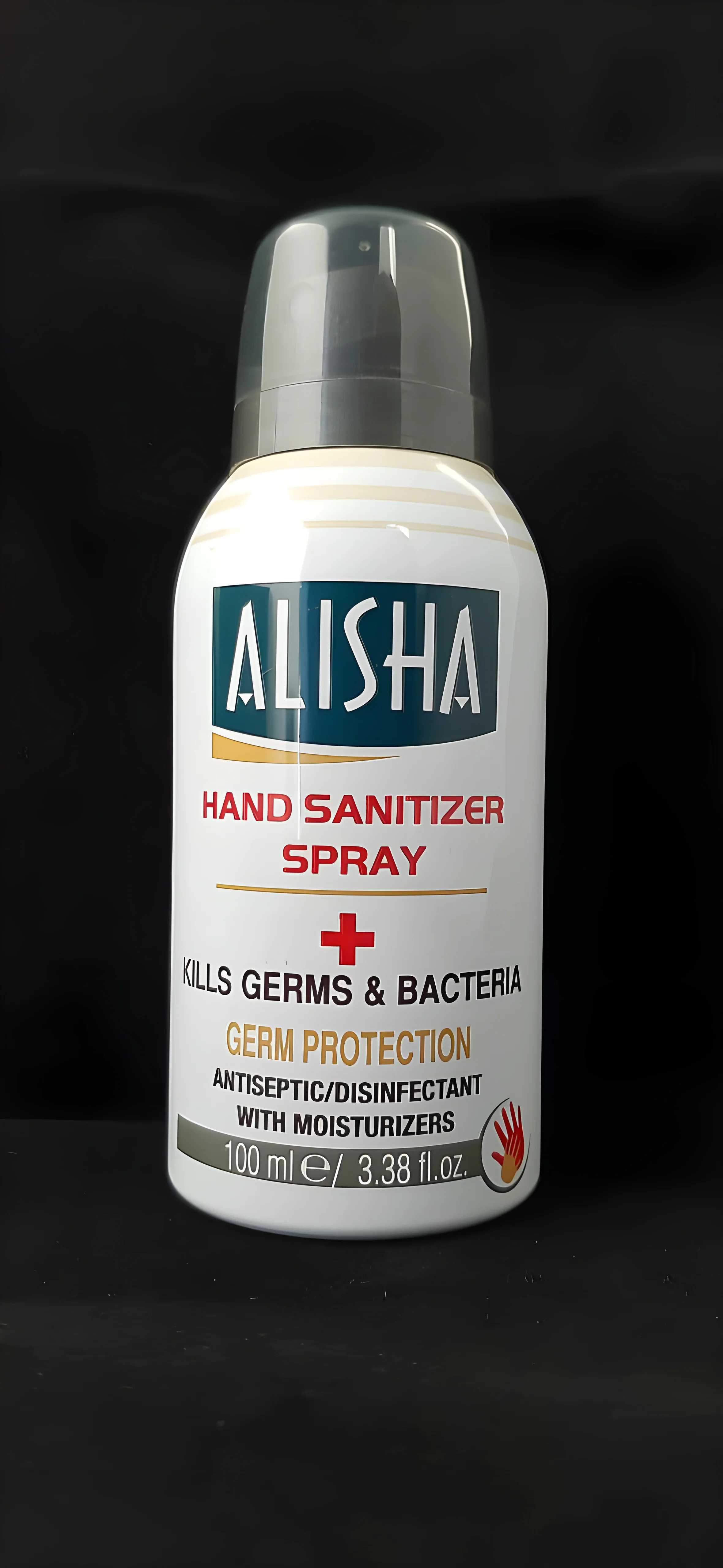
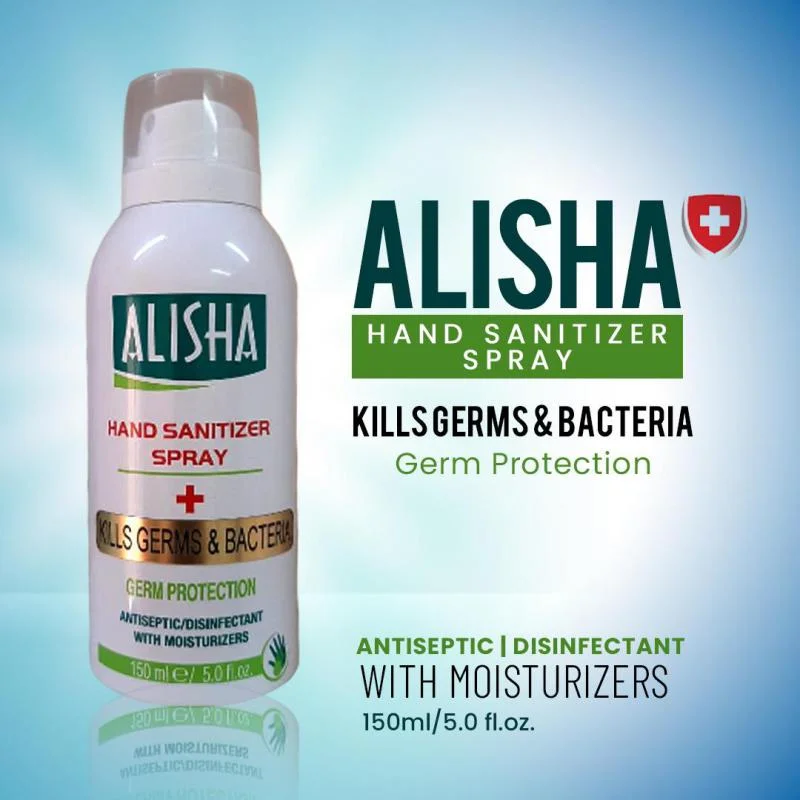
Alcohol swabs and hand sanitizers are antiseptic products designed to clean and disinfect surfaces and skin. Alcohol swabs are typically small, single-use pads soaked in isopropyl alcohol or ethanol, making them effective for sanitizing skin before injections or minor procedures. Hand sanitizers, on the other hand, are liquid or gel formulations containing alcohol, which help eliminate pathogens when soap and water are unavailable.
These products are crucial in various settings, including healthcare facilities, laboratories, and food processing environments. Their primary function is to reduce the risk of infection and contamination by effectively killing bacteria and viruses. In a business context, they are especially important for maintaining hygiene standards and ensuring the safety of employees and customers alike. The demand for these products has increased significantly in recent years due to heightened awareness of hygiene and infection control.
Alcohol swabs and hand sanitizers are relevant across multiple industries, including healthcare, hospitality, and manufacturing. As businesses adapt to new health regulations, the market for such disinfecting products has expanded, emphasizing their importance in promoting a safe and sanitary environment.
Key Features and Specifications
Alcohol swabs and hand sanitizers come with several key features that cater to different applications. Understanding these specifications is essential for businesses when selecting the right product for their needs.
Key specifications include:
1. Alcohol Content
- Alcohol swabs typically contain 70% isopropyl alcohol or ethanol.
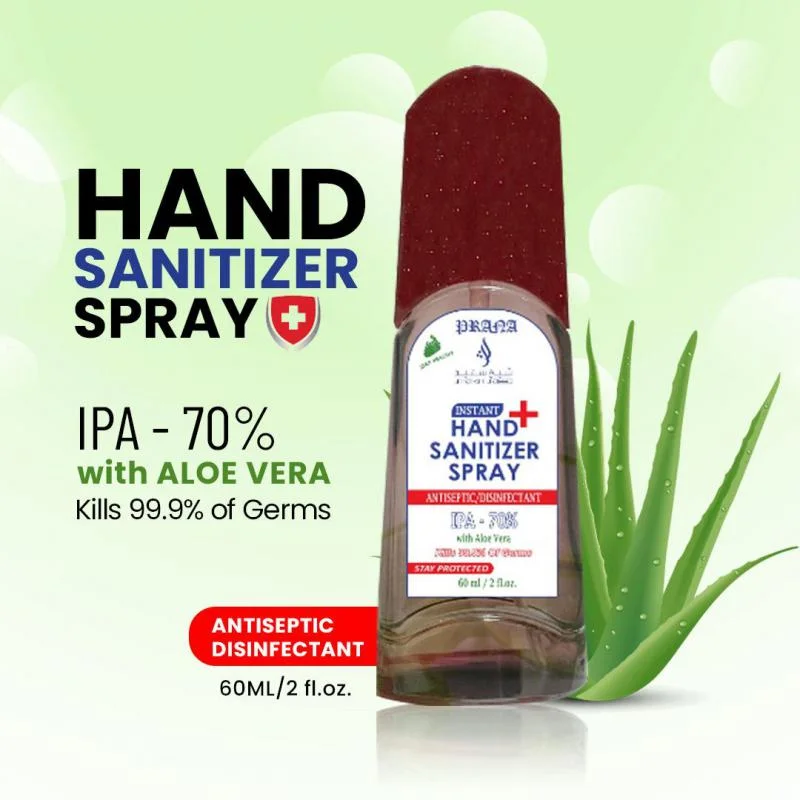
- Hand sanitizers may range from 60% to 95% alcohol content.
2. Packaging Type
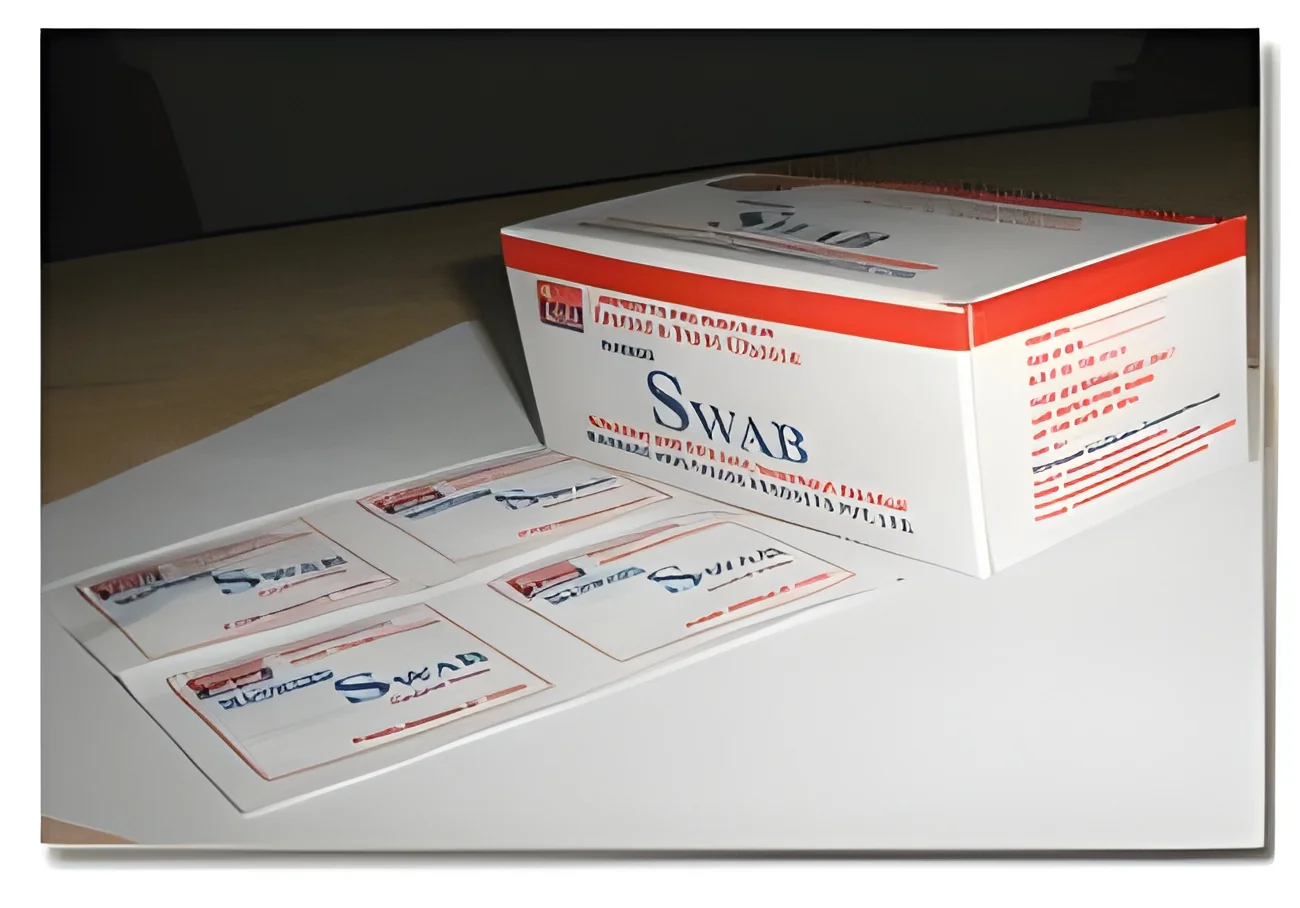
- Alcohol swabs are often packaged in individual sachets or bulk dispensers.
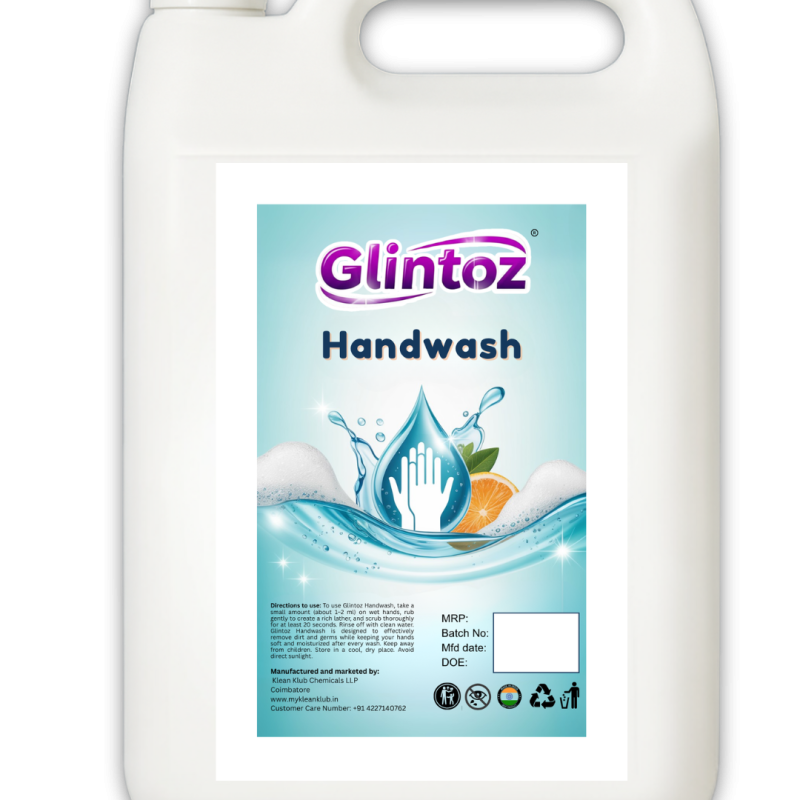
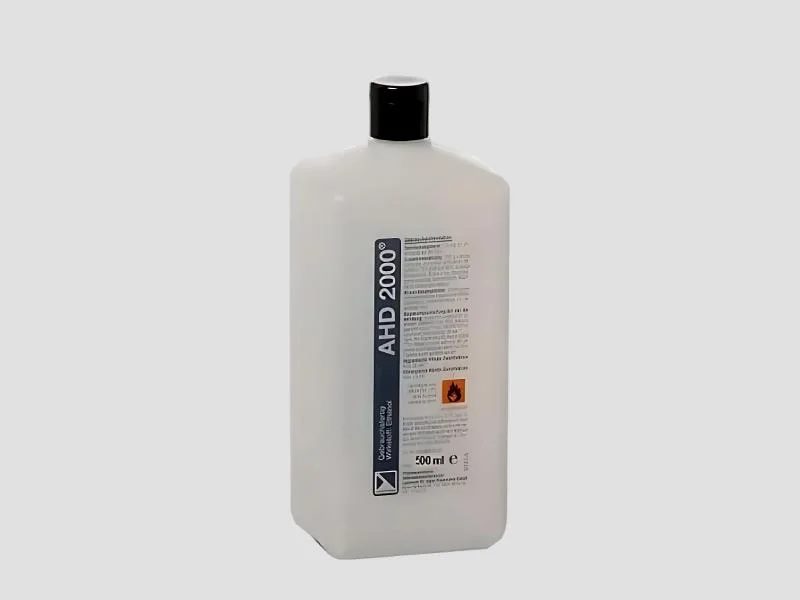
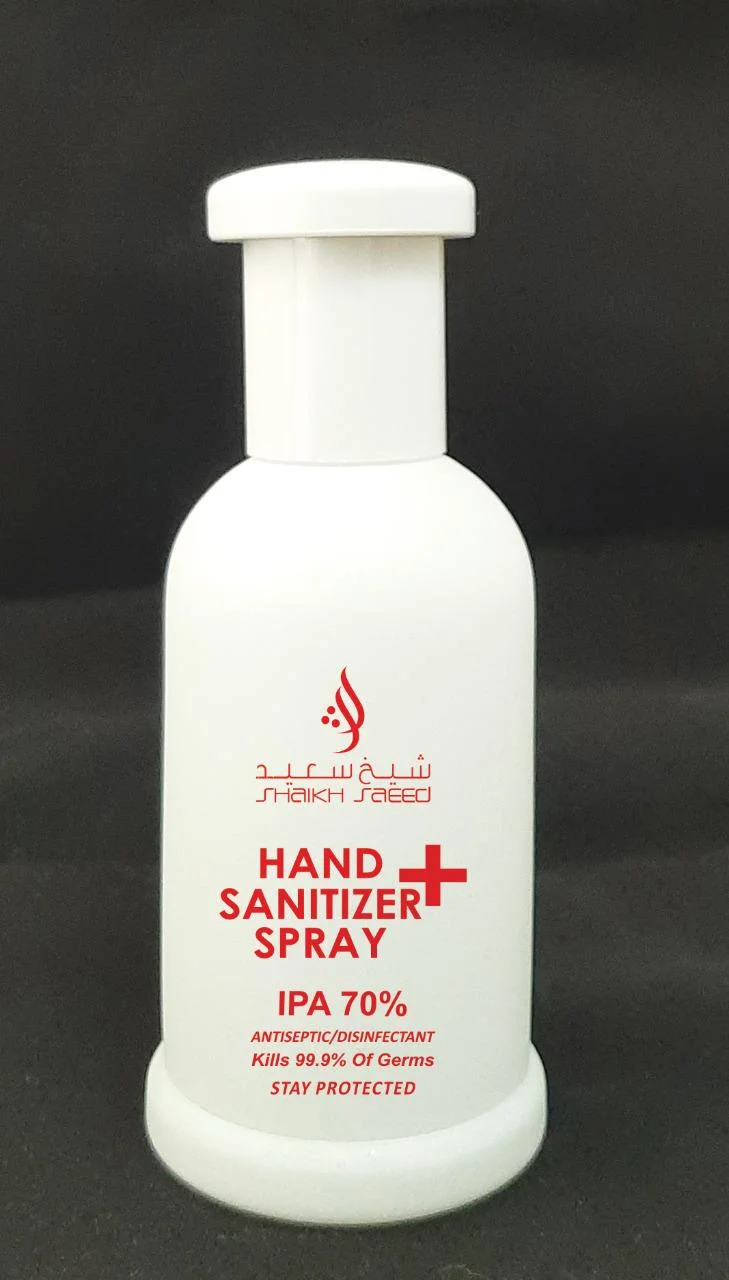
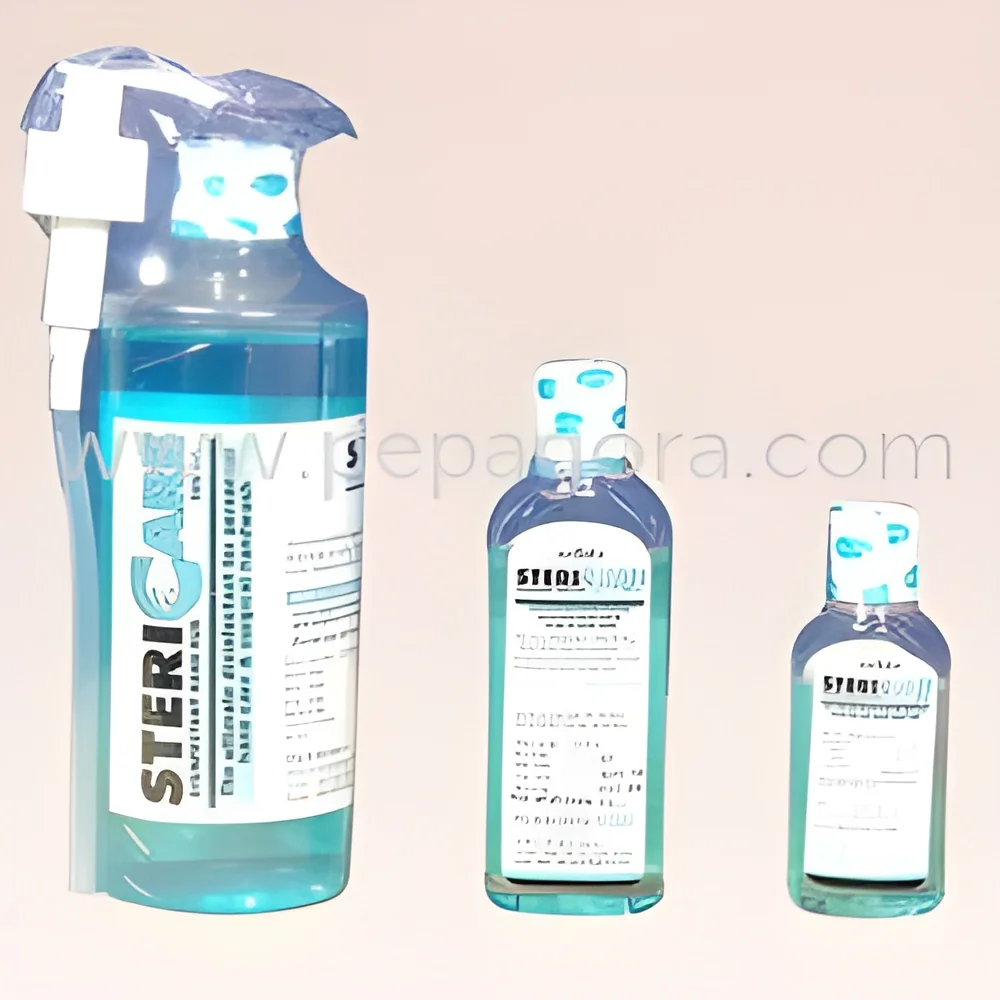
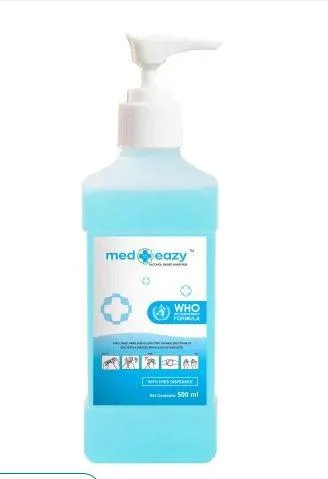
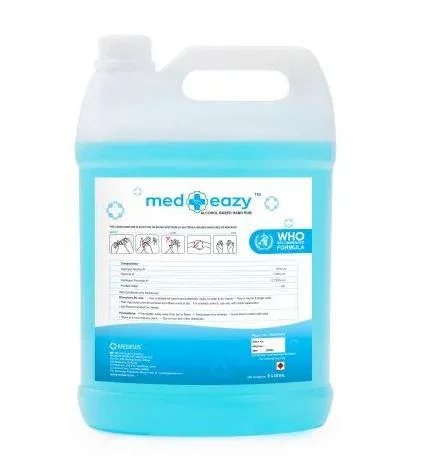
- Hand sanitizers may be available in bottles, pumps, or bulk containers.
3. Application Method
- Alcohol swabs are for single-use and ideal for spot cleaning.
- Hand sanitizers can be dispensed onto hands for thorough cleaning.
4. Drying Time
- Alcohol swabs dry quickly upon use.
- Hand sanitizers generally take around 20-30 seconds to dry.
5. Skin Compatibility
- Many products are formulated to be gentle on the skin to prevent irritation.
- Some hand sanitizers include moisturizers to prevent dryness.
6. Shelf Life
- Alcohol swabs usually have a shelf life of around 2-3 years.
- Hand sanitizers can have a similar shelf life, depending on formulation.
7. Certifications
- Products often meet industry standards and certifications, such as CE marking.
8. Size Options
- Alcohol swabs are available in various sizes, while hand sanitizers come in small travel sizes to larger containers for bulk use.
These features ensure that businesses can choose the right products based on their specific requirements and usage scenarios.
Common Applications and Use Cases
Alcohol swabs and hand sanitizers find applications across numerous industries.
1. Healthcare: In hospitals and clinics, alcohol swabs are essential for disinfecting skin before injections. Hand sanitizers are crucial for maintaining hygiene among healthcare workers and patients.
2. Food Service: Restaurants and catering services use hand sanitizers to ensure that staff maintain cleanliness before handling food, minimizing the risk of contamination.
3. Manufacturing: In factories, alcohol swabs are utilized for cleaning tools and equipment to prevent cross-contamination and ensure quality control.
4. Education: Schools and universities implement hand sanitizers in common areas to promote hygiene among students and staff.
5. Retail: Stores often provide hand sanitizers at entrances to encourage customers to sanitize their hands before shopping.
6. Hospitality: Hotels and resorts use both products to maintain cleanliness in guest areas and ensure the safety of patrons.
7. Transportation: Airlines and public transport systems implement hand sanitizing stations to enhance passenger safety during travel.
Product Variants and Subcategories
Alcohol swabs and hand sanitizers come in a variety of forms to meet different user needs.
Individual Alcohol Swabs: These are single-use pads that are ideal for quick disinfection of small areas. They are convenient and portable, making them suitable for personal use or medical settings.
Gel Hand Sanitizers: These are popular for everyday use due to their thicker consistency, which helps reduce spills. They often come with added moisturizers to protect skin health.
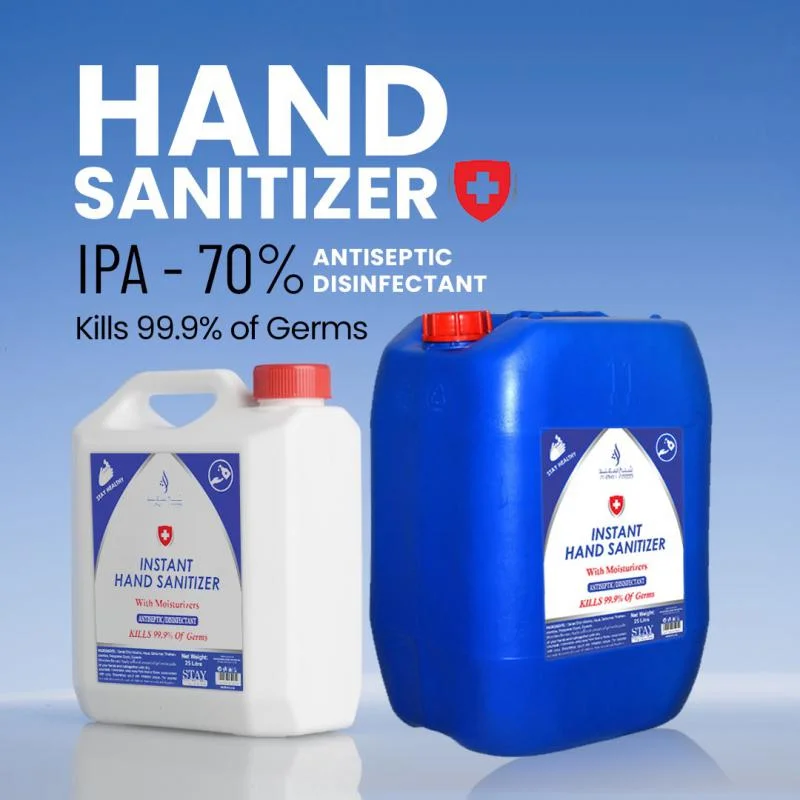
Liquid Hand Sanitizers: Available in bulk, these sanitizers are ideal for refilling dispensers in high-traffic areas. They are typically used in commercial settings where frequent hand cleaning is necessary.
Fragrance-Free Options: Both alcohol swabs and hand sanitizers are available in unscented formulations to cater to users with sensitivities or preferences against fragrances.
Benefits and Advantages
The use of alcohol swabs and hand sanitizers offers several significant benefits.
1. Infection Control: These products effectively kill bacteria and viruses, reducing the risk of infections in various environments.
2. Convenience: Alcohol swabs are portable and easy to use, making them suitable for both personal and professional settings.
3. Versatility: Hand sanitizers can be used in multiple industries, including healthcare, food service, and education, providing broad applicability.
4. Compliance: Utilizing these products helps businesses meet hygiene regulations and standards, ensuring compliance with health guidelines.
5. Enhanced Safety: Regular use of hand sanitizers and alcohol swabs promotes a safer environment for employees and customers alike.
6. Cost-Effective: In bulk, these products can be sourced at competitive prices, making them a financially viable option for businesses seeking to maintain hygiene.
Buying Guide for B2B Buyers
When sourcing alcohol swabs and hand sanitizers, businesses should consider several important factors.
1. Quality Assessment: Ensure products meet required quality standards and certifications. Look for third-party testing and compliance with regulations.
2. Supplier Verification: Vet suppliers by checking their reputation, customer reviews, and certifications to ensure reliability and quality.
3. Pricing and MOQ: Evaluate the cost of products and the minimum order quantity (MOQ) to meet budget constraints while ensuring sufficient supply.
4. Delivery and Lead Times: Consider logistics, including delivery times, to ensure that products arrive as needed to avoid interruptions in operations.
5. Compliance Requirements: Stay informed about local and regional regulations regarding sanitization products to ensure that your business remains compliant.
Compliance and Certifications
Alcohol swabs and hand sanitizers must adhere to various quality standards and certifications to ensure their efficacy and safety.
Relevant quality standards, such as ISO 9001, help maintain consistency in manufacturing processes. Additionally, HACCP (Hazard Analysis Critical Control Point) standards are crucial in food-related industries to ensure product safety.
Industry certifications, including CE marking, indicate compliance with European health, safety, and environmental protection standards.
Safety and testing requirements are essential to guarantee that products are effective against pathogens while being safe for human use. Regular testing for efficacy and skin compatibility is critical.
Regional compliance considerations may vary, so businesses must be aware of specific regulations in their operating regions to ensure their products meet all necessary legal requirements.
Why Source Alcohol Swabs & Hand Sanitizers from Pepagora?
Pepagora offers a reliable platform for sourcing alcohol swabs and hand sanitizers, providing several advantages for B2B buyers.
Verified Supplier Network: Pepagora connects buyers with a network of verified suppliers, ensuring that all products sourced are of high quality and meet industry standards.
Streamlined RFQ Process: The request for quotation (RFQ) process is designed to simplify sourcing, allowing buyers to quickly receive quotes and compare options from multiple suppliers.
Trade Assurance and Support: Pepagora provides trade assurance, ensuring buyer protection throughout the purchasing process. This support helps mitigate risks associated with sourcing industrial products.
Regional Coverage: With a broad geographic reach in India, the GCC, and Southeast Asia, Pepagora enables businesses to access trustworthy suppliers across diverse markets, ensuring availability and timely delivery of essential products.

 IN
IN