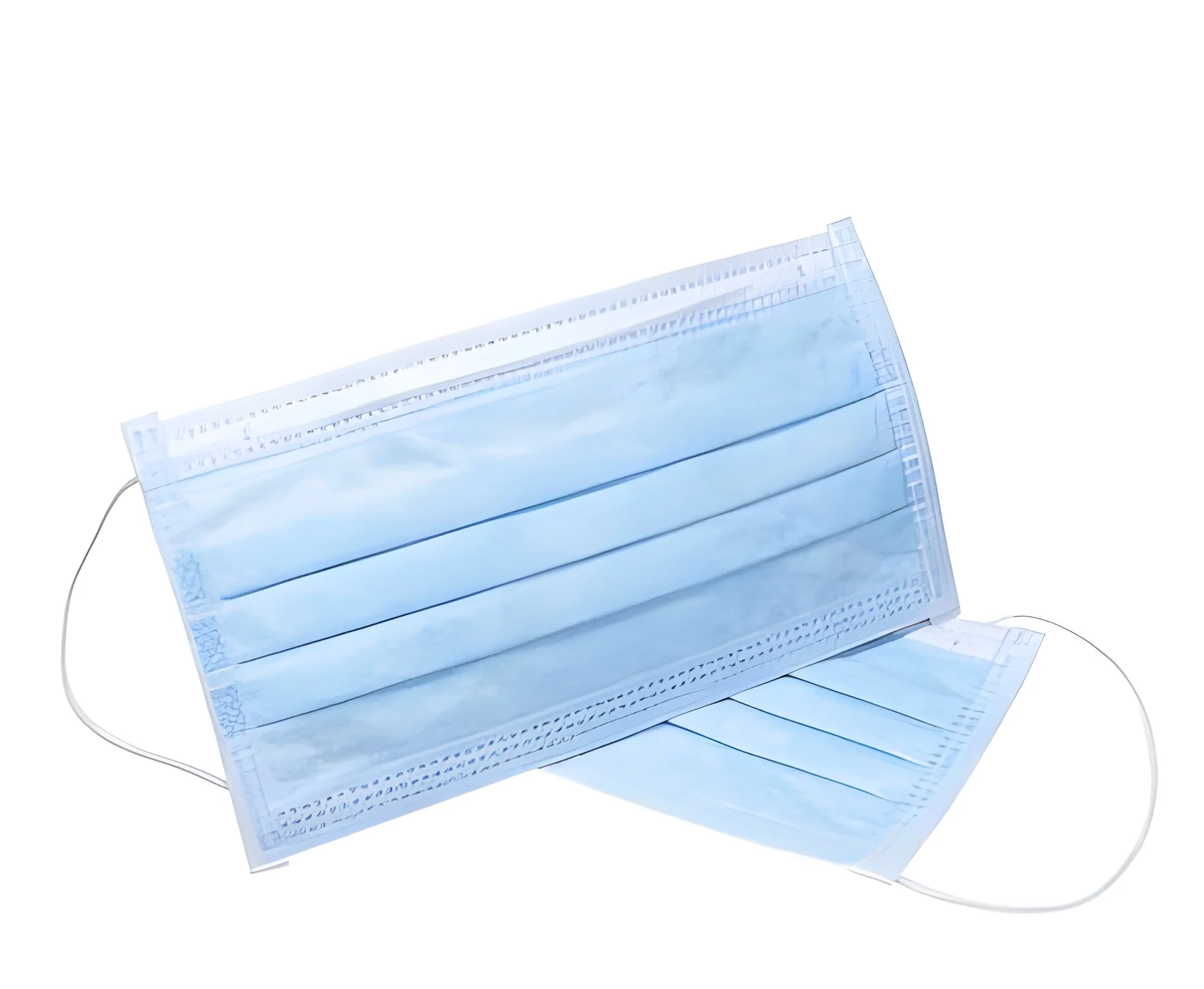
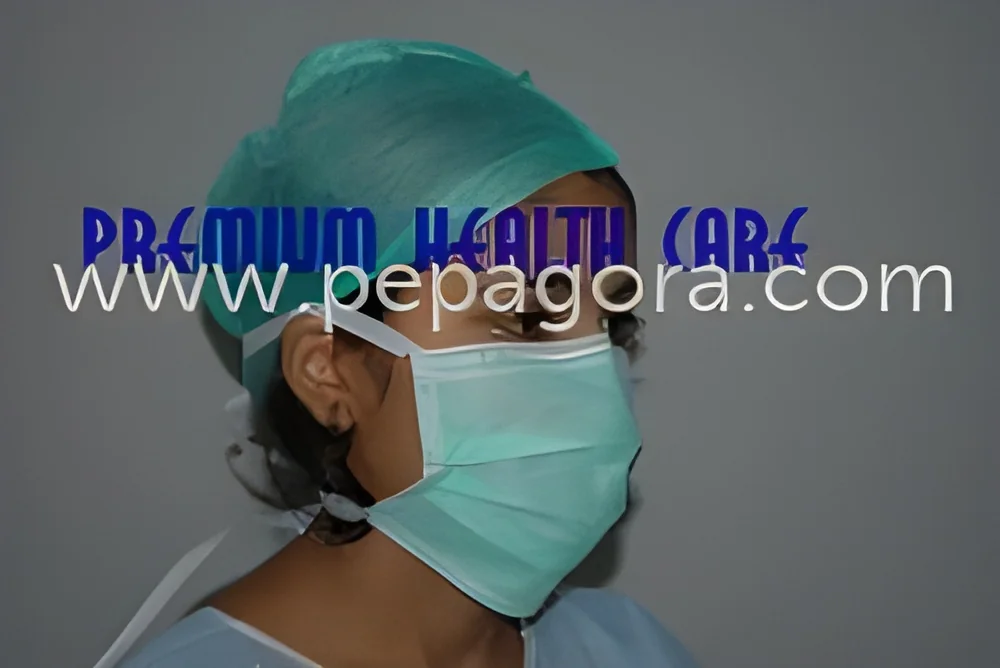
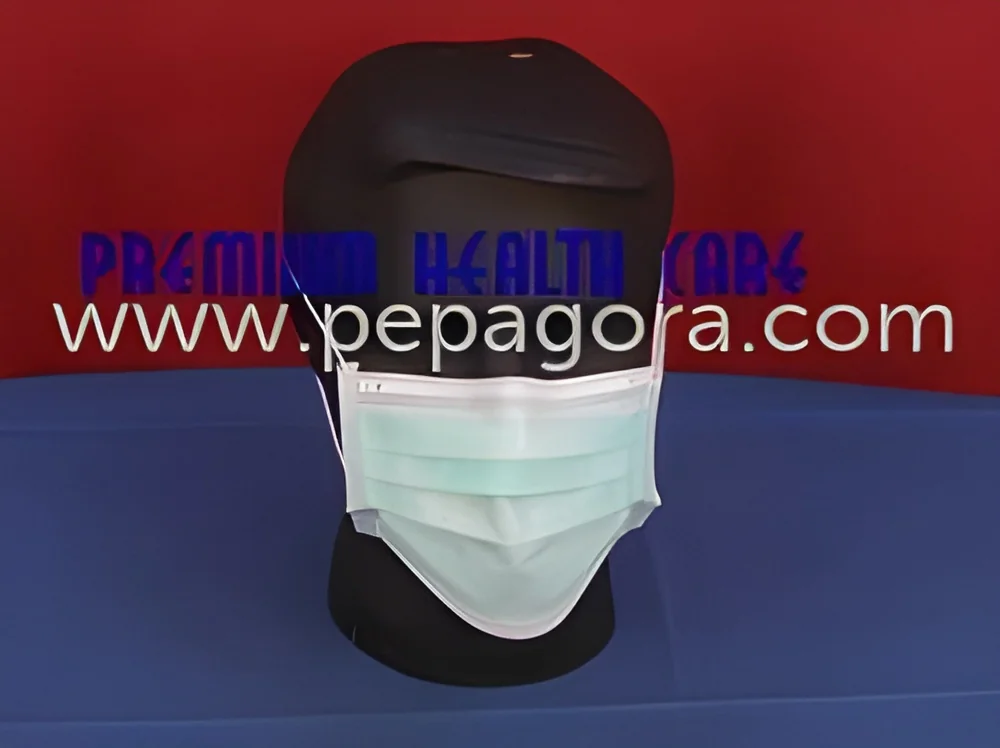
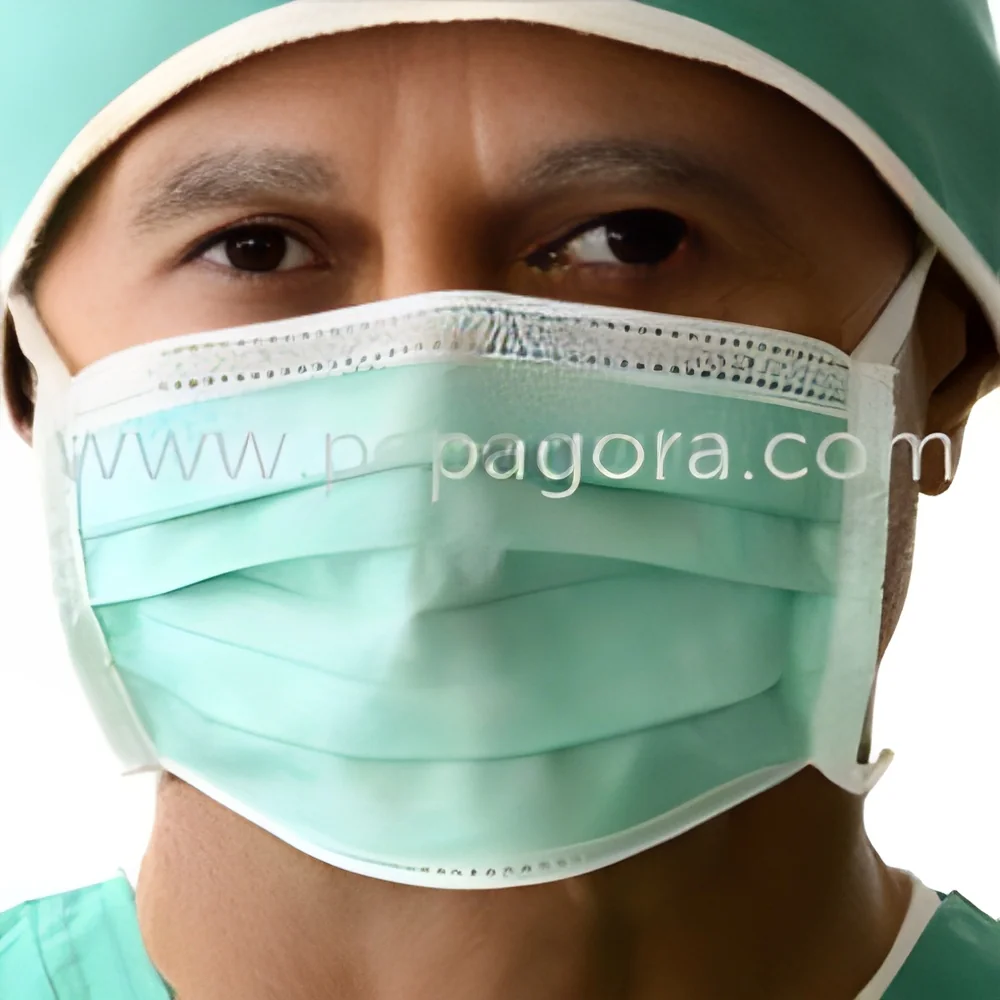
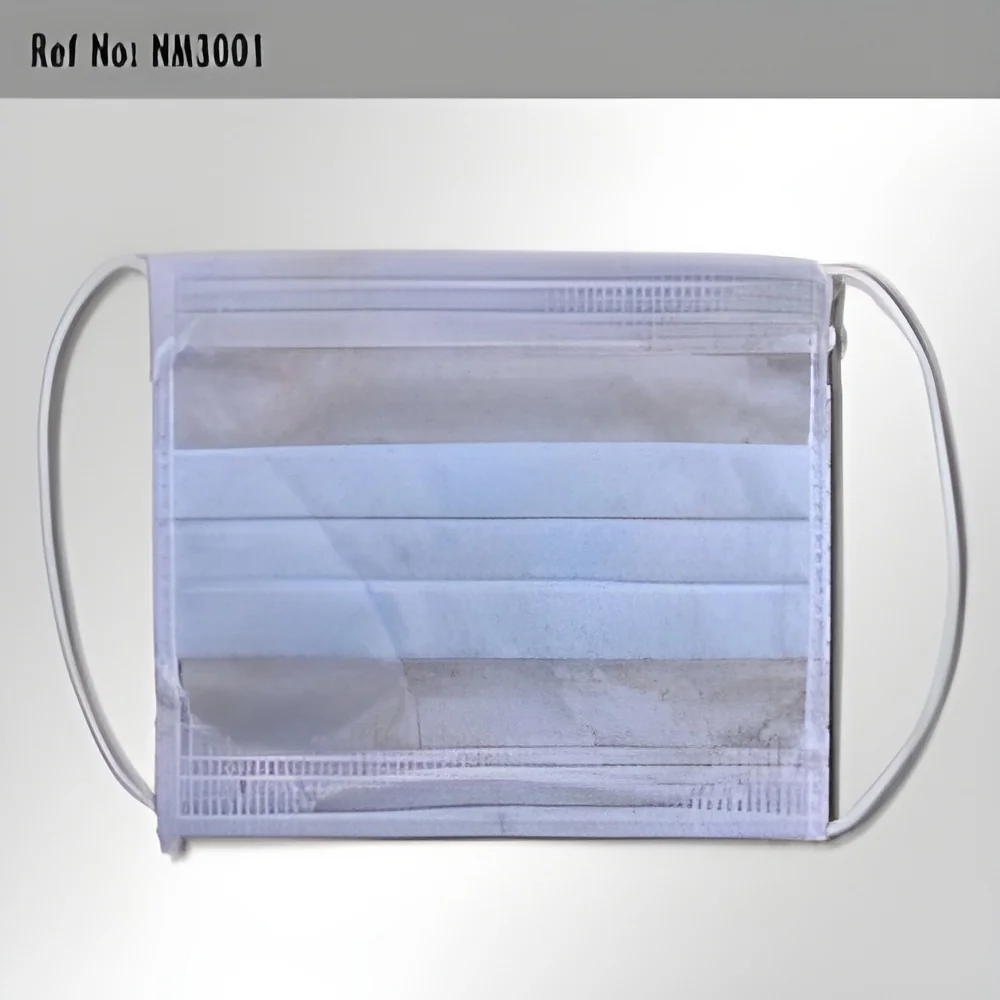
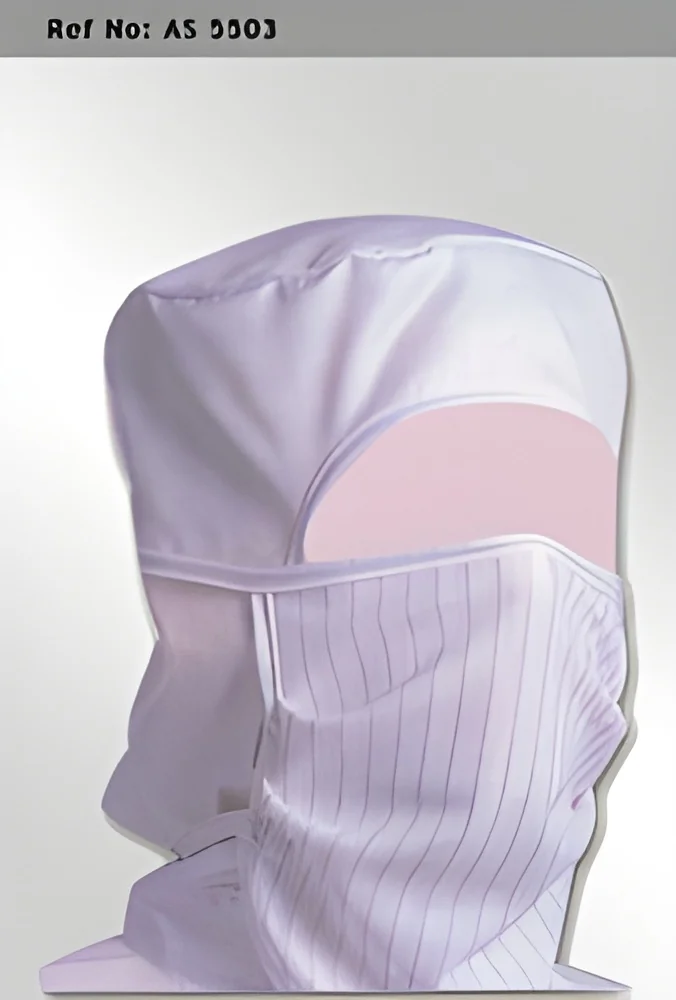
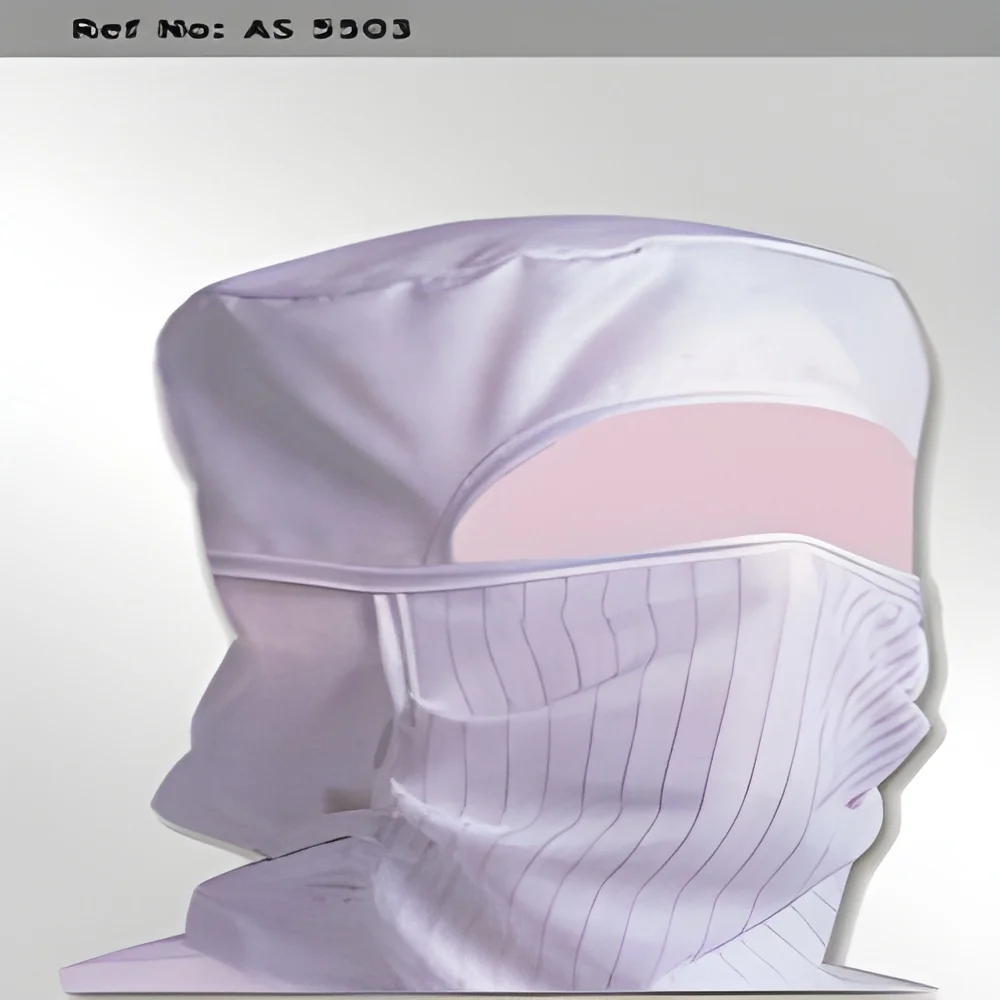
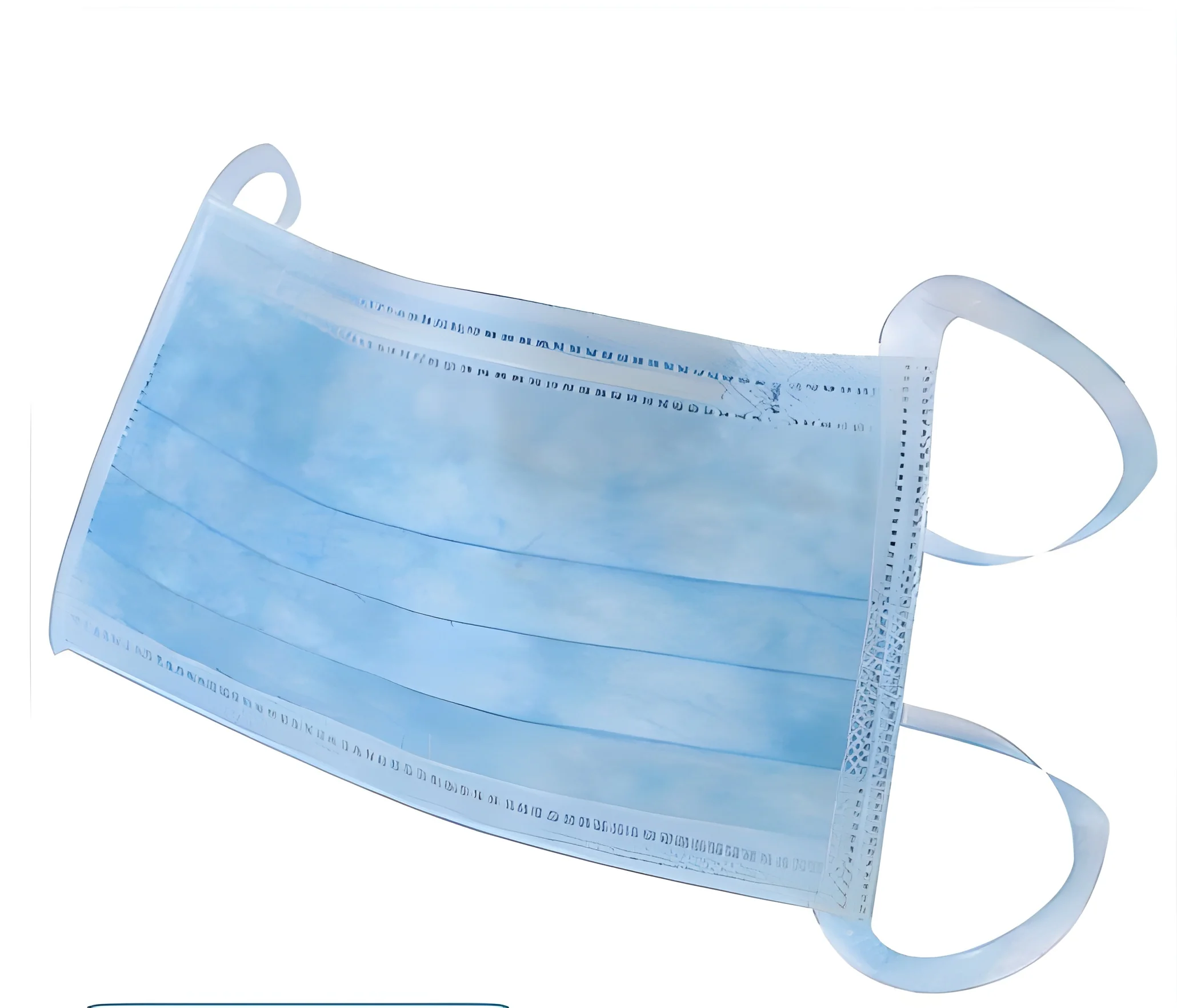
What are Surgical Face Masks?
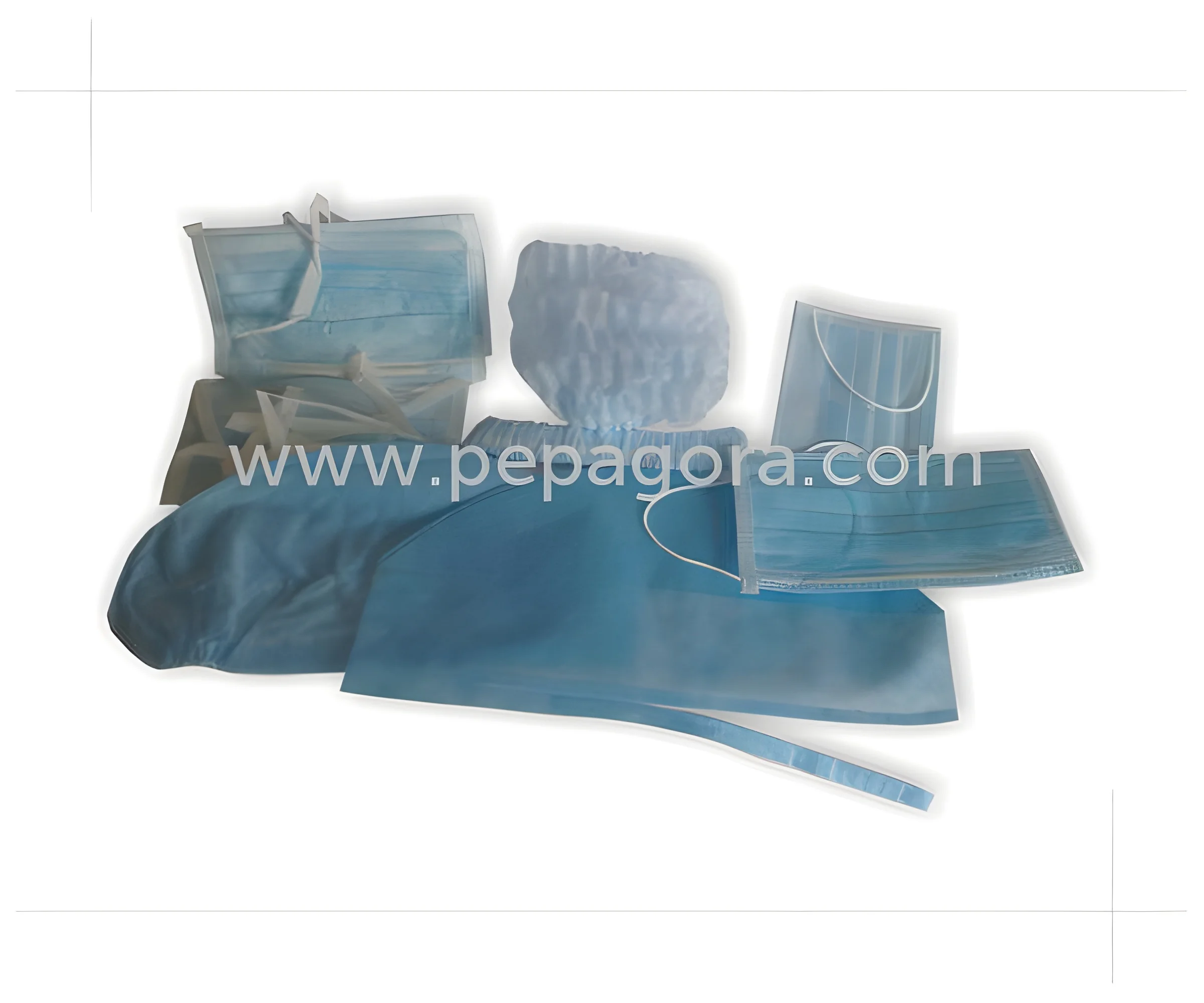
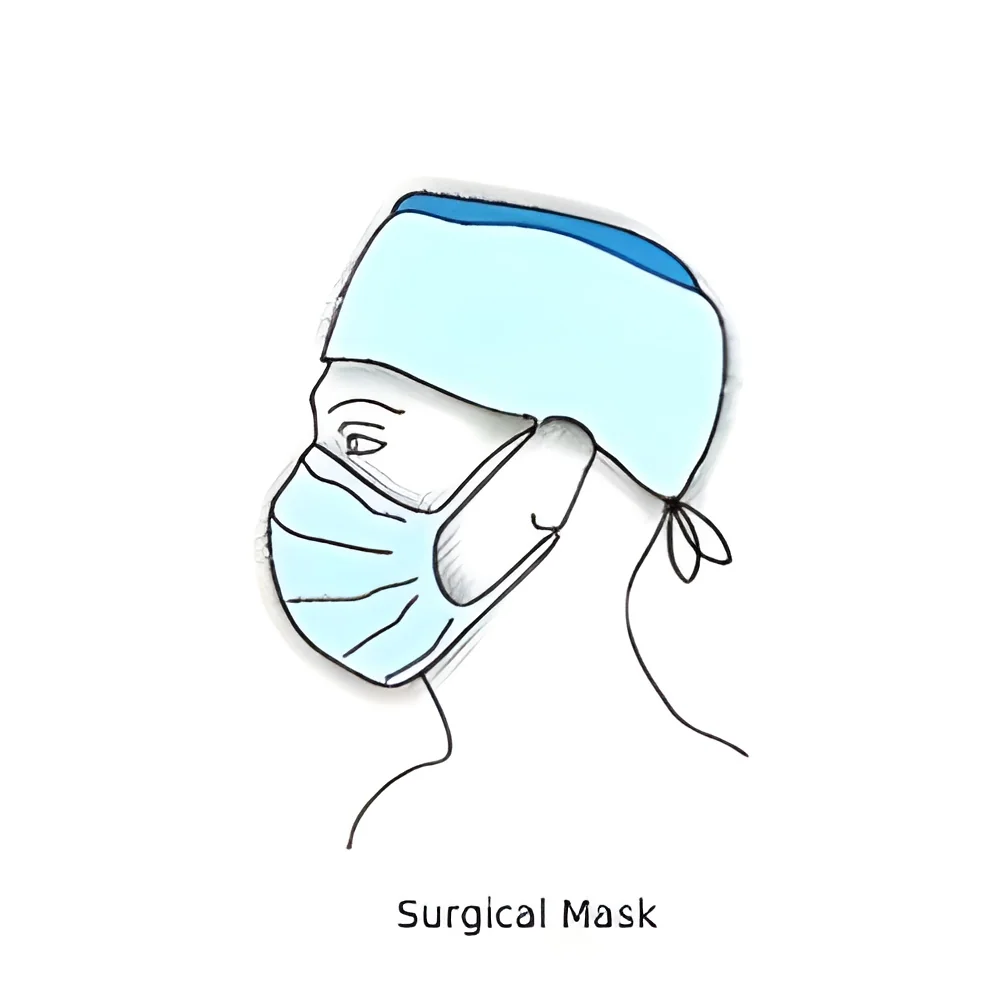
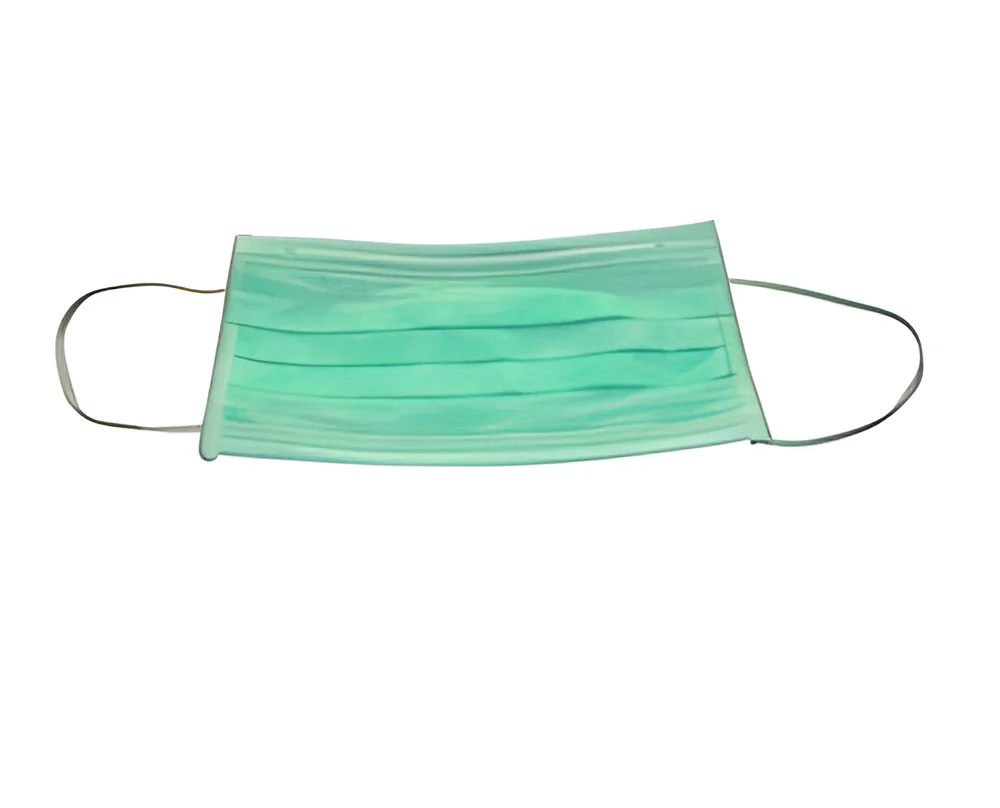
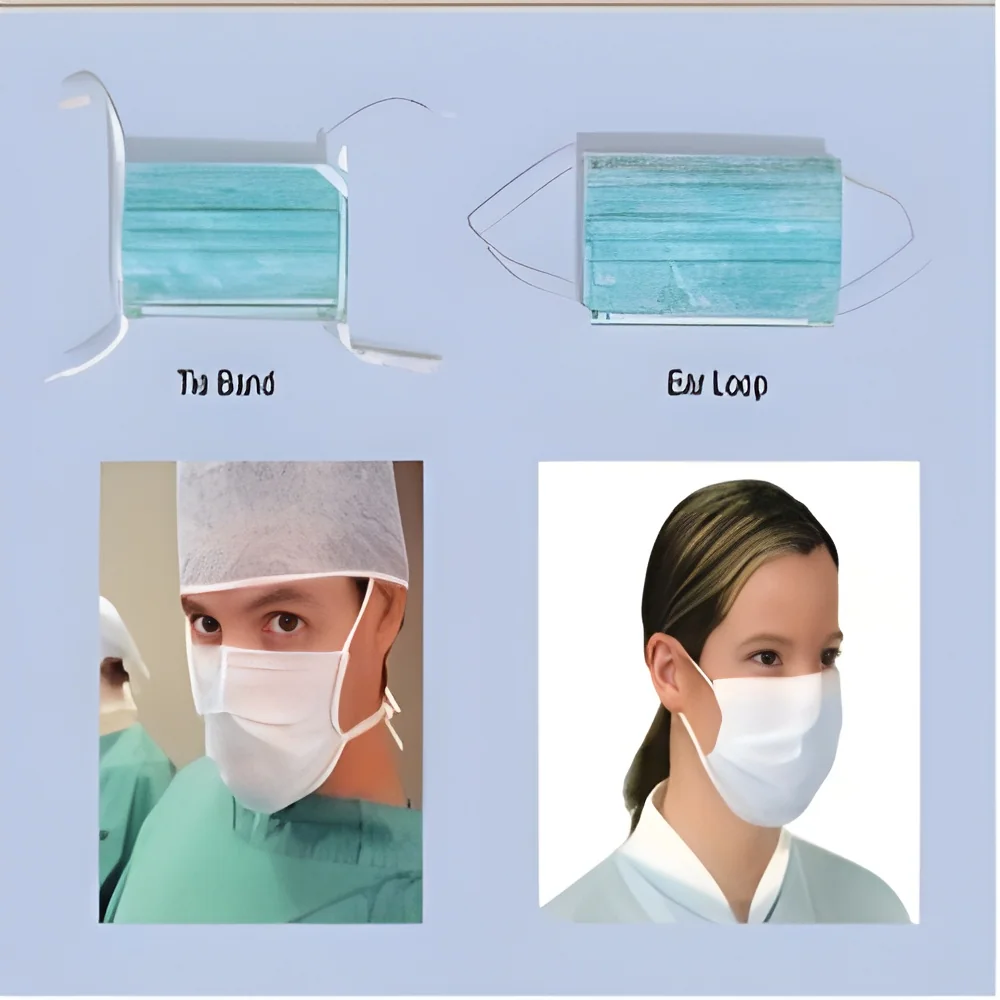
Surgical face masks are disposable protective garments designed to cover the mouth and nose of the wearer. They serve as a barrier to prevent the spread of infectious agents, droplets, and particulate matter. Typically made from multi-layered materials, these masks are engineered to filter out bacteria and viruses, ensuring a safer environment in healthcare settings and beyond.
Primarily, surgical face masks are used in medical situations, including surgeries, patient care, and examinations. They are essential in protecting healthcare professionals and patients alike from airborne pathogens. Beyond the medical field, these masks have found applications in various industries, including food processing and manufacturing, where hygiene and safety are paramount. The demand for surgical masks has surged in recent years, highlighting their relevance in safeguarding public health.
As the market evolves, surgical face masks have gained significance in global health initiatives, particularly during health crises such as pandemics. The increased awareness of infectious diseases emphasizes the importance of such protective equipment in maintaining workplace safety and compliance with health regulations.
Key Features and Specifications
Surgical face masks are characterized by several features and specifications that ensure their effectiveness and safety. Understanding these specifications is vital for businesses looking to procure high-quality products.
Key specifications include:
1. Filtration Efficiency
- Refers to the mask's ability to filter out bacteria and viruses.
- Typically ranges from 95% to 99% filtration efficiency.
2. Breathability
- Measures how easily air passes through the mask material.
- Ensures comfort during prolonged use, often quantified by a specific pressure differential.
3. Fluid Resistance
- Indicates the mask's resistance to penetration by fluids.
- Important for use in environments where exposure to blood or bodily fluids is a risk.
4. Material Composition
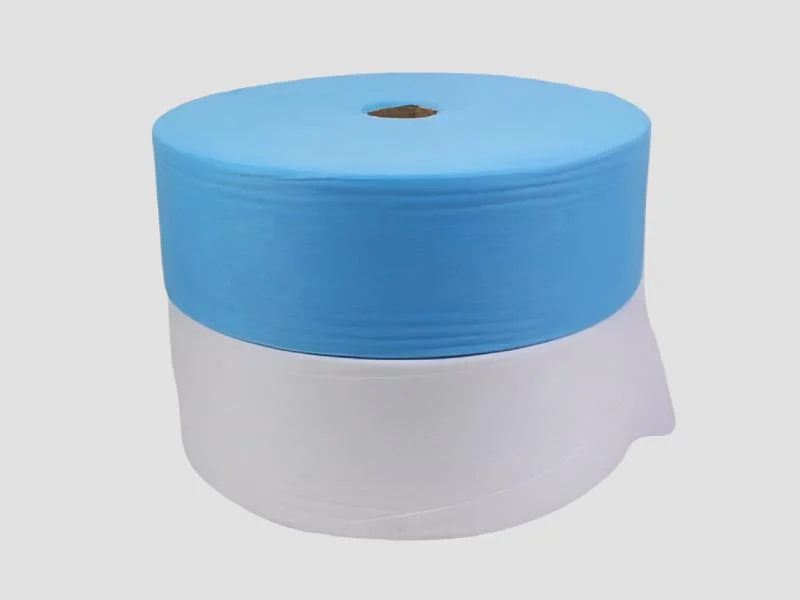
- Usually consists of multiple layers of non-woven fabric.
- Provides a combination of filtration and comfort.
5. Size and Fit
- Available in various sizes to ensure a secure fit for all users.
- Proper fit is crucial for maximizing protective capabilities.
6. Compliance Standards
- Must meet specific health and safety regulations, such as CE certification.
- Ensures adherence to industry standards.
7. Shelf Life
- Typically has a defined shelf life for effective use.
- Important for inventory management in healthcare settings.
8. Packaging
- Often sold in bulk or individually packaged for convenience.
- Packaging plays a role in maintaining sterility until use.
In summary, understanding the key features and specifications of surgical face masks is essential for making informed purchasing decisions.
Common Applications and Use Cases
Surgical face masks are utilized across various industries, reflecting their versatility and importance in maintaining safety standards.
1. Healthcare: Widely used in hospitals and clinics to protect healthcare workers and patients from infectious diseases during examinations and surgeries.
2. Food Processing: Essential in food manufacturing environments to prevent contamination from respiratory droplets.
3. Manufacturing: Used in production facilities to ensure worker safety and compliance with health regulations.
4. Retail: Employed in stores and restaurants to protect employees and customers, especially during health crises.
5. Education: Utilized in schools and educational institutions to safeguard students and staff.
6. Public Transportation: Commonly worn by personnel and travelers to minimize the risk of airborne transmission.
7. Personal Use: Increasingly adopted by individuals in public spaces for personal protection against airborne pathogens.
Product Variants and Subcategories
Surgical face masks come in various forms to meet specific needs and applications. Although there are no subcategories available, the diversity in design and functionality caters to different user requirements.
Standard Surgical Mask
This is the most common variant, designed primarily for use in healthcare settings. It features multiple layers for filtration and fluid resistance, ensuring safety during medical procedures.
Fluid-Resistant Surgical Mask
This variant offers enhanced protection against bodily fluids, making it ideal for surgical environments. It combines high filtration efficiency with superior fluid resistance.
Anti-Fog Surgical Mask
Designed for environments where visibility is crucial, this mask features a special coating to prevent fogging. It is particularly useful for healthcare professionals who wear glasses.
N95 Respirator
While not a traditional surgical mask, N95 respirators provide a higher level of protection against airborne particles. These are often used in high-risk situations requiring superior filtration.
Benefits and Advantages
Surgical face masks offer several distinct advantages that make them essential in various settings.
Key benefits include:
1. Infection Control: They significantly reduce the risk of transmitting infections in healthcare and public environments.
2. Compliance with Regulations: Wearing surgical masks helps organizations meet health and safety standards, particularly in healthcare facilities.
3. Enhanced Safety: Protects both the wearer and those around them from airborne pathogens.
4. Comfort and Breathability: Designed for extended wear, they provide comfort without sacrificing protection.
5. Versatile Applications: Suitable for a wide range of industries, including healthcare, food processing, and manufacturing.
6. Cost-Effective: Disposable masks offer a low-cost solution for maintaining safety without the need for extensive cleaning or sterilization.
Buying Guide for B2B Buyers
When sourcing surgical face masks, several key factors should be considered to ensure the selection of high-quality products.
1. Quality Assessment: Evaluate masks for their filtration efficiency, breathability, and material composition. Look for products that meet relevant safety standards to ensure effectiveness.
2. Supplier Verification: Vet suppliers to confirm their credibility and reliability. Check for certifications and customer reviews to gauge their reputation in the market.
3. Pricing and MOQ: Consider the cost per unit and the minimum order quantity. Ensure that pricing aligns with your budget while maintaining quality standards.
4. Delivery and Lead Times: Assess logistical capabilities, including delivery timelines. Reliable suppliers should provide clear information on shipping and handling.
5. Compliance Requirements: Ensure that the masks meet local and international regulatory standards, including certifications like CE, to avoid compliance issues.
Compliance and Certifications
Surgical face masks must adhere to various quality standards and certifications to ensure safety and effectiveness in their applications. One significant standard is ISO 9001, which outlines requirements for a quality management system.
In addition, compliance with the CE certification indicates that the masks meet European health, safety, and environmental protection standards. It assures buyers that the products have undergone rigorous testing and evaluation.
Testing requirements may include assessments for filtration efficiency, breathability, and fluid resistance, ensuring that masks perform as intended in real-world scenarios. Regional compliance considerations may vary, so it is essential to be aware of local regulations that govern the use of surgical masks.
Why Source Surgical Face Masks from Pepagora?
Pepagora provides a trusted platform for sourcing surgical face masks, offering several key advantages to businesses.
Verified Supplier Network: Pepagora connects buyers with verified suppliers, ensuring that the products meet high standards of quality and compliance. Each supplier undergoes a rigorous vetting process to guarantee reliability.
Streamlined RFQ Process: The request for quotation process is designed to be straightforward, allowing buyers to receive competitive bids from multiple suppliers. This efficiency helps businesses make informed purchasing decisions quickly.
Trade Assurance and Support: Pepagora offers trade assurance to protect buyers throughout the procurement process. This includes support for resolving any issues that may arise during transactions, ensuring a secure purchasing experience.
Regional Coverage: With a strong presence in India, the GCC, and Southeast Asia, Pepagora provides extensive geographic reach, making it easier for businesses in these regions to access high-quality surgical face masks. This localized approach ensures that buyers can find products that meet their specific needs.

 IN
IN