What are Foley Catheters?
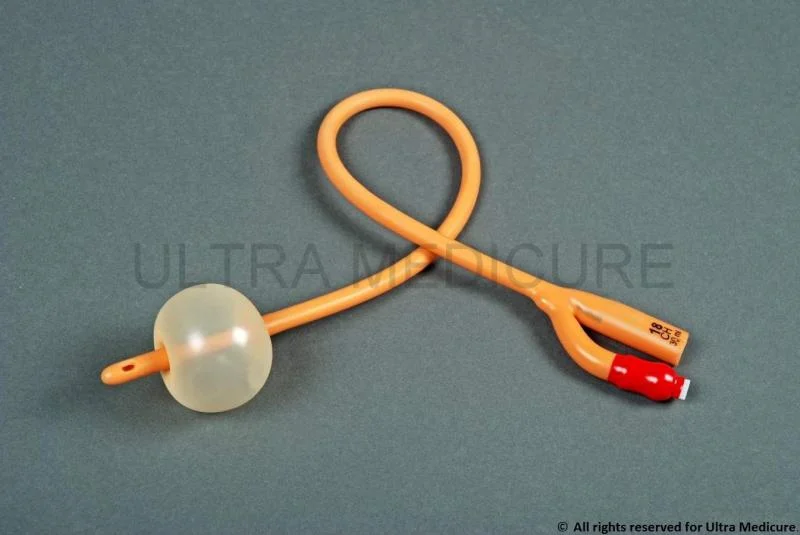
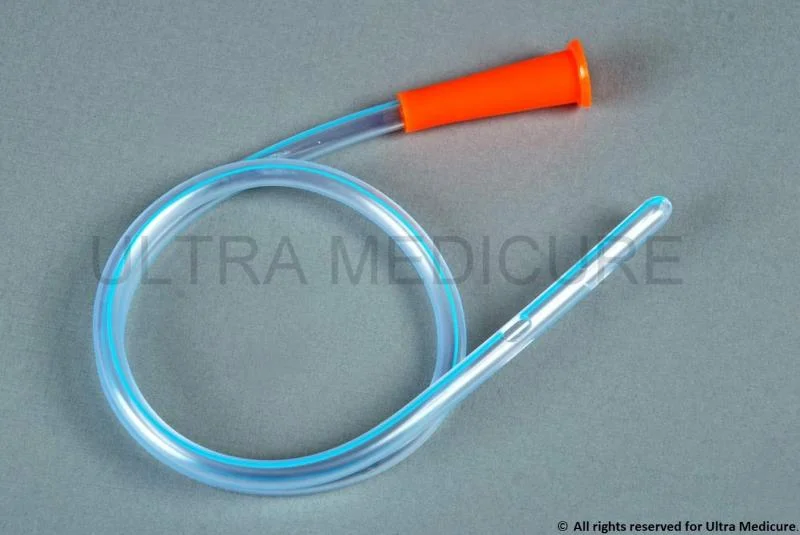
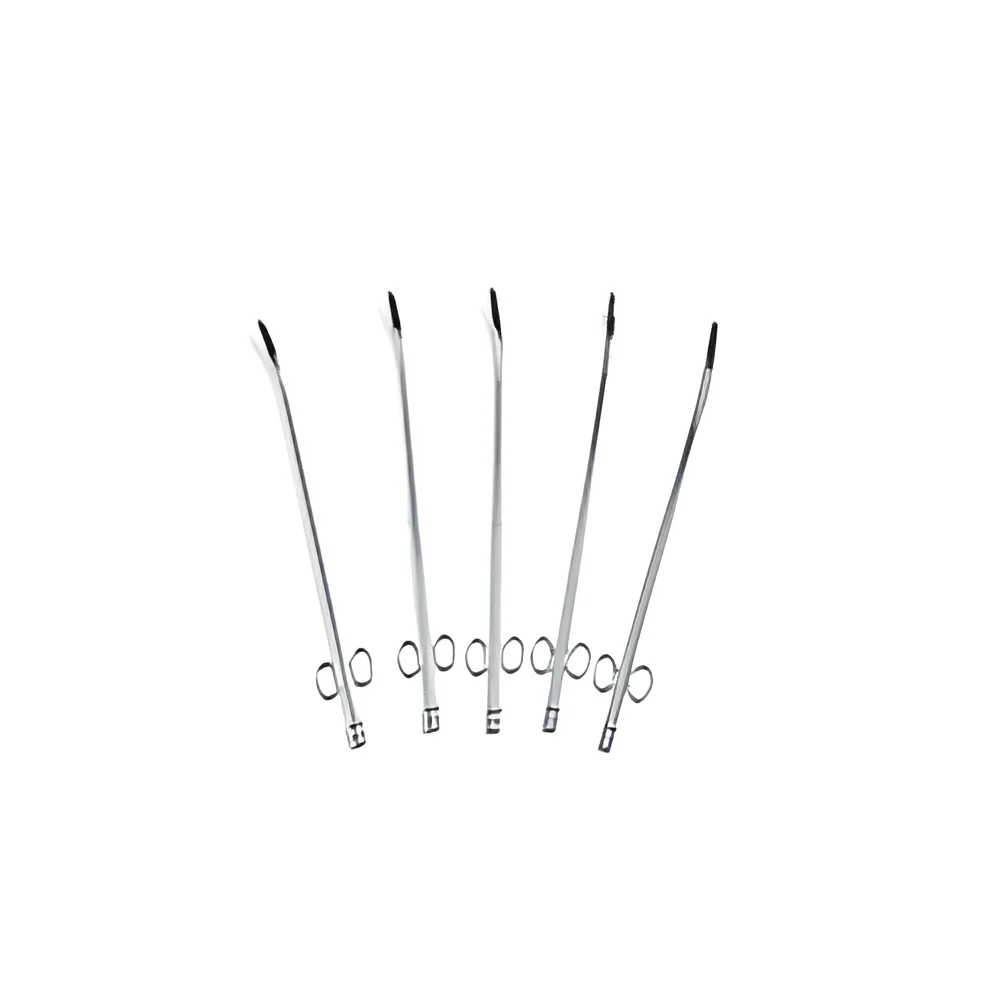
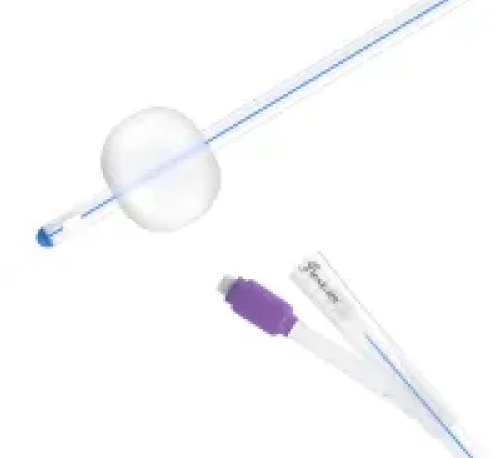
Foley catheters are flexible tubes inserted into the bladder to drain urine. They are equipped with a balloon that, once inflated, holds the catheter in place inside the bladder. This medical device is commonly used for patients who are unable to urinate naturally due to various medical conditions or procedures.
The primary applications of Foley catheters include post-surgical care, urinary retention management, and bladder monitoring. They are essential in hospitals, nursing homes, and home care settings where patients require continuous urine drainage. Foley catheters are crucial in urology, surgery, and critical care, helping healthcare providers manage patient conditions effectively.
In the healthcare market, Foley catheters are an important product due to their widespread use and necessity in patient care. The demand for these devices continues to grow as healthcare facilities seek efficient ways to manage urinary issues. This growth is driven by an aging population, increased surgical procedures, and advancements in catheter technology.
Key Features and Specifications
Foley catheters come with various features and specifications tailored to meet medical requirements. These specifications ensure that healthcare professionals can select the appropriate catheter based on patient needs and clinical situations.
Key specifications include:
1. Material
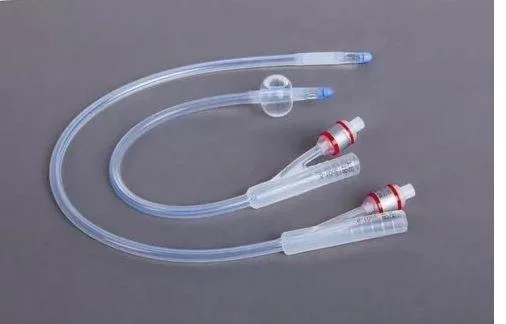
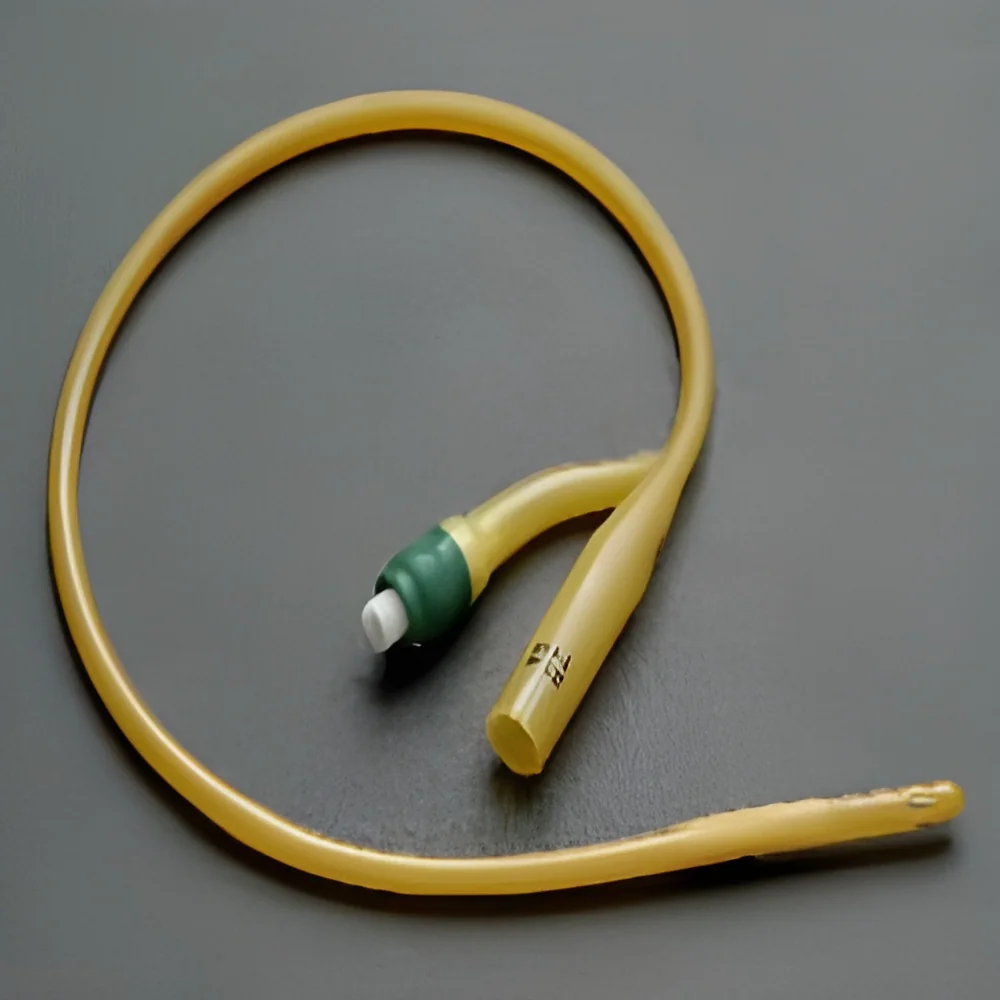
- Typically made of latex or silicone
- Silicone options are often preferred for long-term use due to reduced irritation
2. Size
- Measured in French sizes (Fr)
- Common sizes range from 8 Fr to 24 Fr, accommodating different patient needs
3. Balloon Capacity
- Standard balloon sizes generally range from 5 mL to 30 mL
- The volume of the balloon affects stability within the bladder
4. Length
- Varies between pediatric and adult sizes
- Common adult lengths are approximately 40 cm to 45 cm
5. Tip Design
- Options include straight tips and coude tips
- Coude tips are often used for patients with anatomical challenges
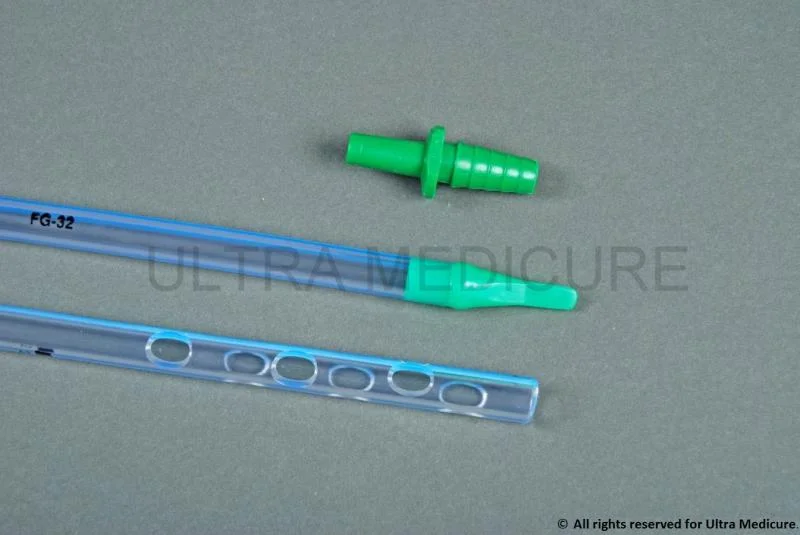
6. Drainage Ports
- Single or double drainage ports available
- Double ports allow for simultaneous irrigation and drainage
7. Coating Options
- Some catheters come with hydrophilic coatings
- Coatings help reduce friction during insertion and minimize infection risks
8. Sterility
- Available in sterile packaging for single-use applications
- Ensures safety and compliance with hygiene standards
In summary, understanding the features and specifications of Foley catheters is essential for selecting the right product for various clinical applications.
Common Applications and Use Cases
Foley catheters serve critical functions across several industries.
1. Healthcare: Hospitals utilize Foley catheters for postoperative patients requiring urinary drainage, ensuring comfort and monitoring urine output.
2. Long-term Care: Nursing homes rely on Foley catheters for residents with chronic urinary retention, enhancing their quality of life and ensuring proper hygiene.
3. Home Care: Patients receiving care at home may use Foley catheters for bladder management, allowing for independence while maintaining health standards.
4. Urology: Urologists often recommend Foley catheters for patients undergoing specific diagnostic procedures or surgeries.
5. Palliative Care: In hospice settings, Foley catheters provide comfort to patients with limited mobility, allowing for dignified care.
6. Emergency Services: Paramedics may use Foley catheters in critical situations where immediate bladder drainage is needed.
7. Research: Clinical studies often incorporate Foley catheters for data collection related to bladder function and urinary tract health.
Product Variants and Subcategories
Foley catheters exhibit diversity to meet specific patient needs and clinical situations.
Latex Foley Catheters: These are standard options for short-term use. They are affordable and effective for immediate drainage needs.
Silicone Foley Catheters: Preferred for long-term use, these catheters reduce irritation and are less likely to cause allergic reactions.
Antimicrobial Foley Catheters: These catheters are coated with antimicrobial agents to reduce the risk of urinary tract infections, making them suitable for patients at higher risk.
Pediatric Foley Catheters: Specifically designed for children, these catheters are smaller in size and provide safer options for young patients.
Benefits and Advantages
Foley catheters offer numerous benefits that enhance patient care and healthcare provider efficiency.
1. Improved Patient Comfort: They allow for continuous urine drainage without discomfort, especially for immobile patients.
2. Enhanced Monitoring: Healthcare professionals can easily monitor urine output, aiding in the assessment of a patient's condition.
3. Reduced Infection Risk: Advances in catheter technology, such as antimicrobial coatings, help minimize infection rates.
4. Versatility: Suitable for a wide range of medical applications, from short-term to long-term use.
5. Ease of Use: Designed for straightforward insertion and maintenance, which streamlines healthcare processes.
6. Quality of Life: They enable patients to maintain dignity and independence, particularly in long-term care settings.
Buying Guide for B2B Buyers
When sourcing Foley catheters, several important factors should be considered to ensure the selection of high-quality products.
1. Quality Assessment: Evaluate the materials and manufacturing processes to ensure that the catheters meet high standards. Look for certifications that confirm product reliability.
2. Supplier Verification: Conduct thorough research on suppliers to ensure they have a good reputation and experience in providing medical-grade products.
3. Pricing and MOQ: Understand the pricing structures and minimum order quantities to ensure they fit within your budget and purchasing capabilities.
4. Delivery and Lead Times: Consider logistical aspects, including how quickly the supplier can deliver the products to meet your operational needs.
5. Compliance Requirements: Ensure that the Foley catheters comply with relevant health regulations and standards, including safety and efficacy testing.
Compliance and Certifications
Foley catheters must adhere to various quality standards to ensure safety and effectiveness. Important certifications include ISO 9001, which denotes a commitment to quality management systems, and CE certification, validating that the products meet European safety and health requirements.
Manufacturers must conduct thorough safety and efficacy testing to prevent complications such as infections or device failure. Compliance with Good Distribution Practices (GDP) is also crucial, ensuring that products are stored and transported under optimal conditions.
Moreover, regional compliance considerations may vary, so it's essential for suppliers to stay updated on the specific regulations applicable in different markets.
Why Source Foley Catheters from Pepagora?
Pepagora offers a reliable platform for sourcing Foley catheters, providing several key advantages for B2B buyers.
Verified Supplier Network: Pepagora connects you to a network of verified suppliers, ensuring that you can source high-quality products with confidence.
Streamlined RFQ Process: The request for quotation system simplifies the procurement process, allowing you to easily compare offers from multiple suppliers.
Trade Assurance and Support: Buyers benefit from trade assurance measures that protect their purchases, ensuring satisfaction and reliability in transactions.
Regional Coverage: Pepagora has a strong presence across India, the GCC, and Southeast Asia, enabling you to access Foley catheters tailored to local market needs and compliance standards.
This comprehensive platform is designed to facilitate informed decision-making and enhance the efficiency of your sourcing efforts.

 IN
IN