What are Burn Dressings?
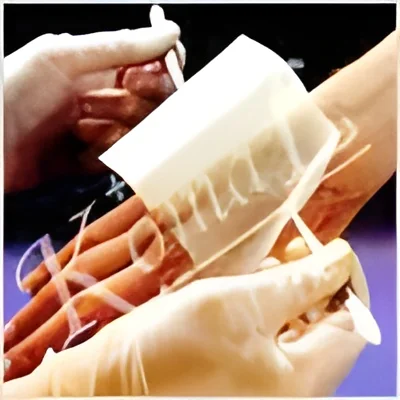
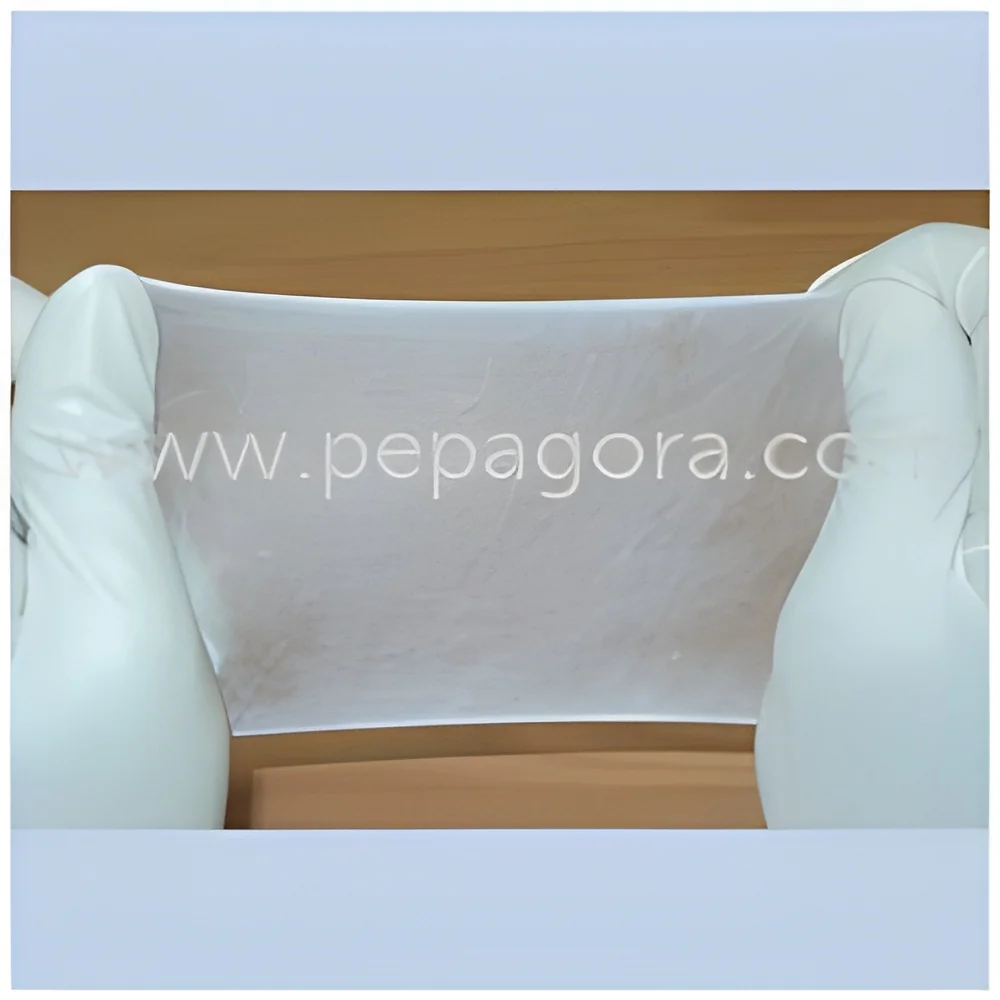
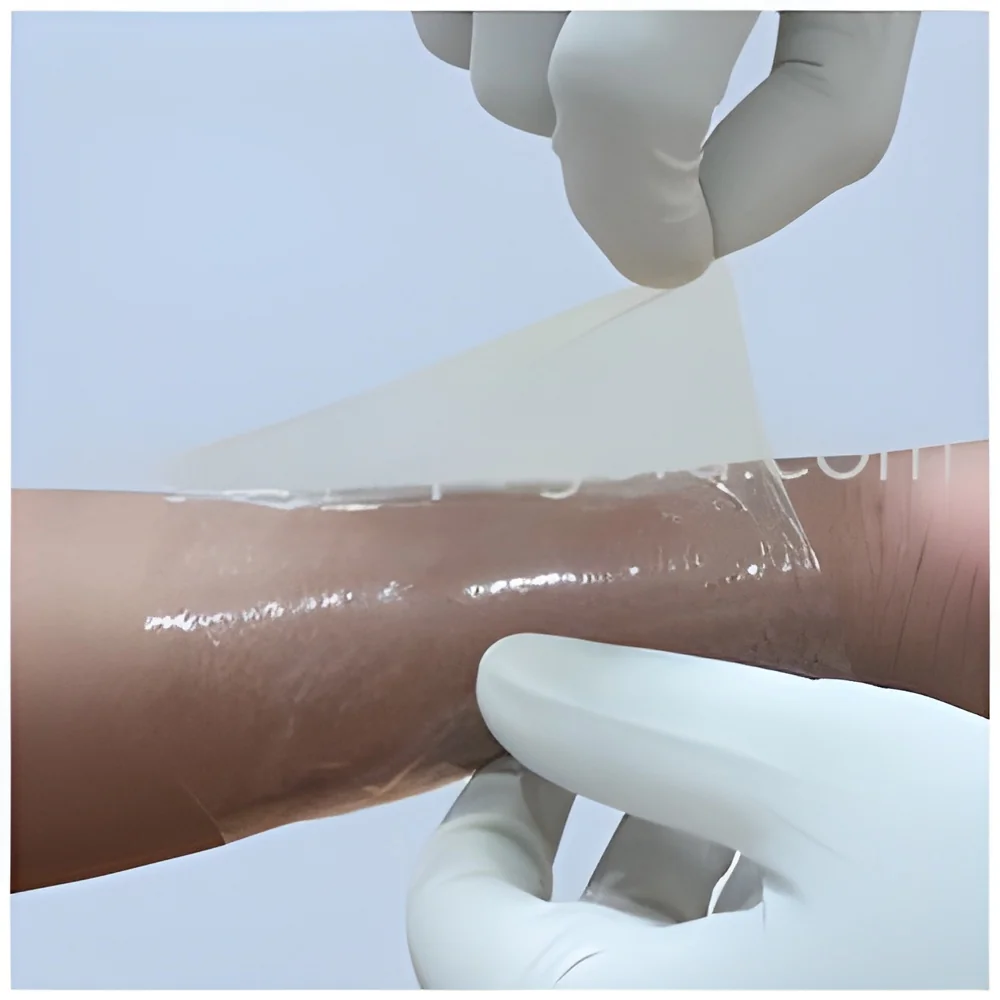
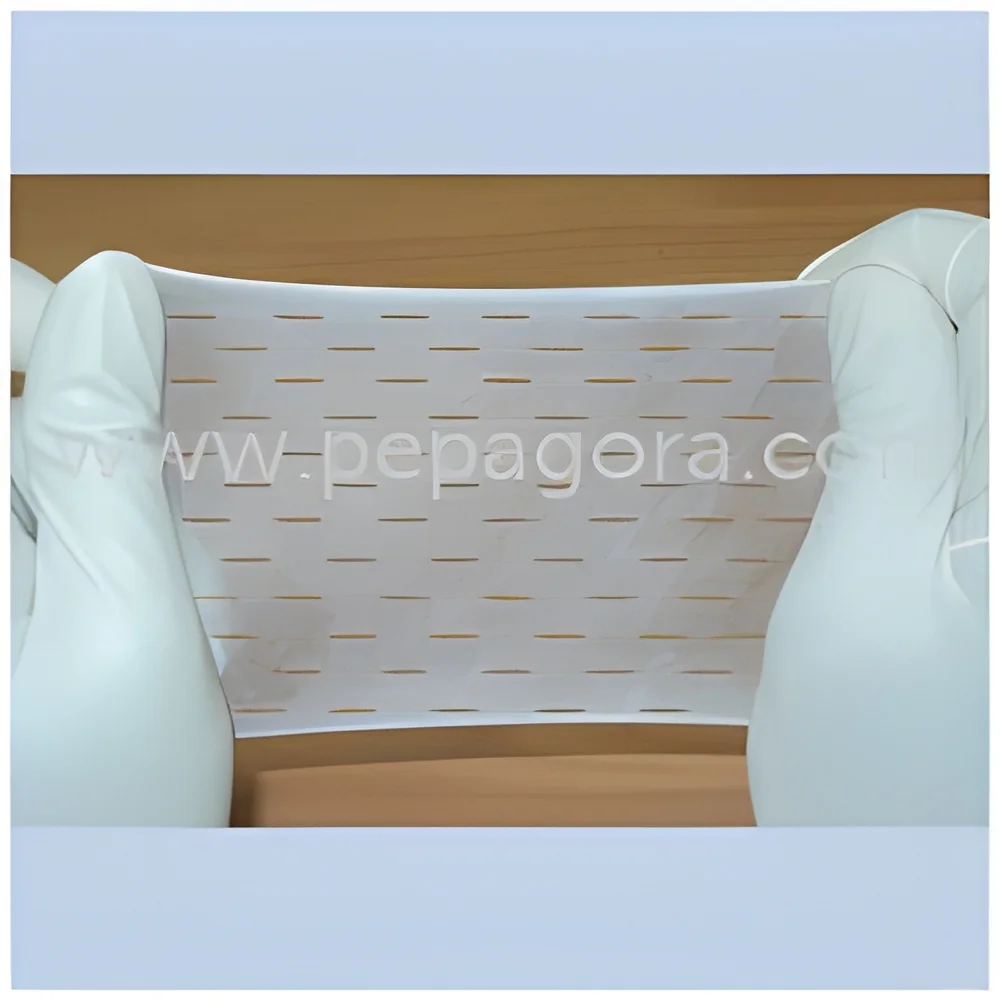
Burn dressings are specialized medical products designed to cover and protect burn injuries. These dressings are made from various materials that facilitate healing while minimizing pain and risk of infection. Burn dressings help to maintain a moist wound environment, which is essential for optimal healing and recovery. They are often gel-based or hydrocolloid, ensuring they adhere well to the skin without causing additional trauma during dressing changes.
Primary uses for burn dressings include treatment in healthcare settings such as hospitals, clinics, and outpatient centers. They are essential in emergency medical services for immediate burn care. Additionally, these dressings are used in industries where thermal injuries may occur, such as manufacturing and food processing. The relevance of burn dressings extends into various sectors, highlighting the need for safety and compliance with health regulations in the workplace.
Key Features and Specifications
Burn dressings possess specific features and specifications that are critical for effective treatment. These include materials that promote healing and reduce infection risk.
Key specifications include:
1. Material Composition
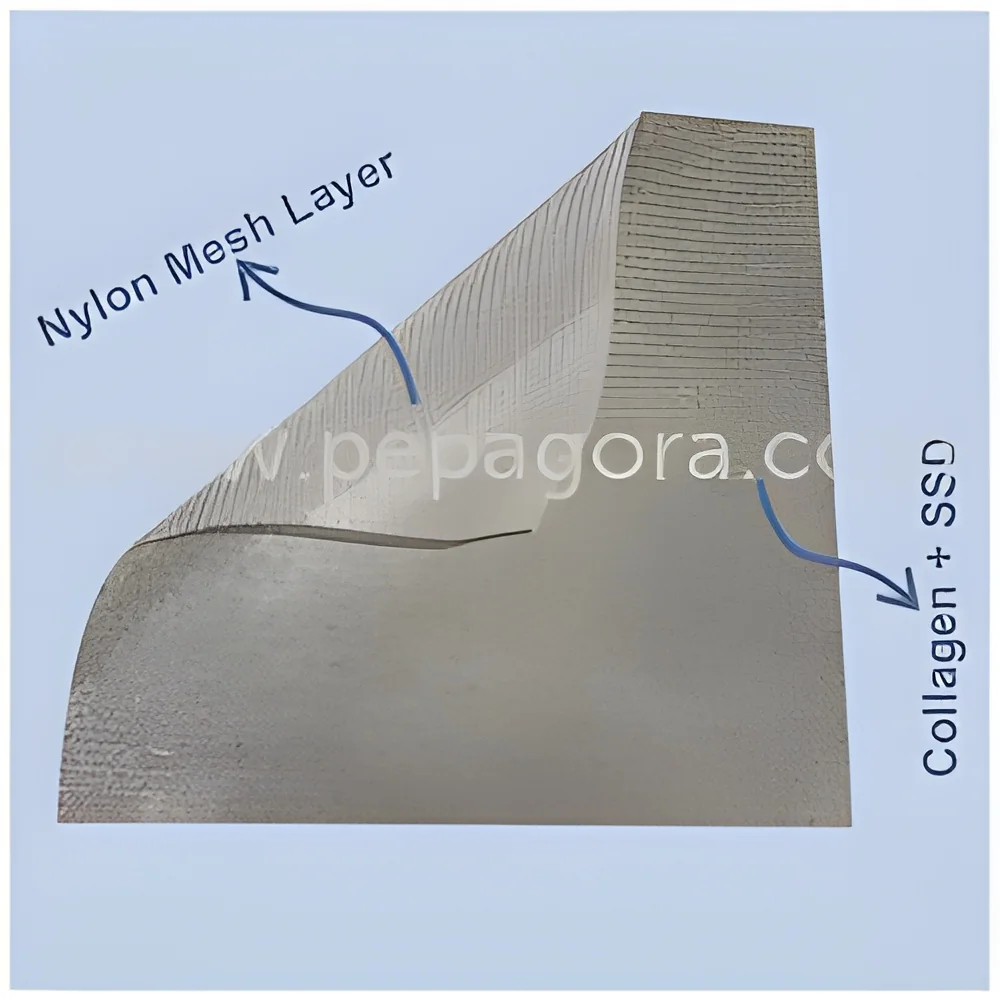
- Generally made from hydrogel, hydrocolloid, or silicone
- Designed for optimal moisture retention and comfort
2. Sterility
- Must be sterile to prevent infection
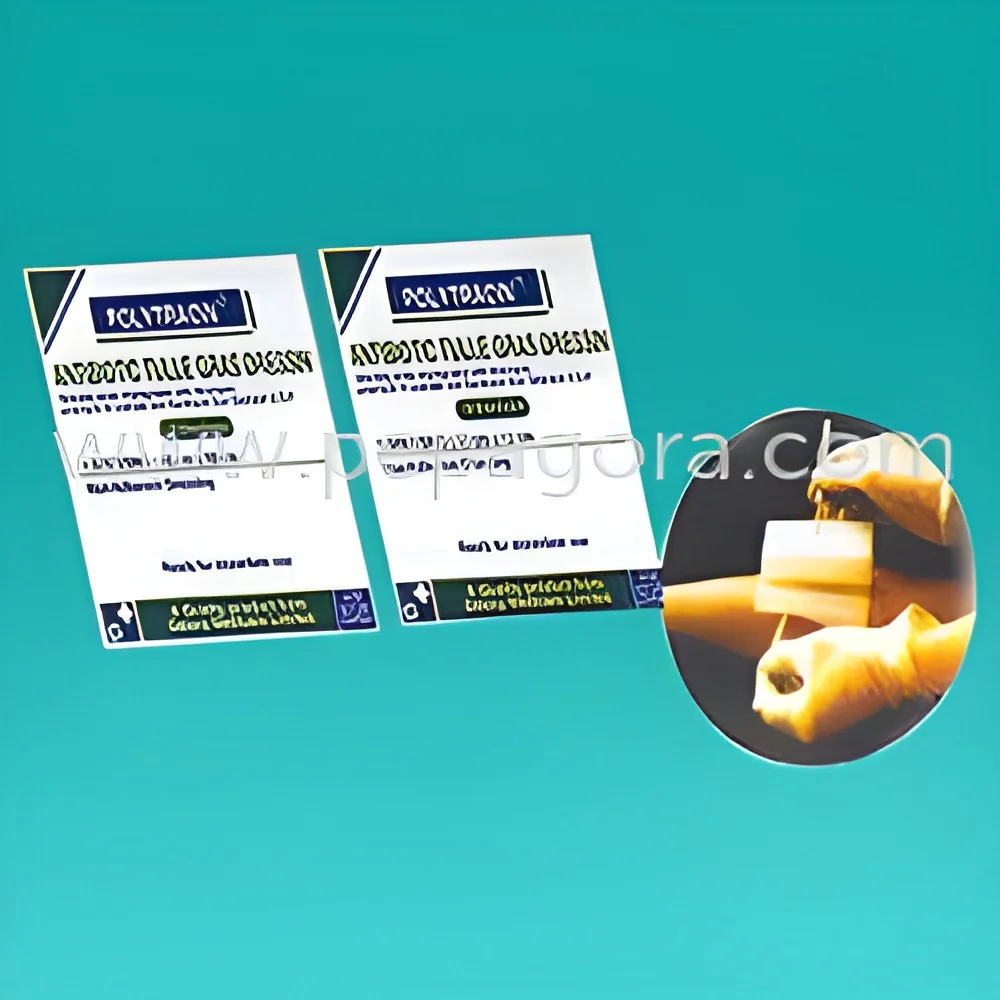
- Typically packaged in individual sterile pouches
3. Size Options
- Available in various sizes to accommodate different burn areas
- Common sizes range from small (5x5 cm) to large (20x30 cm)
4. Adhesive Properties
- Designed to adhere securely to the skin
- Minimizes pain during removal and changing
5. Wound Management Features
- Some dressings include antimicrobial properties
- Others may have pain-relieving ingredients
6. Breathability
- Allows for air exchange to promote healing
- Reduces moisture buildup that can lead to maceration
7. Shelf Life
- Typically have a shelf life ranging from 3 to 5 years
- Important for inventory management in medical facilities
8. Compliance Standards
- Must meet international standards for medical devices
- CE certification ensures quality and safety
Burn dressings are designed with these specifications to ensure they are effective for wound management and patient care.
Common Applications and Use Cases
Burn dressings find application across various industries, serving as critical components in injury management.
1. Healthcare: Used in hospitals and clinics for treating burn victims, ensuring effective healing and pain management.
2. Food Processing: Essential in kitchens and food production areas to treat burns from equipment, ensuring worker safety.
3. Manufacturing: Commonly used in factories where workers may experience thermal injuries from machinery or hot surfaces.
4. Emergency Services: Used by paramedics and first responders for immediate treatment of burns in the field.
5. Sports Medicine: Applied to athletes who sustain burns during training or competition, promoting recovery.
6. Home Care: Used in residential settings for individuals with chronic wounds or those needing post-surgical care.
7. Military: Essential for treating burns in combat situations, providing immediate care to injured personnel.
Product Variants and Subcategories
Burn dressings come in various forms to address different types of burns and patient needs.
Hydrogel Dressings
These dressings are designed to provide cooling relief and maintain moisture in burn wounds. They are suitable for both partial and full-thickness burns, promoting faster healing.
Silicone Dressings
Silicone-based dressings are gentle on the skin and minimize pain during application and removal. They are ideal for sensitive skin and help reduce scarring over time.
Antimicrobial Dressings
These dressings incorporate antimicrobial agents to prevent infections in burn wounds. They are particularly useful in high-risk environments where infection rates are higher.
Foam Dressings
Foam dressings offer additional cushioning and absorb exudate from wounds. They are suitable for burns that may produce fluid and require frequent changes.
Benefits and Advantages
Burn dressings provide numerous benefits that enhance patient outcomes and operational efficiency.
1. Enhanced Healing: These dressings create an optimal healing environment, promoting faster recovery times.
2. Pain Reduction: Specially designed to minimize pain during application and changing, improving patient comfort.
3. Infection Control: Many burn dressings possess antimicrobial properties, reducing the risk of infection in burn wounds.
4. Versatility: Suitable for a wide range of burn types and sizes, making them applicable in various healthcare settings.
5. Easy Application: Designed for straightforward application, allowing healthcare professionals to apply them quickly and efficiently.
6. Cost-Effectiveness: High-quality burn dressings reduce the need for frequent changes, saving time and resources in medical facilities.
Buying Guide for B2B Buyers
When sourcing burn dressings, B2B buyers should consider several important factors.
1. Quality Assessment: Evaluate the material quality and effectiveness of the burn dressings based on clinical studies and customer reviews. Look for products that meet relevant medical standards.
2. Supplier Verification: Vet suppliers by checking their certifications, reputation, and ability to provide consistent quality. A verified supplier network ensures reliability in sourcing.
3. Pricing and MOQ: Understand the pricing structure and minimum order quantities. Compare prices among suppliers to find cost-effective options without compromising quality.
4. Delivery and Lead Times: Assess the logistics capabilities of suppliers, including average lead times for delivery. Ensure that they can meet your operational needs.
5. Compliance Requirements: Confirm that the burn dressings comply with relevant health and safety regulations. This includes certification standards like CE and other regional compliance considerations.
Compliance and Certifications
Burn dressings must adhere to various compliance and certification requirements to ensure safety and efficacy in medical applications.
Relevant quality standards such as ISO 9001 and HACCP are essential for maintaining quality management systems in manufacturing processes. Compliance with these standards guarantees that the products meet customer and regulatory requirements.
Additionally, burn dressings typically carry CE certification, indicating they conform to European health, safety, and environmental protection standards. This certification is crucial for products marketed in European markets.
Safety and testing requirements are also paramount. Burn dressings undergo rigorous testing to ensure they are safe for use and effective in promoting healing.
Regional compliance considerations may vary, so it is critical for suppliers to be aware of specific regulations in different markets, ensuring that their products meet local health and safety guidelines.
Why Source Burn Dressings from Pepagora?
Pepagora provides a trusted platform for sourcing burn dressings with several key advantages.
Verified Supplier Network: Our platform features a comprehensive network of verified suppliers. This ensures that buyers can source high-quality burn dressings from reputable manufacturers.
Streamlined RFQ Process: The request for quotation process is efficient and user-friendly. Buyers can quickly compare quotations from multiple suppliers, facilitating informed purchasing decisions.
Trade Assurance and Support: Pepagora offers trade assurance, providing buyers with protection throughout the sourcing process. Our support team is available to assist with any inquiries or issues that may arise.
Regional Coverage: Our platform serves a broad geographic area, including India, the GCC, and Southeast Asia. This extensive reach ensures that buyers have access to burn dressings tailored to their regional needs.

 IN
IN