What are Antiseptic Solutions (Chlorhexidine, Povidone-Iodine)?
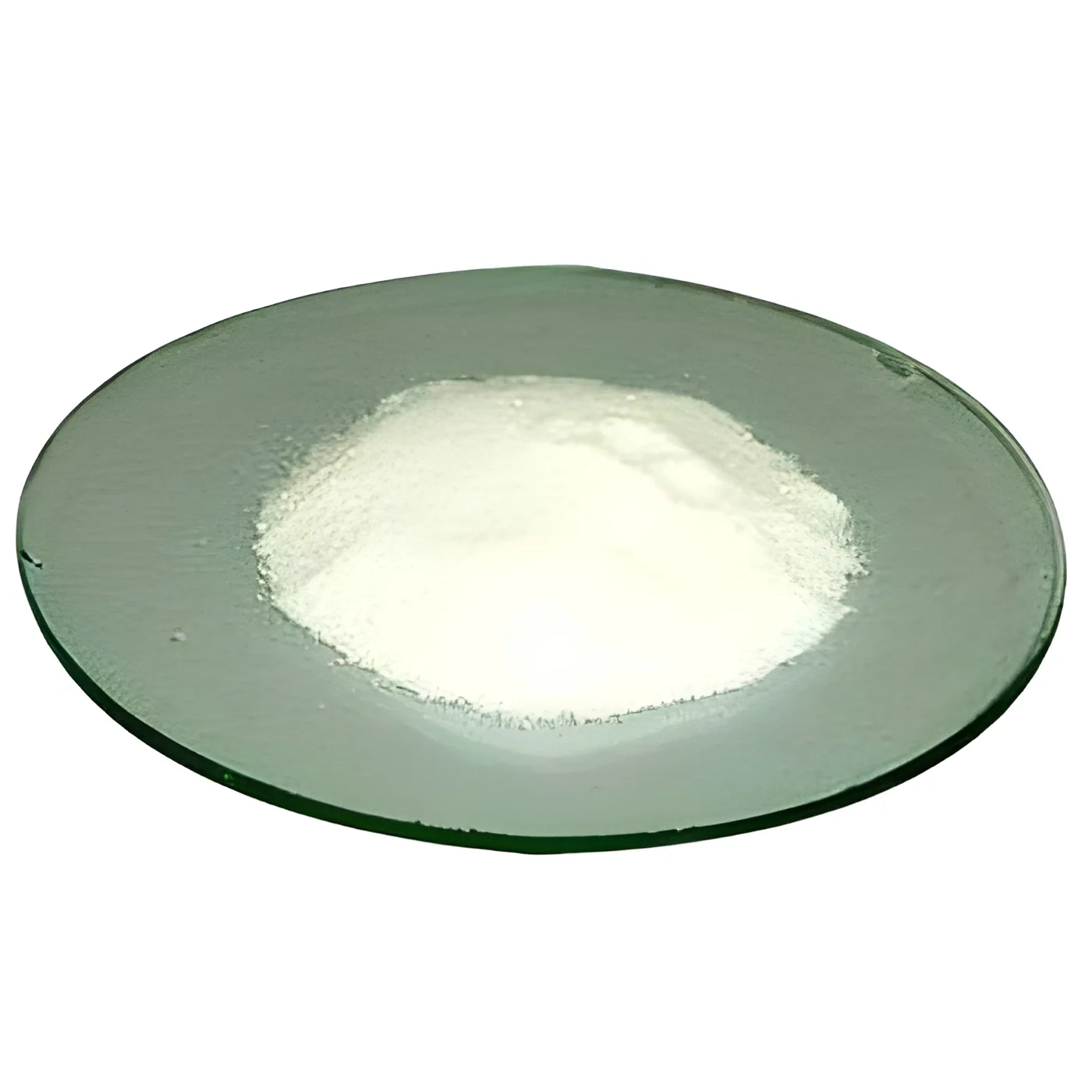
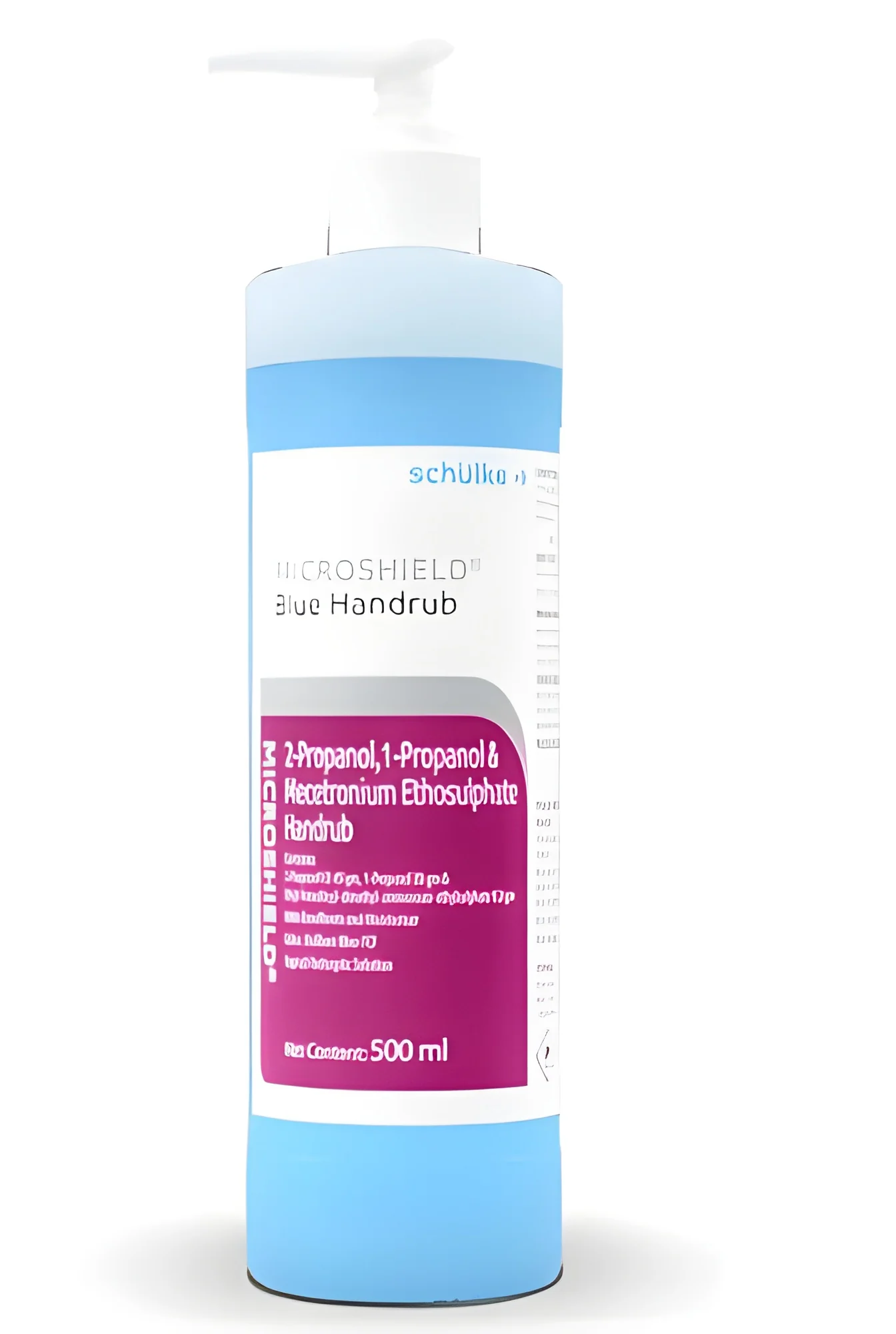
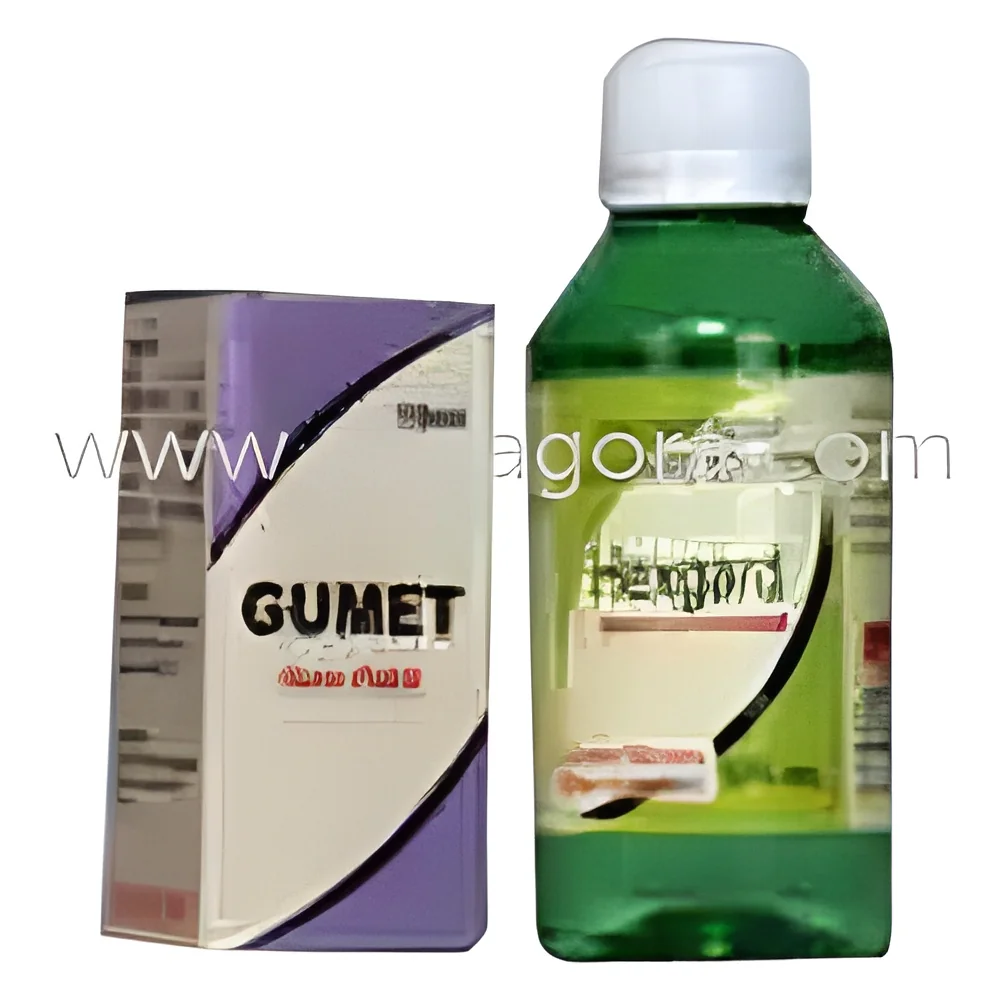
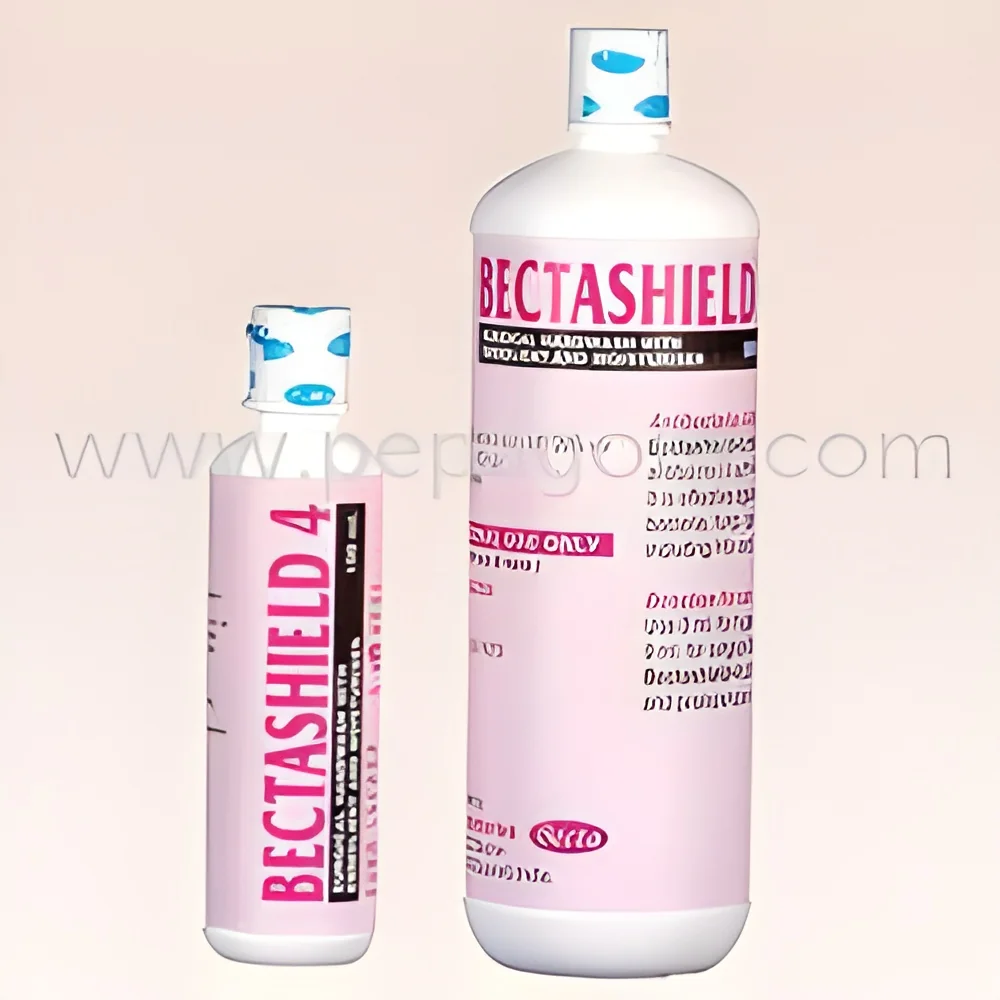
Antiseptic solutions are chemical agents used to inhibit the growth of microorganisms on living tissues and surfaces. Two of the most commonly used antiseptics are Chlorhexidine and Povidone-Iodine. Chlorhexidine is a broad-spectrum antiseptic that is effective against bacteria, viruses, and fungi. It is often used in clinical settings for hand hygiene, wound care, and surgical scrubs. Povidone-Iodine, on the other hand, is a topical antiseptic that releases iodine, providing a rapid antimicrobial effect. It is widely utilized for preoperative skin preparation and wound disinfection.
These antiseptic solutions have a variety of primary uses and applications across multiple sectors. In healthcare, they are integral to infection control practices, used for sterilizing surgical instruments, disinfecting skin before procedures, and treating wounds. Beyond healthcare, industries such as food processing, pharmaceuticals, and personal care products also leverage these antiseptics to maintain hygiene and safety standards. The growing emphasis on health and hygiene has increased the demand for such products, making them a critical component in various industrial applications.
šš²š šš²š®šššæš²š š®š»š± š¦š½š²š°š¶š³š¶š°š®šš¶š¼š»š
Antiseptic solutions like Chlorhexidine and Povidone-Iodine come with specific features that make them effective for their intended uses. These specifications cater to different applications and industry standards.
Key specifications include:
1. Active Ingredient Concentration
- The concentration of active ingredients like Chlorhexidine gluconate or Povidone-Iodine.
- Typically ranges from 0.5% to 10% depending on the intended use.
2. Application Method
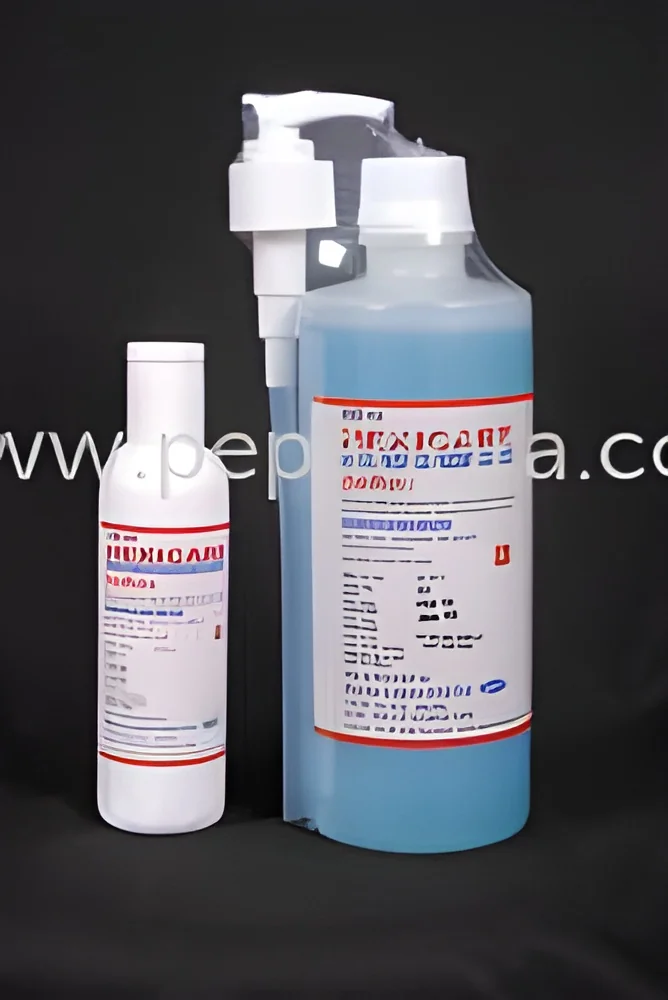
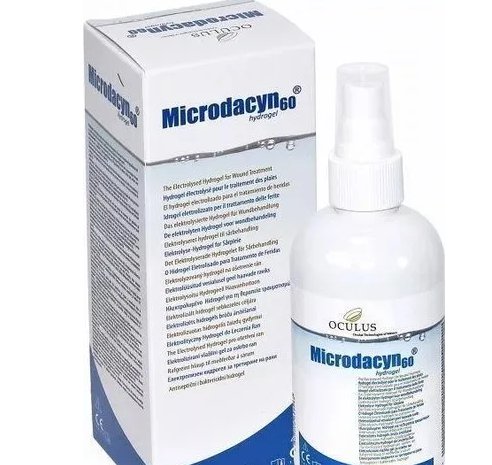
- Solutions can be used as sprays, wipes, or liquids.
- Compatibility with different delivery systems is crucial for effective application.
3. Spectrum of Activity
- Efficacy against a broad range of pathogens including bacteria, viruses, and fungi.
- Tested against specific organisms to ensure reliability in various settings.
4. Skin Tolerance
- Formulations should be dermatologically tested to prevent irritation.
- Hypoallergenic options are available for sensitive skin applications.
5. Shelf Life
- The stability of the solution over time, typically ranging from 2 to 5 years.
- Proper storage conditions can enhance longevity.
6. pH Range
- The pH level of the solution, generally maintained between 4.0 and 7.0.
- Important for both efficacy and skin compatibility.
7. Packaging Options
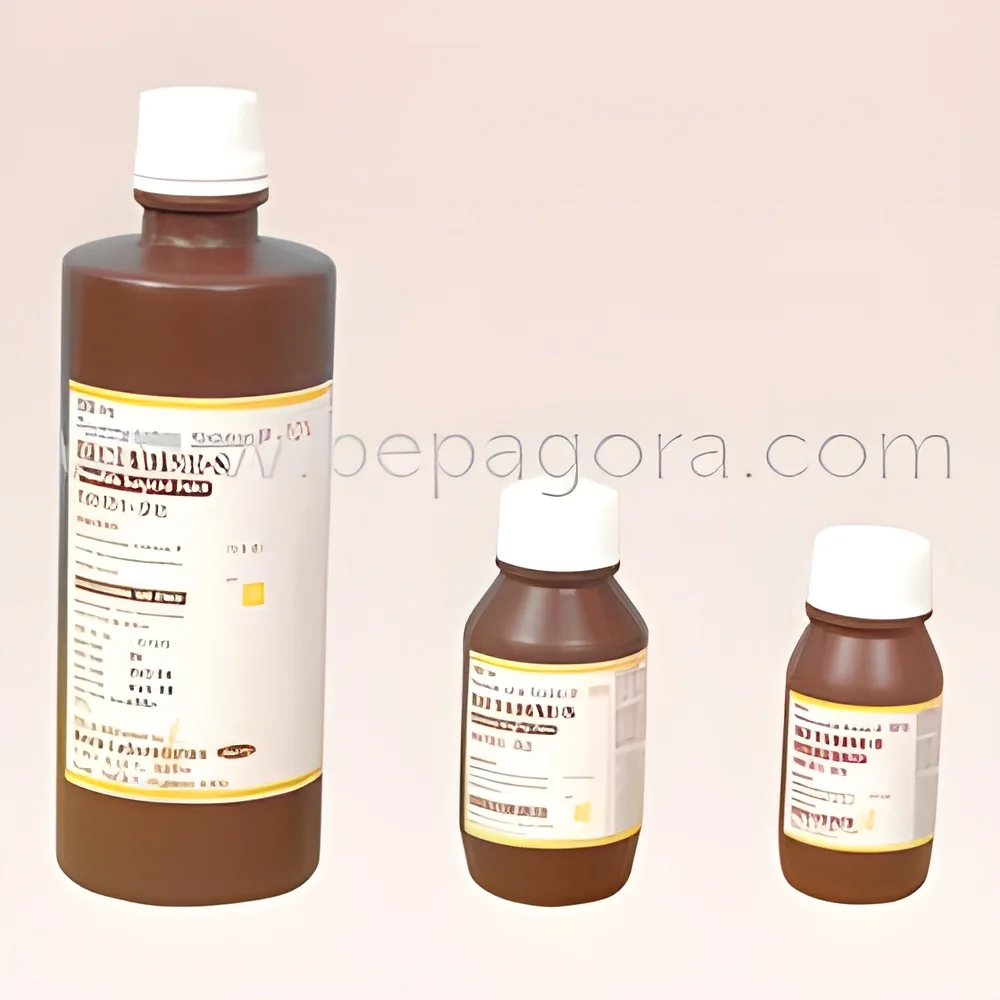
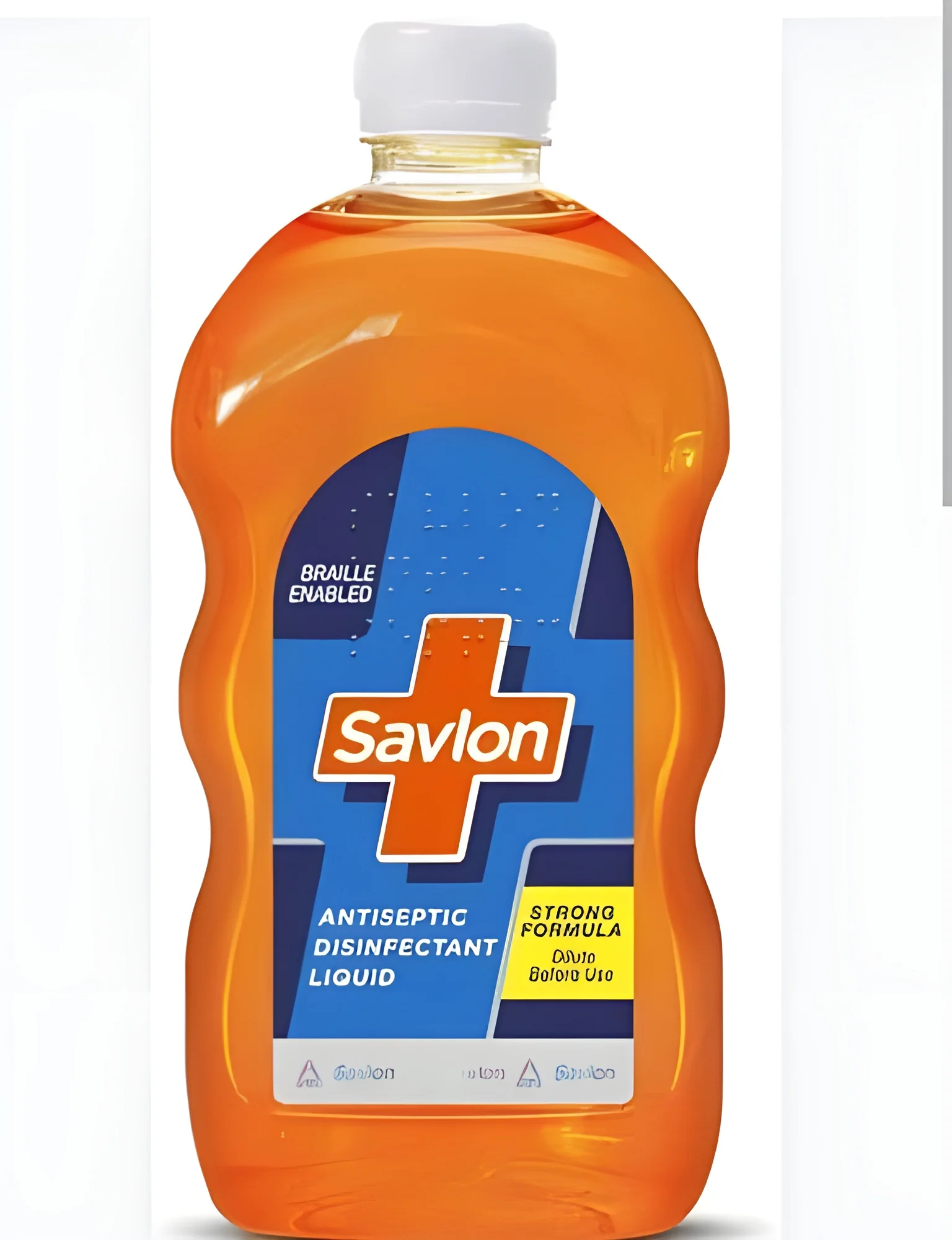
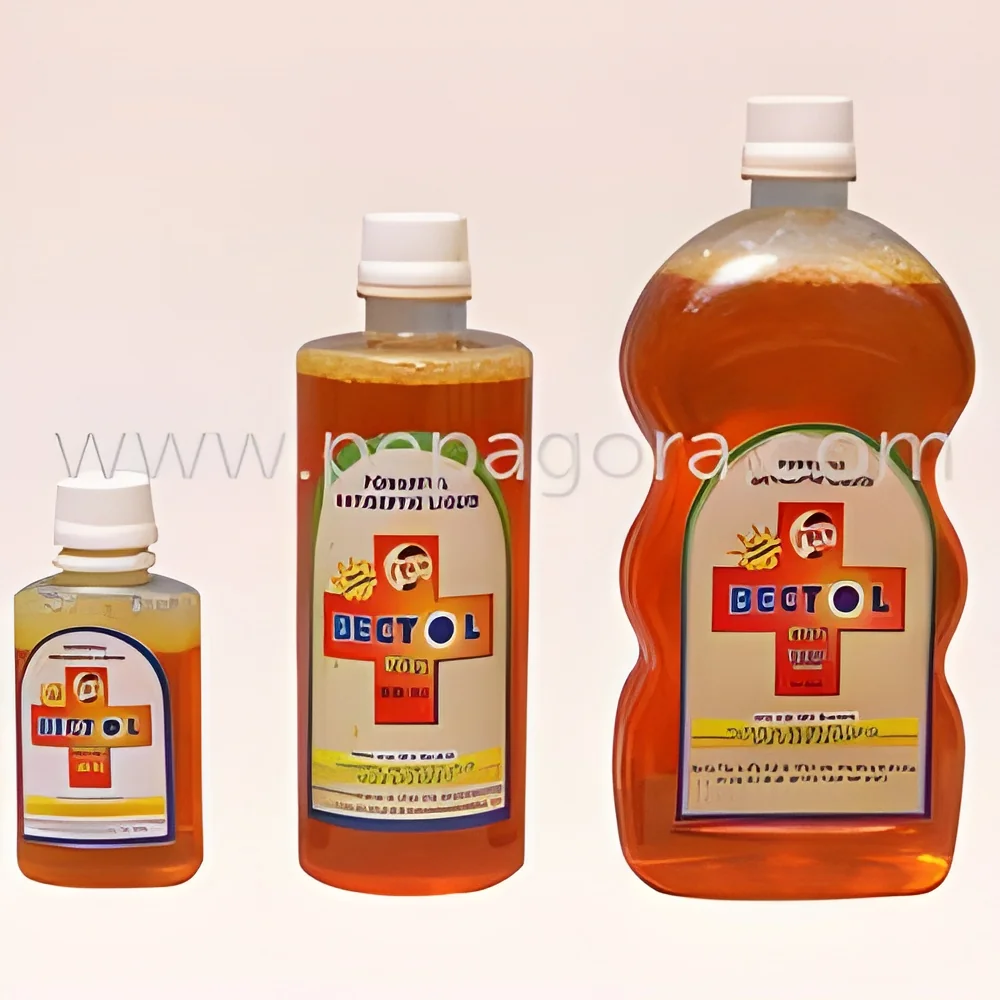
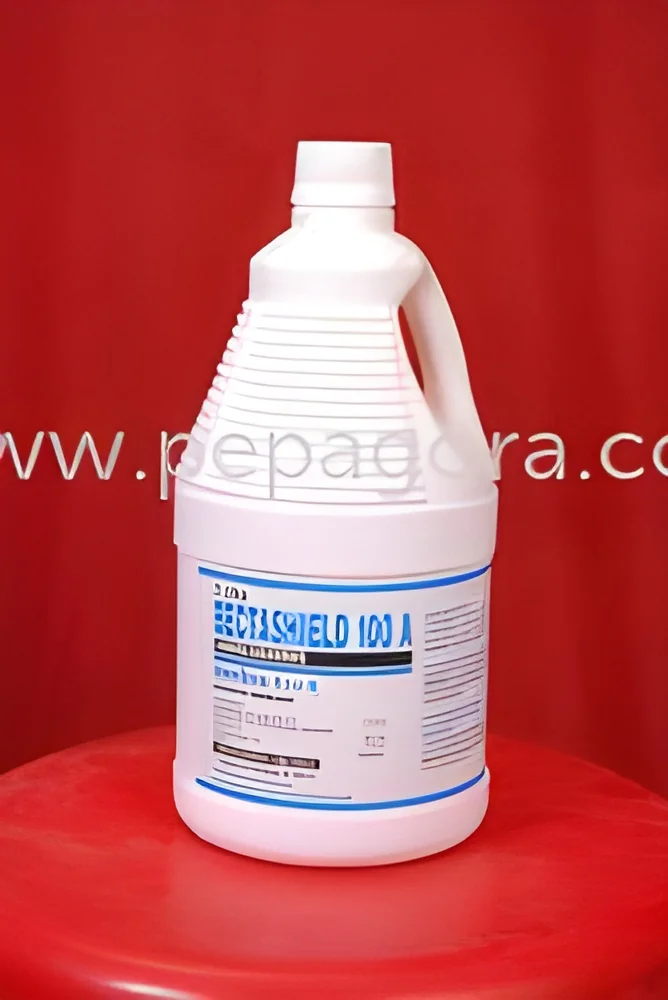
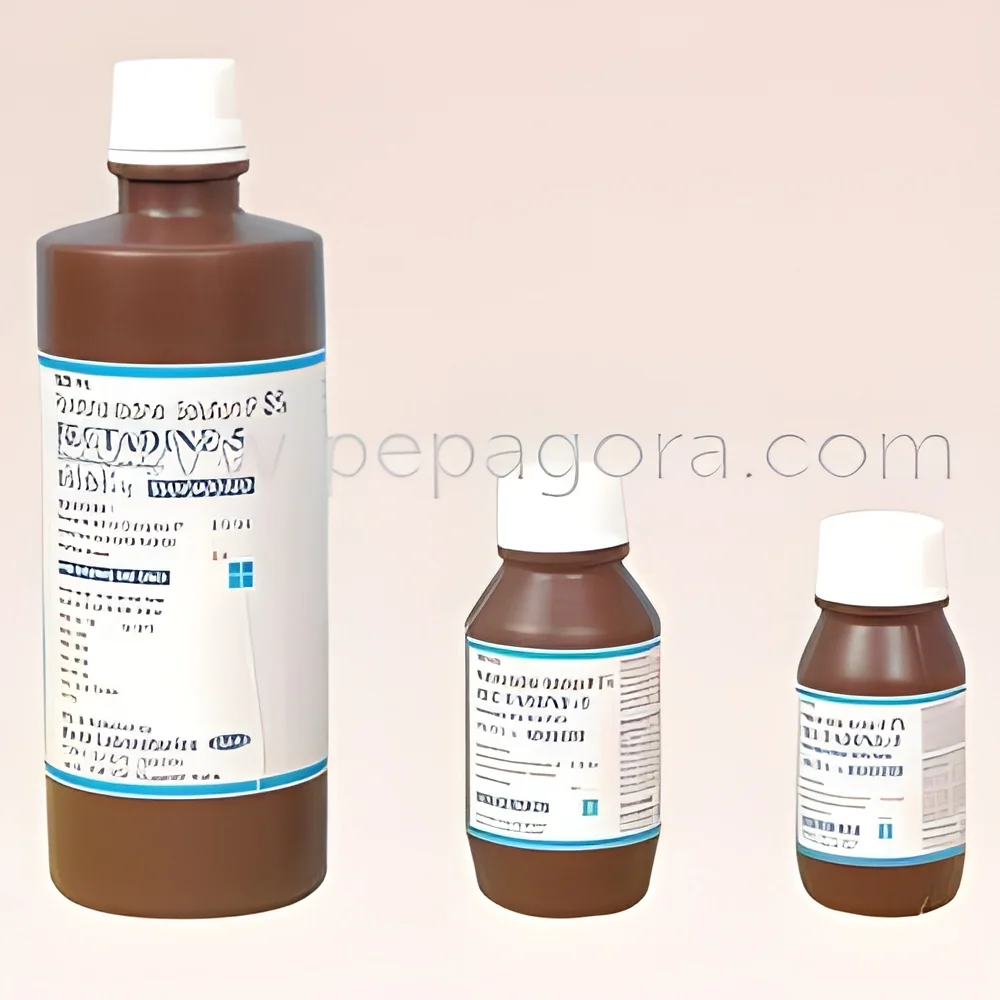
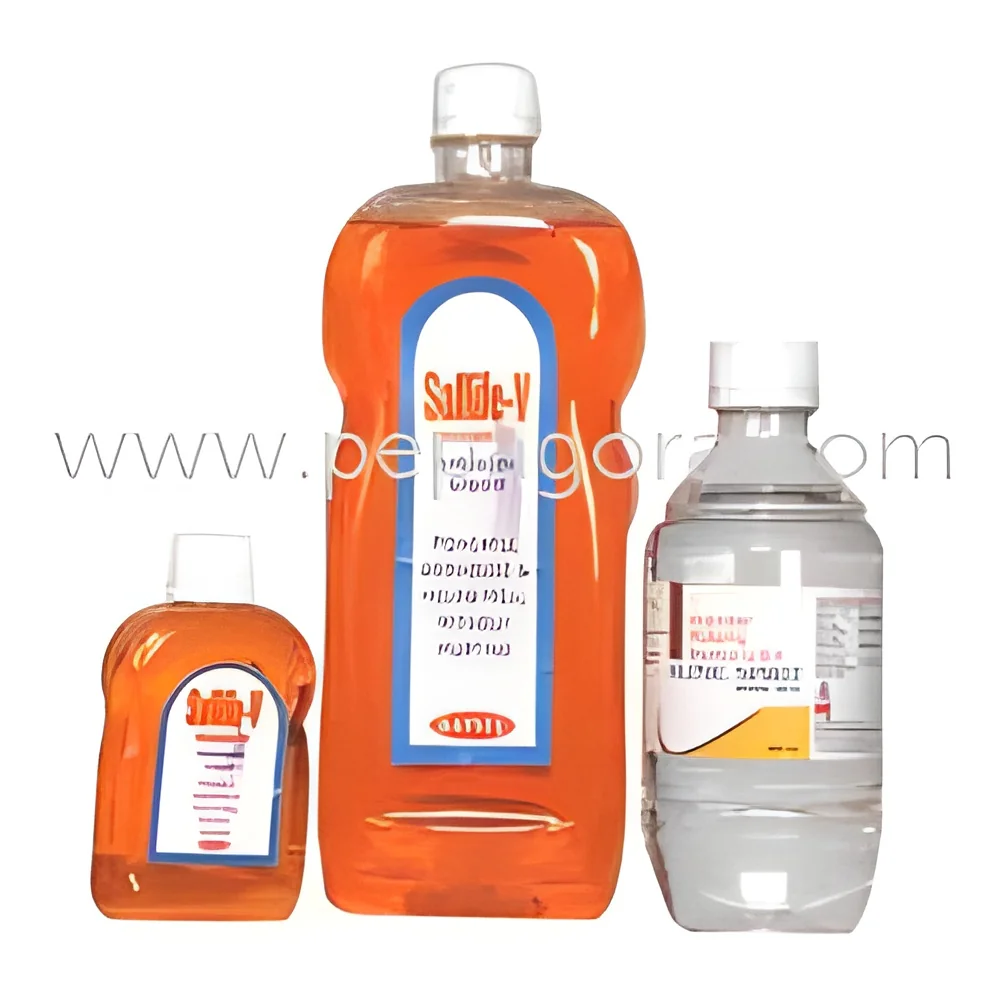
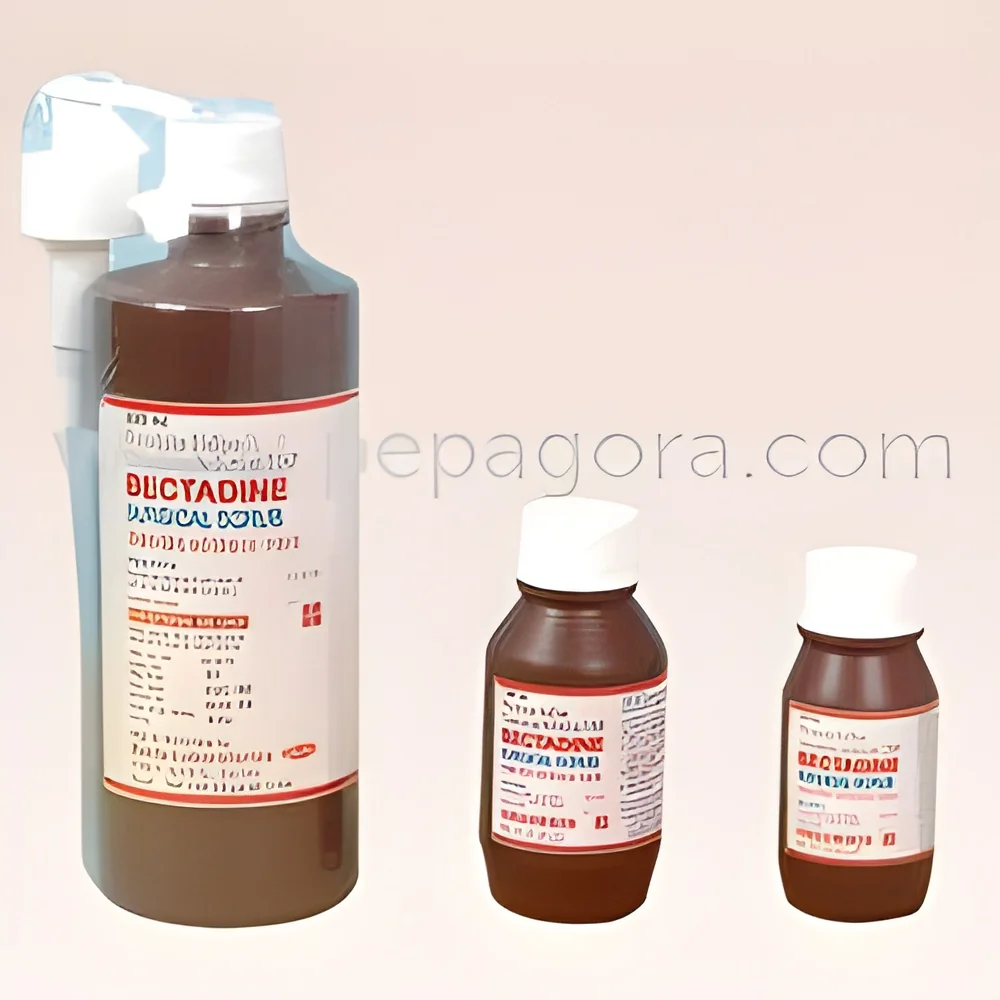
- Available in various sizes from small bottles for personal use to bulk containers for industrial applications.
- Packaging should ensure easy dispensing and storage.
8. Regulatory Compliance
- Must comply with industry standards and regulations for safety and efficacy.
- Certifications like CE indicate adherence to quality benchmarks.

In summary, understanding these features and specifications is essential for selecting the right antiseptic solution for specific industrial applications.
šš¼šŗšŗš¼š» šš½š½š¹š¶š°š®šš¶š¼š»š š®š»š± šØšš² šš®šš²š
Antiseptic solutions are versatile products that serve various industries effectively.
1. Healthcare: In hospitals and clinics, these solutions are used for surgical site preparations, hand sanitization, and treating minor wounds, ensuring a sterile environment.
2. Food Processing: Chlorhexidine and Povidone-Iodine are utilized for sanitizing equipment and surfaces to prevent contamination, ensuring food safety and compliance with health regulations.
3. Pharmaceuticals: These antiseptics are crucial in the manufacturing processes for sterilizing equipment and preventing microbial contamination in products.
4. Personal Care: Many personal care products incorporate these antiseptics for skin cleansing and disinfecting purposes, enhancing consumer safety.
5. Veterinary Medicine: Antiseptic solutions are used in the care of animals for wound treatment and surgical preparations, promoting animal health and hygiene.
6. Industrial Settings: In manufacturing environments, these solutions help maintain hygiene standards in production areas, reducing the risk of contamination.
7. Emergency Services: First responders use these antiseptics to clean wounds and prevent infections in critical situations, ensuring immediate care.
š£šæš¼š±šš°š š©š®šæš¶š®š»šš š®š»š± š¦ššÆš°š®šš²š“š¼šæš¶š²š
Antiseptic solutions come in various formulations tailored to meet specific needs.
Chlorhexidine Solution
This variant is commonly used in medical settings for skin disinfection before procedures and as a hand sanitizer. It is effective against a wide range of pathogens and is available in different concentrations.
Povidone-Iodine Solution
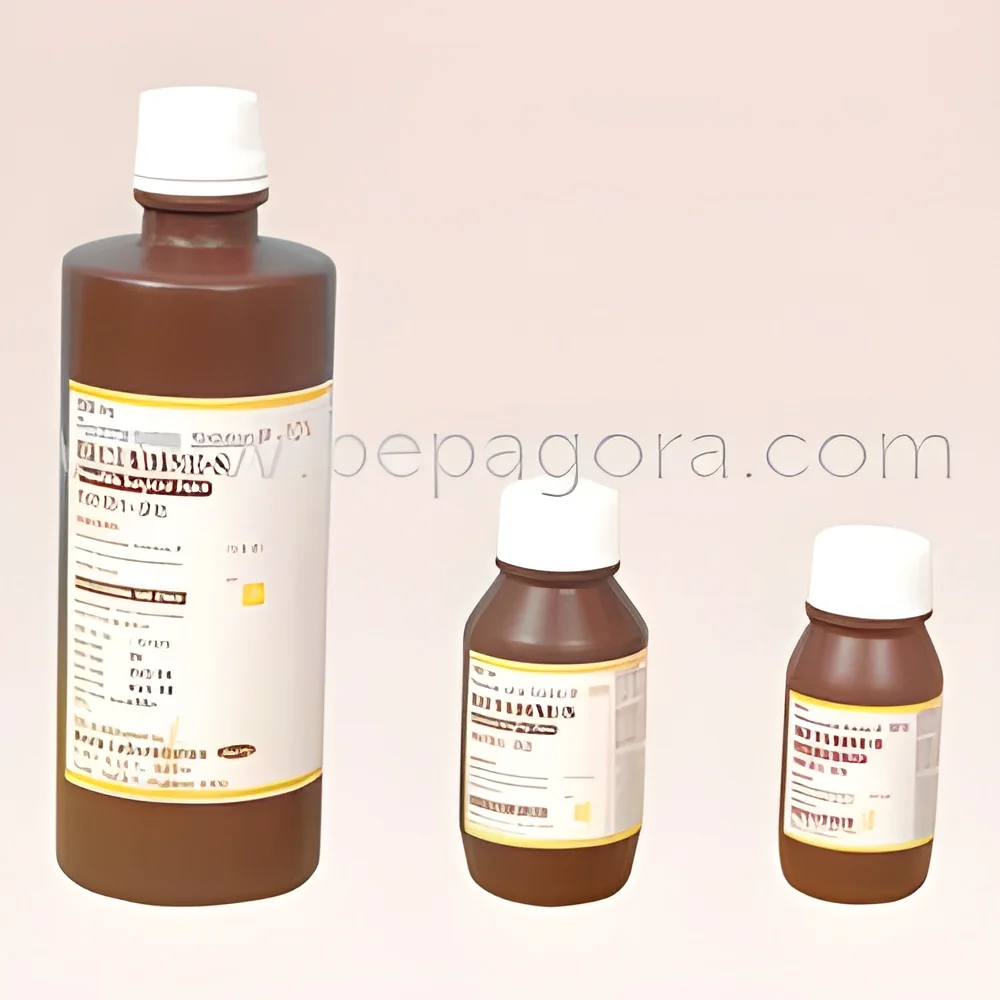
This variant is known for its rapid antimicrobial action and is frequently used for surgical scrubs and wound care. It is effective against bacteria, viruses, and fungi, making it versatile for various applications.
šš²š»š²š³š¶šš š®š»š± šš±šš®š»šš®š“š²š
Antiseptic solutions offer numerous benefits that are crucial for their effectiveness in various applications.
Key benefits include:
1. Broad-Spectrum Efficacy: These solutions are effective against a wide range of microorganisms, providing comprehensive protection in healthcare and industrial settings.
2. Rapid Action: Both Chlorhexidine and Povidone-Iodine act quickly to reduce microbial load, making them ideal for time-sensitive applications such as surgeries.
3. Versatile Applications: Their adaptability allows use in various industries including healthcare, food processing, and personal care, enhancing their market relevance.
4. Enhanced Safety: With proper formulations, these antiseptics minimize the risk of skin irritation, making them suitable for sensitive skin applications.
5. Regulatory Compliance: Many antiseptic solutions meet stringent safety standards, ensuring they are safe for use in critical environments.
6. Cost-Effective: The widespread availability and varying packaging options make these solutions accessible for both small and large-scale applications.
šššš¶š»š“ ššš¶š±š² š³š¼šæ šš®š šššš²šæš
When sourcing Antiseptic Solutions (Chlorhexidine, Povidone-Iodine), it is essential to consider several factors to ensure quality and reliability.
1. Quality Assessment: Look for products that meet recognized quality standards. Evaluate the active ingredient concentrations and overall formulation to ensure efficacy and safety.
2. Supplier Verification: Vet potential suppliers by checking their certifications and reputation in the industry. This ensures that you are sourcing from reliable and compliant manufacturers.
3. Pricing and MOQ: Understand the pricing structure and minimum order quantities to align with your budget and supply needs. Negotiate terms that are favorable for your operations.
4. Delivery and Lead Times: Confirm the supplier's ability to meet your delivery timelines. Efficient logistics are crucial for maintaining operational continuity.
5. Compliance Requirements: Ensure that the products comply with relevant local and international regulations. This includes safety certifications and quality assurance standards.
šš¼šŗš½š¹š¶š®š»š°š² š®š»š± šš²šæšš¶š³š¶š°š®šš¶š¼š»š
Antiseptic solutions must adhere to various quality standards to ensure safety and effectiveness. Key standards include ISO 9001, which focuses on quality management systems, and HACCP, which outlines food safety management practices. Additionally, Good Distribution Practice (GDP) guidelines help ensure that pharmaceutical products are consistently controlled.
Certifications such as CE signify that the products meet European health, safety, and environmental protection standards. This is particularly important in healthcare and food industries where compliance is critical.
Safety and testing requirements are also paramount. Antiseptic solutions must undergo rigorous testing to validate their efficacy against specific pathogens and ensure they are safe for human use.
Regional compliance considerations may vary, so it is essential to be aware of local regulations governing the use of antiseptics in different markets.
Why Source Antiseptic Solutions (Chlorhexidine, Povidone-Iodine) from Pepagora?
Pepagora offers a trusted platform for sourcing Antiseptic Solutions (Chlorhexidine, Povidone-Iodine), providing several key advantages for B2B buyers.
Verified Supplier Network: Pepagora connects buyers with verified suppliers who meet stringent quality and compliance standards. This network ensures that you source reliable and effective products.
Streamlined RFQ Process: The Request for Quotation (RFQ) process is designed to facilitate efficient communication between buyers and suppliers. This allows for quick responses and tailored solutions to meet specific needs.
Trade Assurance and Support: Buyers benefit from trade assurance programs that protect their investments. Support services are available to assist throughout the purchasing process, ensuring peace of mind.
Regional Coverage: Pepagora provides extensive geographic reach, serving markets in India, the GCC, and Southeast Asia. This regional focus allows for efficient sourcing and distribution of antiseptic solutions tailored to local requirements.