𝗪𝗵𝗮𝘁 𝗮𝗿𝗲 𝗔𝗱𝗵𝗲𝘀𝗶𝘃𝗲 𝗕𝗮𝗻𝗱𝗮𝗴𝗲𝘀?
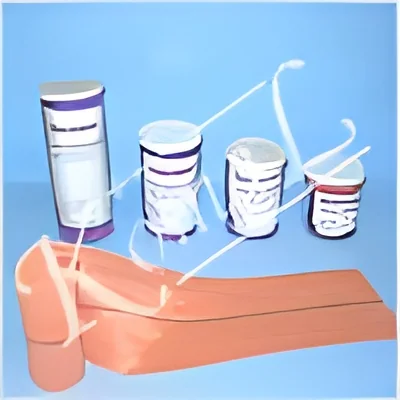
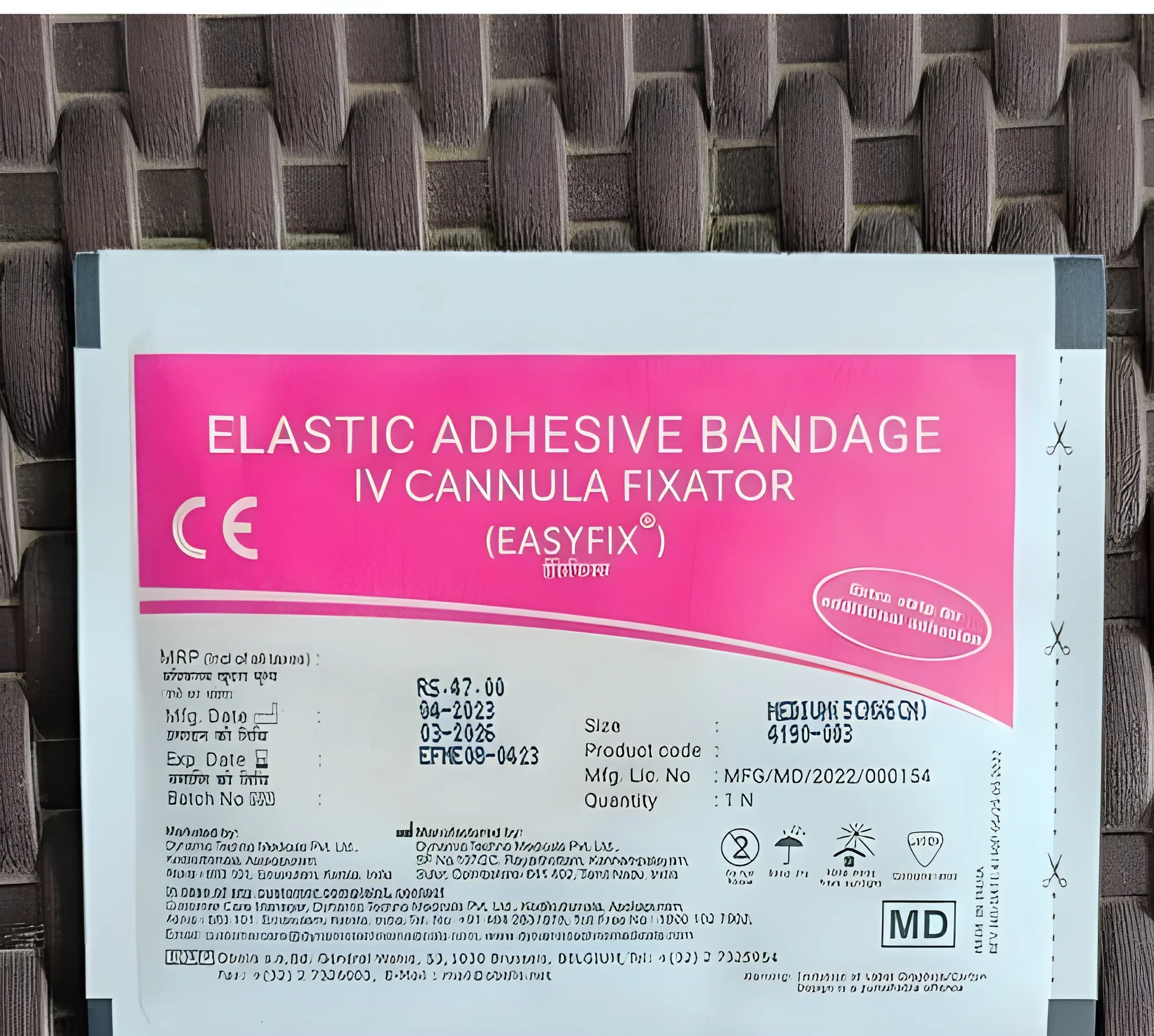
Adhesive Bandages are medical supplies designed for wound care. They consist of a small, sterile pad that is attached to a flexible adhesive strip. This design allows the bandage to adhere to the skin, while the pad protects the wound from external contaminants, promoting a clean healing environment.
These products are widely used in healthcare settings, workplaces, and households. Businesses utilize adhesive bandages for first aid kits, ensuring employees have access to necessary wound care. The versatility of adhesive bandages makes them essential in various industries, including healthcare, manufacturing, and hospitality, where minor injuries can occur frequently.
In the current market, adhesive bandages are a staple due to their convenience and effectiveness. The demand for these products is driven by an increasing focus on workplace safety and health awareness. Moreover, the rapid expansion of the healthcare sector has further solidified the relevance of adhesive bandages in everyday medical practices.
𝗞𝗲𝘆 𝗙𝗲𝗮𝘁𝘂𝗿𝗲𝘀 𝗮𝗻𝗱 𝗦𝗽𝗲𝗰𝗶𝗳𝗶𝗰𝗮𝘁𝗶𝗼𝗻𝘀
Adhesive Bandages offer a variety of features that enhance their usability and effectiveness. Understanding these features is crucial for selecting the right product for your business needs. Key specifications include:
1. Material Composition
- Typically made from flexible fabric or plastic.
- Designed to be breathable and hypoallergenic.
2. Adhesive Strength
- Provides secure adhesion to the skin.
- Ensures bands remain in place during daily activities.
3. Pad Size
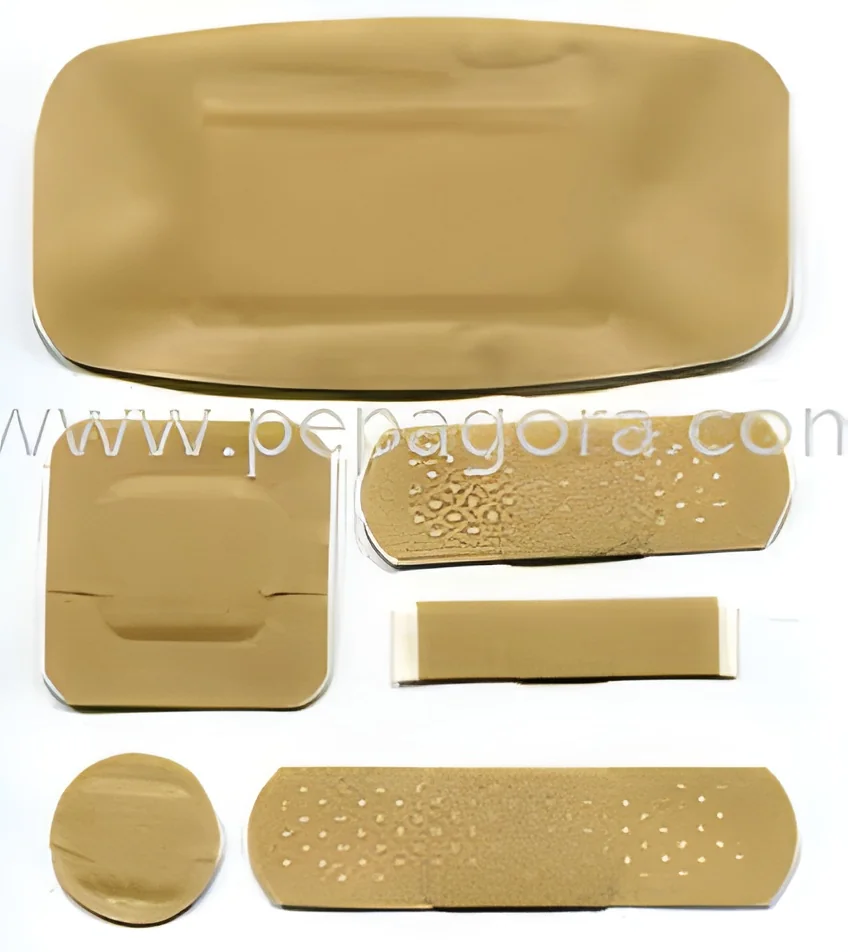
- Available in various sizes to accommodate different wound types.
- Common sizes include small, medium, and large.
4. Sterility
- Most bandages are individually packaged to maintain sterility.
- Ensures safety in medical and first aid applications.
5. Waterproof Features
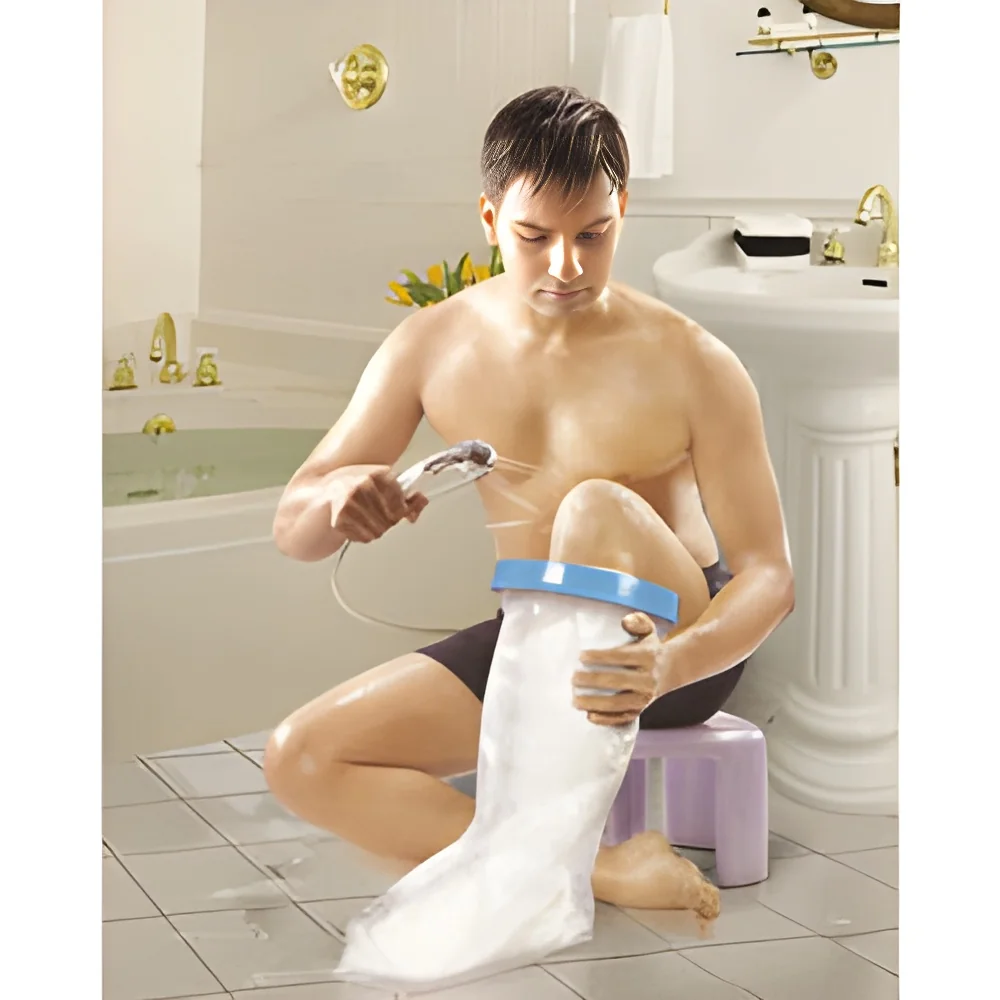
- Some variants are designed to be waterproof.
- Ideal for use in environments where moisture exposure is likely.
6. Wound Types
- Suitable for minor cuts, abrasions, and blisters.
- Some bandages are designed specifically for sensitive skin.
7. Color Options
- Available in skin tones or bright colors for visibility.
- Can cater to personal preferences or branding needs.
In summary, selecting the right adhesive bandage requires an understanding of these specifications to meet the needs of your industry.
𝗖𝗼𝗺𝗺𝗼𝗻 𝗔𝗽𝗽𝗹𝗶𝗰𝗮𝘁𝗶𝗼𝗻𝘀 𝗮𝗻𝗱 𝗨𝘀𝗲 𝗖𝗮𝘀𝗲𝘀
Adhesive Bandages serve various industries, providing essential wound care solutions.
1. Healthcare: In hospitals and clinics, adhesive bandages are used for minor injuries and post-surgical care, ensuring patient safety and hygiene.
2. Manufacturing: Workers in manufacturing environments often suffer minor cuts. Adhesive bandages are crucial for maintaining safety and preventing infections.
3. Hospitality: In restaurants and hotels, staff members may encounter minor injuries. Having adhesive bandages readily available promotes quick response and employee well-being.
4. Sports: Athletes and trainers use adhesive bandages for quick treatment of cuts and scrapes, allowing for continued participation in activities.
5. Home Use: Households keep adhesive bandages for everyday injuries, ensuring quick access to first aid for family members.
6. Education: Schools utilize adhesive bandages in first aid kits to address minor injuries that occur during school activities.
7. Retail: Retail environments also benefit from adhesive bandages for staff and customers, promoting a safe shopping experience.
𝗣𝗿𝗼𝗱𝘂𝗰𝘁 𝗩𝗮𝗿𝗶𝗮𝗻𝘁𝘀 𝗮𝗻𝗱 𝗦𝘂𝗯𝗰𝗮𝘁𝗲𝗴𝗼𝗿𝗶𝗲𝘀
Adhesive Bandages come in various forms, each catering to specific needs.
Standard Adhesive Bandages
These are the most common type, featuring a standard pad size and adhesive strip. They are versatile and suitable for general use.
Waterproof Adhesive Bandages
Designed to repel water, these bandages are ideal for individuals who are active or exposed to moisture. They provide protection while allowing for flexibility.
Fabric Adhesive Bandages
Made from soft, breathable fabric, these bandages conform to the skin. They are excellent for sensitive skin and provide comfort during wear.
Specialty Adhesive Bandages
These bandages cater to specific needs, such as blister care or larger wound coverage. They often have advanced features for enhanced protection.
𝗕𝗲𝗻𝗲𝗳𝗶𝘁𝘀 𝗮𝗻𝗱 𝗔𝗱𝘃𝗮𝗻𝘁𝗮𝗴𝗲𝘀
Adhesive Bandages offer numerous advantages for both personal and professional use.
1. Convenience: Easy to apply and remove, making them user-friendly for all ages.
2. Protection: Shields wounds from dirt and bacteria, reducing the risk of infection.
3. Versatility: Suitable for various wound types and environments, making them a staple in first aid kits.
4. Comfort: Many options are designed for sensitive skin, minimizing discomfort during wear.
5. Accessibility: Readily available in retail and medical supply outlets, ensuring quick access.
6. Cost-Effective: Affordable options make it easy for businesses to maintain adequate supplies.
𝗕𝘂𝘆𝗶𝗻𝗴 𝗚𝘂𝗶𝗱𝗲 𝗳𝗼𝗿 𝗕𝟮𝗕 𝗕𝘂𝘆𝗲𝗿𝘀
When sourcing Adhesive Bandages, consider several critical factors to ensure you make informed purchasing decisions.
1. Quality Assessment: Evaluate the quality of adhesive bandages by reviewing certifications and standards. Look for products that meet or exceed industry benchmarks to ensure reliability.
2. Supplier Verification: Vet suppliers by checking their credentials, reputation, and customer reviews. Establishing trust with suppliers is crucial for long-term business relationships.
3. Pricing and MOQ: Understand the pricing structure and minimum order quantities (MOQ) to align with your budget and inventory needs. Negotiating bulk pricing can lead to cost savings.
4. Delivery and Lead Times: Discuss logistics and expected lead times with suppliers. Timely delivery is essential for maintaining adequate stock levels.
5. Compliance Requirements: Ensure that the adhesive bandages comply with regional regulations and standards. This may include checking for certifications such as CE.
𝗖𝗼𝗺𝗽𝗹𝗶𝗮𝗻𝗰𝗲 𝗮𝗻𝗱 𝗖𝗲𝗿𝘁𝗶𝗳𝗶𝗰𝗮𝘁𝗶𝗼𝗻𝘀
Adhesive Bandages are subject to various quality standards and certifications that ensure their safety and effectiveness.
ISO 9001 is a widely recognized standard that emphasizes quality management systems. Manufacturers of adhesive bandages should adhere to this standard to ensure consistent product quality.
CE certification indicates that the product meets European health, safety, and environmental protection standards. This certification is crucial for market acceptance in Europe.
Safety and testing requirements are critical in the manufacturing process. Adhesive bandages must undergo rigorous testing to ensure they are safe for use on the skin and effective in wound care.
Regional compliance considerations may vary based on local regulations. It is essential for manufacturers and suppliers to stay updated with these requirements to maintain market accessibility.
𝗪𝗵𝘆 𝗦𝗼𝘂𝗿𝗰𝗲 𝗔𝗱𝗵𝗲𝘀𝗶𝘃𝗲 𝗕𝗮𝗻𝗱𝗮𝗴𝗲𝘀 𝗳𝗿𝗼𝗺 𝗣𝗲𝗽𝗮𝗴𝗼𝗿𝗮?
Pepagora provides a trusted platform for sourcing Adhesive Bandages, offering several key advantages to B2B buyers.
Verified Supplier Network: Pepagora connects buyers with a network of verified suppliers, ensuring reliability and quality. This network allows businesses to source products with confidence.
Streamlined RFQ Process: The request for quotation (RFQ) process on Pepagora is designed to be efficient and user-friendly. Buyers can quickly obtain quotes from multiple suppliers, facilitating informed decision-making.
Trade Assurance and Support: Pepagora offers trade assurance that protects buyers against potential disputes. This support provides peace of mind when making purchases.
Regional Coverage: With a strong presence in India, the GCC, and Southeast Asia, Pepagora is well-positioned to cater to diverse geographic markets. This extensive coverage helps businesses find local suppliers and meet their specific needs.

 IN
IN