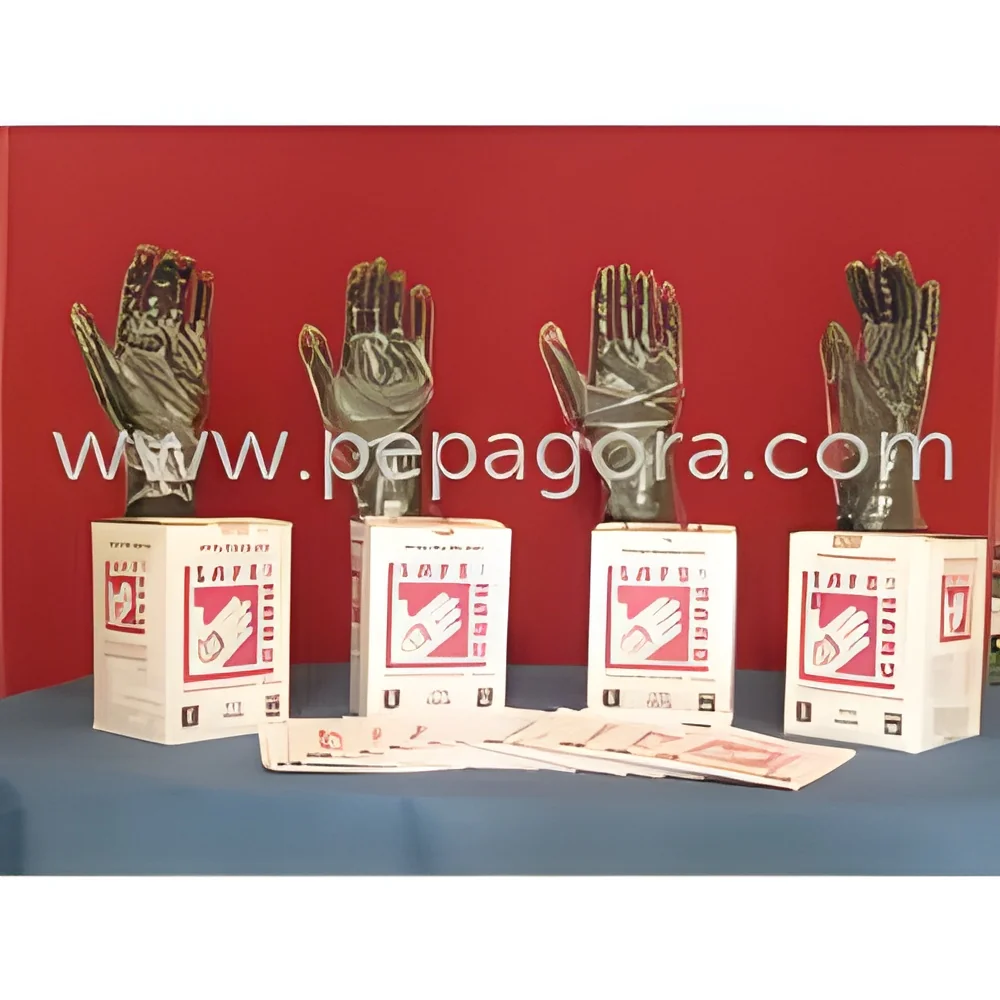
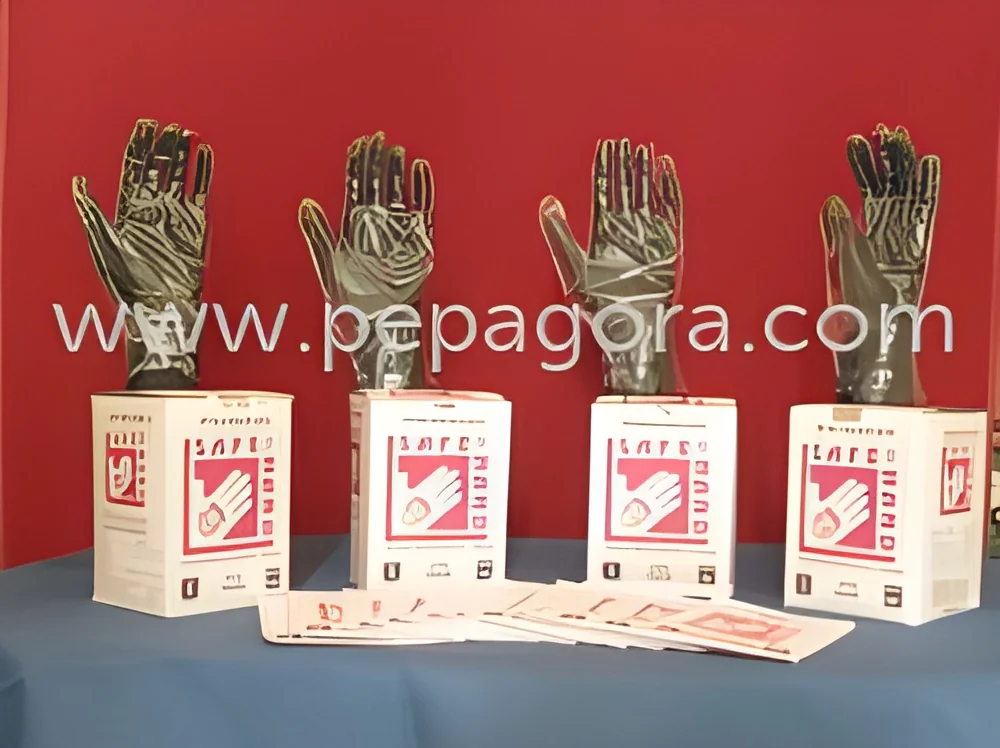
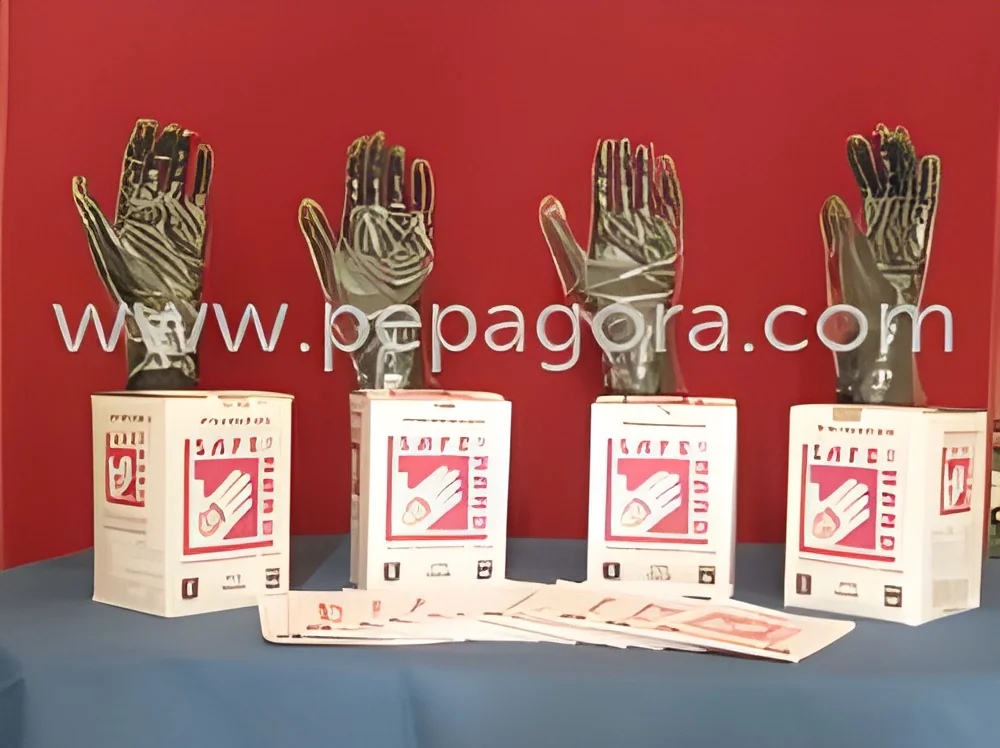
What are Surgical Sterile Gloves?
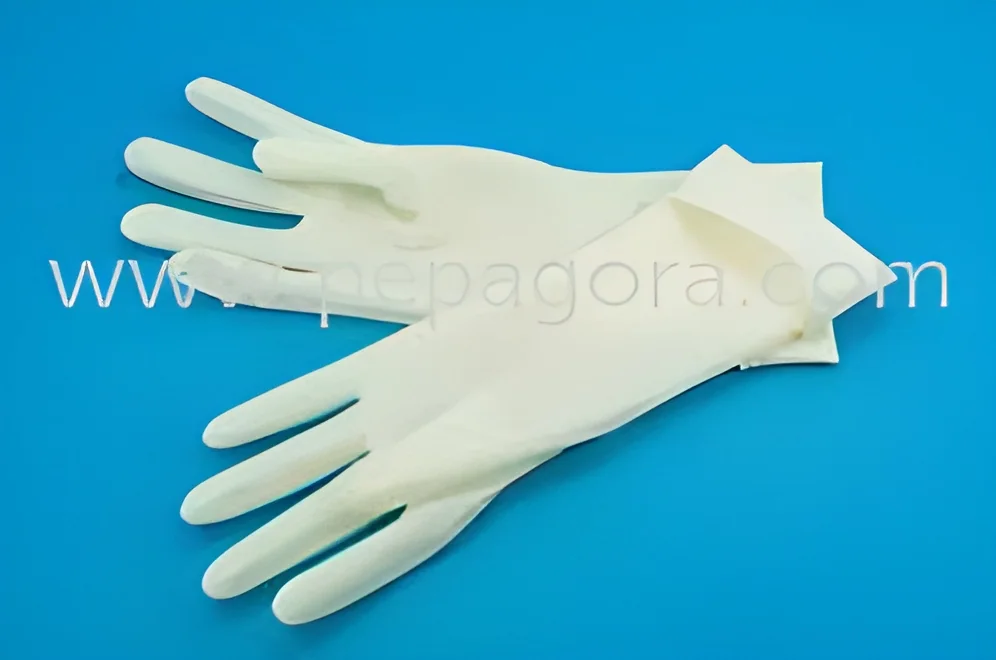
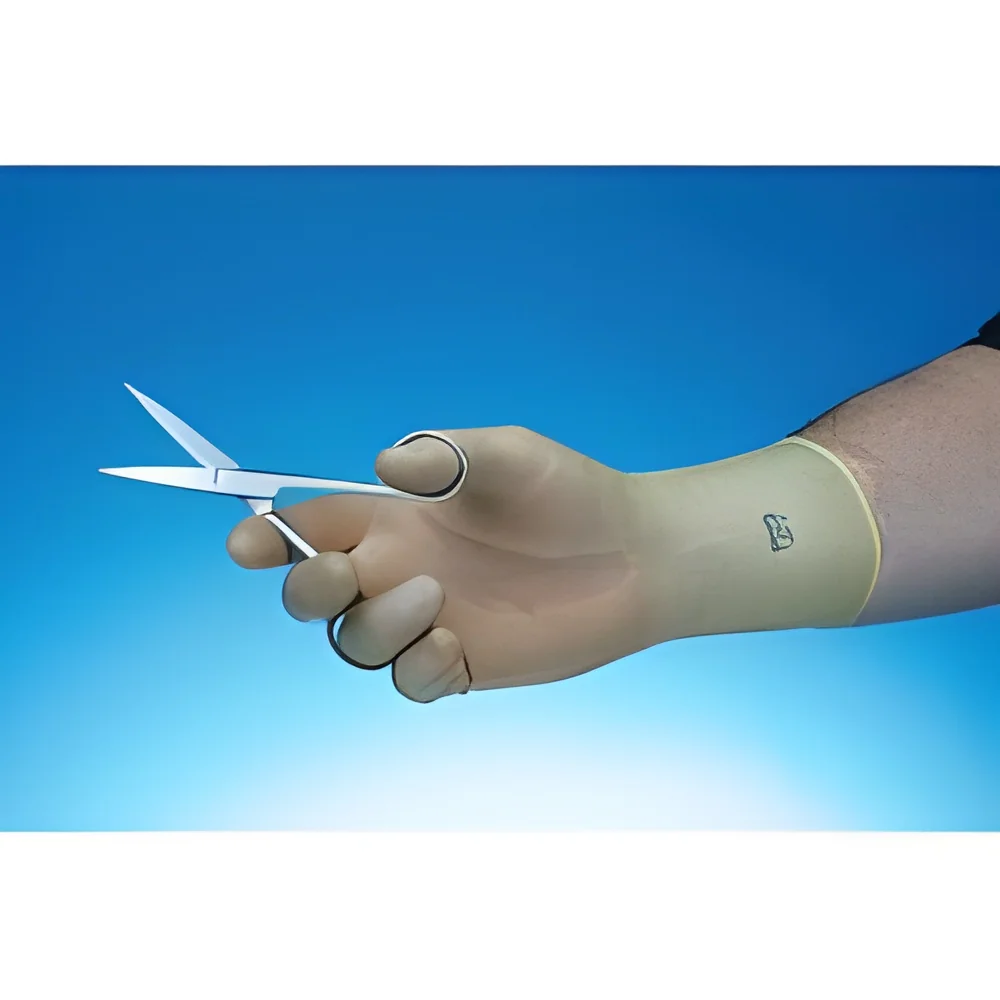
Surgical sterile gloves are specialized protective wear designed to prevent contamination during surgical procedures and medical examinations. They are made from various materials, including latex, nitrile, and vinyl, and undergo rigorous sterilization processes to ensure they are free from bacteria and viruses. The primary function of these gloves is to create a barrier between healthcare professionals and patients, thereby minimizing the risk of infection and maintaining a sterile environment.
These gloves are commonly used in hospitals, clinics, and surgical centers. They are essential for surgeons, nurses, and other medical personnel who engage in invasive procedures. Beyond surgeries, they are also utilized in various medical examinations and laboratory settings. The demand for surgical sterile gloves has increased significantly, driven by heightened awareness of infection control and safety in healthcare settings. Industries such as healthcare, pharmaceuticals, and biotechnology prioritize the use of these gloves to comply with stringent health regulations.
Key Features and Specifications
Surgical sterile gloves are characterized by a range of features that ensure optimal performance and safety. These gloves meet specific standards to guarantee quality and reliability in medical environments.
Key specifications include:
1. Material Type
- Common materials include latex, nitrile, and vinyl.
- Each type has unique properties, such as elasticity and chemical resistance.
2. Size Range
- Available in various sizes, typically from small to extra-large.
- Proper fit is crucial for dexterity and comfort during procedures.
3. Sterilization Method
- Most gloves are sterilized using ethylene oxide or gamma radiation.
- This ensures the highest level of microbial cleanliness.
4. Thickness
- Typically ranges from 0.1 mm to 0.25 mm.
- Thicker gloves provide more protection but may reduce sensitivity.
5. AQL (Acceptable Quality Level)
- AQL values typically range from 1.5 to 2.5.
- A lower AQL indicates higher quality and fewer defects.
6. Powdered vs. Powder-Free
- Available in both powdered for easier donning and powder-free for reduced irritation.
- Powder-free options are increasingly preferred in surgical settings.
7. Compliance Standards
- Must meet regulatory standards such as CE marking.
- Compliance with ISO 9001 and other relevant quality standards is essential.
8. Shelf Life
- Typically ranges from three to five years.
- Proper storage conditions are necessary to maintain integrity.
These specifications ensure that surgical sterile gloves provide the necessary protection and functionality required in medical environments.
Common Applications and Use Cases
Surgical sterile gloves find application across numerous industries, reflecting their versatility and importance in maintaining hygiene.
1. Healthcare: Surgical sterile gloves are predominantly used in hospitals and clinics for surgical procedures, where maintaining a sterile environment is critical.
2. Laboratories: In research and diagnostic labs, these gloves protect against contamination when handling samples or conducting tests.
3. Pharmaceuticals: Pharmaceutical manufacturers use sterile gloves during the production and packaging of medications to prevent contamination.
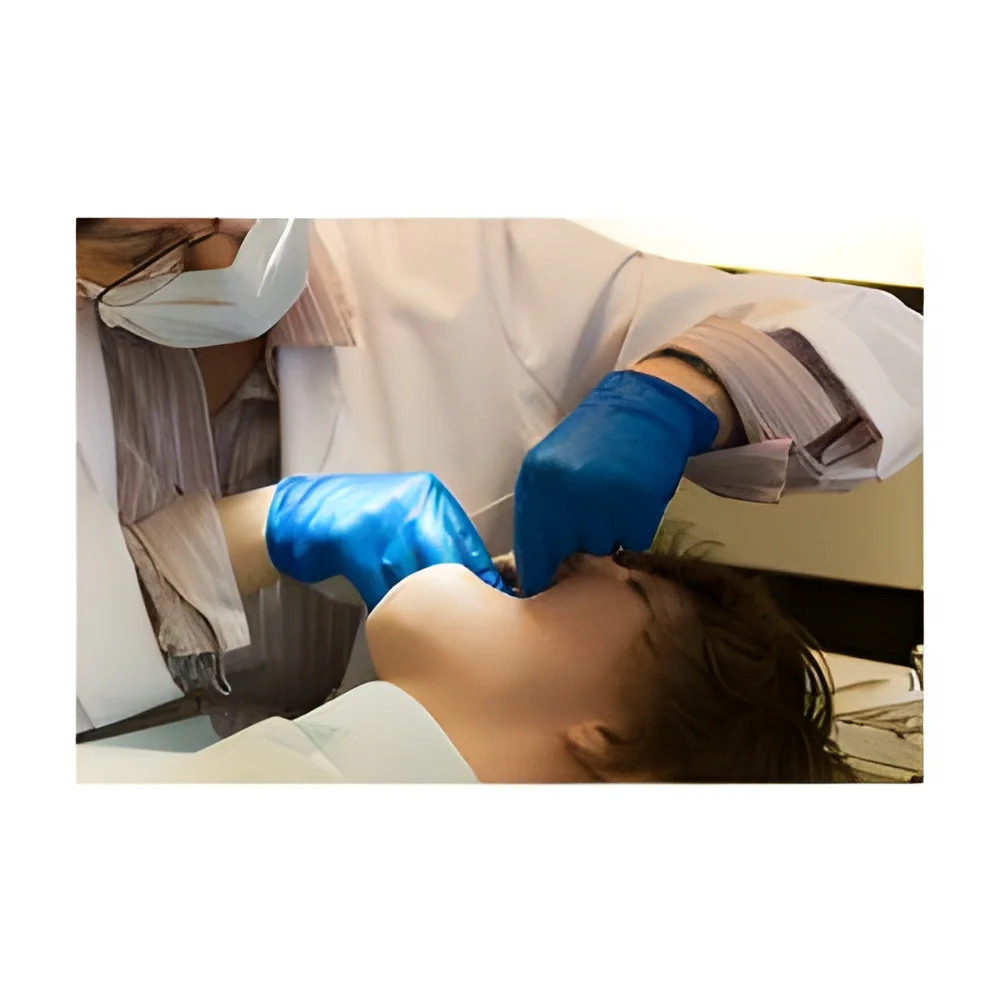
4. Dental: Dentists and dental hygienists rely on surgical sterile gloves for procedures to protect both patients and staff.
5. Biotechnology: In biotech settings, gloves are essential for handling sensitive materials and ensuring compliance with strict safety standards.
6. Veterinary: Veterinary professionals use surgical sterile gloves during surgical procedures and examinations to ensure the safety of both animals and humans.
7. Food Industry: In some cases, sterile gloves are used in food preparation areas to prevent contamination and ensure food safety.
Product Variants and Subcategories
Surgical sterile gloves are available in various forms to cater to different needs and preferences within the medical community.
Latex Surgical Gloves
These gloves offer excellent elasticity and comfort, making them a preferred choice for many healthcare professionals. They provide a high level of tactile sensitivity, which is essential during intricate surgical procedures.
Nitrile Surgical Gloves
Nitrile gloves are an excellent alternative for individuals with latex allergies. They are highly durable, puncture-resistant, and offer a snug fit, making them suitable for various medical applications.
Vinyl Surgical Gloves
Vinyl gloves provide a cost-effective solution for non-invasive procedures. They are less elastic than latex or nitrile but are suitable for short-term tasks where high durability is not required.
Powder-Free Surgical Gloves
These gloves are designed to reduce the risk of allergic reactions and irritation. They are often preferred in surgical settings where maintaining a sterile environment is crucial.
Benefits and Advantages
Choosing surgical sterile gloves comes with numerous advantages that enhance safety and efficiency in medical environments.
1. Infection Control: Surgical sterile gloves significantly reduce the risk of cross-contamination between healthcare providers and patients.
2. Enhanced Dexterity: Many gloves are designed to provide a high level of sensitivity and dexterity, allowing for precise movements during procedures.
3. Comfort: Available in various sizes and materials, these gloves can be chosen for optimal comfort, reducing fatigue during long procedures.
4. Chemical Resistance: Nitrile gloves, in particular, offer protection against various chemicals, making them suitable for laboratory and pharmaceutical applications.
5. Latex Allergy Options: With the availability of nitrile and vinyl variants, individuals with latex allergies can safely use surgical gloves.
6. Compliance with Regulations: Using certified gloves ensures that healthcare facilities meet regulatory requirements and maintain high safety standards.
Buying Guide for B2B Buyers
When sourcing surgical sterile gloves, there are several critical factors to consider to ensure quality and compliance.
1. Quality Assessment: Look for gloves that meet international standards and certifications, such as CE marking. Conduct thorough testing to verify material integrity and performance.
2. Supplier Verification: Vet suppliers carefully by checking their credentials, customer feedback, and compliance with industry regulations. A reliable supplier will have a proven track record.
3. Pricing and MOQ: Understand the pricing structure and minimum order quantities. Compare different suppliers to ensure you receive competitive pricing without compromising quality.
4. Delivery and Lead Times: Inquire about delivery schedules and lead times. Timely delivery is crucial in the medical field to maintain inventory and meet operational needs.
5. Compliance Requirements: Ensure that the gloves meet all necessary health and safety regulations. Familiarize yourself with regional compliance standards and testing requirements.
Compliance and Certifications
Surgical sterile gloves must adhere to various quality standards and certifications to ensure safety and efficacy in medical applications. Compliance with ISO 9001 is crucial as it outlines the requirements for a quality management system. This ensures that manufacturing processes consistently produce high-quality products.
In addition to ISO certifications, surgical sterile gloves must carry CE marking, indicating they meet European health, safety, and environmental protection standards. This certification is essential for distribution within the European Economic Area.
Safety and testing requirements are also paramount. Gloves must undergo rigorous testing for puncture resistance, tensile strength, and microbial barrier performance. Regional compliance considerations may vary, so it is important to understand local regulations regarding medical device safety and efficacy.
Why Source Surgical Sterile Gloves from Pepagora?
Pepagora provides a trusted platform for sourcing surgical sterile gloves, offering several key advantages to B2B buyers.
Verified Supplier Network: Pepagora works with a network of verified suppliers who comply with stringent industry standards. This ensures that buyers can source high-quality gloves with confidence.
Streamlined RFQ Process: The request for quotation (RFQ) process is simplified, allowing buyers to receive competitive quotes from multiple suppliers quickly. This efficiency aids in making informed purchasing decisions.
Trade Assurance and Support: Pepagora offers trade assurance, providing buyers with protection throughout the purchasing process. This support helps mitigate risks associated with online sourcing.
Regional Coverage: With a strong presence in regions such as India, the GCC, and Southeast Asia, Pepagora facilitates sourcing across diverse markets. This geographic reach helps buyers find the right products tailored to their specific needs.

 IN
IN