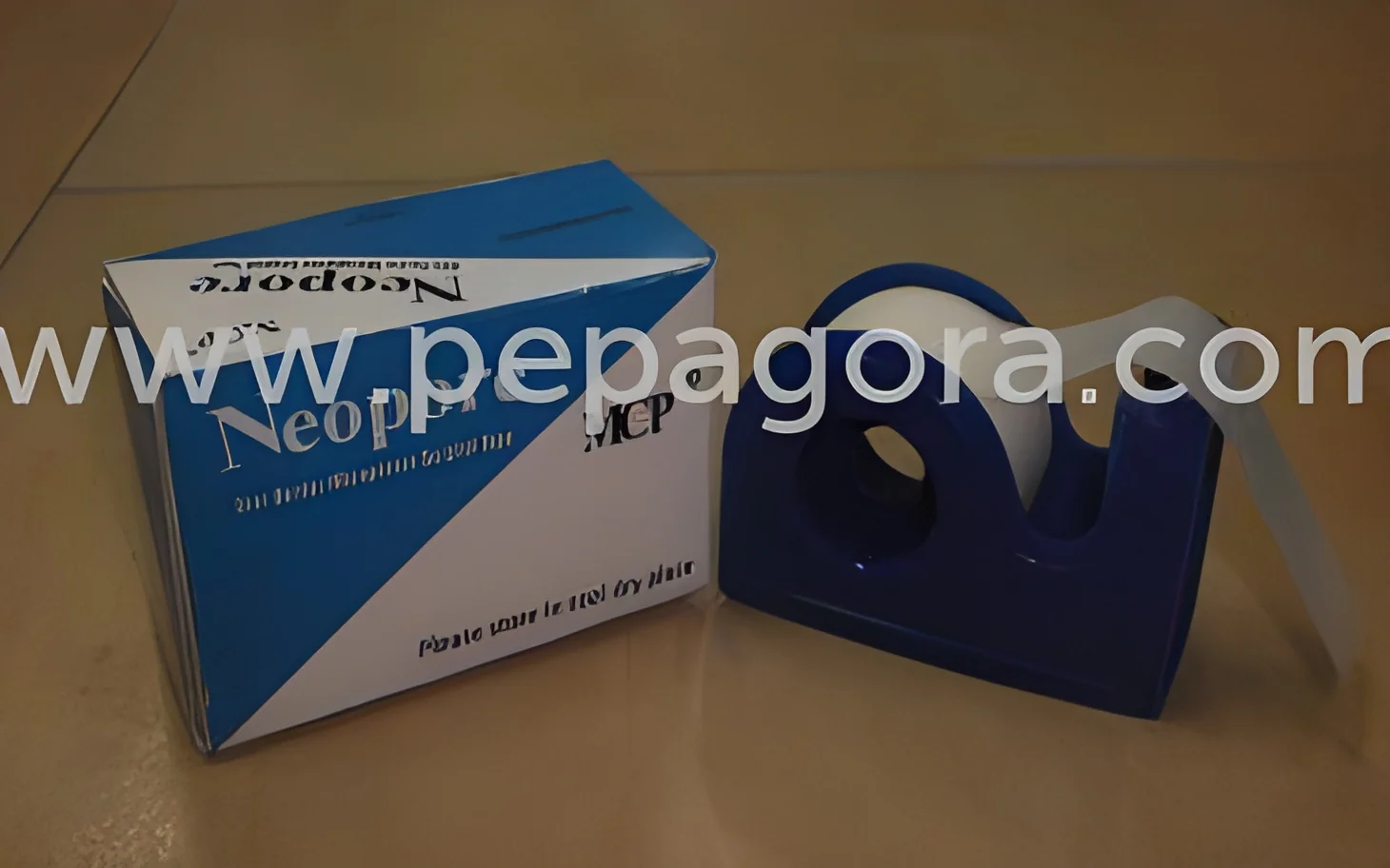
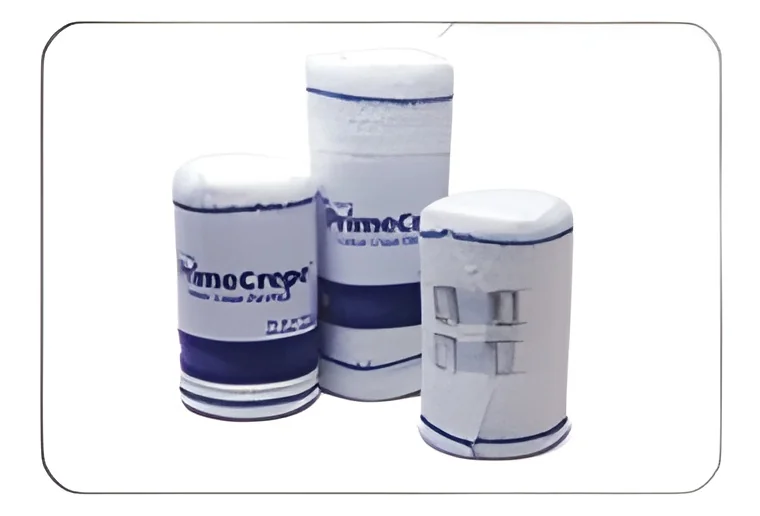
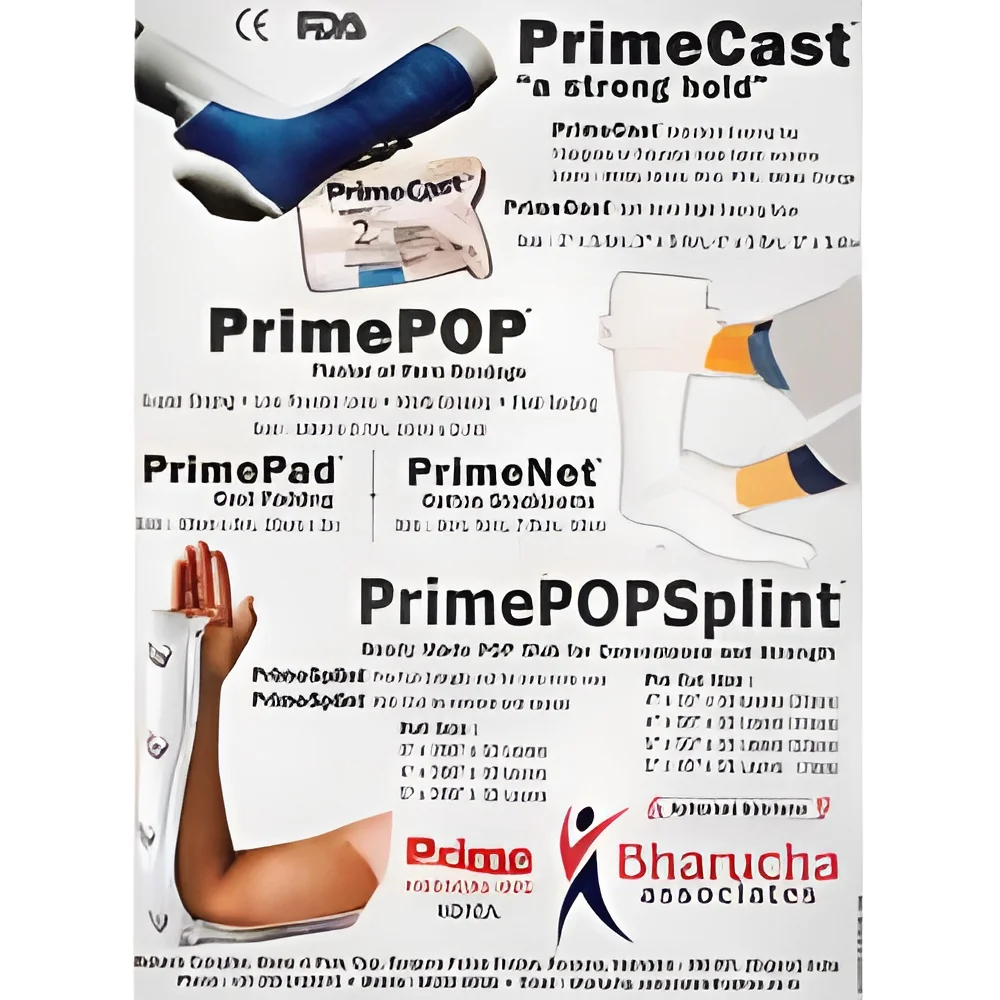
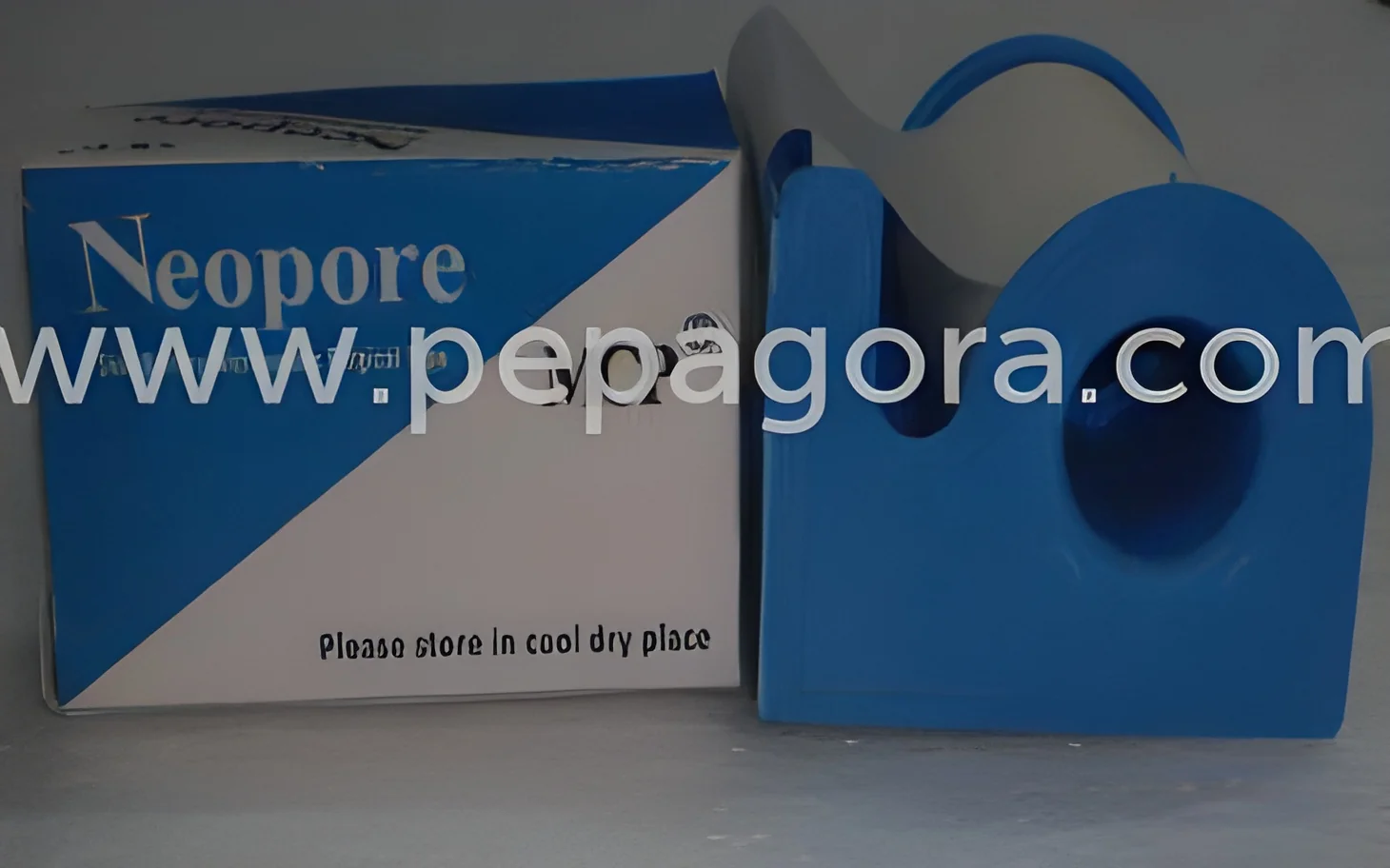
What are Surgical Tape & Plasters?
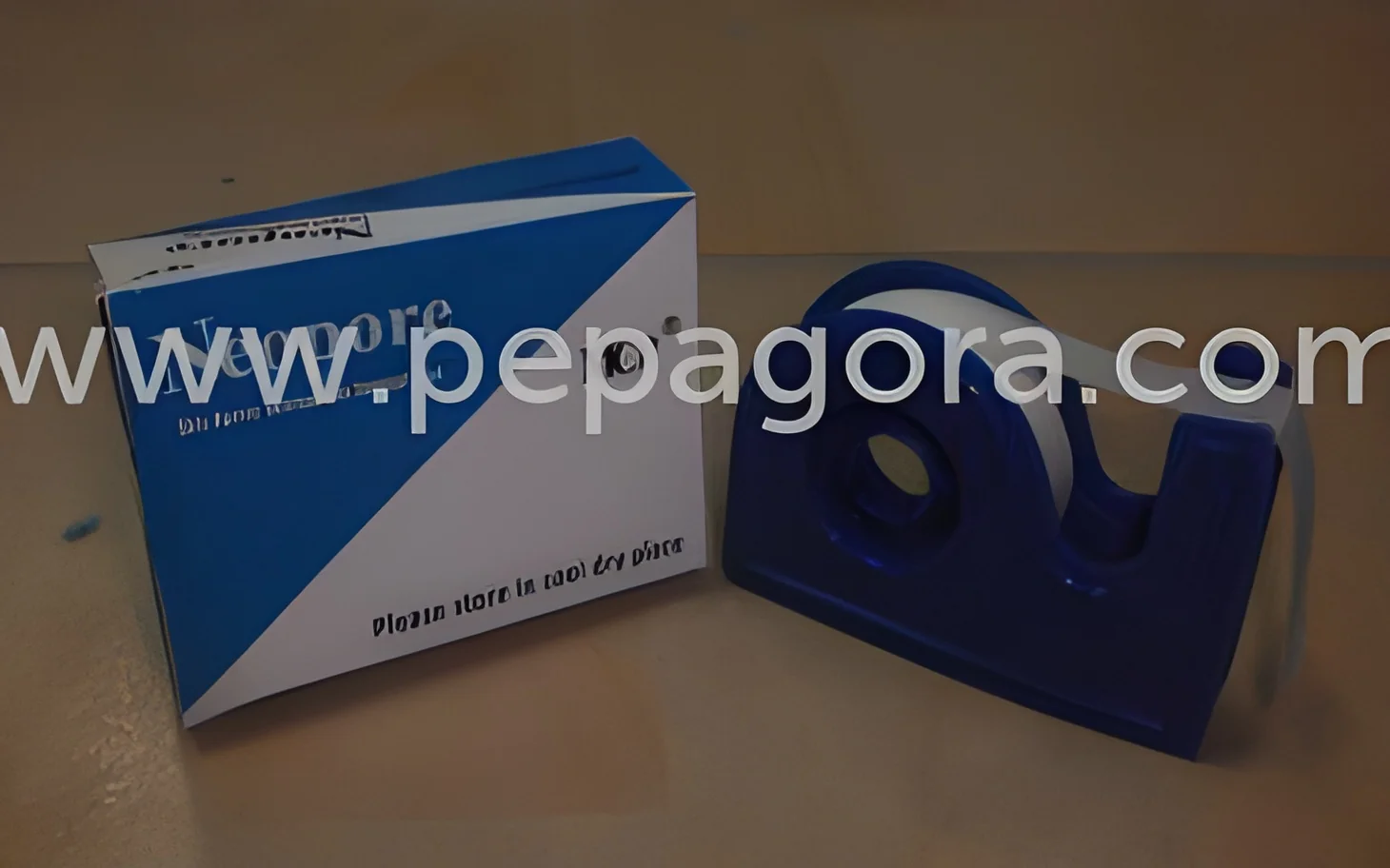
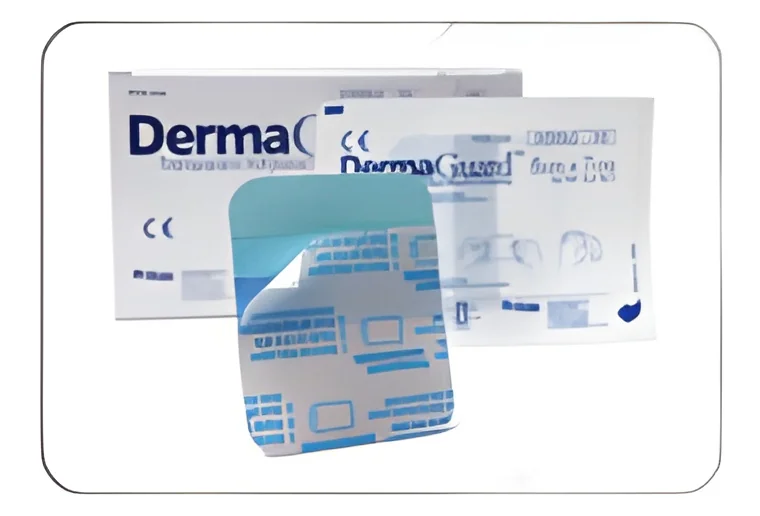
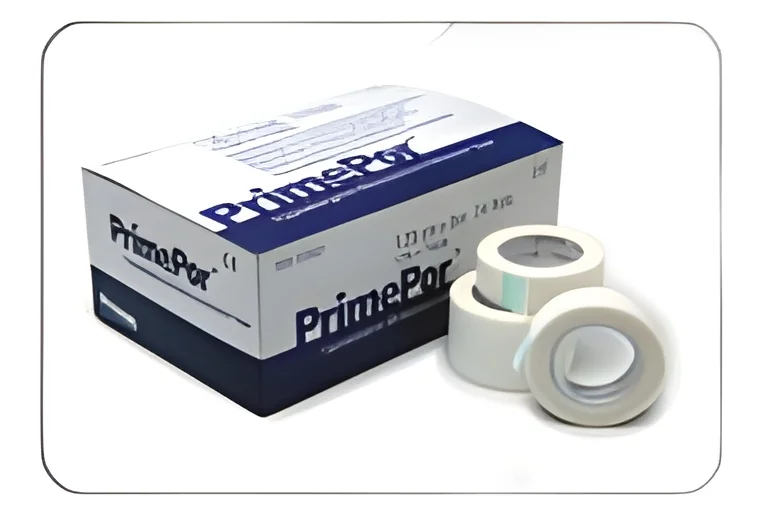
Surgical tape and plasters are adhesive products designed for medical use to secure dressings, support injured areas, and protect wounds. Surgical tape is typically made from materials such as cloth, paper, or plastic, offering varying degrees of adhesion and flexibility. Plasters, on the other hand, usually consist of a sterile pad surrounded by an adhesive border, used for covering small cuts or abrasions. Both products are essential in healthcare settings, ensuring wounds are properly protected and supported during the healing process.
These products find their primary applications in hospitals, clinics, and other medical facilities, where they are used to securely attach dressings and provide support to injured areas. Beyond healthcare, surgical tape and plasters are also utilized in veterinary medicine and various industrial settings for securing medical devices and tools. The demand for these products is driven by the growing need for effective wound management solutions in both human and animal healthcare sectors.
With a strong market presence, the surgical tape and plaster industry is continually evolving. Innovations in materials and adhesive technologies are leading to enhanced performance and user experience. As safety and quality standards become more stringent, manufacturers are focusing on developing products that meet these requirements, ensuring that healthcare professionals and patients can rely on their effectiveness.
Key Features and Specifications
Surgical tape and plasters come with a range of features that cater to various medical and industrial needs. Understanding these specifications is critical for making informed purchasing decisions.
Key specifications include:
1. Adhesion Strength
- This specification determines how well the tape or plaster adheres to skin or dressings.
- Typically measured in grams per centimeter.
2. Breathability
- This refers to the ability of the material to allow air and moisture to pass through.
- Important for preventing skin irritation and promoting healing.
3. Material Composition
- Surgical tape may be made from paper, fabric, or plastic, each offering different benefits.
- Plasters usually consist of an absorbent pad and a hypoallergenic adhesive.
4. Sterility
- Many surgical tapes and plasters are available in sterile options to minimize infection risk.
- Sterility is crucial in surgical or wound care settings.
5. Flexibility
- The degree to which the tape or plaster can conform to body contours.
- Essential for comfort and effective wound coverage.
6. Water Resistance
- Indicates whether the product can withstand exposure to moisture.
- Important for patients who may be exposed to water during bathing or swimming.
7. Shelf Life
- Refers to the duration the product remains effective and safe to use.
- Generally ranges from one to five years, depending on storage conditions.
8. Size Variations
- Available in multiple sizes to accommodate different wound types and body areas.
- Common sizes include strips, squares, and rolls.
These features and specifications ensure that surgical tape and plasters meet the diverse needs of healthcare providers and patients alike.
Common Applications and Use Cases
Surgical tape and plasters serve various industries beyond traditional healthcare.
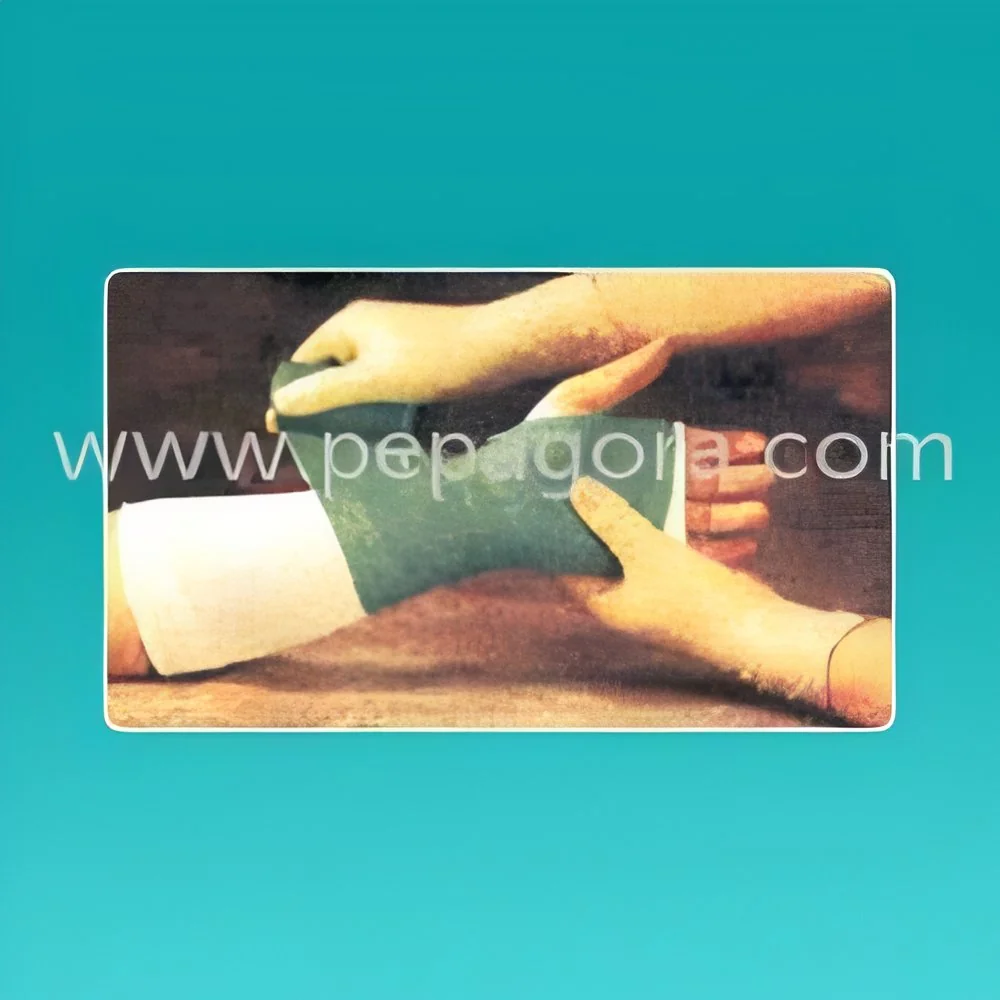
1. Healthcare: In hospitals and clinics, they are essential for securing dressings, stabilizing injuries, and providing support for post-operative care.
2. Veterinary Medicine: Used extensively for treating animal wounds and securing medical devices during procedures.
3. Sports Medicine: Applied to support strains and sprains, providing stability to athletes during recovery.
4. Construction: Used for securing protective coverings and equipment, ensuring safety on job sites.
5. Childcare: Commonly used for minor cuts and scrapes in children, providing gentle adhesion for sensitive skin.
6. Emergency Services: First responders use these products to quickly address wounds in the field.
7. Cosmetic Procedures: Used to secure dressings after cosmetic surgeries, ensuring proper care and recovery.
The versatility of surgical tape and plasters makes them indispensable across multiple sectors.
Product Variants and Subcategories
Surgical tape and plasters come in various forms to meet specific needs, providing flexibility to users.
Adhesive Surgical Tape
This variant is primarily used to secure dressings in place. It features a strong adhesive that ensures reliable fixation while being gentle on the skin. Suitable for both surgical and wound care applications, it allows for easy removal without causing discomfort.
Waterproof Plasters
These plasters are designed to keep wounds dry even when exposed to water. With a durable adhesive and breathable material, they are ideal for patients who need to maintain hygiene while engaging in water-related activities, such as swimming or bathing.
Hypoallergenic Tapes
These surgical tapes are formulated to minimize the risk of allergic reactions in sensitive individuals. They provide secure adhesion while ensuring maximum comfort, making them suitable for long-term wear, especially in sensitive skin areas.
Flexible Fabric Plasters
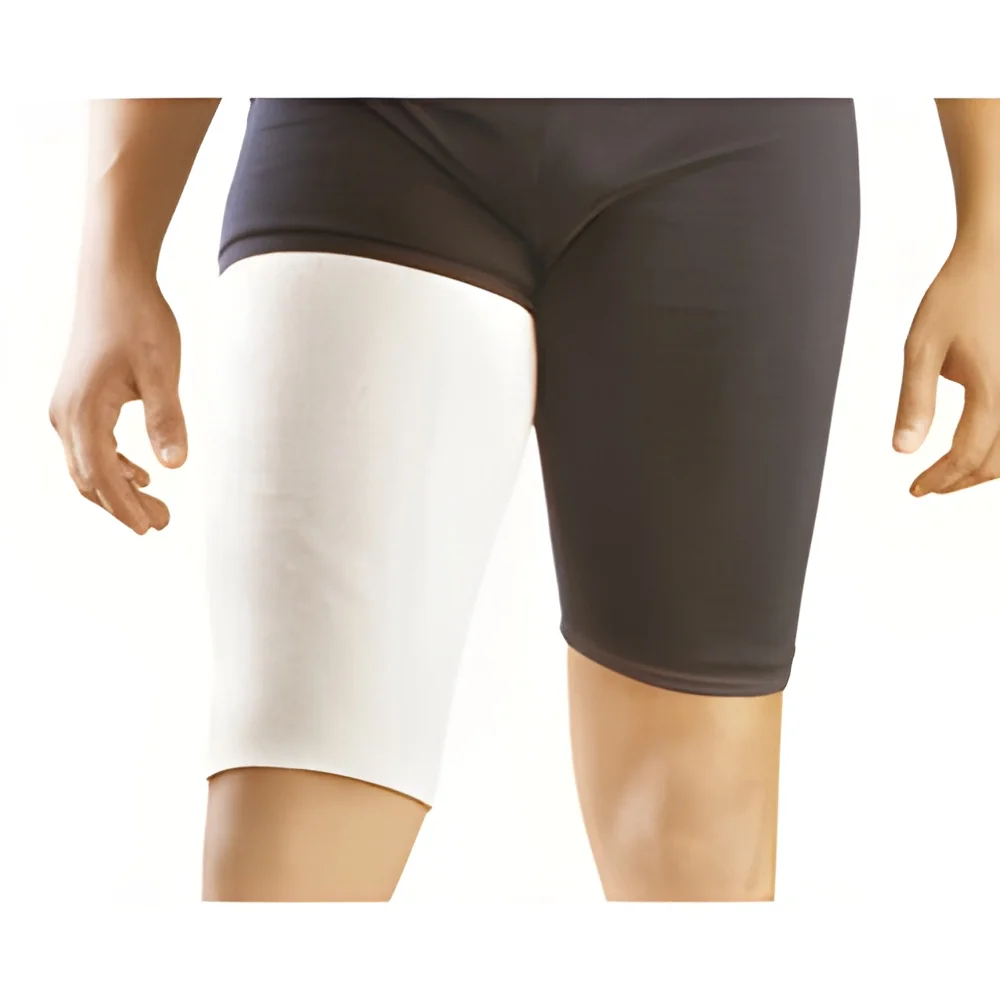
Engineered for mobility, these plasters are made from a stretchy fabric that conforms well to body movements. They are ideal for covering larger wounds or areas that require flexibility, such as joints.
Benefits and Advantages
Surgical tape and plasters offer numerous benefits that enhance their usability and effectiveness.
1. Enhanced Wound Protection: They provide a barrier against bacteria and contaminants, reducing the risk of infection.
2. Versatile Use: Suitable for various applications across healthcare, sports, and industrial settings.
3. Easy Application: Most products feature user-friendly designs that facilitate quick and efficient application.
4. Comfort: Many options are designed to be gentle on the skin, minimizing discomfort during use.
5. Cost-Effectiveness: Bulk purchasing options can significantly reduce costs for businesses and healthcare facilities.
6. Improved Healing: By securing dressings and supporting injured areas, these products promote faster recovery.
These advantages make surgical tape and plasters essential tools in both clinical and non-clinical environments.
Buying Guide for B2B Buyers
When sourcing surgical tape and plasters, it is important to consider several critical factors to ensure the best choice for your needs.
1. Quality Assessment: Look for products that meet established quality standards. Evaluate materials, adhesive properties, and packaging to ensure reliability.
2. Supplier Verification: Vet suppliers thoroughly to confirm their credibility and track record in delivering quality medical products. Check for certifications and reviews.
3. Pricing and MOQ: Compare pricing across suppliers while considering minimum order quantities. Look for bulk purchasing options that can provide cost savings.
4. Delivery and Lead Times: Understand the supplier's logistics and ensure they can meet your delivery requirements. Timely availability is essential in medical settings.
5. Compliance Requirements: Ensure products comply with local and international regulations. Familiarize yourself with relevant certifications to avoid legal issues.
Compliance and Certifications
Surgical tape and plasters are subject to various quality standards and certifications to ensure safety and efficacy.
ISO 9001 is a widely recognized standard that focuses on quality management systems in manufacturing. Compliance with this standard indicates that a manufacturer has consistent processes for high-quality production.
CE marking is essential for products marketed in Europe, signifying that they meet health and safety requirements. This certification is particularly important for surgical products.
Safety requirements include testing for skin irritation, allergic reactions, and product durability. Manufacturers often conduct rigorous testing to ensure their products are safe for patient use.
Regional compliance considerations may vary, with different countries having unique regulations for medical products. It is essential for manufacturers to adapt to these requirements to succeed in global markets.
Why Source Surgical Tape & Plasters from Pepagora?
Pepagora provides a trusted platform for sourcing surgical tape and plasters with several key advantages.
Verified Supplier Network: Pepagora has a robust network of verified suppliers, ensuring that buyers can access high-quality products from reputable manufacturers. This verification process minimizes risks associated with sourcing.
Streamlined RFQ Process: The request for quotation (RFQ) process on Pepagora is designed for efficiency. Buyers can easily submit their needs and receive competitive quotes from multiple suppliers, simplifying the procurement process.
Trade Assurance and Support: Pepagora offers trade assurance, which protects buyers against potential issues during transactions. Support services help address any concerns, ensuring a smooth purchasing experience.
Regional Coverage: With a strong presence in India, the GCC, and Southeast Asia, Pepagora enables buyers to connect with suppliers across these regions. This geographic reach ensures access to diverse product offerings and competitive pricing.
Choosing Pepagora for surgical tape and plasters means leveraging a reliable platform to meet your business needs effectively.

 IN
IN