
 IN
Insulin Syringes
3 products available
What are Insulin Syringes?
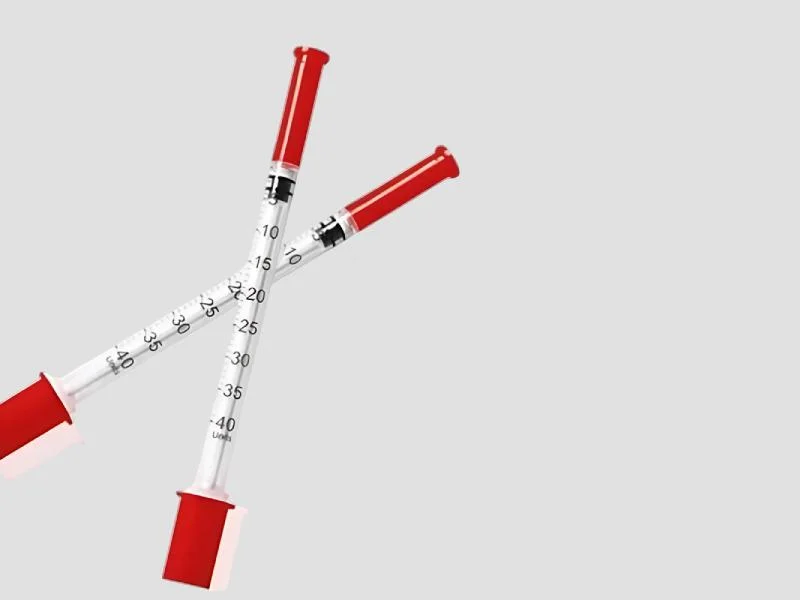
Insulin syringes are specialized medical devices designed for the administration of insulin to patients with diabetes. These syringes come in various sizes and are equipped with fine needles to ensure precise dosing and minimize discomfort during injections. Insulin syringes typically feature a clear barrel, allowing users to easily see the insulin level, and a plunger that enables the accurate delivery of medication.
The primary uses of insulin syringes are in healthcare settings, including hospitals, clinics, and home care environments. They are essential for diabetic patients who require regular insulin injections to manage their blood sugar levels. This product is critical for ensuring patient compliance with treatment regimens, as it helps deliver insulin in a controlled and effective manner. The market for insulin syringes has seen significant growth due to the increasing prevalence of diabetes globally, highlighting their relevance in the healthcare industry.
Key Features and Specifications
Insulin syringes are designed with several key features that enhance their usability and effectiveness in medical environments. Understanding these specifications is essential for healthcare providers and procurement professionals.
Key specifications include:
1. Needle Gauge
- Most insulin syringes feature needle gauges ranging from 28 to 31, which determine the thickness of the needle.
- Smaller gauges are typically used for a more comfortable injection experience.
2. Barrel Capacity
- Common barrel capacities include 0.3 mL, 0.5 mL, and 1 mL.
- These sizes accommodate various dosages, catering to different patient needs.
3. Needle Length
- Insulin syringes usually have needle lengths of 6 mm, 8 mm, or 12.7 mm.
- Shorter needles are preferred for subcutaneous injections in adults and children.
4. Material Composition
- Most syringes are made from medical-grade plastic that is safe for medical use.
- Some may include latex-free components to accommodate allergic patients.
5. Safety Features
- Many insulin syringes come with safety mechanisms to prevent needle-stick injuries.
- These features enhance user safety, especially in busy healthcare environments.
6. Sterility
- Insulin syringes are provided in sterile packaging to ensure they are safe for use.
- This is crucial for preventing infections during injection.
7. Disposal Options
- Some syringes are designed for single-use, while others may be compatible with sharps containers for safe disposal.
8. Ease of Use
- Design elements such as ergonomic grips and clear measurement markings improve usability.
- These features support accurate dosing and are especially beneficial for patients managing diabetes independently.
In summary, the specifications of insulin syringes cater to the needs of both healthcare providers and patients, ensuring safe and effective insulin delivery.
Common Applications and Use Cases
Insulin syringes are utilized across various sectors in the healthcare industry, addressing the needs of diabetic patients.
1. Hospitals: Insulin syringes are standard tools in hospitals where patients require insulin therapy. They ensure that healthcare professionals can administer precise dosages during inpatient care.
2. Clinics: Outpatient clinics use insulin syringes for patients who need regular monitoring and injections. This helps maintain blood sugar levels effectively.
3. Home Healthcare: Many diabetic patients manage their condition at home, using insulin syringes for daily injections. This promotes independence and adherence to treatment plans.
4. Diabetes Education Centers: These centers provide training on proper injection techniques using insulin syringes, helping patients understand their treatment.
5. Pharmaceutical Research: Insulin syringes are used in clinical trials and research studies to evaluate new diabetes medications and therapies.
6. Elderly Care Facilities: Insulin syringes are essential for managing diabetes in elderly patients, facilitating easy and safe administration by caregivers.
7. Veterinary Clinics: Insulin syringes are also used in veterinary medicine for diabetic pets, ensuring they receive proper insulin management.
Product Variants and Subcategories
The market for insulin syringes includes various product variants to meet diverse needs. While specific subcategories may not be available, several variants are commonly used.
Standard Insulin Syringes: These syringes are designed for general use, featuring a clear barrel and a range of capacities. They are suitable for most patients requiring insulin.
Safety Insulin Syringes: These syringes include built-in safety mechanisms to prevent needle-stick injuries. They are ideal for use in clinical settings where multiple healthcare providers may handle them.
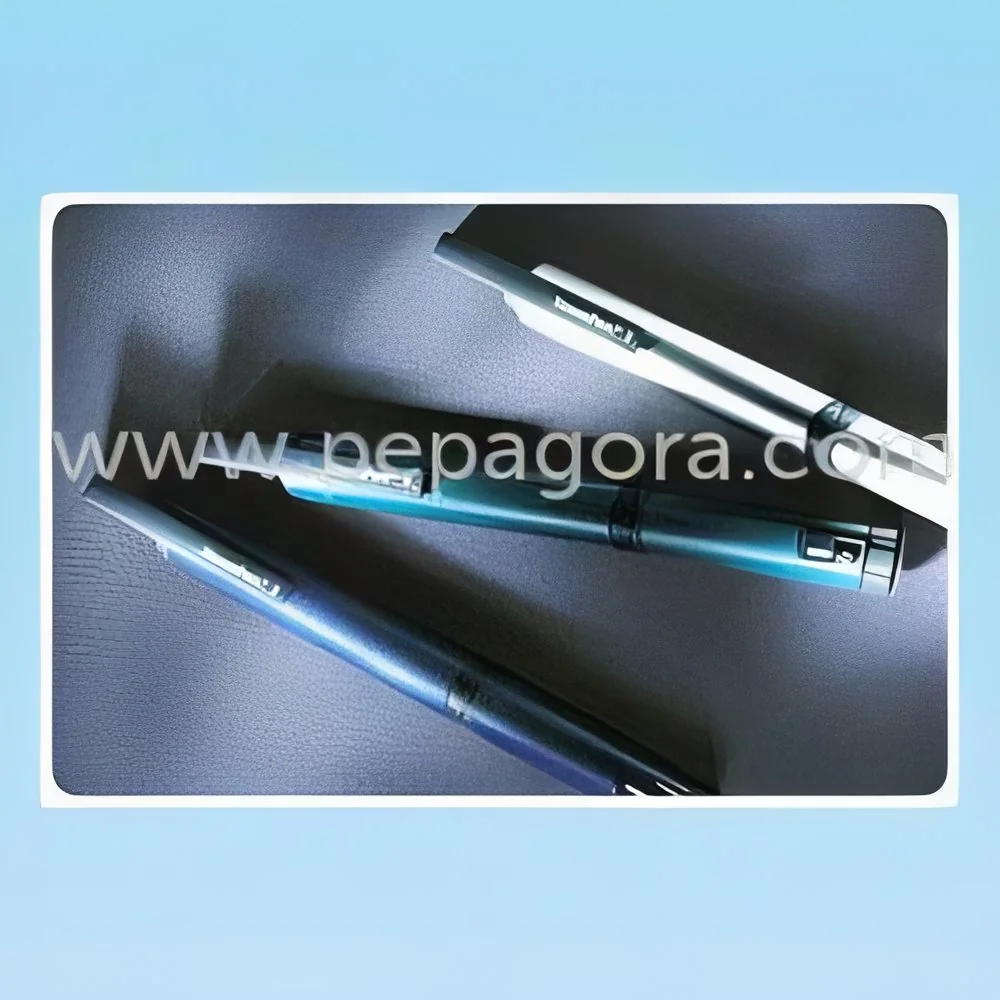
Insulin Pen Needles: While not traditional syringes, these needles are used with insulin pens and offer an alternative for patients preferring a pen delivery system. They are designed for ease of use and convenience.
Benefits and Advantages
Insulin syringes offer numerous benefits that enhance patient care and improve treatment outcomes.
1. Precision Dosing: Insulin syringes provide accurate dosing, ensuring patients receive the correct amount of insulin for their needs.
2. Comfort: The fine needles used in insulin syringes minimize discomfort during injections, making the process easier for patients.
3. Ease of Use: The design of insulin syringes allows for straightforward handling, which is especially beneficial for self-administration by patients.
4. Sterility: Each syringe is individually packaged and sterile, reducing the risk of infection during injections.
5. Versatility: Insulin syringes can be used in various settings, including hospitals, clinics, and at home, accommodating different patient needs.
6. Enhanced Safety: Safety features in some syringes help prevent accidental needle-stick injuries, promoting a safer environment for healthcare providers.
Buying Guide for B2B Buyers
When sourcing insulin syringes, B2B buyers should consider several critical factors to ensure they select the right products for their needs.
1. Quality Assessment: Evaluate the quality of insulin syringes by reviewing manufacturer certifications and compliance with industry standards. Look for products that meet recognized quality benchmarks.
2. Supplier Verification: Vet suppliers through background checks and customer reviews. Partnering with reputable suppliers ensures reliability and consistent product quality.
3. Pricing and MOQ: Understand the pricing structure and minimum order quantities (MOQ) before making purchases. This helps in budgeting and ensuring sufficient stock levels.
4. Delivery and Lead Times: Discuss logistics with suppliers to ascertain delivery times and shipping methods. Reliable delivery is crucial for maintaining stock and patient care.
5. Compliance Requirements: Ensure that the products comply with regulatory standards relevant to your region. This includes understanding any specific health and safety regulations that apply.
Compliance and Certifications
Insulin syringes are subject to various quality standards and certifications to ensure safety and efficacy in their use. Key standards include ISO 9001, which outlines quality management systems, and HACCP, which focuses on food safety and handling.
Industry certifications such as UL and CE indicate that the products meet safety and performance requirements. These certifications are crucial for building trust with healthcare providers and ensuring compliance with regulatory demands.
Safety and testing requirements must be strictly adhered to during the manufacturing process. This includes rigorous testing for sterility and performance to guarantee that the syringes function as intended.
Regional compliance considerations vary, with different countries enforcing their own regulations regarding medical devices. Buyers should be aware of these regulations to ensure they source compliant products that are safe for use in their specific markets.
Why Source Insulin Syringes from Pepagora?
Pepagora provides a trusted platform for sourcing insulin syringes, offering several key advantages that enhance the purchasing experience for B2B buyers.
Verified Supplier Network: Pepagora features a network of verified suppliers, ensuring that buyers have access to high-quality products from reputable manufacturers. This network promotes transparency and trust in the sourcing process.
Streamlined RFQ Process: The platform simplifies the request for quotation (RFQ) process, allowing buyers to efficiently compare prices and specifications from multiple suppliers. This saves time and facilitates informed decision-making.
Trade Assurance and Support: Pepagora offers trade assurance, protecting buyers from potential issues during the purchasing process. This support fosters confidence in transactions and ensures a smoother experience.
Regional Coverage: With a focus on regions including India, the GCC, and Southeast Asia, Pepagora provides geographic reach that enables buyers to find suitable suppliers in their local markets. This regional coverage enhances accessibility and responsiveness to buyer needs.


Frequently Asked Questions
What are Insulin Syringes?
Insulin syringes are specialized medical devices designed for the administration of insulin, a hormone used to manage blood glucose levels in individuals with diabetes. They typically feature a barrel, plunger, and a fine needle, allowing for precise dosing and minimal discomfort during injection.
What are the different types of Insulin Syringes?
There are several types of insulin syringes, including standard insulin syringes, which are marked in units for accurate dosing, and insulin pens that provide a more user-friendly option. Additionally, syringes vary in needle gauge and length, allowing users to select based on their specific needs.
How do I choose the right Insulin Syringes?
Choosing the right insulin syringes involves considering the dosage required, the needle size, and personal comfort. It is advisable to consult with a healthcare provider to determine the most suitable type based on individual needs and preferences.
What are the standard specifications for Insulin Syringes?
Standard specifications for insulin syringes include a capacity of 1ml or less, with markings for precise dosage in units. Needle gauge typically ranges from 28 to 31, and lengths can vary from 4mm to 12.7mm, depending on user requirements.
What is the price range for Insulin Syringes?
The price range for insulin syringes can vary widely based on factors such as the type, brand, and quantity purchased. Generally, prices can start from as low as ₹10 per syringe and can go up to ₹50 or more for specialized models.
What quality standards apply to Insulin Syringes?
Insulin syringes must comply with quality standards set by regulatory bodies such as the FDA and ISO. These standards ensure that the syringes are safe for use, sterile, and manufactured using high-quality materials to prevent contamination and ensure accuracy.
Where can I find Insulin Syringes suppliers in India?
Suppliers of insulin syringes in India can be found through various online B2B marketplaces like Pepagora, as well as medical supply companies and pharmacies. It is advisable to verify the supplier's credentials and quality certifications before making a purchase.
Can Insulin Syringes be customized?
Yes, insulin syringes can be customized to some extent, such as variations in needle length, gauge, and branding for manufacturers. However, customization options may depend on the supplier and the specific requirements of the buyer.
What is the typical minimum order quantity for Insulin Syringes?
The typical minimum order quantity (MOQ) for insulin syringes can vary by supplier, but it generally ranges from 100 to 1000 units. Buyers should check with individual suppliers for their specific MOQ policies.
What is the typical lead time for Insulin Syringes?
The typical lead time for insulin syringes can range from a few days to several weeks, depending on the supplier's inventory and manufacturing capabilities. It is advisable to confirm the lead time during the ordering process to ensure timely delivery.
Why Businesses Trust Pepagora
Thousands of companies trust Pepagora to source smarter and sell faster
Expand Your Sales Globally

Source Smarter,Grow Faster
