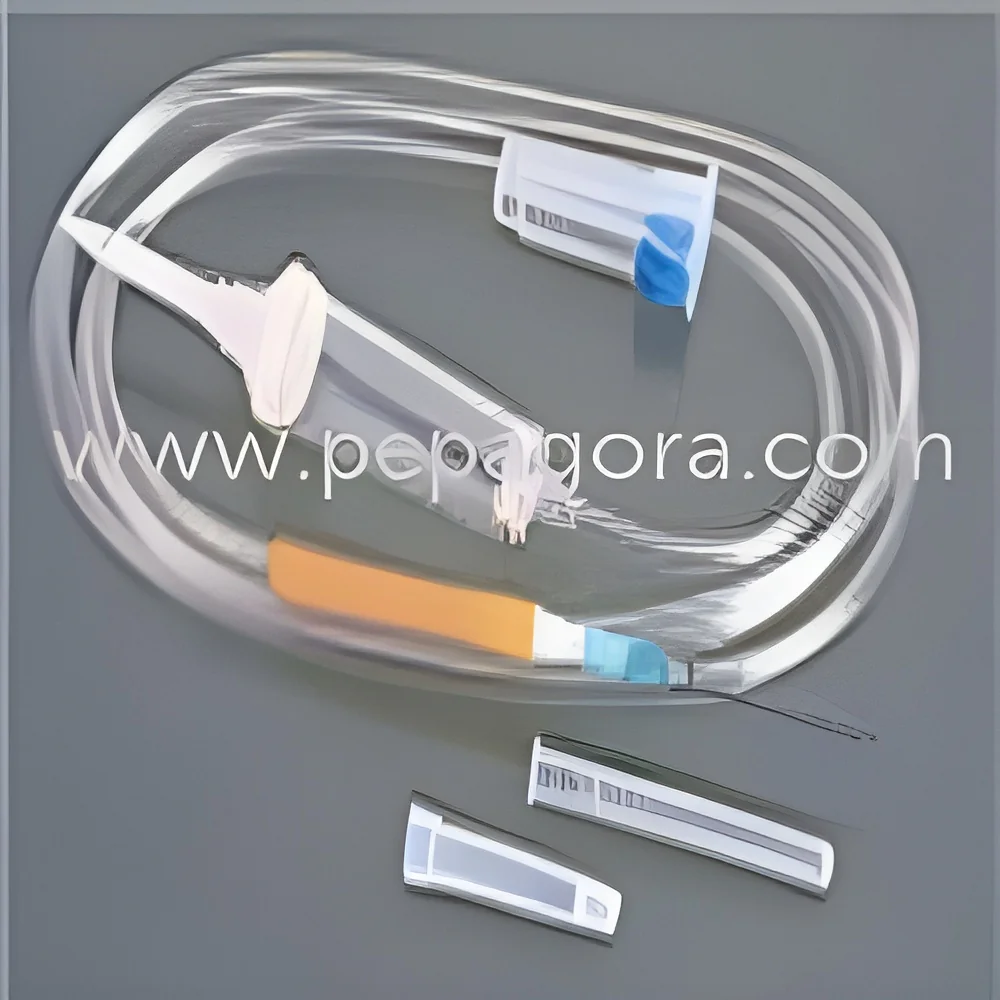
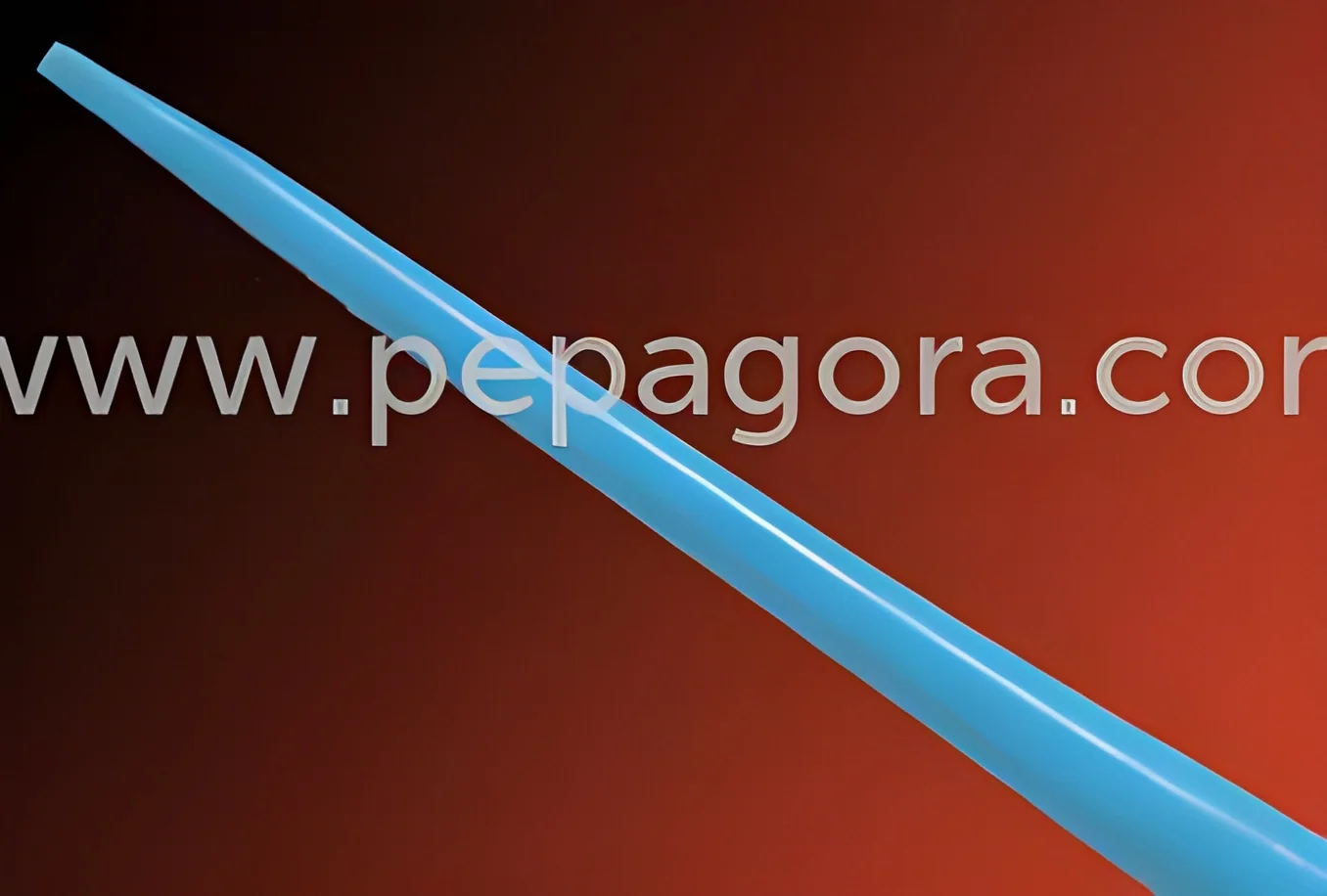
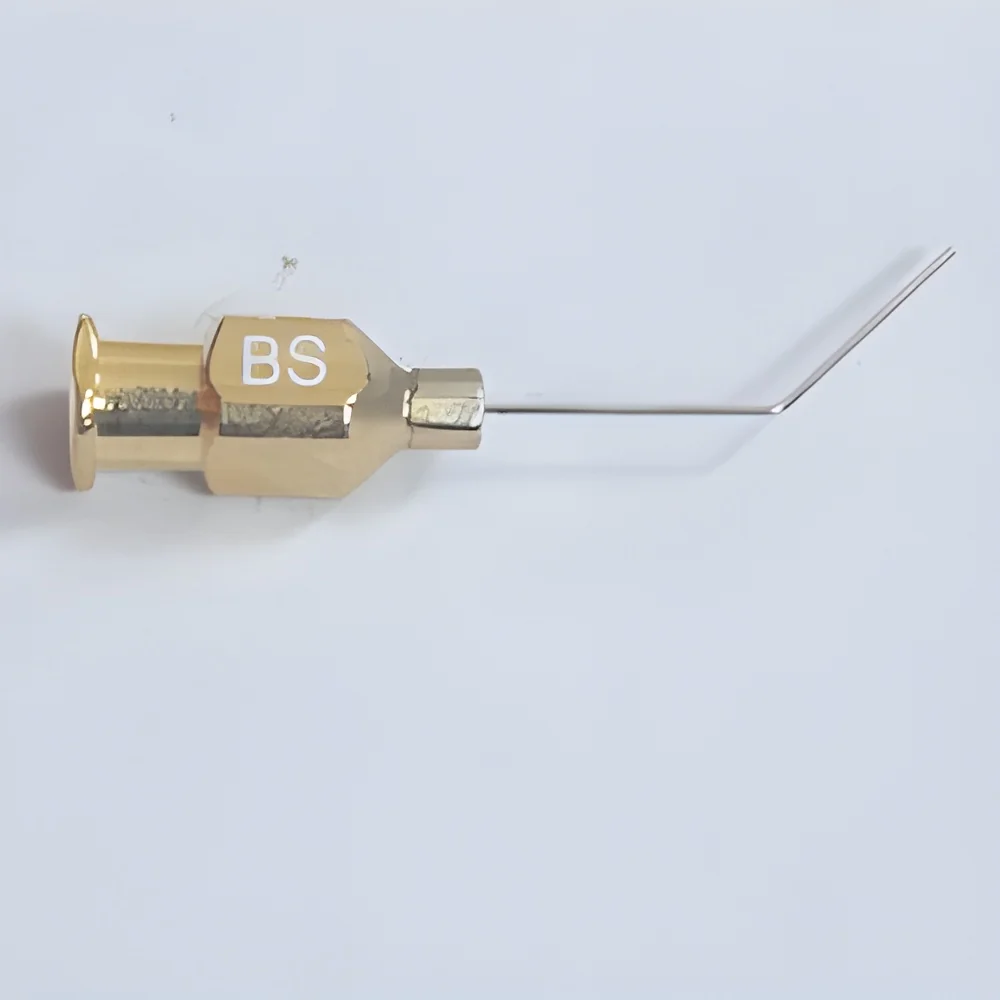
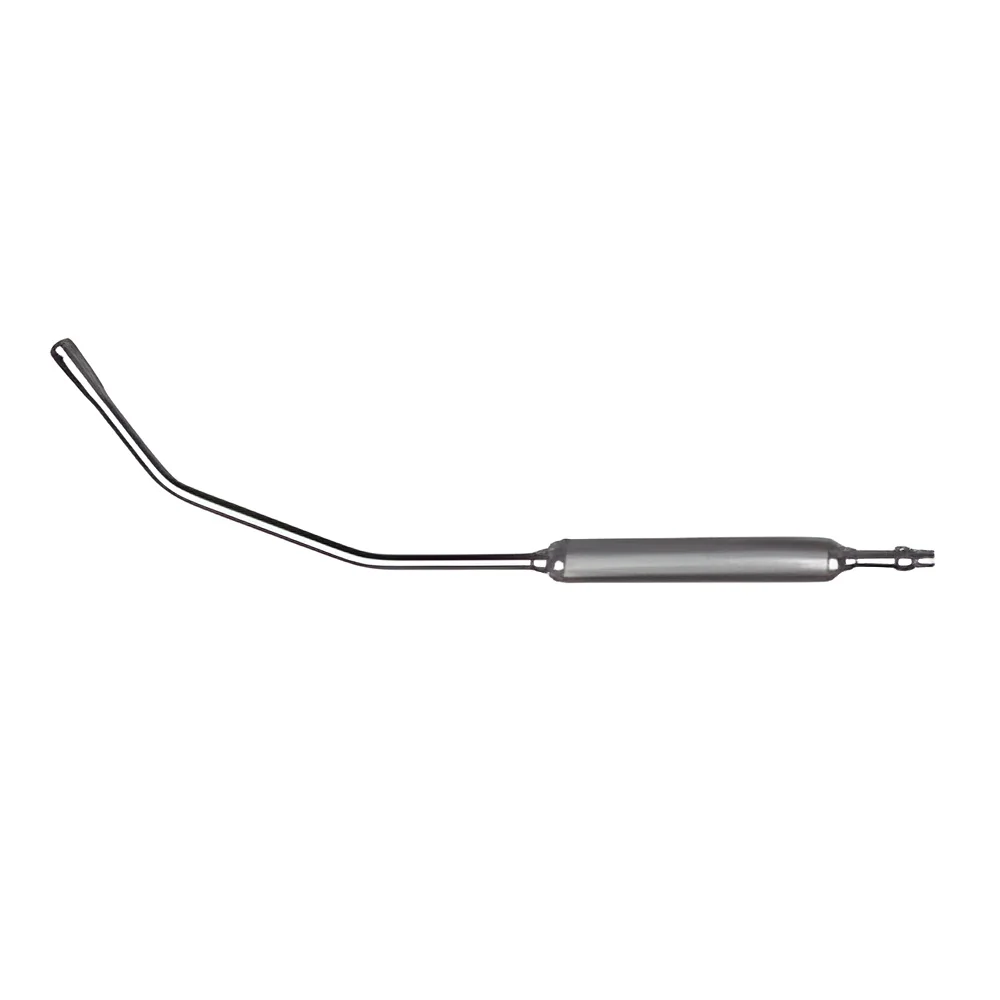
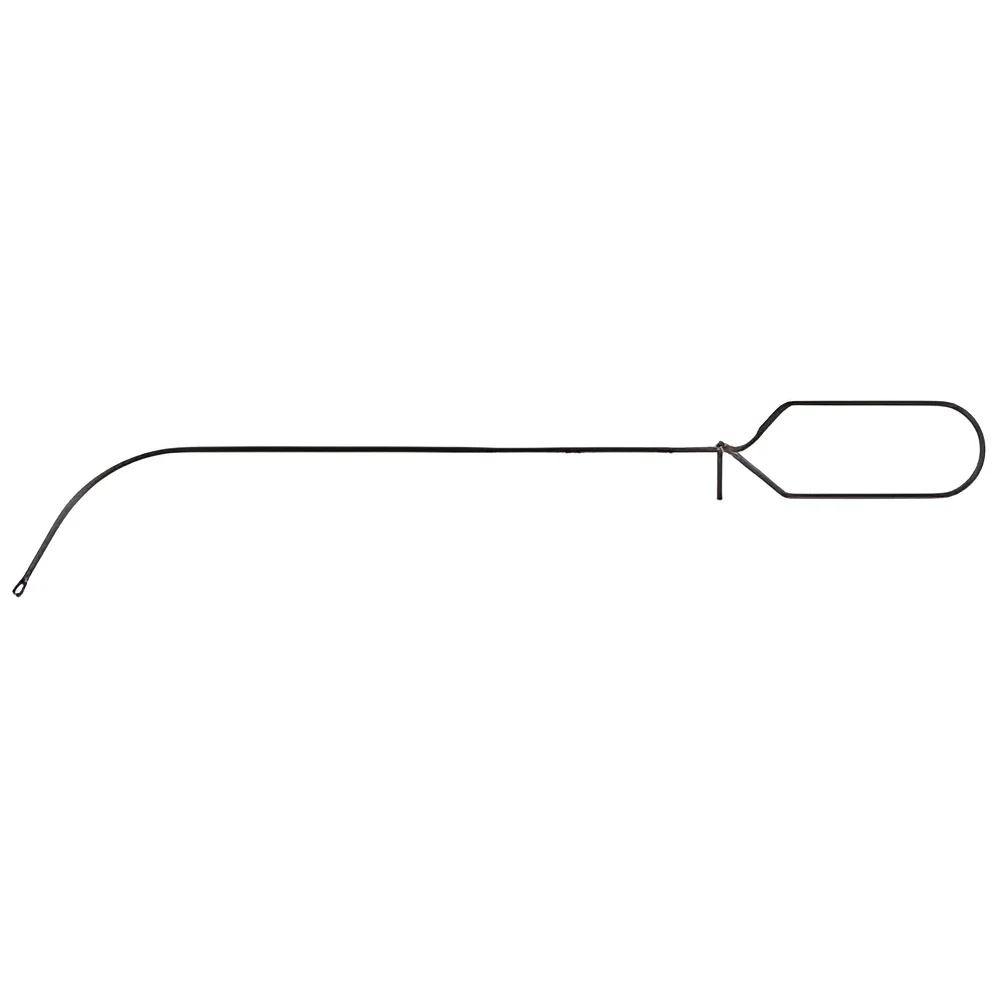
What are Suction Catheters?
Suction catheters are medical devices designed to clear airways and secretions from patients who are unable to do so themselves. These flexible tubes connect to a suction source, allowing healthcare providers to remove mucus, fluids, or other obstructions from the respiratory tract. They are typically made from biocompatible materials, ensuring safety and comfort for patients during use.
The primary uses of suction catheters include procedures in emergency medicine, intensive care units, and general healthcare settings. They are essential for maintaining clear airways in patients with respiratory conditions, post-operative patients, or those under sedation. The growing demand for effective airway management in hospitals and outpatient facilities underscores the importance of suction catheters in modern medical practices.
In the context of the healthcare market, suction catheters are fundamental tools that contribute significantly to patient outcomes. As healthcare providers increasingly focus on patient safety and improved care, the relevance of suction catheters continues to expand. The market for these medical devices is influenced by factors such as technological advancements, regulatory standards, and the need for high-quality healthcare products.
Key Features and Specifications
Suction catheters come equipped with a range of features and specifications that enhance their functionality and usability. Understanding these specifications helps buyers make informed decisions when sourcing these critical medical devices.
Key specifications include:
1. Material Composition
- Typically made from PVC or other biocompatible materials
- Ensures patient safety and comfort during use
2. Catheter Sizes
- Available in various French sizes (e.g., 6Fr to 18Fr)
- Allows for selection based on patient needs and airway dimensions
3. Length Options
- Standard length usually ranges from 14 inches to 26 inches
- Facilitates use in different clinical scenarios
4. Sterility
- Generally available in sterile packaging
- Ensures safety for single-use applications
5. Suction Control
- Features a thumb control mechanism for easy suction management
- Provides better control during procedures
6. Graduated Markings
- Many catheters have measurements marked along the length
- Helps healthcare providers monitor insertion depth
7. Connector Type
- Compatible with standard suction systems
- Ensures versatility across different medical environments
8. Compliance with Standards
- Designed to meet regulatory requirements such as CE certification
- Guarantees adherence to quality and safety norms
In summary, the features and specifications of suction catheters are crucial for ensuring their effectiveness in various medical applications. By understanding these aspects, buyers can select the most suitable products for their operational needs.
Common Applications and Use Cases
Suction catheters serve various industries, particularly in healthcare settings where airway management is critical.
1. Hospitals: Within hospitals, suction catheters are used in emergency departments and intensive care units to clear airways of patients suffering from respiratory distress or during surgical procedures.
2. Long-Term Care Facilities: In nursing homes and rehabilitation centers, suction catheters are essential for patients with chronic illnesses who require regular airway clearance.
3. Home Healthcare: For patients receiving care at home, suction catheters allow caregivers to manage respiratory issues safely and effectively, reducing the need for hospital visits.
4. Ambulance Services: Paramedics utilize suction catheters during emergency responses to ensure that patients maintain clear airways en route to medical facilities.
5. Pediatric Care: In pediatric settings, suction catheters are adapted for use in infants and children, where airway management poses unique challenges.
6. Palliative Care: Suction catheters play a vital role in providing comfort to patients in palliative care by alleviating symptoms related to airway obstruction.
7. Anesthesia: During surgical procedures, anesthetists use suction catheters to maintain clear airways while managing sedation.
In conclusion, suction catheters are versatile tools with vital applications across various segments of the healthcare industry.
Product Variants and Subcategories
Suction catheters are available in a variety of configurations to meet different clinical needs.
Standard Suction Catheters
These are the most commonly used catheters, designed for general airway clearance. They come in various sizes and lengths, making them suitable for a wide range of patients.
Closed Suction Systems
This variant features a built-in mechanism that allows for continuous ventilation while suctioning. It is particularly useful for patients on mechanical ventilation, as it reduces the risk of infection.
French-Sized Suction Catheters
These catheters are specifically designed based on French sizing, accommodating different airway sizes effectively. They are critical in pediatric and adult care settings.
In-line Suction Catheters
In-line catheters are designed for use with ventilators, enabling healthcare providers to suction patients without disconnecting them from the ventilatory support.
Benefits and Advantages
Suction catheters offer several benefits that enhance patient care and operational efficiency.
1. Improved Airway Management: Suction catheters help maintain clear airways, reducing the risk of respiratory complications.
2. Enhanced Patient Comfort: The use of biocompatible materials ensures minimal discomfort during suctioning procedures.
3. Versatility: Available in various sizes and types, suction catheters can be tailored to meet the specific needs of different patient populations.
4. Ease of Use: Many suction catheters feature user-friendly designs, allowing healthcare providers to perform procedures efficiently.
5. Infection Control: With sterile packaging and single-use options, suction catheters help minimize the risk of cross-contamination.
6. Cost-Effectiveness: Reliable suction catheters can lead to better patient outcomes, potentially reducing hospital stays and associated costs.
In summary, the benefits of suction catheters contribute significantly to improved patient care and operational effectiveness in medical settings.
Buying Guide for B2B Buyers
When sourcing suction catheters, B2B buyers should consider several factors to ensure they select the right products for their needs.
1. Quality Assessment: Evaluate the quality of catheters by checking for certifications, such as CE, and reviewing manufacturer standards. High-quality products are essential for patient safety and effective performance.
2. Supplier Verification: Ensure that suppliers are reputable and have a history of providing reliable medical products. Conduct background checks and seek references to validate their credibility.
3. Pricing and MOQ: Understand the pricing structure and minimum order quantities (MOQ) for suction catheters. This can impact budget planning and inventory management.
4. Delivery and Lead Times: Discuss delivery schedules and lead times with suppliers to prevent disruptions in supply. Timely delivery is crucial for maintaining adequate stock levels.
5. Compliance Requirements: Familiarize yourself with regulatory standards applicable to suction catheters in your region. Compliance with local regulations is critical to avoid legal issues.
Compliance and Certifications
Suction catheters are subject to various quality standards and industry certifications that ensure their safety and effectiveness.
ISO 9001 is a widely recognized quality management standard that many manufacturers adhere to, ensuring consistent product quality.
The CE mark indicates that suction catheters meet European safety and health requirements. This certification is crucial for products sold in European markets.
Safety and testing requirements vary by region but generally include evaluations related to biocompatibility, sterility, and structural integrity.
Regional compliance considerations may differ, so it is essential for manufacturers and suppliers to stay informed about local regulations governing medical devices.
Why Source Suction Catheters from Pepagora?
Pepagora provides a trusted platform for sourcing suction catheters, offering several key advantages that benefit B2B buyers.
Verified Supplier Network: Pepagora has established a network of verified suppliers, ensuring that buyers have access to high-quality products from reputable manufacturers. This reduces the risk of sourcing inferior products.
Streamlined RFQ Process: The platform simplifies the request for quotation (RFQ) process, allowing buyers to compare multiple suppliers and their offerings efficiently. This enhances decision-making and procurement efficiency.
Trade Assurance and Support: Pepagora offers trade assurance, providing buyers with protection against order discrepancies and delays. Their support team is also available to assist with any concerns throughout the purchasing process.
Regional Coverage: With a strong presence in India, the GCC, and Southeast Asia, Pepagora ensures that buyers can access suction catheters across a broad geographic area. This regional focus enables efficient distribution and timely delivery.
In conclusion, Pepagora stands out as a reliable partner for sourcing suction catheters, offering quality products and support to meet the needs of healthcare providers.

 IN
IN