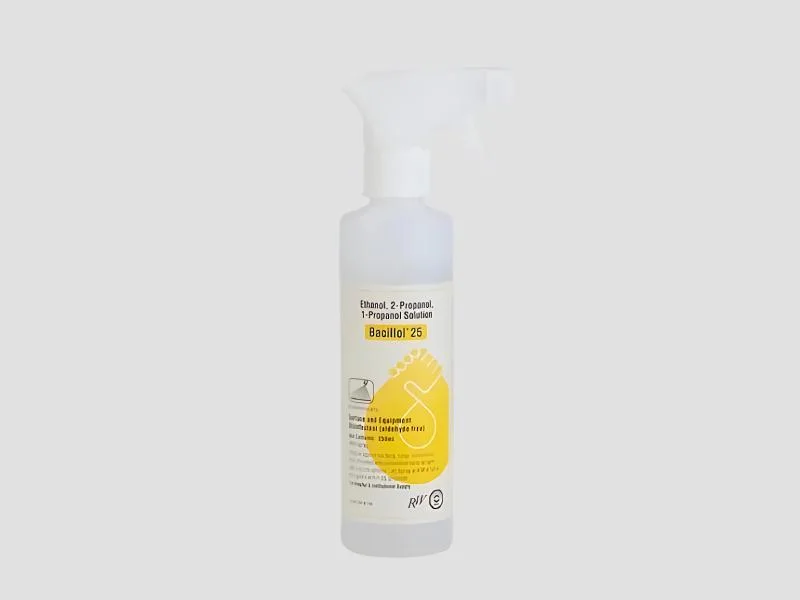
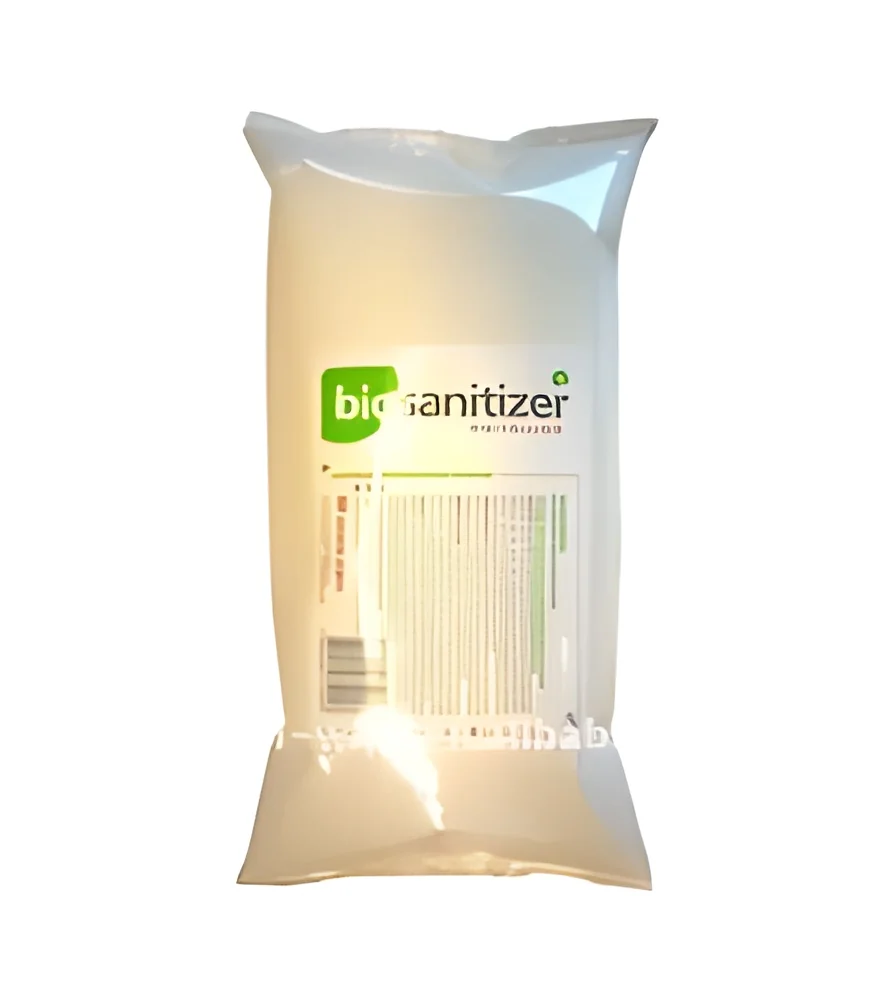
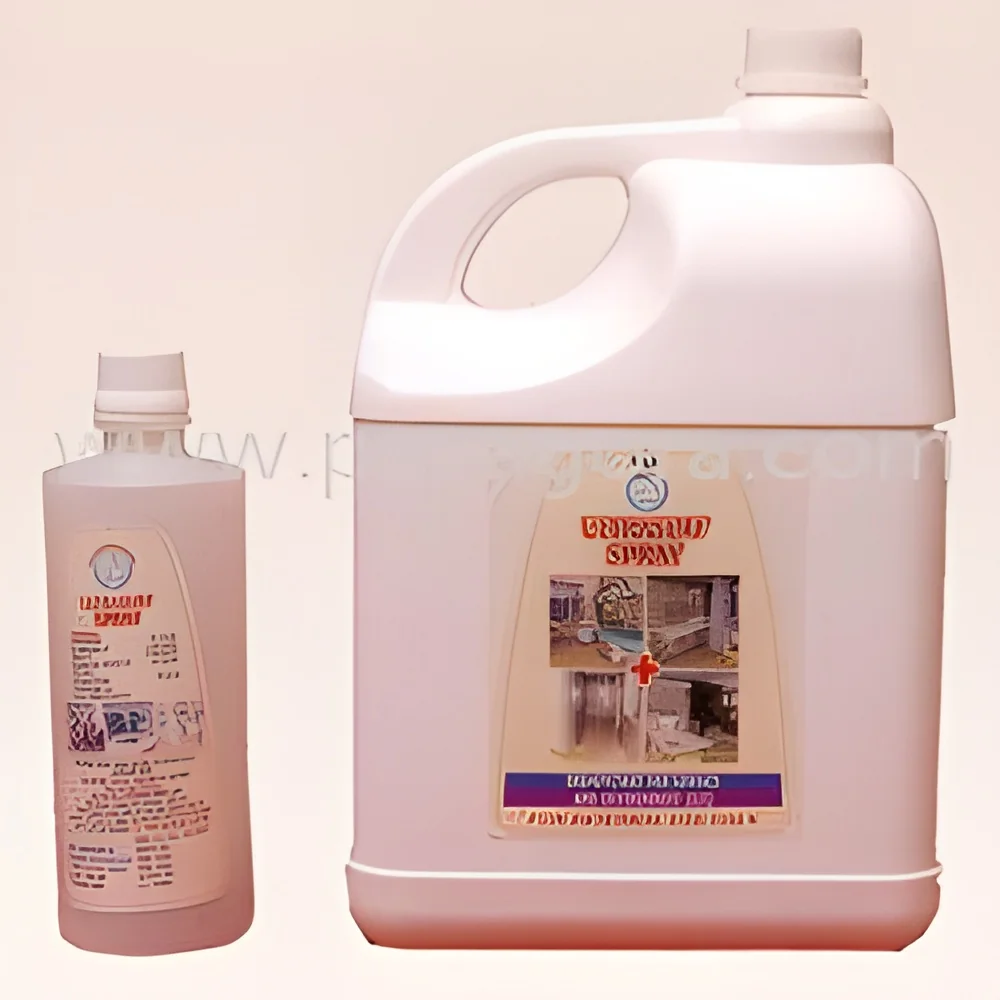
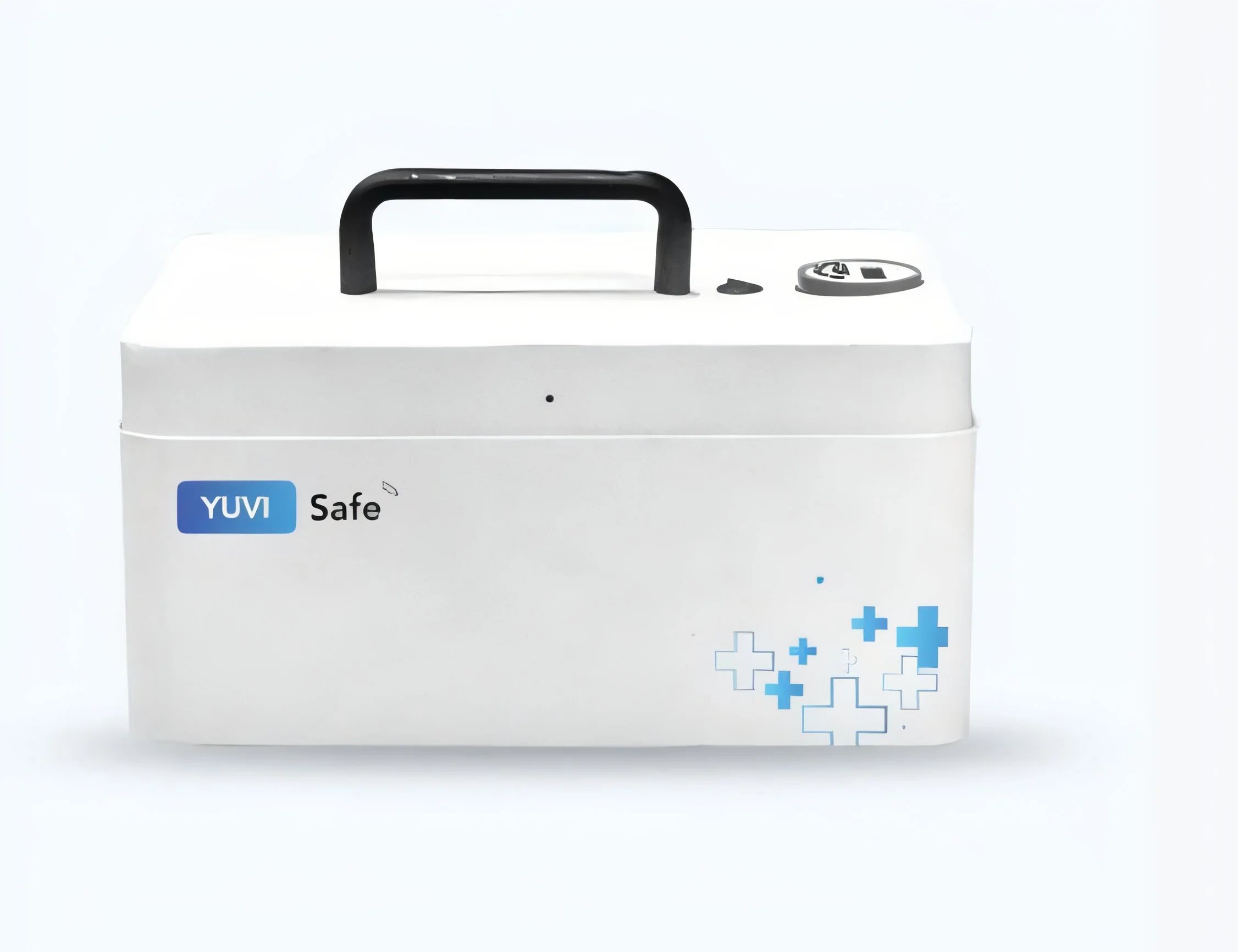
What are Surface Disinfectant Sprays?
Surface disinfectant sprays are chemical formulations designed to eliminate harmful microorganisms on various surfaces. These sprays typically contain active ingredients that are effective against bacteria, viruses, and fungi, making them essential in maintaining hygiene and safety in various environments. They are user-friendly, often requiring just a quick application and a short dwell time to ensure effective disinfection.
The primary uses of surface disinfectant sprays are found in healthcare settings, food processing facilities, and general commercial spaces. Businesses rely on these products to create safe environments for employees and customers. In the wake of heightened awareness around health and hygiene, the demand for effective disinfecting solutions has surged across industries, highlighting the critical role of surface disinfectant sprays in infection control and prevention.
As the market for disinfectant products continues to evolve, businesses must stay informed about the latest formulations and compliance requirements. The relevance of these sprays extends beyond mere surface cleaning; they are integral to public health initiatives and workplace safety protocols in the modern landscape.
Key Features and Specifications
Surface disinfectant sprays come with various features that enhance their effectiveness and usability. Understanding these specifications is crucial for selecting the right product for specific applications.
Key specifications include:
1. Active Ingredients
- Common active ingredients include quaternary ammonium compounds, hydrogen peroxide, and sodium hypochlorite.
- Each ingredient has a unique efficacy profile against different pathogens.
2. Contact Time
- The required contact time for effective disinfection usually ranges from 1 to 10 minutes.
- Shorter contact times are preferable for high-traffic areas.
3. Surface Compatibility
- Compatible with a wide range of surfaces, including metal, plastic, and glass.
- Some products are specifically formulated for sensitive surfaces.
4. pH Level
- Formulations are typically pH balanced to prevent surface damage.
- pH levels usually range from 6 to 9.
5. Packaging Options
- Available in various sizes, from small spray bottles to bulk containers.
- Spray nozzle designs can vary for ease of application.
6. Shelf Life
- Most disinfectant sprays have a shelf life of 1 to 2 years.
- Proper storage conditions can extend effectiveness.
7. Fragrance Options
- Many sprays come in unscented or scented varieties to suit user preferences.
- Scented options can help mask chemical odors.
8. Safety Data
- Products are accompanied by safety data sheets to inform users of safe handling practices.
- Proper labeling and hazard warnings are essential.
In summary, the features and specifications of surface disinfectant sprays are designed to meet various cleaning and disinfection needs while ensuring safety and efficacy.
Common Applications and Use Cases
Surface disinfectant sprays are versatile products used across different industries to maintain hygiene and safety.
1. Healthcare: In hospitals and clinics, these sprays are essential for disinfecting examination tables, equipment, and waiting areas to prevent the spread of infections.
2. Food Processing: In food production and service environments, disinfectant sprays are employed to sanitize surfaces and equipment, ensuring compliance with health regulations.
3. Education: Schools and universities utilize surface disinfectant sprays to clean classrooms, cafeterias, and common areas, promoting a safe learning environment for students.
4. Hospitality: Hotels and restaurants use these sprays to maintain cleanliness in guest rooms, dining areas, and kitchens, enhancing the overall guest experience.
5. Office Spaces: Businesses apply surface disinfectant sprays in office settings to keep desks, conference rooms, and break areas sanitized, contributing to employee health and productivity.
6. Retail: In retail environments, disinfectant sprays are used to clean shopping carts, checkout counters, and display areas, instilling confidence among customers.
7. Transportation: Public transport systems and taxi services use these sprays to disinfect vehicles, ensuring passenger safety and comfort.
Product Variants and Subcategories
Surface disinfectant sprays come in various formulations to meet diverse needs.
Multi-Surface Disinfectant Spray: This variant is designed for use on multiple surfaces, making it ideal for environments that require versatility, such as offices and schools. It effectively kills germs and is safe for various materials.
Hospital-Grade Disinfectant Spray: Formulated specifically for healthcare settings, this variant meets stringent regulatory standards for infection control. It provides rapid disinfection and is effective against a broad spectrum of pathogens.
Eco-Friendly Disinfectant Spray: This variant features biodegradable ingredients and is free from harsh chemicals. It is suitable for environmentally conscious businesses looking to maintain cleanliness without compromising on safety.
Fragrance-Free Disinfectant Spray: Ideal for sensitive environments, this product offers effective disinfection without any scent. It is often used in healthcare settings where strong fragrances may be a concern.
Benefits and Advantages
Surface disinfectant sprays offer numerous benefits that make them essential for maintaining hygiene in various settings.
1. Effective Germ Elimination: These products are specifically designed to kill a wide range of pathogens, including bacteria and viruses, ensuring a high level of cleanliness.
2. Ease of Use: The spray application method allows for quick and convenient use, making it easy to disinfect surfaces regularly.
3. Versatility: Surface disinfectant sprays can be used on various materials, from hard surfaces to soft furnishings, providing comprehensive cleaning solutions.
4. Compliance with Regulations: Many disinfectant sprays meet industry standards and regulations, making it easier for businesses to maintain compliance.
5. Time Efficiency: With fast-acting formulas, these sprays reduce the time needed for disinfection, allowing for quicker turnaround in busy environments.
6. Enhanced Safety: Many products include safety features such as non-toxic ingredients and clear labeling, reducing the risk of misuse and accidents.
Buying Guide for B2B Buyers
When sourcing surface disinfectant sprays, B2B buyers should consider several key factors to ensure they select the right product for their needs.
1. Quality Assessment: Evaluate the quality of disinfectant sprays based on their efficacy against specific pathogens. Look for certifications and test results that validate the product's claims.
2. Supplier Verification: Conduct thorough due diligence on suppliers to ensure they are reputable and comply with industry standards. Verify their certifications and customer reviews.
3. Pricing and MOQ: Understand the pricing structure and minimum order quantities (MOQ) offered by suppliers. Compare costs while considering the total value provided by the product.
4. Delivery and Lead Times: Assess the supplier's ability to meet your delivery timelines. Reliable logistics arrangements are crucial for maintaining inventory levels.
5. Compliance Requirements: Ensure that the disinfectant sprays meet local and international regulatory standards. Familiarize yourself with any specific compliance requirements relevant to your industry.
Compliance and Certifications
Surface disinfectant sprays must adhere to various compliance and certification standards to ensure safety and effectiveness.
Quality standards such as ISO 9001 ensure that products are manufactured with consistent quality control measures. This certification is crucial for businesses that prioritize reliability in their cleaning solutions.
In addition, certifications like CE indicate that the product meets European health, safety, and environmental protection standards. These certifications build trust among users and are vital for market acceptance.
Safety and testing requirements are also crucial in the manufacturing process. Products should undergo rigorous testing to validate their efficacy against pathogens. Furthermore, compliance with local regulations regarding chemical safety and labeling is essential to protect users.
Regional compliance considerations can vary widely. Businesses operating in different regions must ensure that their products meet the specific regulatory requirements of each market.
Why Source Surface Disinfectant Sprays from Pepagora?
Pepagora provides a trusted platform for sourcing surface disinfectant sprays, offering several key advantages that benefit B2B buyers.
Verified Supplier Network: Pepagora features a robust network of verified suppliers, ensuring that buyers can access high-quality products from reputable manufacturers. This network is crucial for businesses seeking reliable disinfectant solutions.
Streamlined RFQ Process: The platform simplifies the request for quotation (RFQ) process, allowing buyers to quickly obtain competitive quotes from multiple suppliers. This efficiency helps businesses make informed purchasing decisions.
Trade Assurance and Support: Pepagora offers trade assurance and dedicated support to buyers, providing protection throughout the purchasing process. This feature fosters confidence in sourcing decisions.
Regional Coverage: With a focus on markets such as India, GCC, and Southeast Asia, Pepagora ensures that buyers can access products tailored to their specific regional needs. This geographic reach is a significant advantage for businesses looking for localized solutions.

 IN
IN