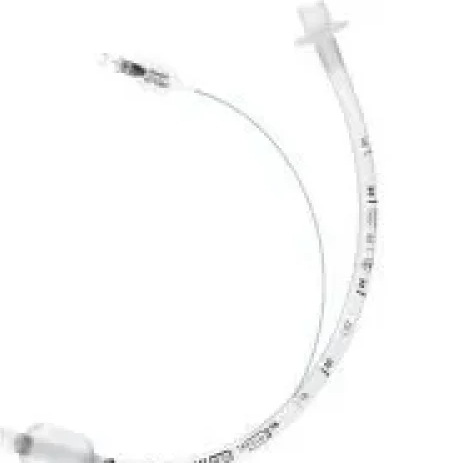
𝗪𝗵𝗮𝘁 𝗮𝗿𝗲 𝗘𝗻𝗱𝗼𝘁𝗿𝗮𝗰𝗵𝗲𝗮𝗹 𝗧𝘂𝗯𝗲𝘀?
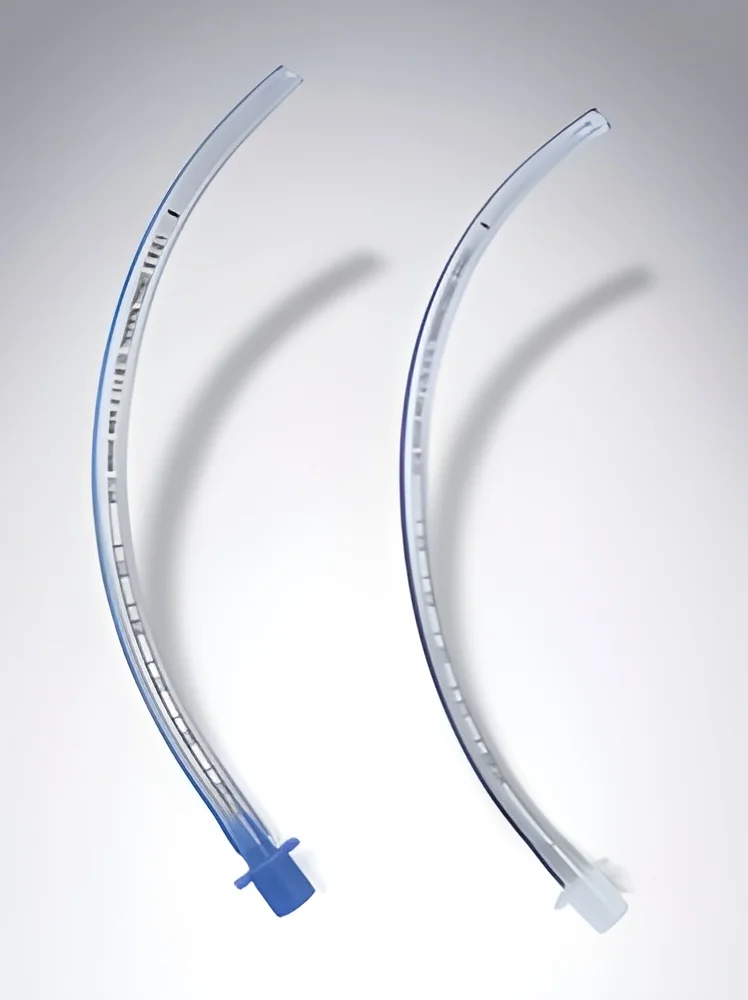
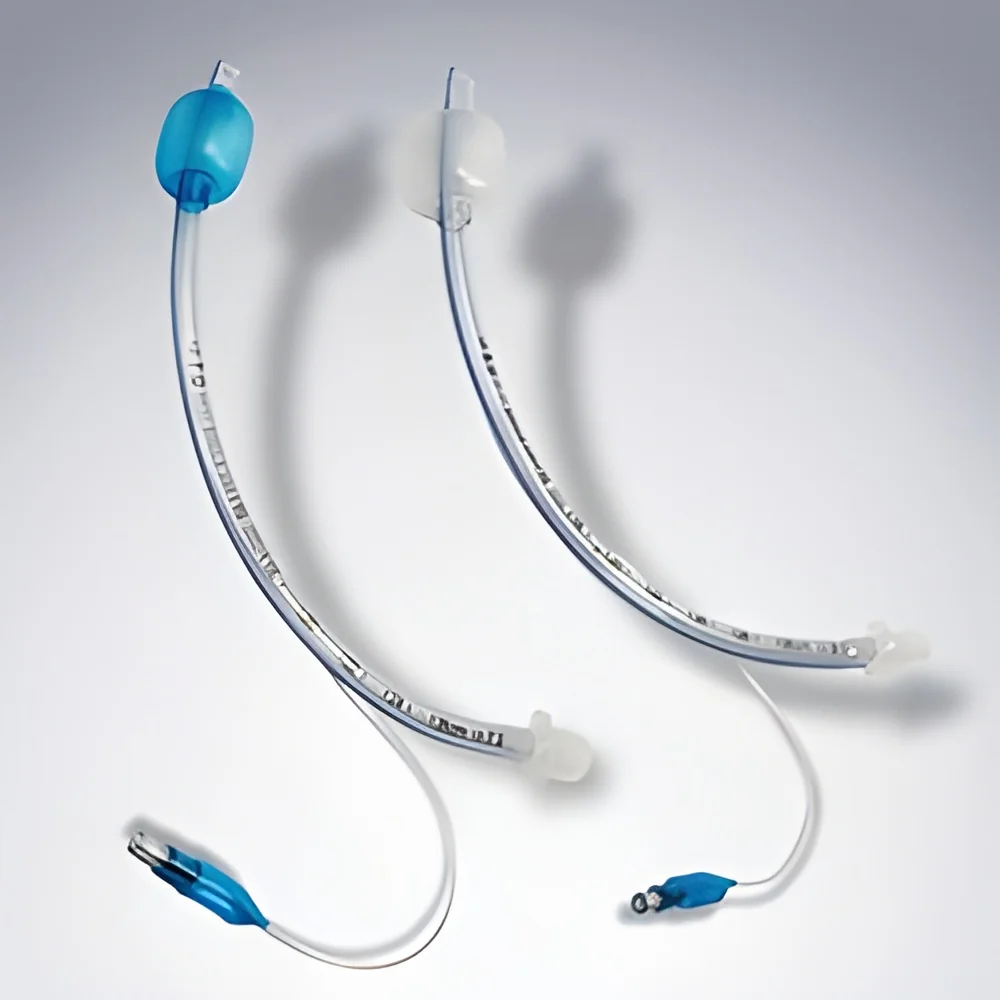
Endotracheal tubes are medical devices used to maintain an open airway in patients who require mechanical ventilation or airway management. These tubes are inserted through the mouth or nose into the trachea, allowing for direct access to the respiratory system. They are typically made of flexible plastic and come in various sizes to accommodate different patient needs. The design includes a cuff that can be inflated to secure the tube in place and prevent the escape of air.
Endotracheal tubes are primarily used in emergency medical situations, during surgeries, and in intensive care units. They facilitate the delivery of oxygen and anesthetic gases while also allowing for the removal of secretions from the lungs. Their importance is underscored in various healthcare settings, including hospitals, ambulances, and surgical centers. The global market for endotracheal tubes continues to grow due to an increasing prevalence of respiratory diseases and the demand for advanced healthcare solutions.
𝗞𝗲𝘆 𝗙𝗲𝗮𝘁𝘂𝗿𝗲𝘀 𝗮𝗻𝗱 𝗦𝗽𝗲𝗰𝗶𝗳𝗶𝗰𝗮𝘁𝗶𝗼𝗻𝘀
Endotracheal tubes are designed with several critical features that enhance their functionality and safety. These features ensure effective airway management and patient comfort. Below are key specifications of endotracheal tubes.
Key specifications include:
1. Material Composition
- Made typically from medical-grade PVC or silicone
- Ensures biocompatibility and flexibility
2. Cuff Type
- High-volume low-pressure or low-volume high-pressure cuffs
- Provides optimal sealing while minimizing airway trauma
3. Sizes Available
- Range from 2.5 mm to 10 mm in internal diameter
- Allows selection based on patient age and size
4. Length Variations
- Standard lengths ranging from 24 cm to 40 cm
- Facilitates use in various anatomical configurations
5. Radiopaque Line
- Incorporated to aid in proper placement verification through imaging
- Enhances visibility during X-ray examinations
6. Connector Type
- Standard 15 mm connector for compatibility with ventilators and other devices
- Simplifies attachment to breathing circuits
7. Sterility
- Sterilized using ethylene oxide or gamma radiation
- Ensures patient safety and reduces infection risk
8. Packaging
- Individually packaged and sealed for hygiene
- Provides assurance of product integrity before use
In summary, endotracheal tubes possess several essential features that ensure their effectiveness in airway management and patient safety.
𝗖𝗼𝗺𝗺𝗼𝗻 𝗔𝗽𝗽𝗹𝗶𝗰𝗮𝘁𝗶𝗼𝗻𝘀 𝗮𝗻𝗱 𝗨𝘀𝗲 𝗖𝗮𝘀𝗲𝘀
Endotracheal tubes serve various industries, primarily within healthcare.
1. Hospitals: Used extensively in emergency departments and operating rooms for patients requiring ventilation support.
2. Ambulatory Services: Critical for paramedics and emergency responders to secure airways in life-threatening situations.
3. Intensive Care Units: Essential for patients with severe respiratory distress or those recovering from surgery.
4. Anesthesia: Utilized during surgical procedures to manage the airway and deliver anesthetic gases safely.
5. Veterinary Medicine: Applied in animal surgeries requiring anesthesia and respiratory support.
6. Research Facilities: Used in studies involving respiratory physiology or mechanical ventilation techniques.
7. Home Healthcare: Sometimes employed in long-term care for patients with chronic respiratory conditions.
𝗣𝗿𝗼𝗱𝘂𝗰𝘁 𝗩𝗮𝗿𝗶𝗮𝗻𝘁𝘀 𝗮𝗻𝗱 𝗦𝘂𝗯𝗰𝗮𝘁𝗲𝗴𝗼𝗿𝗶𝗲𝘀
Endotracheal tubes come in a range of designs and configurations to suit diverse medical needs.
Cuffed Endotracheal Tubes
These tubes feature an inflatable cuff that provides a secure airway seal. They are ideal for patients requiring ventilation and help prevent aspiration.
Uncuffed Endotracheal Tubes
Designed primarily for pediatric patients, these tubes do not have a cuff and are used in less invasive procedures where airway control is needed without high pressure.
Magill Endotracheal Tubes
These tubes have a slight curve that facilitates easier intubation in certain anatomical configurations. They are particularly useful in emergency settings.
Reinforced Endotracheal Tubes
These tubes have a wire coil embedded within the wall, making them less prone to kinking. They are beneficial in situations where flexibility and rigidity are crucial.
𝗕𝗲𝗻𝗲𝗳𝗶𝘁𝘀 𝗮𝗻𝗱 𝗔𝗱𝘃𝗮𝗻𝘁𝗮𝗴𝗲𝘀
Endotracheal tubes offer numerous benefits that enhance patient outcomes and operational efficiency.
1. Reliable Airway Management: Provides a secure airway for patients requiring mechanical ventilation or during anesthesia.
2. Enhanced Patient Safety: Reduces the risk of aspiration and ensures effective gas exchange.
3. Versatile Applications: Suitable for various medical scenarios, including emergencies, surgeries, and intensive care.
4. Improved Comfort: Designs that minimize irritation and enhance patient comfort during use.
5. Compatible with Multiple Devices: Standardized connector allows easy integration with ventilators and monitoring systems.
6. Quality Materials: Made from biocompatible materials that reduce the risk of adverse reactions.
𝗕𝘂𝘆𝗶𝗻𝗴 𝗚𝘂𝗶𝗱𝗲 𝗳𝗼𝗿 𝗕𝟮𝗕 𝗕𝘂𝘆𝗲𝗿𝘀
When sourcing endotracheal tubes, it is essential for B2B buyers to consider several factors to ensure optimal selection.
1. Quality Assessment: Evaluate the quality of materials used and compliance with relevant medical standards. Look for certifications that indicate safety and effectiveness.
2. Supplier Verification: Vet suppliers by checking their reputation, manufacturing practices, and customer feedback. Ensure they are reliable and experienced in medical device production.
3. Pricing and MOQ: Understand the pricing structure and minimum order quantity (MOQ) requirements. Assess the budget and negotiate terms that align with operational needs.
4. Delivery and Lead Times: Inquire about logistics and expected delivery times. Timely availability is critical, especially for emergency healthcare needs.
5. Compliance Requirements: Ensure products meet regulatory requirements in your region. This includes certifications such as CE, which indicate adherence to safety standards.
𝗖𝗼𝗺𝗽𝗹𝗶𝗮𝗻𝗰𝗲 𝗮𝗻𝗱 𝗖𝗲𝗿𝘁𝗶𝗳𝗶𝗰𝗮𝘁𝗶𝗼𝗻𝘀
Endotracheal tubes must adhere to rigorous standards and certifications to ensure safety and effectiveness in medical applications. Key quality standards include ISO 9001, which specifies requirements for a quality management system within manufacturing processes. Compliance with HACCP (Hazard Analysis Critical Control Point) guidelines is also crucial for risk management in healthcare settings.
Industry certifications such as CE mark indicate that the products meet European health, safety, and environmental protection standards. Safety and testing requirements are paramount, ensuring that endotracheal tubes are reliable and safe for patient use.
Additionally, regional compliance considerations may vary, and it is essential for buyers to be aware of local regulations governing medical devices. This ensures that the products not only meet international standards but also comply with specific regional requirements.
𝗪𝗵𝘆 𝗦𝗼𝘂𝗿𝗰𝗲 𝗘𝗻𝗱𝗼𝘁𝗿𝗮𝗰𝗵𝗲𝗮𝗹 𝗧𝘂𝗯𝗲𝘀 𝗳𝗿𝗼𝗺 𝗣𝗲𝗽𝗮𝗴𝗼𝗿𝗮?
Pepagora provides a trusted platform for sourcing endotracheal tubes with several key advantages for B2B buyers.
Verified Supplier Network: Pepagora offers access to a network of verified suppliers known for their quality and reliability. This ensures that buyers can source products that meet stringent standards.
Streamlined RFQ Process: The platform simplifies the quotation process, allowing buyers to request and receive competitive quotes efficiently. This helps in making informed purchasing decisions.
Trade Assurance and Support: Buyers benefit from trade assurance policies that protect their purchases and provide peace of mind during transactions. The support team is available to assist with any queries or issues.
Regional Coverage: Pepagora serves a wide geographic area, including India, GCC, and Southeast Asia. This broad coverage ensures that buyers can find suitable products and suppliers in their region, enhancing convenience and accessibility.

 IN
IN