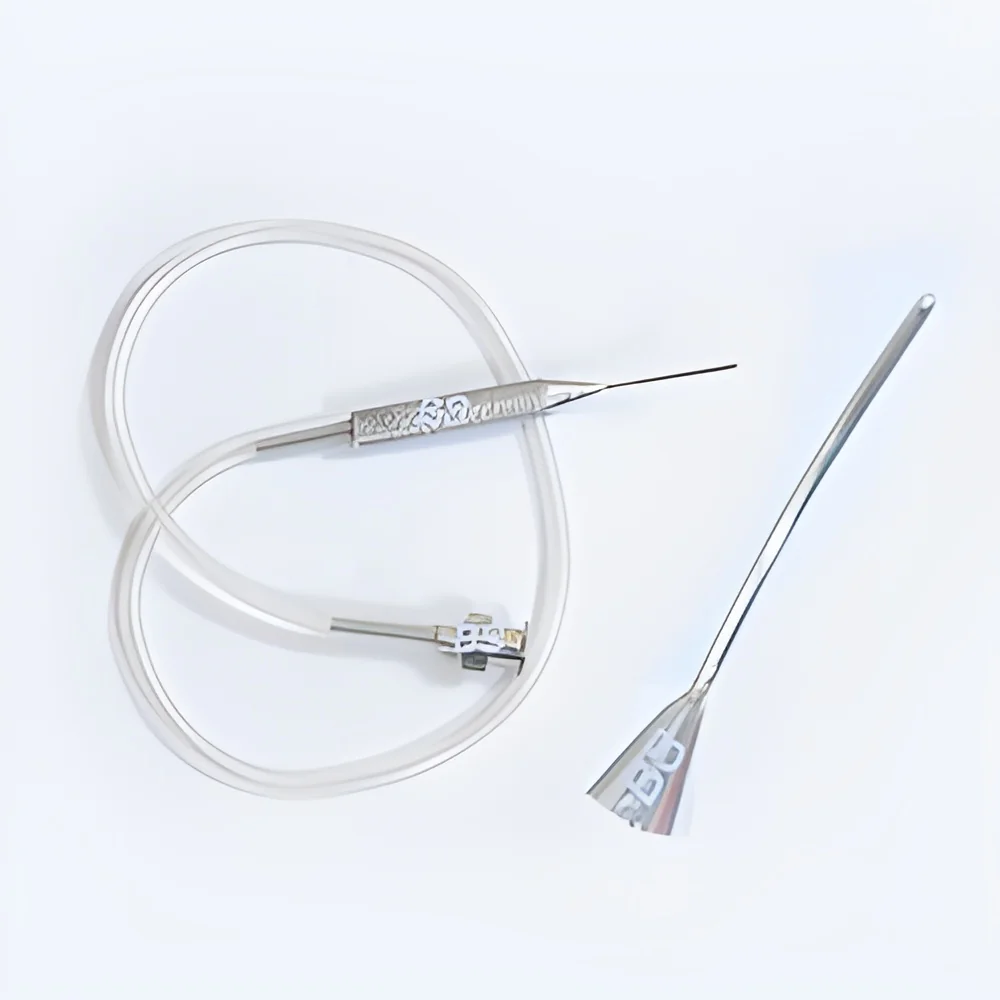
What are IV Cannulas?
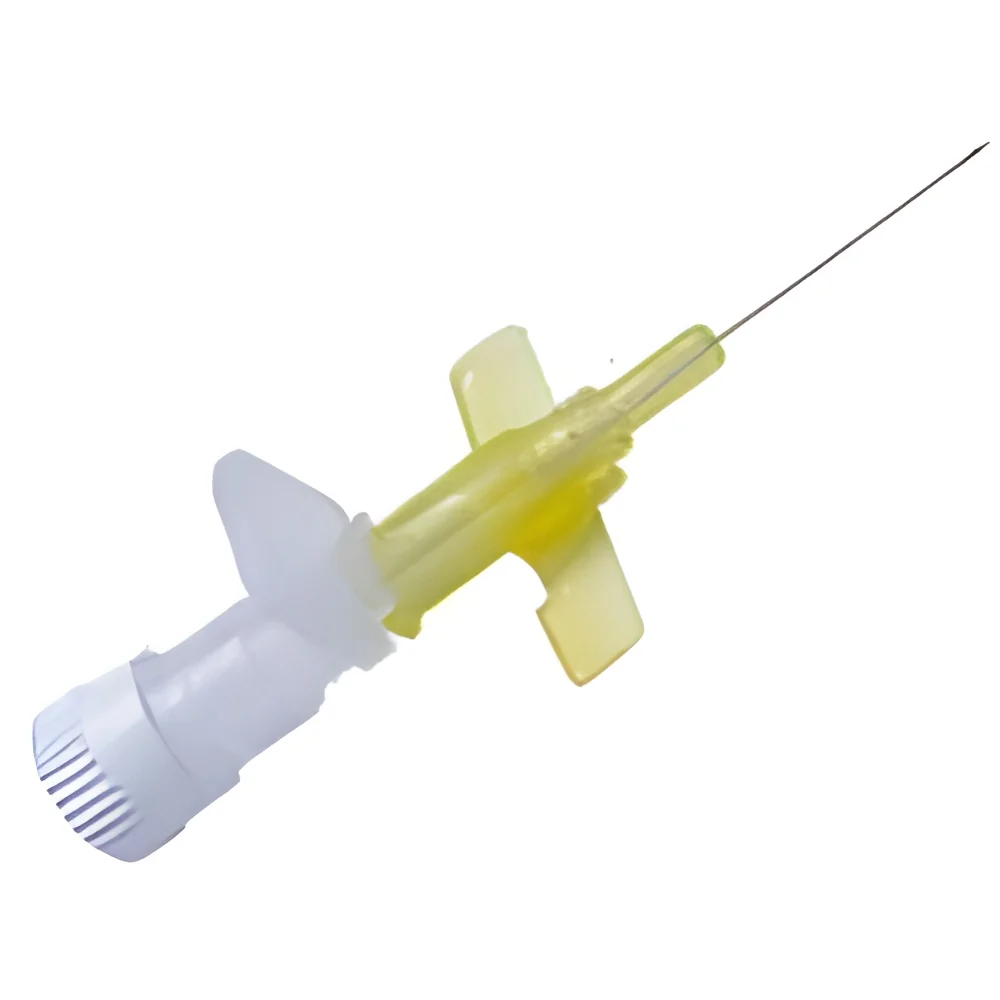
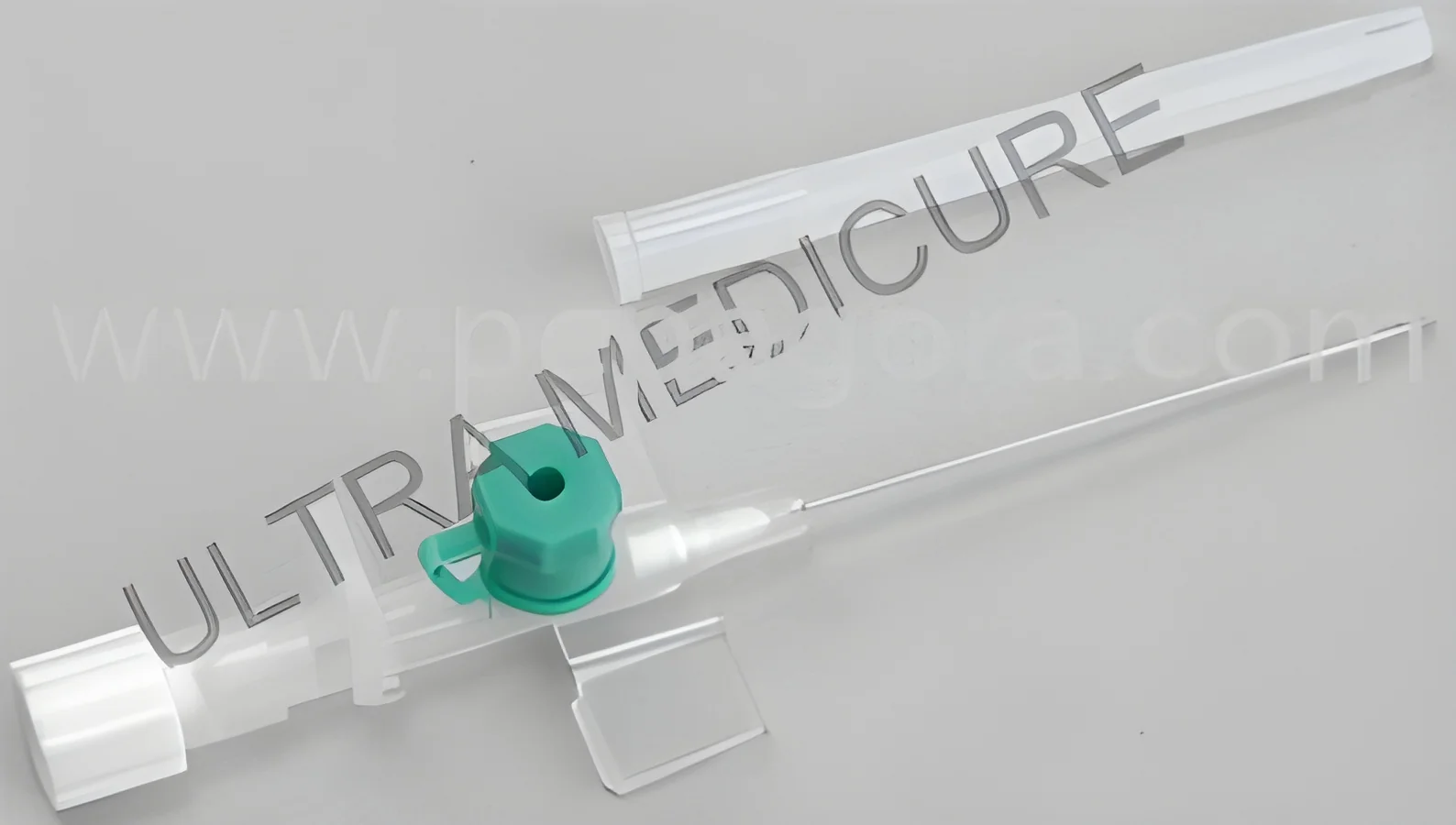
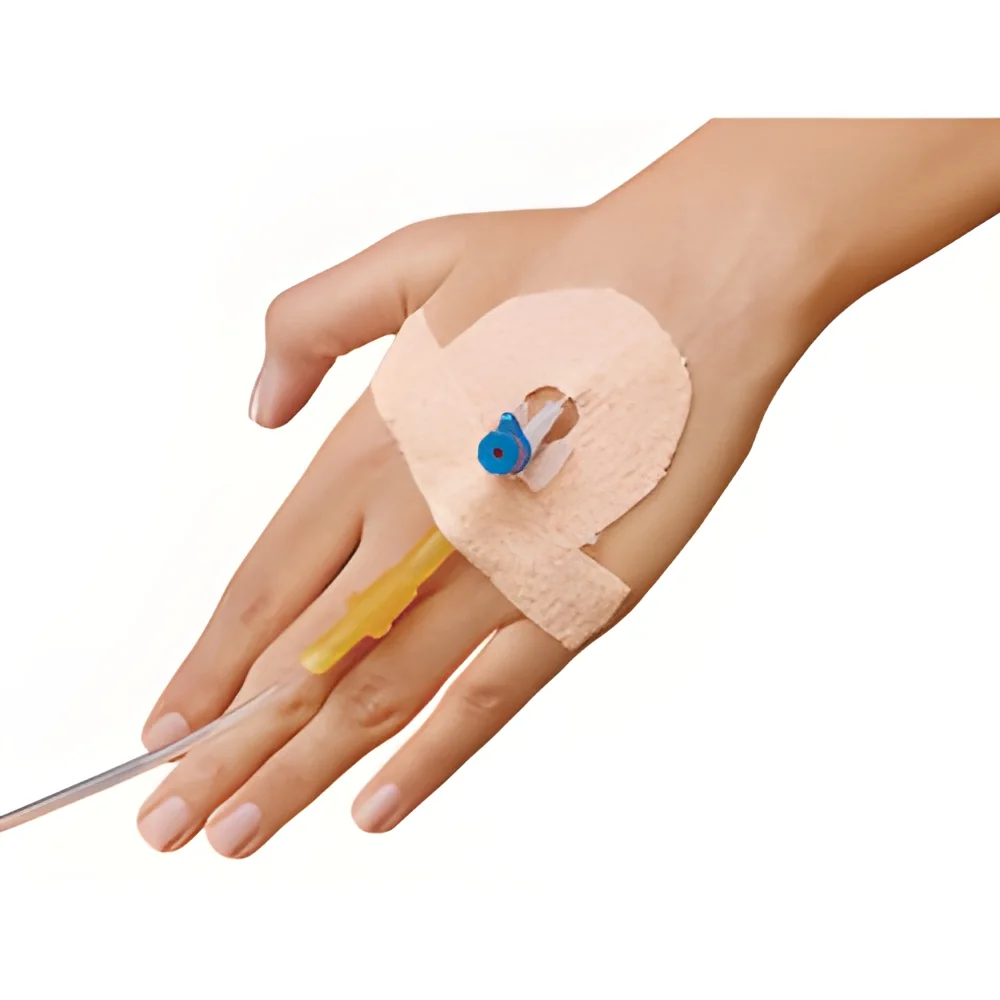
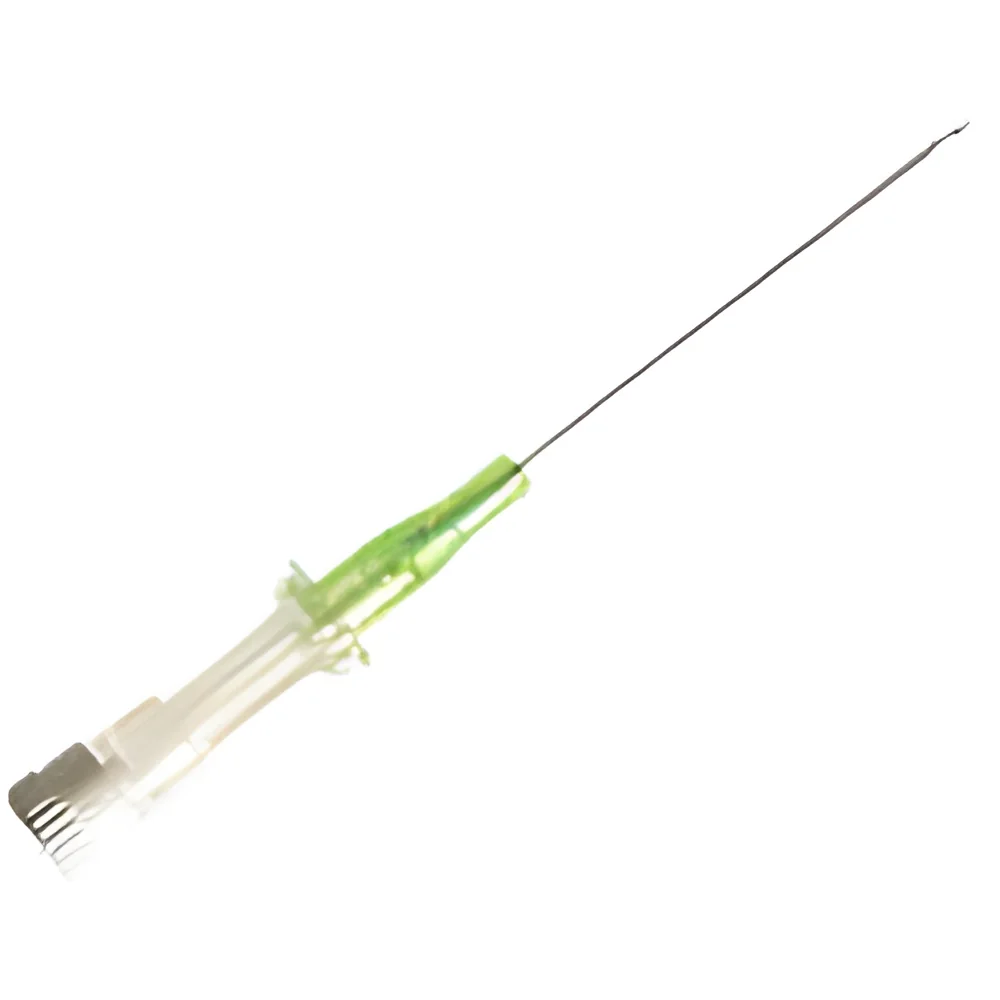
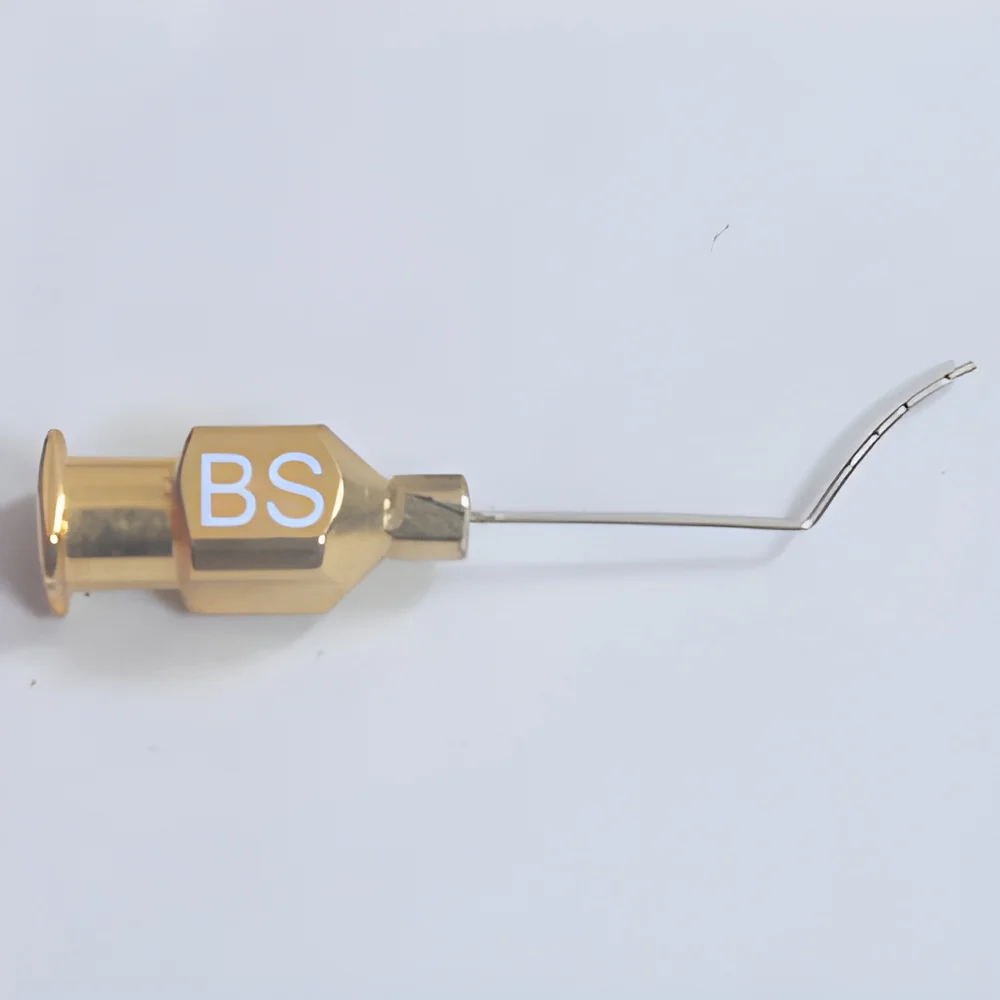
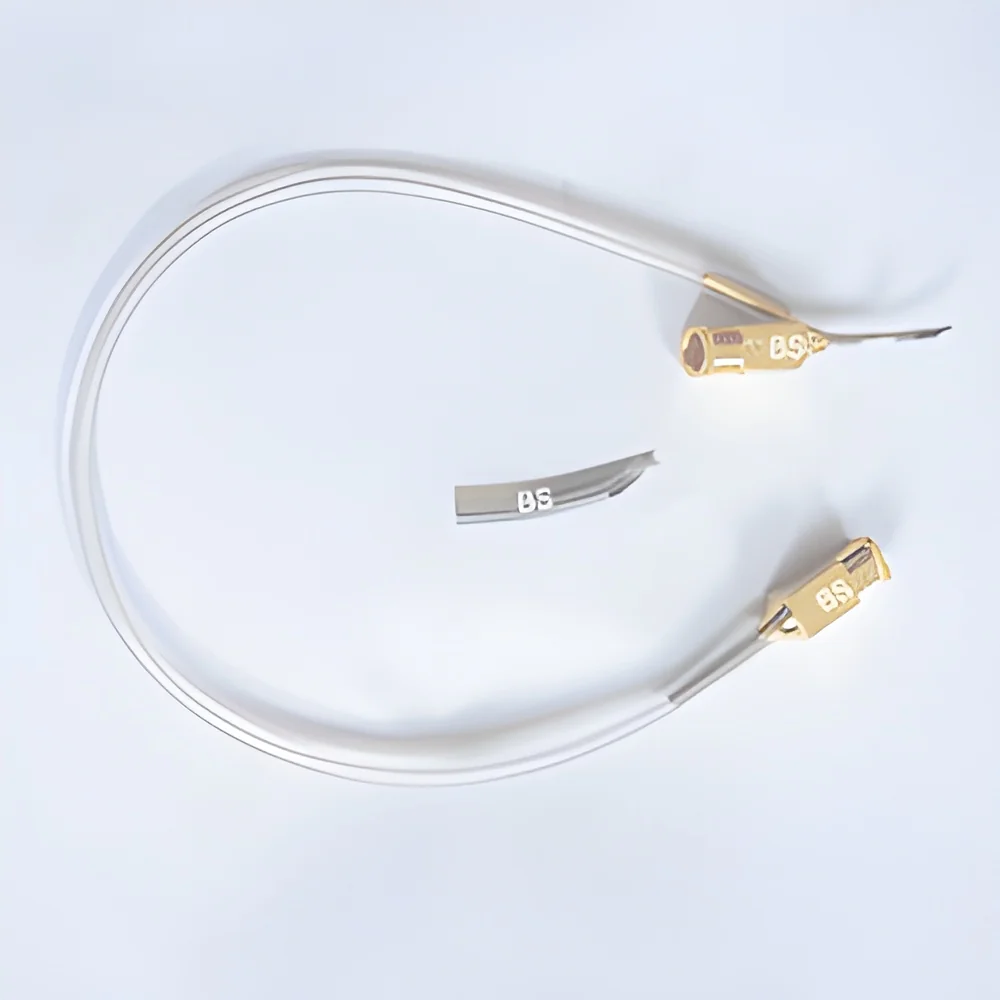
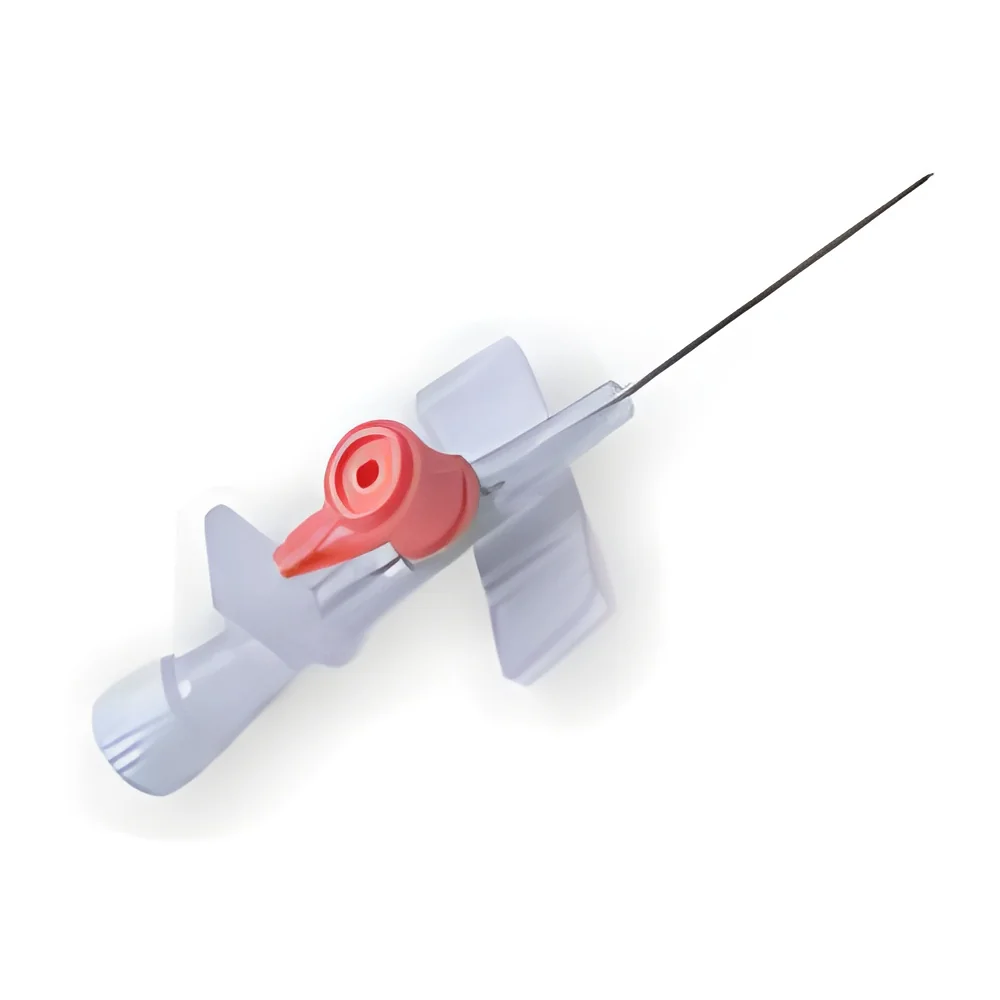
IV cannulas are thin, flexible tubes used to deliver fluids, medications, and nutrients directly into a patient's bloodstream. They are inserted into a vein, typically in the arm or hand, and are designed to remain in place for extended periods. IV cannulas are essential in various healthcare settings, including hospitals, clinics, and emergency care facilities.
These devices serve numerous critical functions, such as administering intravenous therapy, drawing blood for tests, and delivering blood transfusions. Their ability to facilitate quick and reliable access to the circulatory system makes them indispensable in medical treatment. The market for IV cannulas is growing, driven by the increasing demand for effective healthcare solutions and advancements in medical technology.
The relevance of IV cannulas within the healthcare industry cannot be overstated. As medical practices evolve, the need for reliable and safe intravenous access continues to rise. This growth is further supported by the increasing prevalence of chronic diseases and the aging population, which contribute to higher healthcare requirements.
Key Features and Specifications
IV cannulas come with a range of features designed to enhance performance and safety. These specifications are critical for healthcare professionals when selecting the appropriate cannula for their needs.
Key specifications include:
1. Size
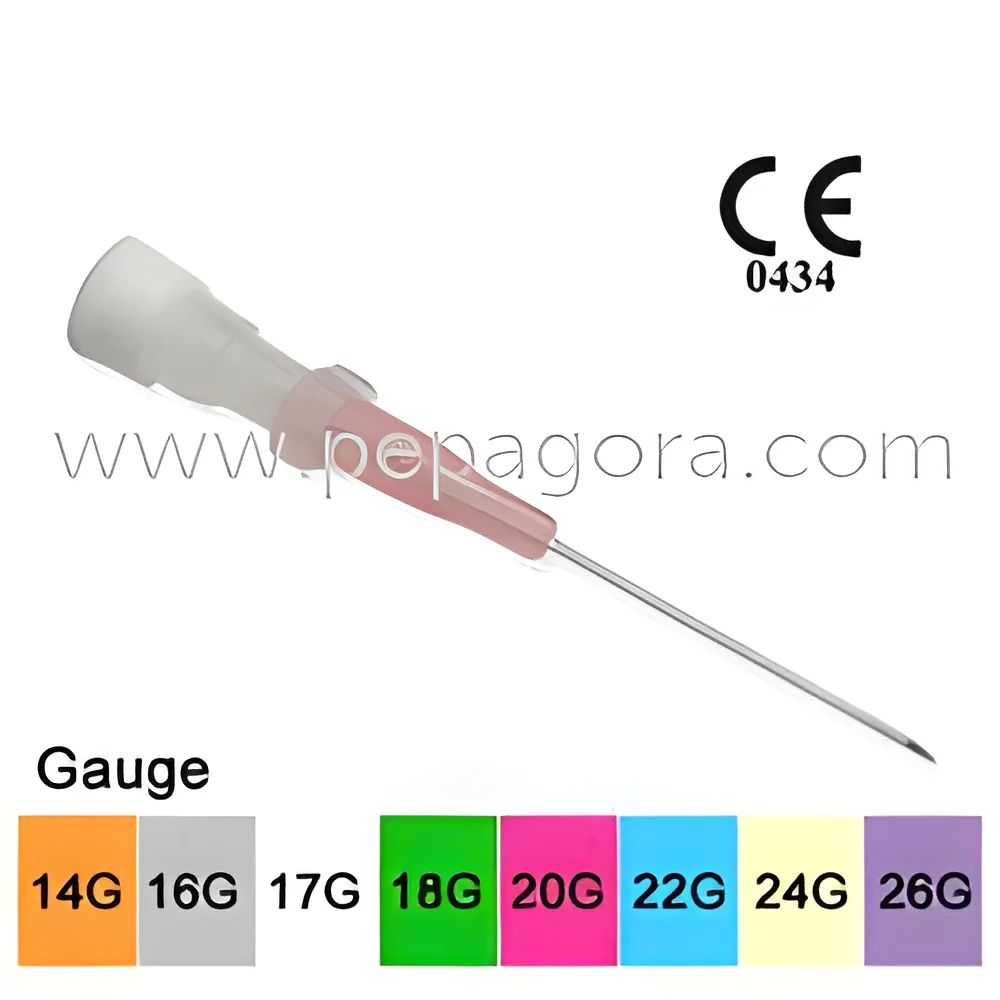
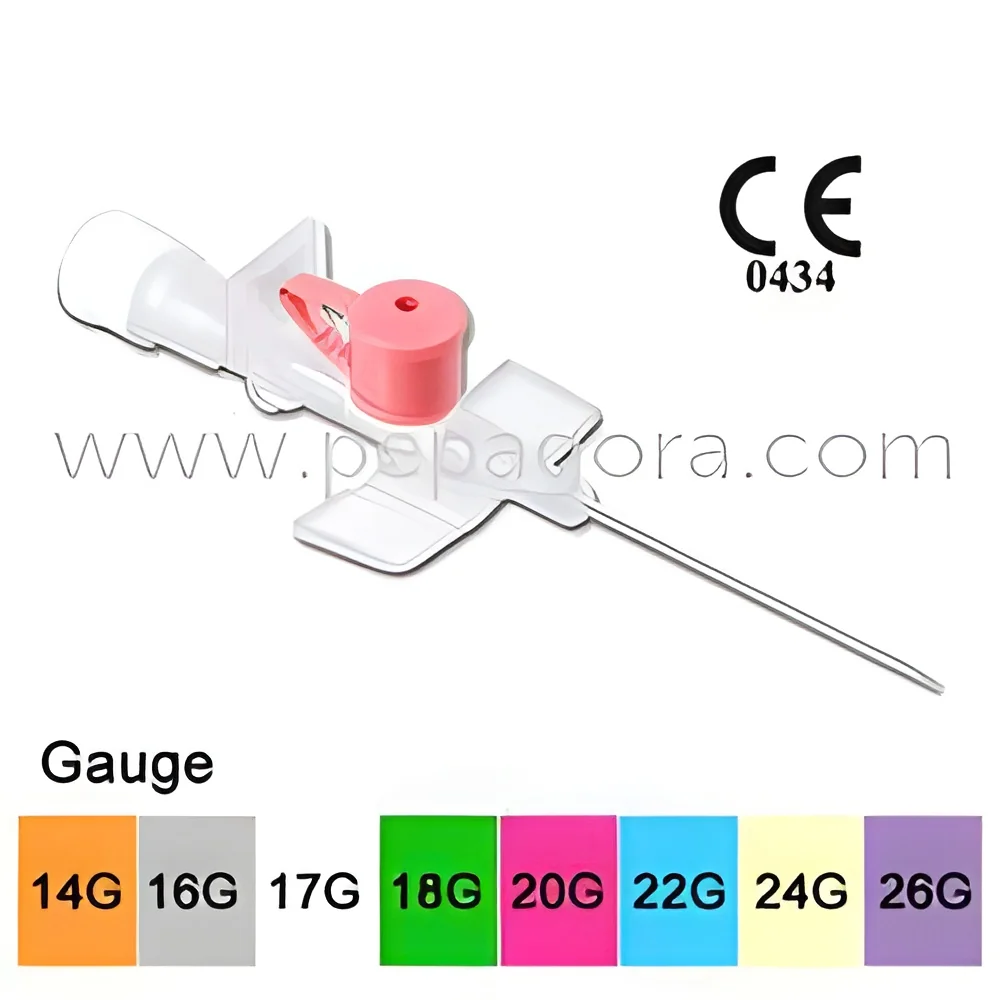
- IV cannulas are available in various gauge sizes, typically ranging from 14G to 24G.
- The size determines the flow rate and the type of fluids that can be administered.
2. Material
- Most IV cannulas are made from medical-grade plastic, ensuring compatibility with bodily tissues.
- Some models may include a polyurethane or Teflon coating for added safety.
3. Catheter Length
- Cannula lengths can vary, generally ranging from 3 cm to 5 cm.
- The length can affect insertion ease and patient comfort.
4. Safety Features
- Many IV cannulas incorporate safety mechanisms, such as retractable needles or needleless connectors.
- These features help minimize the risk of needlestick injuries.
5. Flow Rate
- Flow rates can differ based on the gauge size and design.
- Typical flow rates range from 20 to 150 mL per hour.
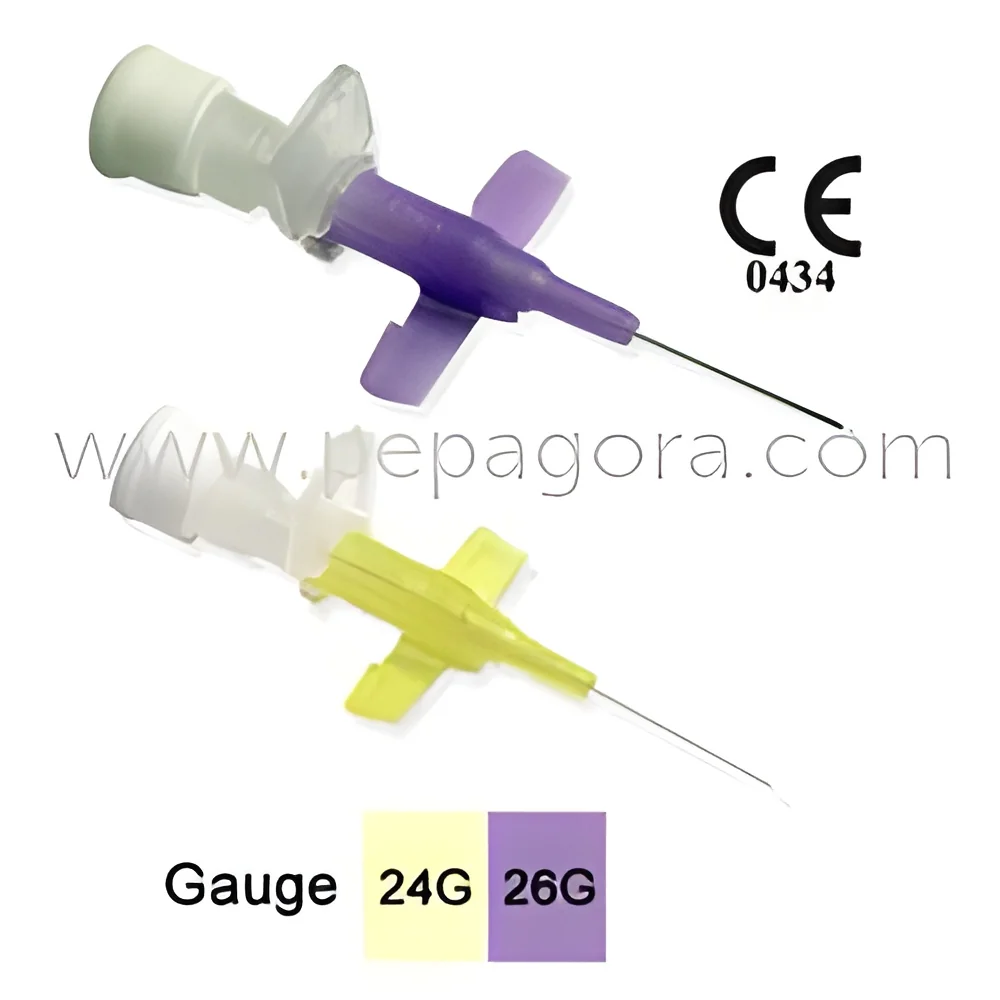
6. Color Coding
- IV cannulas are often color-coded by gauge size for easy identification.
- This system allows healthcare providers to quickly select the appropriate size.
7. Sterility
- All IV cannulas are supplied sterile and packaged individually to ensure patient safety.
- Sterility is crucial in preventing infections during procedures.
8. Compatibility
- Cannulas are designed to work with standard IV connectors and infusion sets.
- This compatibility facilitates easy integration into existing medical systems.
In summary, understanding the key features and specifications of IV cannulas is essential for selecting the right product to meet patient care requirements.
Common Applications and Use Cases
IV cannulas are utilized across various sectors in healthcare.
1. Hospitals: Inpatient care often requires the use of IV cannulas for medication administration, fluid resuscitation, and blood transfusions.
2. Emergency Services: IV cannulas are critical in emergency situations for rapid access to the bloodstream, which is necessary for administering life-saving treatments.
3. Outpatient Clinics: Many outpatient procedures, such as chemotherapy, require IV access for drug delivery and hydration.
4. Home Healthcare: Patients receiving home health services may require IV cannulas for long-term therapy, such as antibiotic or nutrition delivery.
5. Surgical Centers: During surgeries, IV cannulas are essential for anesthesia administration and fluid management.
6. Dialysis Centers: IV cannulas can be used for accessing blood vessels during dialysis treatments.
7. Pediatric Care: Specialized pediatric IV cannulas ensure safe and effective treatment for infants and children, accommodating their unique physiological needs.
Product Variants and Subcategories
IV cannulas come in diverse variants to cater to different medical needs and preferences.
Standard IV Cannulas: These are the most commonly used types, designed for general intravenous access. They are available in various sizes and are suitable for a wide range of applications.
Safety IV Cannulas: This variant includes built-in safety features to protect healthcare workers from needlestick injuries. They are ideal for environments where safety is a top priority.
Specialized IV Cannulas: These are designed for specific applications, such as pediatric or oncology patients, ensuring comfort and effective therapy delivery.
Benefits and Advantages
Choosing IV cannulas offers several advantages for healthcare providers.
1. Enhanced Patient Safety: The incorporation of safety features minimizes the risk of complications and infections.
2. Versatile Applications: IV cannulas can be used for various therapies, making them a flexible choice for healthcare settings.
3. Improved Efficiency: Their design enables quick and easy access to the venous system, facilitating timely treatment.
4. Comfort for Patients: Modern IV cannulas are designed with patient comfort in mind, reducing pain during insertion.
5. Reliable Performance: High-quality materials and construction ensure consistent and dependable performance.
6. Cost-Effective Solutions: IV cannulas are available at various price points, allowing healthcare facilities to find options that fit their budget.
Buying Guide for B2B Buyers
When sourcing IV cannulas, it is essential for B2B buyers to consider several critical factors.
1. Quality Assessment: Evaluate the quality of IV cannulas by checking for compliance with industry standards and certifications. Look for products that meet ISO and CE requirements.
2. Supplier Verification: Vet potential suppliers to ensure they have a strong reputation and reliable track record in providing medical products.
3. Pricing and MOQ: Understand the pricing structures and minimum order quantities (MOQ) offered by suppliers. This helps in budgeting and inventory planning.
4. Delivery and Lead Times: Inquire about logistics and expected delivery times to ensure that products arrive when needed, particularly in urgent healthcare situations.
5. Compliance Requirements: Ensure that the products comply with regional regulations and standards to avoid legal issues and guarantee patient safety.
Compliance and Certifications
IV cannulas must adhere to specific quality standards and industry regulations to ensure safety and effectiveness.
Relevant quality standards include ISO 9001, which ensures consistent quality management systems, and HACCP, which focuses on food safety management. Although specific temperature and humidity control data are not available, manufacturers often follow guidelines that ensure product stability.
Industry certifications like UL and CE signify that the products have been tested for safety and performance. These certifications are essential for building trust with healthcare providers.
Safety and testing requirements are crucial for ensuring that IV cannulas do not introduce infections or complications. Manufacturers must conduct rigorous testing to guarantee that their products meet necessary safety standards.
Regional compliance considerations can vary, and it is essential for manufacturers and suppliers to be aware of regional regulations to ensure that their products are compliant in the markets they serve.
Why Source IV Cannulas from Pepagora?
Pepagora provides a trusted platform for sourcing IV cannulas, offering several key advantages that benefit B2B buyers.
Verified Supplier Network: Pepagora connects buyers with a network of verified suppliers. This ensures that healthcare providers can source high-quality products from reputable manufacturers.
Streamlined RFQ Process: The platform features a user-friendly Request for Quotation (RFQ) system, enabling buyers to obtain competitive quotes quickly and efficiently.
Trade Assurance and Support: Pepagora offers buyer protection through trade assurance, ensuring that transactions are secure and that buyers receive the products as promised.
Regional Coverage: The platform has a wide geographic reach, covering regions such as India, the GCC, and Southeast Asia, allowing buyers to access a diverse range of suppliers and products.
By choosing Pepagora, B2B buyers can simplify their sourcing process and ensure they receive reliable IV cannulas to meet their healthcare needs.

 IN
IN