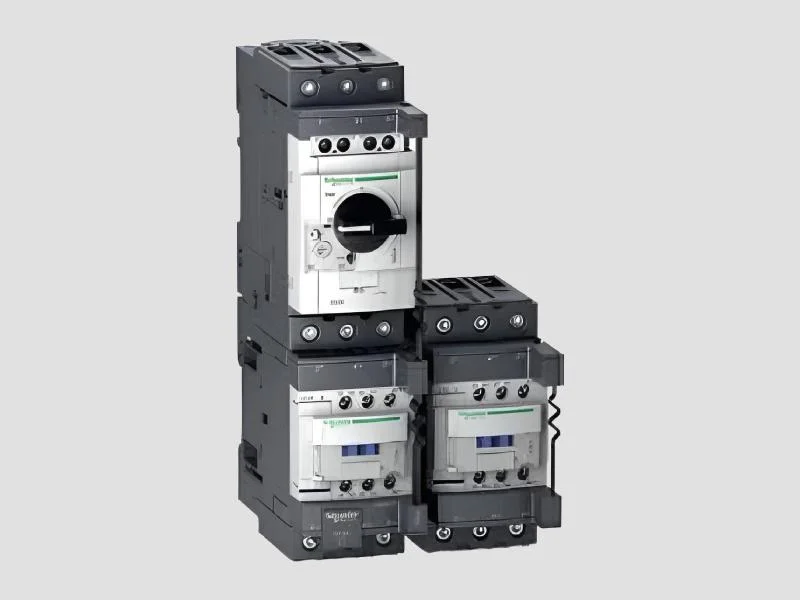
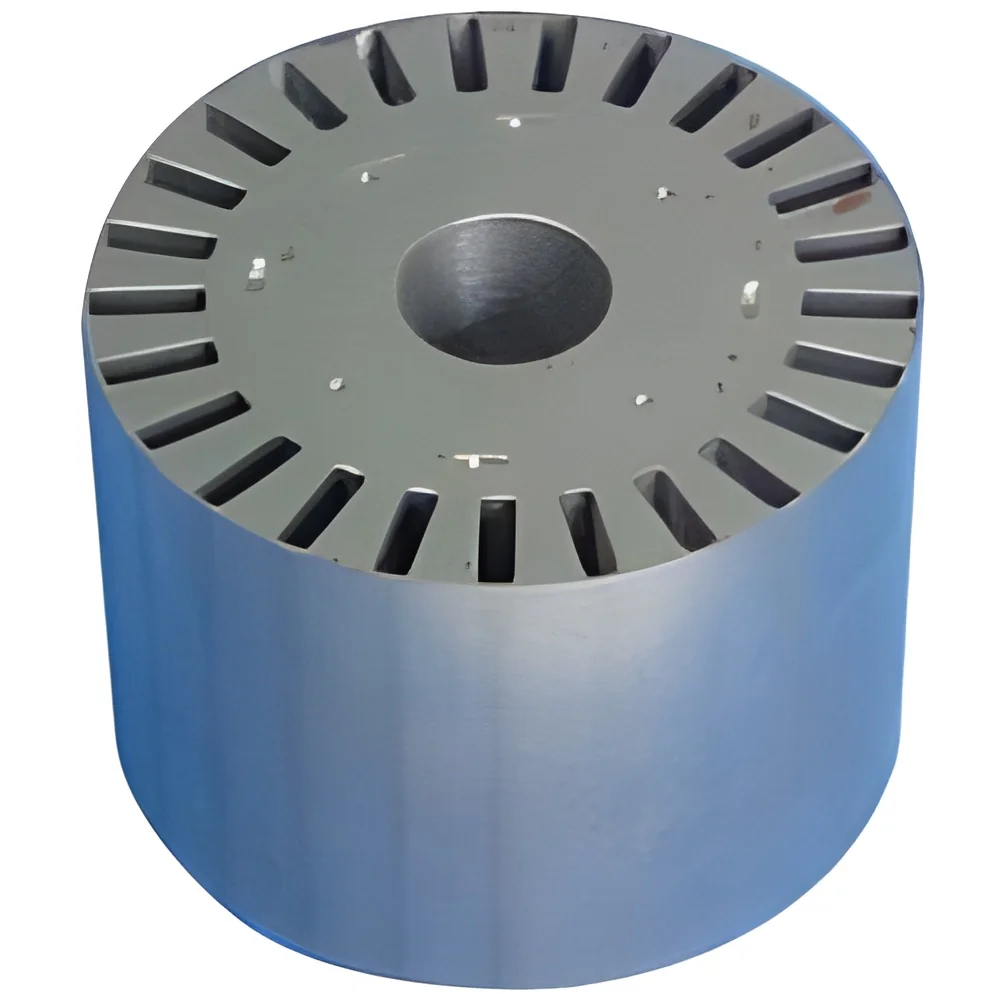
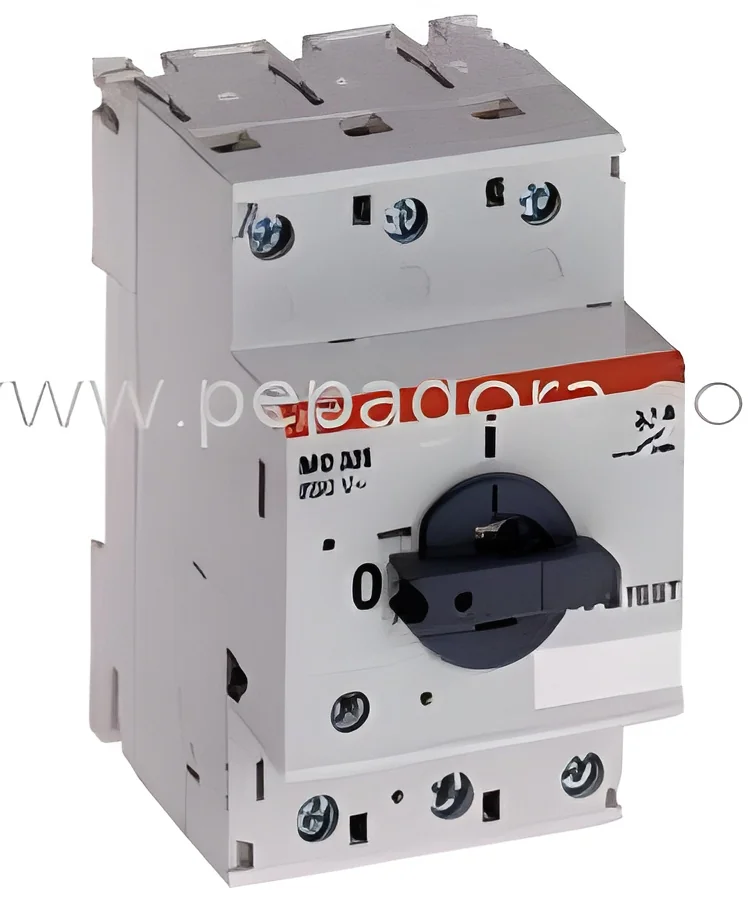
Key Features and Specifications
Starters (DOL, Star-Delta) come with several important features and specifications that cater to diverse industrial needs. These specifications dictate the performance, adaptability, and suitability of starters for different applications. Understanding these features is crucial for making informed purchasing decisions.
Key specifications include:
1. Voltage Rating
- Common voltage ratings range from 230V to 690V.
- Ensures compatibility with various motor types.
2. Current Rating
- Typically rated from 1A to several hundred Amps.
- Determines the maximum load the starter can handle.
3. Starting Torque Control
- DOL provides full torque immediately, while Star-Delta reduces torque initially.
- Important for applications requiring gradual motor acceleration.
4. Control Method
- DOL uses simple ON/OFF control, while Star-Delta employs a sequence of switching.
- Affects the complexity and performance of motor control.
5. Protection Features
- Includes overload protection, short circuit protection, and phase failure detection.
- Enhances safety and reliability in motor operations.
6. Mounting Options
- Available in panel mount, DIN rail mount, and standalone configurations.
- Adapts to different installation environments.
7. Environmental Ratings
- Rated for various conditions; typical ratings include IP20 to IP67.
- Ensures suitability for specific operational environments.
8. Compliance Standards
- Adheres to international standards, including CE certification.
- Signifies quality and safety assurance in manufacturing.
These specifications provide a comprehensive understanding of the capabilities and limitations of starters, helping businesses select the right product for their needs.
Common Applications and Use Cases
Starters (DOL, Star-Delta) serve a range of industries, each with specific applications that benefit from their unique features.
1. Manufacturing: Starters are commonly used to control motors in assembly lines, ensuring smooth and efficient operation of machinery.
2. Water Treatment: In water treatment facilities, starters manage pumps that require careful control during startup to prevent water hammer effects.
3. HVAC Systems: Starters control motors in heating, ventilation, and air conditioning systems, where energy efficiency is critical.
4. Mining: In this industry, starters operate heavy machinery and equipment, enabling controlled and safe operations in challenging environments.
5. Agriculture: Starters are used in irrigation systems to control pumps, ensuring optimal water distribution for crops.
6. Construction: Starters manage equipment such as cranes and concrete mixers, where precise control of motor functions is vital.
7. Food Processing: In food manufacturing, starters control conveyor belts and mixers, contributing to operational efficiency and product quality.
Product Variants and Subcategories
Starters (DOL, Star-Delta) come in various configurations to meet the diverse needs of industrial applications.
DOL Starters
These starters are designed for direct connection to the power supply. They are simple to install and operate, making them ideal for smaller motors where the immediate full torque is necessary. Commonly used in applications such as fans and small pumps, DOL starters are favored for their reliability and ease of use.
Star-Delta Starters
Star-Delta starters are engineered for larger motors that require reduced starting current. They initially connect the motor in a star configuration to limit the start-up current and then switch to a delta configuration for normal operation. This variant is commonly used in applications like heavy-duty conveyors and large pumps, which benefit from controlled starting.
Benefits and Advantages
Choosing Starters (DOL, Star-Delta) brings several advantages to industrial operations.
1. Energy Efficiency: Star-Delta starters reduce initial power consumption, leading to lower energy costs during motor startup.
2. Equipment Longevity: By controlling the starting current, these starters help reduce wear and tear on motors, extending their operational lifespan.
3. Safety Features: Integrated protections such as overload and short circuit protection enhance the safety of electrical systems.
4. Versatility: With a variety of voltage and current ratings, starters can accommodate a wide range of motor types and sizes.
5. Ease of Installation: Many starters are designed for quick and straightforward installation, minimizing downtime during setup.
6. Compliance Assurance: Adhering to recognized industry standards ensures that the starters meet safety and quality regulations.
Buying Guide for B2B Buyers
When sourcing Starters (DOL, Star-Delta), several factors should be considered to ensure the best choice for your applications.
1. Quality Assessment: Review the quality criteria, such as certifications and manufacturing standards, to ensure the product meets industry requirements.
2. Supplier Verification: Vet suppliers by checking their reputation, customer reviews, and compliance with industry regulations. This ensures reliability and quality in your supply chain.
3. Pricing and MOQ: Understand the pricing structure and minimum order quantities (MOQ) that suppliers offer. This is crucial for budget planning and inventory management.
4. Delivery and Lead Times: Consider logistics and delivery schedules to align with your project timelines. Reliable lead times can prevent delays in operations.
5. Compliance Requirements: Ensure that the starters comply with local and international regulations, such as CE certification, to avoid legal issues and ensure product safety.
Compliance and Certifications
When evaluating Starters (DOL, Star-Delta), compliance and certification are vital for ensuring product reliability and safety.
Relevant quality standards such as ISO 9001 guarantee that manufacturers adhere to quality management principles, ensuring continuous improvement and customer satisfaction.
Industry certifications like CE signify that the product meets European health, safety, and environmental protection standards. This certification is crucial for businesses operating in or exporting to Europe.
Safety and testing requirements are integral to the manufacturing process, as they verify that the starters can withstand operational stresses and meet safety regulations.
Regional compliance considerations must also be taken into account, as standards may vary by country. Understanding these requirements ensures that the products sourced are suitable for the intended market.
Why Source Starters (DOL, Star-Delta) from Pepagora?
Pepagora offers a reliable platform for sourcing Starters (DOL, Star-Delta) with several key advantages for businesses.
Verified Supplier Network: Pepagora conducts thorough checks to ensure that suppliers meet quality and compliance standards. This provides buyers with confidence in their sourcing decisions.
Streamlined RFQ Process: The platform simplifies the request for quotation (RFQ) process, allowing buyers to easily compare offers from multiple suppliers. This efficiency can lead to better pricing and options.
Trade Assurance and Support: Pepagora provides trade assurance to protect buyers from potential issues in transactions, ensuring a secure purchasing experience.
Regional Coverage: With a wide reach across India, the GCC, and Southeast Asia, Pepagora connects buyers with suppliers in various regions, facilitating smoother logistics and supply chain management.

 IN
IN

 India
India