
 IN
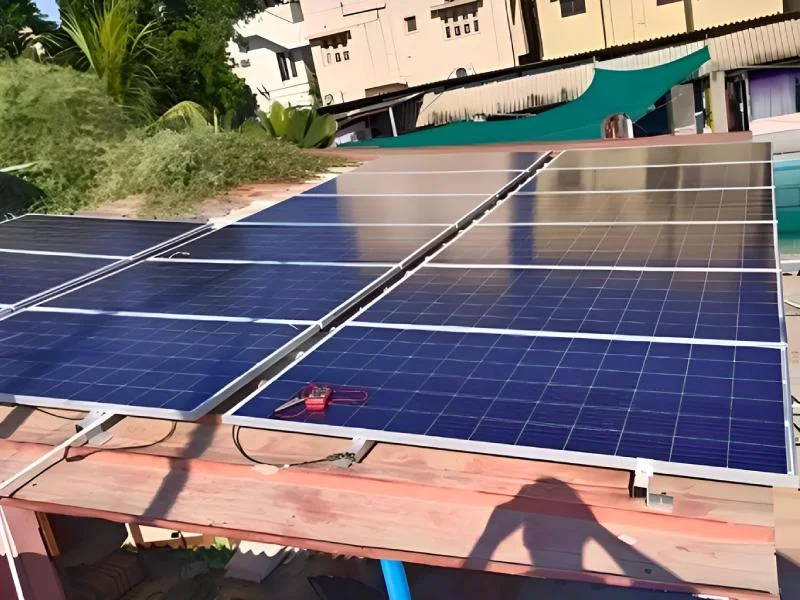
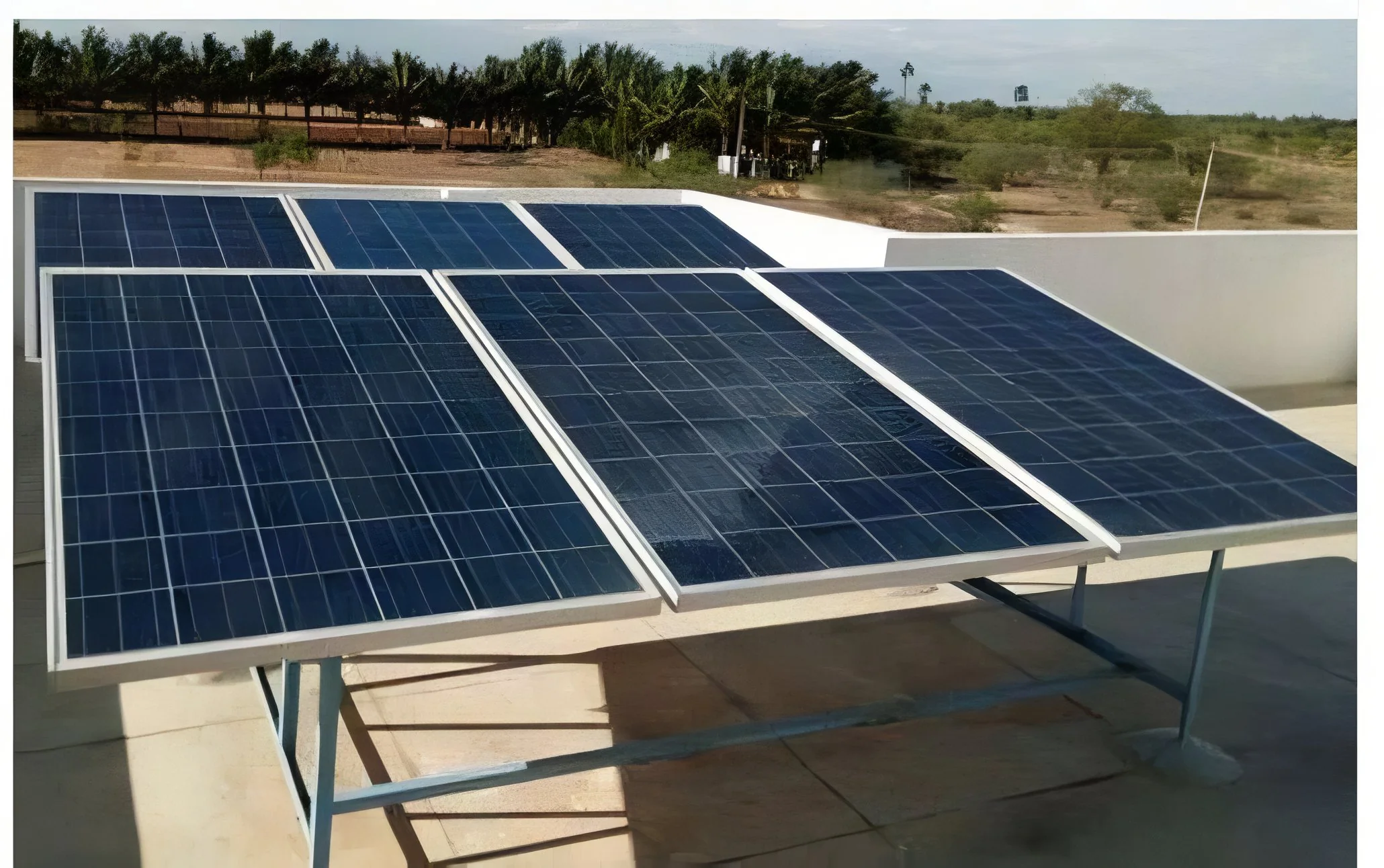
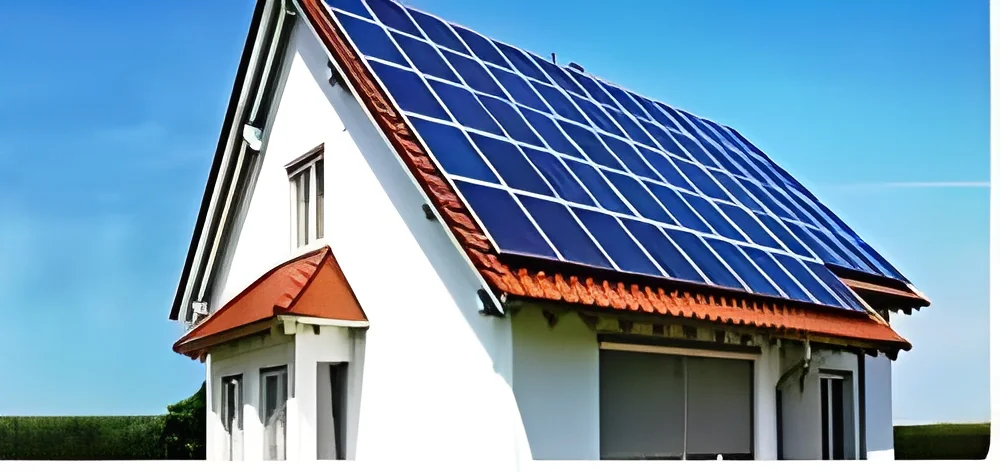
Solar Panel Installation (Industrial Rooftop)
7 products available
Key Features and Specifications
Solar panel installations for industrial rooftops come with several key features that enhance their efficiency and effectiveness. Understanding these specifications is crucial for businesses considering solar energy solutions.
Key specifications include:
1. Photovoltaic Panel Type
- Various types include monocrystalline, polycrystalline, and thin-film panels.
- Efficiency ranges typically from 15% to 22%.
2. Inverter Type
- Includes string inverters, microinverters, and power optimizers.
- Conversion efficiency generally between 95% and 98%.
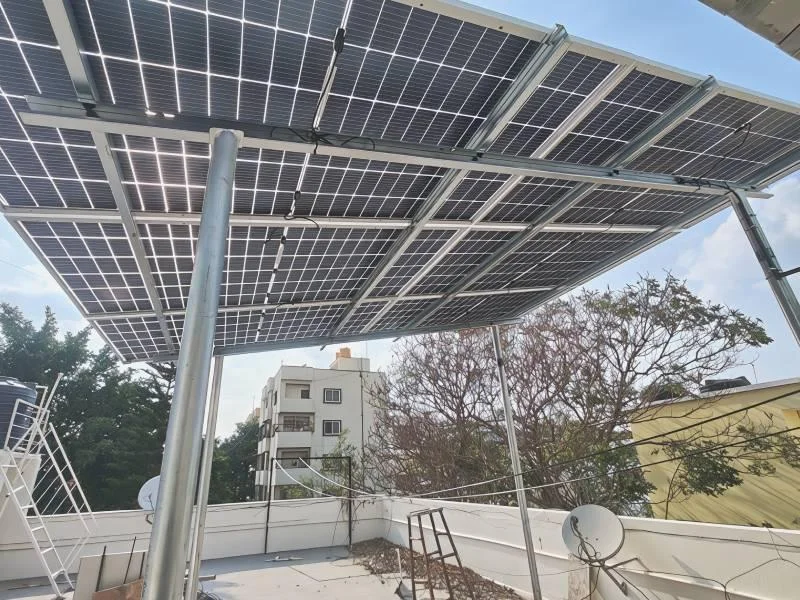
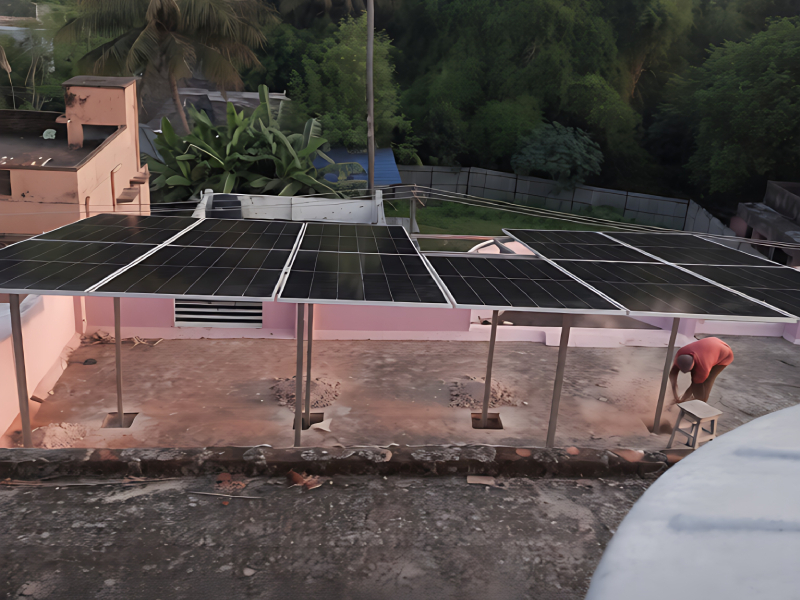
3. Mounting Systems
- Options include fixed tilt, adjustable tilt, and ballasted mounting systems.
- Designed to withstand wind loads and ensure optimal panel orientation.
4. Energy Output
- Systems can generate from a few kilowatts to several megawatts based on scale.
- Performance is often influenced by location and sunlight availability.
5. Monitoring Systems
- May include software for real-time performance tracking and maintenance alerts.
- Essential for optimizing energy production and identifying issues.
6. Warranty Period
- Panel warranties typically range from 10 to 25 years.
- Inverter warranties usually range from 5 to 12 years.
7. Installation Time
- Installation duration can vary from a few days to weeks, depending on system size.
- Factors include site preparation and permitting processes.
In summary, understanding these specifications helps businesses choose the right solar panel installation that meets their energy needs and operational requirements.
Common Applications and Use Cases
Solar panel installations on industrial rooftops have a wide range of applications across various sectors.
1. Manufacturing: Many manufacturing facilities utilize solar panels to offset energy consumption, reduce operational costs, and enhance sustainability.
2. Warehousing: Large warehouses benefit from solar installations by utilizing unused rooftop space to generate significant energy savings while maintaining operations.
3. Retail: Retail businesses are increasingly adopting solar energy solutions to power stores, lower electricity costs, and appeal to eco-conscious consumers.
4. Agriculture: Agricultural facilities use solar panels to power irrigation systems, refrigeration, and other energy-intensive operations, ensuring greater efficiency.
5. Pharmaceuticals: Pharmaceutical companies leverage solar energy to comply with strict energy regulations while reducing their carbon footprint.
6. Data Centers: Data centers utilize solar installations to ensure a stable power supply, reduce energy costs, and enhance their sustainability credentials.
7. Educational Institutions: Schools and universities install solar panels to promote renewable energy education and reduce operational costs.
Product Variants and Subcategories
Solar panel installations for industrial rooftops offer various options tailored to specific business needs.
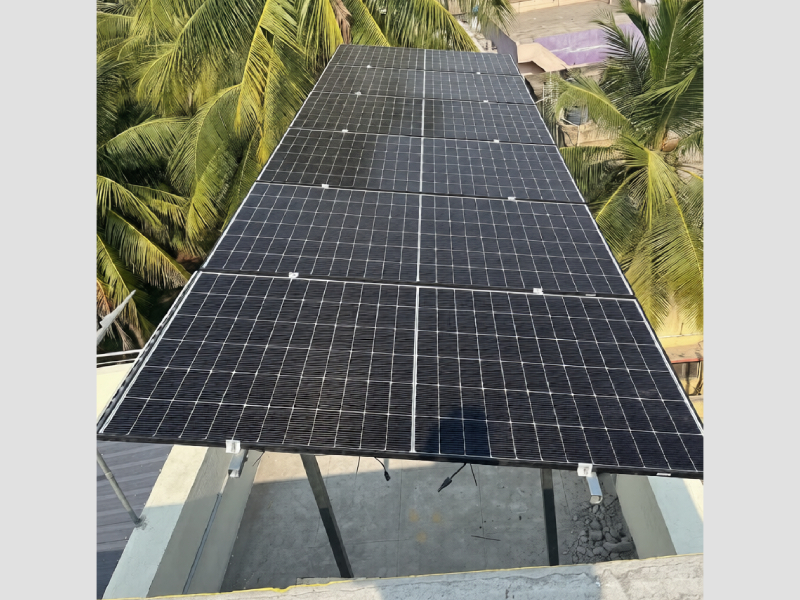
Standard Solar Panel Installation
This variant typically includes a fixed array of photovoltaic panels mounted on the roof. It is designed for maximum energy efficiency and is suitable for a wide range of industrial applications.
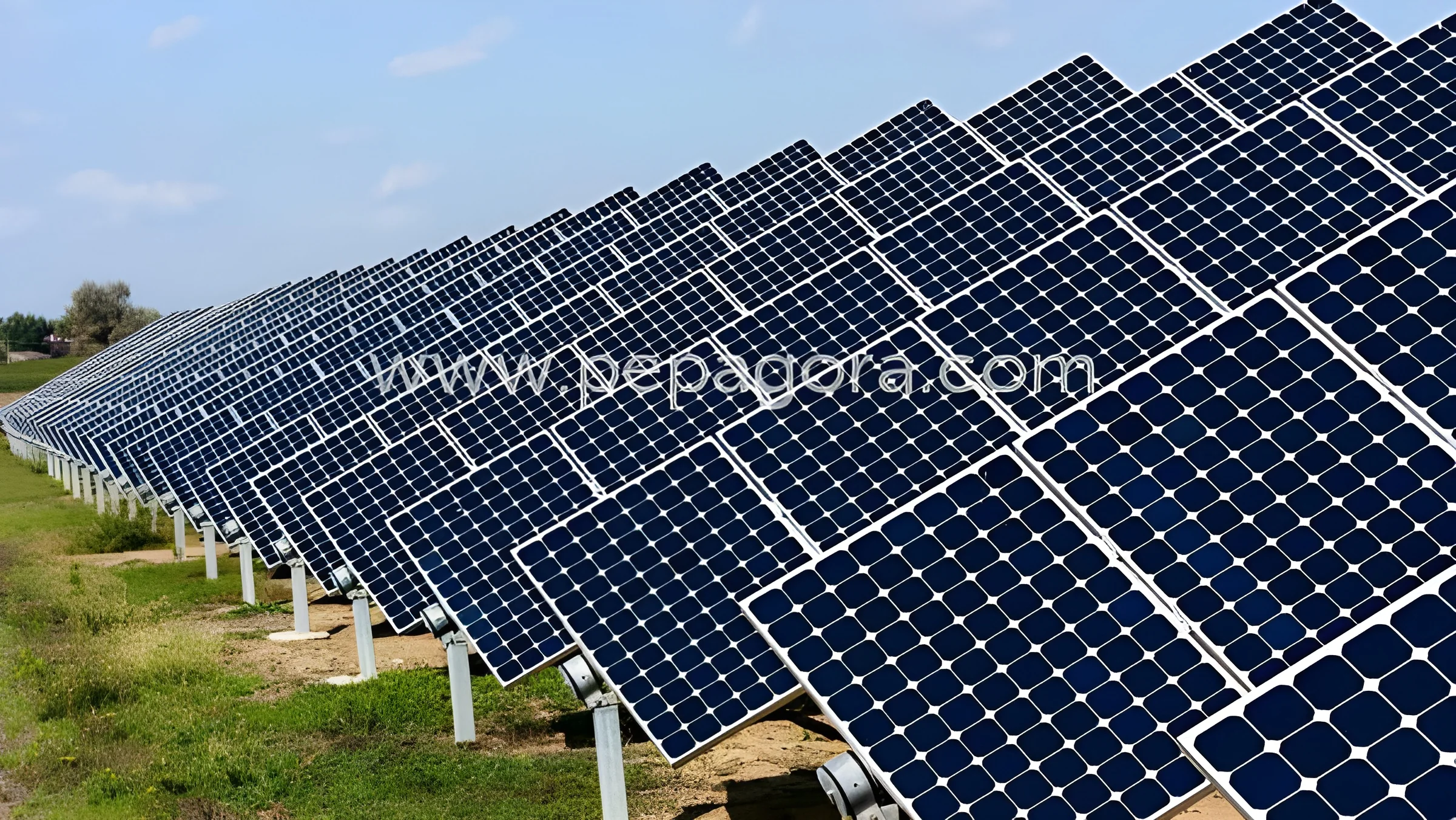
Tracking Solar Panel Installation
This variant features solar panels mounted on tracking systems that follow the sun's path. This maximizes energy capture throughout the day and is ideal for businesses with higher energy demands.
Hybrid Solar Installation
This system integrates solar panels with other renewable energy sources, such as wind or battery storage, to provide a consistent energy supply. It is particularly beneficial for businesses operating in areas with variable weather conditions.
Benefits and Advantages
Solar panel installations on industrial rooftops offer numerous benefits that can significantly impact a business's bottom line.
1. Cost Savings: Businesses can significantly reduce their energy bills by generating their electricity, leading to substantial long-term savings.
2. Environmental Impact: Utilizing solar energy helps reduce greenhouse gas emissions, allowing companies to contribute positively to environmental sustainability.
3. Energy Independence: Solar installations decrease dependence on traditional energy sources and protect against fluctuating energy prices.
4. Increased Property Value: Installing solar panels can enhance property value, making it a more attractive investment for potential buyers or lessees.
5. Tax Incentives: Many governments offer tax credits and incentives for businesses that invest in renewable energy, further reducing costs.
6. Brand Image: Companies committed to sustainability can improve their brand image and attract eco-conscious customers.
Buying Guide for B2B Buyers
When sourcing solar panel installations for industrial rooftops, businesses should consider several critical factors to make informed decisions.
1. Quality Assessment: It is essential to evaluate the quality of solar panels, inverters, and mounting systems. Look for products that comply with industry standards and have proven performance records.
2. Supplier Verification: Vet potential suppliers to ensure they have a track record of reliability and customer satisfaction. Consider their experience in the industry and ask for references.
3. Pricing and MOQ: Understand pricing structures and minimum order quantities. Competitive pricing can help achieve better financial outcomes while ensuring that quality is not compromised.
4. Delivery and Lead Times: Discuss logistics to ensure timely delivery of equipment and materials. Delays can affect project timelines and operational efficiency.
5. Compliance Requirements: Verify that installations meet local regulations and safety standards. Compliance is crucial to avoid potential legal issues and ensure safe operations.
Compliance and Certifications
Solar panel installations for industrial rooftops must adhere to various quality standards and certifications to ensure safety and performance.
ISO 9001 is a widely recognized quality management standard that ensures businesses maintain high-quality processes in the design and manufacturing of solar panels.
CE certification indicates that the products meet EU safety, health, and environmental protection standards. This certification is essential for businesses looking to operate within the European market.
Safety and testing requirements are critical in evaluating the durability and reliability of solar panel installations. Manufacturers should conduct comprehensive testing to guarantee performance under various environmental conditions.
Regional compliance considerations must also be taken into account, as different regions may have specific regulations governing renewable energy installations. Understanding these regulations helps businesses avoid potential pitfalls and ensures successful implementation.
Why Source Solar Panel Installation (Industrial Rooftop) from Pepagora?
Pepagora provides a trusted platform for sourcing solar panel installations for industrial rooftops, offering several key advantages for businesses.
Verified Supplier Network: Pepagora connects buyers with a network of verified suppliers, ensuring that customers work with reputable manufacturers known for quality and reliability. This minimizes the risk of subpar installations and enhances trust in the procurement process.
Streamlined RFQ Process: The request for quotation (RFQ) system on Pepagora simplifies the procurement process. Buyers can easily compare offers from multiple suppliers, enabling them to make informed decisions based on price, quality, and delivery timelines.
Trade Assurance and Support: Pepagora offers trade assurance measures to protect buyers during transactions. This support provides peace of mind, ensuring that businesses receive their orders as promised and can resolve any issues that may arise.
Regional Coverage: With a focus on diverse markets, Pepagora caters to businesses across India, the GCC, and Southeast Asia. This extensive geographic reach allows companies to find suitable suppliers that meet their specific regional needs, further enhancing their sourcing experience.


 India
 India
 India

 India
Frequently Asked Questions
What are Solar Panel Installation (Industrial Rooftop)?
Solar Panel Installation (Industrial Rooftop) refers to the process of setting up solar panels on the roofs of industrial buildings to harness solar energy. This installation is designed to cater to the energy needs of industrial operations while promoting sustainability.
What are the different types of Solar Panel Installation (Industrial Rooftop)?
The different types of Solar Panel Installation (Industrial Rooftop) include fixed tilt systems, adjustable tilt systems, and tracking systems. Each type varies in terms of efficiency and installation complexity, catering to various energy needs and roof designs.
How do I choose the right Solar Panel Installation (Industrial Rooftop)?
Choosing the right Solar Panel Installation (Industrial Rooftop) involves assessing your energy needs, roof space, and budget. It's also essential to consider the types of solar panels available, their efficiency ratings, and the reputation of the installation service providers.
What are the standard specifications for Solar Panel Installation (Industrial Rooftop)?
Standard specifications for Solar Panel Installation (Industrial Rooftop) typically include panel efficiency, wattage, and durability ratings. Additional specifications may cover installation requirements, inverter specifications, and compatibility with existing electrical systems.
What is the price range for Solar Panel Installation (Industrial Rooftop)?
The price range for Solar Panel Installation (Industrial Rooftop) can vary significantly based on factors such as system size, panel type, and installation complexity. Generally, costs can range from INR 50,000 to over INR 5,00,000 for large-scale installations.
What quality standards apply to Solar Panel Installation (Industrial Rooftop)?
Quality standards for Solar Panel Installation (Industrial Rooftop) include compliance with ISO certifications, IEC standards for solar panels, and local building codes. Ensuring adherence to these standards helps in achieving optimal performance and safety.
Where can I find Solar Panel Installation (Industrial Rooftop) suppliers in India?
You can find Solar Panel Installation (Industrial Rooftop) suppliers in India through B2B marketplaces, industry trade shows, and online directories. Websites like Pepagora.com offer a comprehensive list of manufacturers and suppliers in this sector.
Can Solar Panel Installation (Industrial Rooftop) be customized?
Yes, Solar Panel Installation (Industrial Rooftop) can be customized based on specific energy requirements, roof structure, and aesthetic preferences. Many suppliers offer tailored solutions to meet the unique needs of different industrial facilities.
What is the typical minimum order quantity for Solar Panel Installation (Industrial Rooftop)?
The typical minimum order quantity (MOQ) for Solar Panel Installation (Industrial Rooftop) can vary by supplier. Generally, MOQs can range from a few panels for smaller installations to larger quantities for extensive setups.
What is the typical lead time for Solar Panel Installation (Industrial Rooftop)?
The typical lead time for Solar Panel Installation (Industrial Rooftop) can range from 4 to 12 weeks, depending on several factors including the complexity of the installation, availability of materials, and weather conditions. Early planning can help in managing timelines effectively.
Why Businesses Trust Pepagora
Thousands of companies trust Pepagora to source smarter and sell faster
Expand Your Sales Globally

Source Smarter,Grow Faster
