
 IN
Security & Surveillance Installation
7 products available
What are Security & Surveillance Installation?
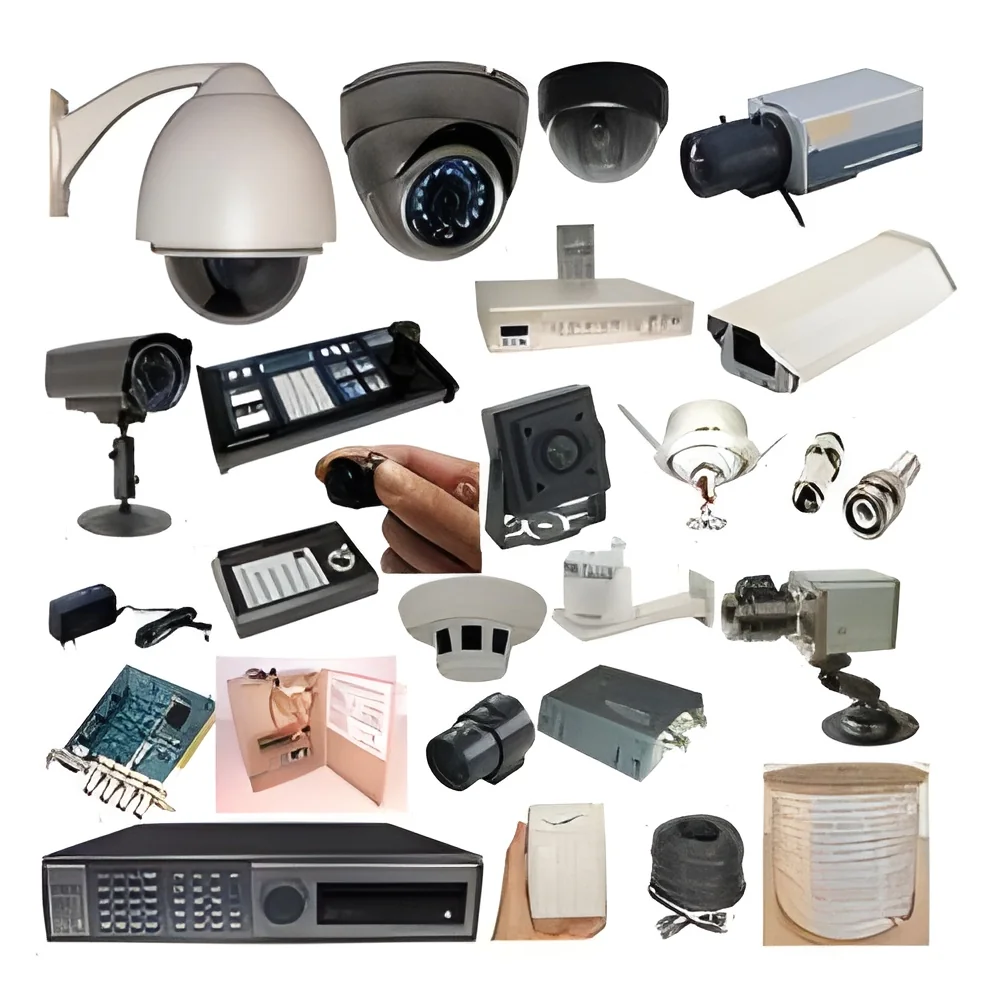
Security and surveillance installation refers to the process of setting up systems designed to monitor, detect, and record activities in various environments. This encompasses a wide range of technologies, including cameras, alarms, motion detectors, and access control systems. The primary goal of these installations is to enhance safety and security for businesses, properties, and public spaces by providing real-time monitoring and evidence collection.
The primary applications of security and surveillance installation span multiple sectors, including retail, healthcare, education, and transportation. Businesses leverage these systems to deter theft, monitor employee activity, and ensure compliance with safety regulations. With the increasing need for security in a rapidly changing world, these installations play a vital role in risk management and loss prevention strategies. The market for these systems is evolving, driven by advancements in technology and growing concerns about safety and security.
Key Features and Specifications
Security and surveillance installations come equipped with various features that enhance their effectiveness. Understanding these specifications is essential for businesses looking to invest in reliable systems.
Key specifications include:
1. Camera Resolution
- High-definition (HD) or Ultra High Definition (UHD) options available
- Typically ranges from 720p to 4K for clear image capture
2. Night Vision Capabilities
- Infrared or low-light technology for nighttime monitoring
- Range may vary from 30 to 100 feet depending on the model
3. Motion Detection
- Advanced algorithms to reduce false alarms
- Adjustable sensitivity settings for different environments
4. Remote Access
- Mobile app compatibility for real-time monitoring
- Web-based access for convenience
5. Storage Options
- Local storage on DVR/NVR or cloud-based solutions
- Varies in capacity; typically from 500GB to several terabytes
6. Weather Resistance
- IP ratings indicating suitability for outdoor use
- Common ratings include IP65 to IP67 for dust and water resistance
7. Integration Capabilities
- Compatibility with other security systems like alarms and access control
- Supports various protocols for seamless integration
8. Warranty and Support
- Standard warranty periods typically range from one to three years
- Availability of customer support for installation and troubleshooting
These specifications help buyers evaluate options and choose the right system for their unique needs.
Common Applications and Use Cases
Security and surveillance installations are versatile and applicable across numerous industries.
1. Retail: Retailers use surveillance to monitor customer activity, deter theft, and protect employees. These installations help in maintaining a secure shopping environment.
2. Healthcare: Hospitals and clinics implement security systems to safeguard patient information, monitor restricted areas, and ensure the safety of both staff and patients.
3. Education: Schools and universities utilize surveillance systems to enhance campus safety, monitor entrances and exits, and prevent unauthorized access.
4. Transportation: Airports and transit stations rely on surveillance systems to monitor passenger flow, ensure public safety, and manage security protocols.
5. Manufacturing: Factories employ security systems to protect valuable equipment and monitor employee safety compliance.
6. Warehousing: Warehouses benefit from security installations to prevent theft and ensure proper inventory management.
7. Hospitality: Hotels and resorts use surveillance systems to enhance guest safety and monitor common areas.
Product Variants and Subcategories
Security and surveillance installations come in various forms to cater to different needs.
CCTV Systems
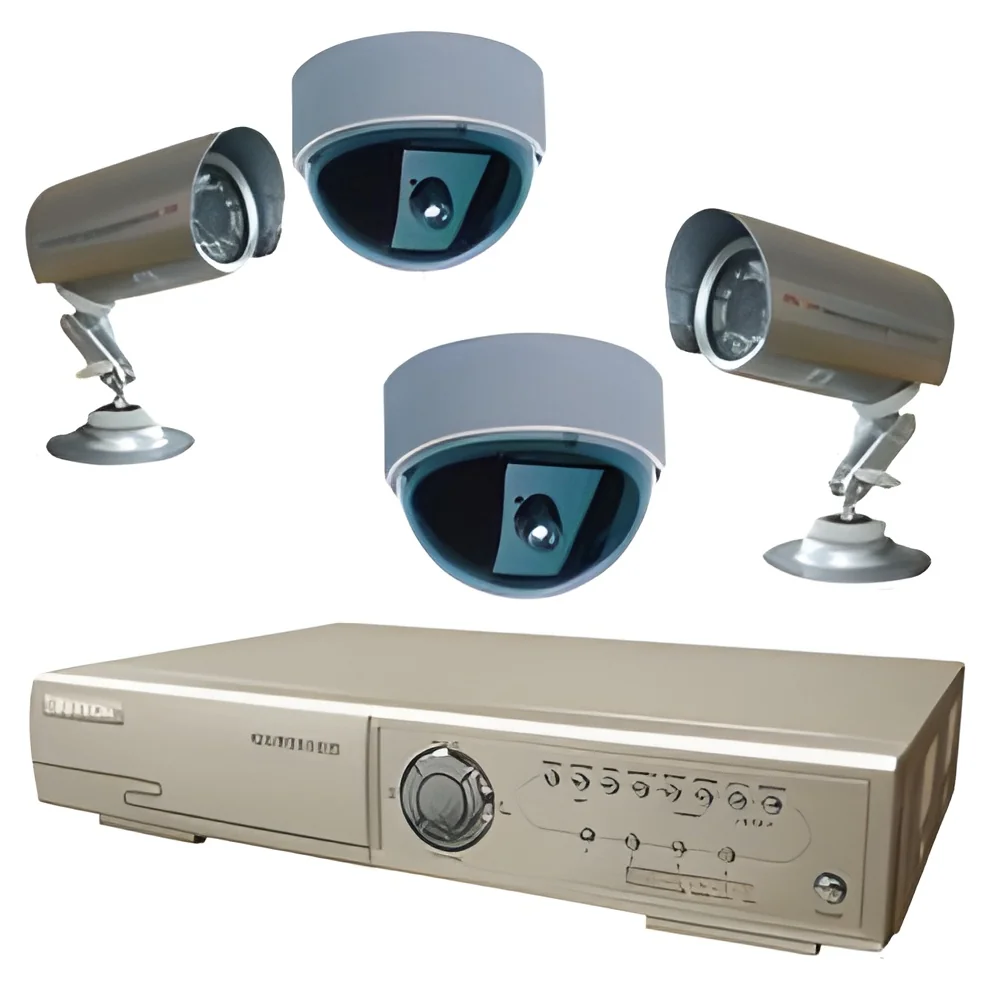
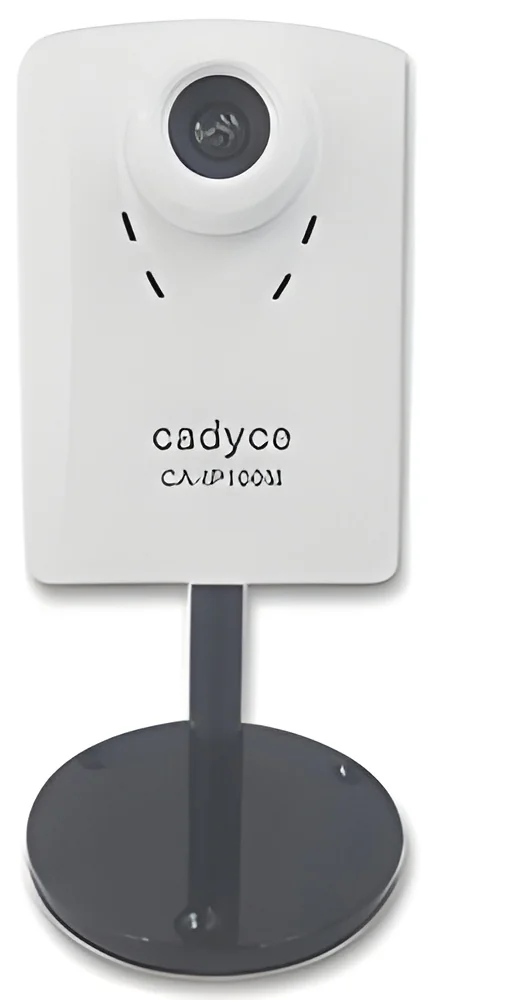
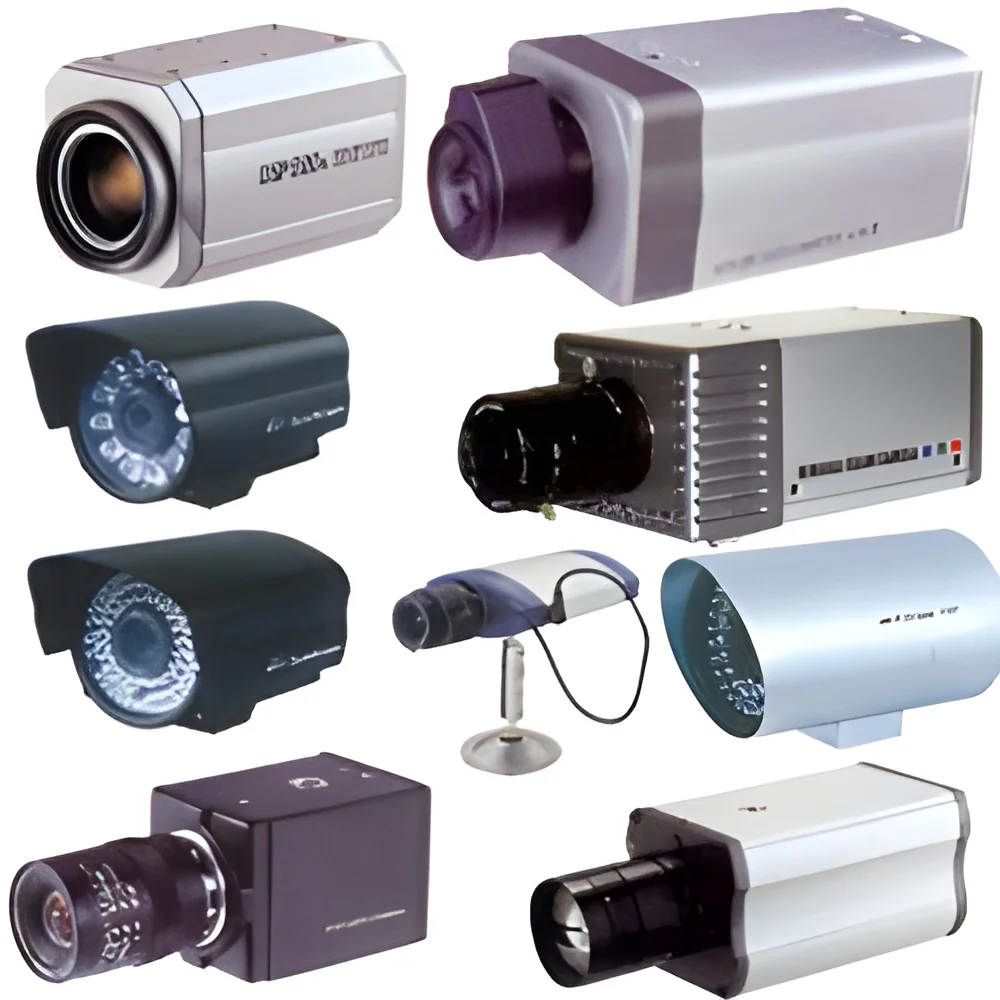
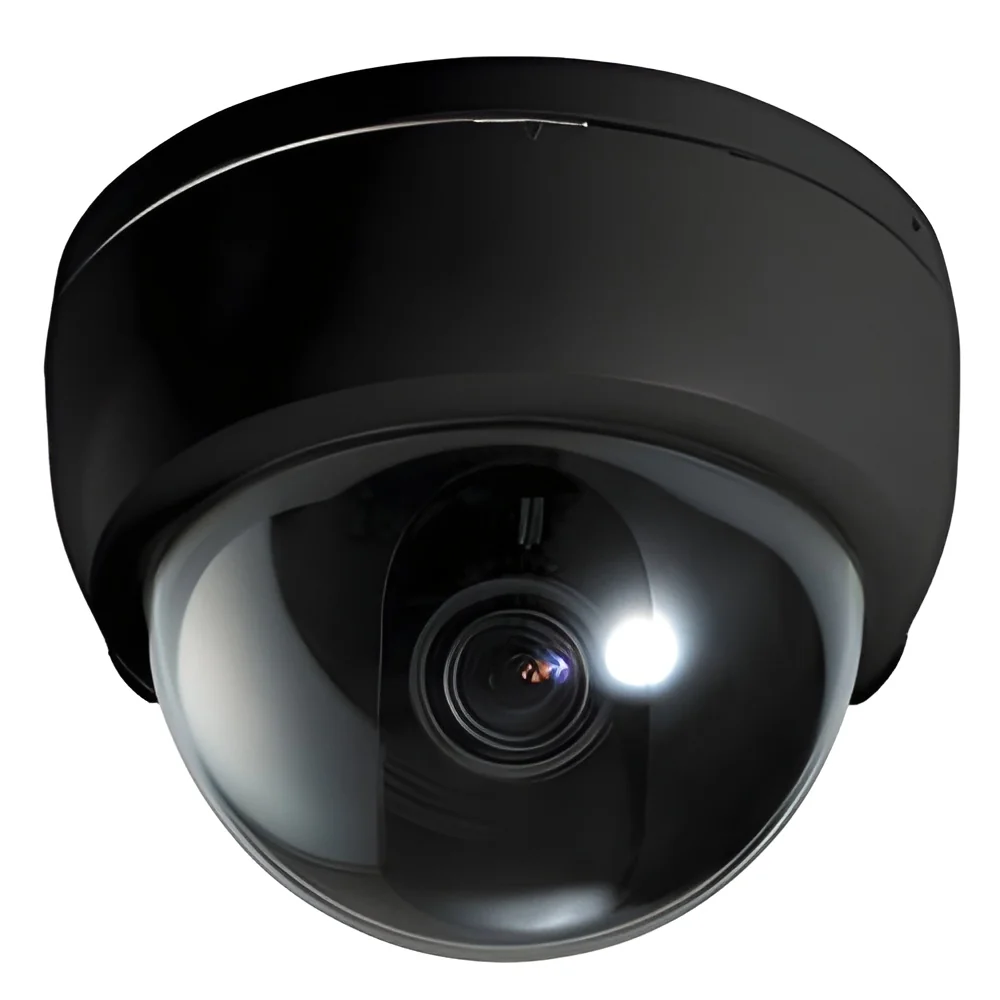
These systems include a network of cameras that transmit video footage to a monitoring station. They are ideal for continuous surveillance in large areas. Features often include remote access and night vision capabilities.
Alarm Systems
Alarm systems are designed to detect unauthorized access and alert security personnel. They can be integrated with other security measures and are essential for protecting sensitive areas.
Access Control Systems
These systems regulate who can enter specific locations within a facility. They can employ key cards, biometric scanners, or keypad entry, making them suitable for high-security environments.
Benefits and Advantages
Investing in security and surveillance installation offers numerous advantages for businesses.
1. Enhanced Safety: These systems help protect employees, customers, and assets by deterring criminal activity and providing real-time monitoring.
2. Evidence Collection: In the event of an incident, recorded footage can serve as crucial evidence for investigations, insurance claims, and legal proceedings.
3. Improved Operational Efficiency: Monitoring systems can help identify inefficiencies in operations and employee performance, allowing businesses to make informed adjustments.
4. Compliance Assurance: Many industries require specific safety and security measures. Implementing these systems helps ensure compliance with regulations and standards.
5. Cost Savings: By deterring theft and reducing losses, security installations can lead to significant long-term savings for businesses.
6. Peace of Mind: Knowing that a surveillance system is in place allows business owners to focus on their core operations, reducing stress related to security concerns.
Buying Guide for B2B Buyers
When sourcing security and surveillance installation, B2B buyers should consider several factors to ensure they make informed decisions.
1. Quality Assessment: Buyers should look for products that meet established quality standards. This includes evaluating materials, performance, and the reputation of the manufacturer.
2. Supplier Verification: Conducting thorough due diligence on suppliers is crucial. Buyers should verify certifications, references, and previous project successes to ensure reliability.
3. Pricing and MOQ: Understanding the price range and minimum order quantities (MOQ) is essential. Buyers should balance cost with quality to find the best value for their investment.
4. Delivery and Lead Times: Buyers should inquire about the logistics of delivery, including lead times for installation and any potential delays.
5. Compliance Requirements: It is important to ensure that the products meet local and regional compliance standards. Buyers should familiarize themselves with regulations that apply to their industry.
Compliance and Certifications
Security and surveillance installations must adhere to various quality standards to ensure reliability and safety.
Relevant quality standards include ISO 9001, which focuses on quality management systems, ensuring that manufacturers maintain high production and service quality. The HACCP standard is important in food-related industries, emphasizing safety protocols. Additionally, good distribution practices (GDP) are essential for products that require specific handling and storage conditions.
Industry certifications such as CE indicate that products meet European safety, health, and environmental protection standards. This certification can enhance the credibility of products and reassure buyers of their reliability.
Safety and testing requirements vary by region and product type. Buyers should ensure that the systems they choose undergo rigorous testing to confirm their effectiveness and compliance.
Why Source Security & Surveillance Installation from Pepagora?
Pepagora offers a trusted platform for sourcing security and surveillance installations, providing numerous advantages for B2B buyers.
Verified Supplier Network: Pepagora ensures that all suppliers undergo a rigorous verification process. This gives buyers confidence in the quality and reliability of the products they are purchasing.
Streamlined RFQ Process: The platform simplifies the request for quotation (RFQ) process. Buyers can easily compare quotes from verified suppliers, helping them make informed decisions quickly.
Trade Assurance and Support: Pepagora provides trade assurance, protecting buyers from fraudulent activities. The platform also offers support for any issues that may arise during the purchasing process.
Regional Coverage: With a strong presence in India, the Gulf Cooperation Council (GCC), and Southeast Asia, Pepagora offers extensive regional coverage. This allows buyers to access a wide range of suppliers and products tailored to their specific needs.

Frequently Asked Questions
What are Security & Surveillance Installation?
Security & Surveillance Installation refers to the setup and implementation of systems designed to monitor and protect premises from unauthorized access or threats. This includes the installation of cameras, alarms, and access control systems to ensure the safety and security of properties.
What are the different types of Security & Surveillance Installation?
The different types of Security & Surveillance Installation include CCTV systems, alarm systems, access control systems, motion detectors, and integrated security solutions. Each type serves specific functions and can be tailored to meet various security needs.
How do I choose the right Security & Surveillance Installation?
To choose the right Security & Surveillance Installation, assess your security requirements, the size of the area to be monitored, and the specific features you need. It's also important to consider the reputation of the supplier and the technology they offer.
What are the standard specifications for Security & Surveillance Installation?
Standard specifications for Security & Surveillance Installation typically include resolution of cameras, frame rates, storage capacity, and connectivity options. Additionally, specifications may also cover the types of sensors used and the scalability of the system.
What is the price range for Security & Surveillance Installation?
The price range for Security & Surveillance Installation can vary significantly based on the complexity of the system and the components included. Basic installations may start from a few thousand rupees, while advanced systems can go up to several lakhs.
What quality standards apply to Security & Surveillance Installation?
Quality standards for Security & Surveillance Installation often include compliance with safety regulations, certification from recognized organizations, and adherence to industry best practices. Additionally, products may be tested for durability and performance.
Where can I find Security & Surveillance Installation suppliers in India?
You can find Security & Surveillance Installation suppliers in India through various B2B marketplaces, trade shows, and industry directories. Online platforms like Pepagora also provide a list of manufacturers and suppliers in this category.
Can Security & Surveillance Installation be customized?
Yes, Security & Surveillance Installation can be customized to meet the specific needs of a business or individual. Customization options may include tailored system designs, special features, and integration with existing security measures.
What is the typical minimum order quantity for Security & Surveillance Installation?
The typical minimum order quantity (MOQ) for Security & Surveillance Installation can vary based on the supplier and the type of equipment. Generally, MOQs can range from a single unit for basic systems to larger quantities for advanced installations.
What is the typical lead time for Security & Surveillance Installation?
The typical lead time for Security & Surveillance Installation can range from a few days to several weeks, depending on the complexity of the system and the availability of components. It's advisable to discuss timelines with suppliers before placing an order.
Why Businesses Trust Pepagora
Thousands of companies trust Pepagora to source smarter and sell faster
Expand Your Sales Globally

Source Smarter,Grow Faster
