What are PA Systems & Industrial Alarms?
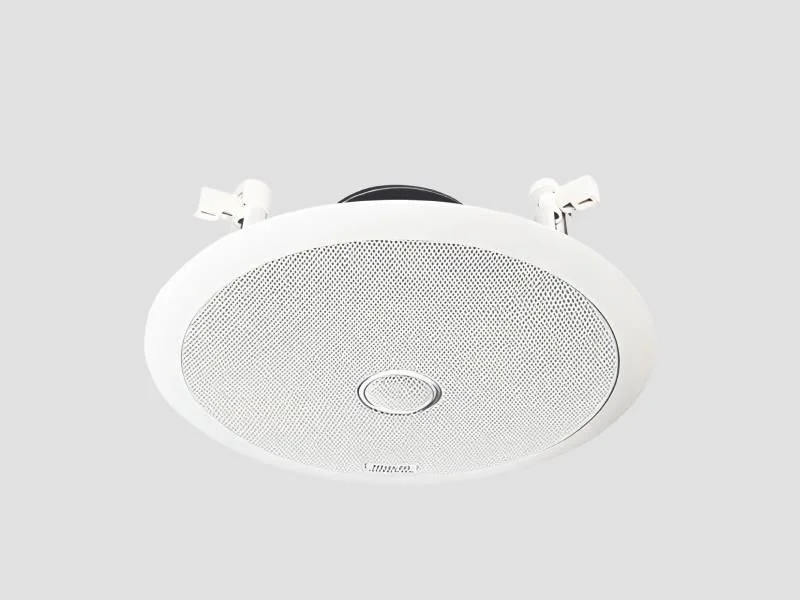
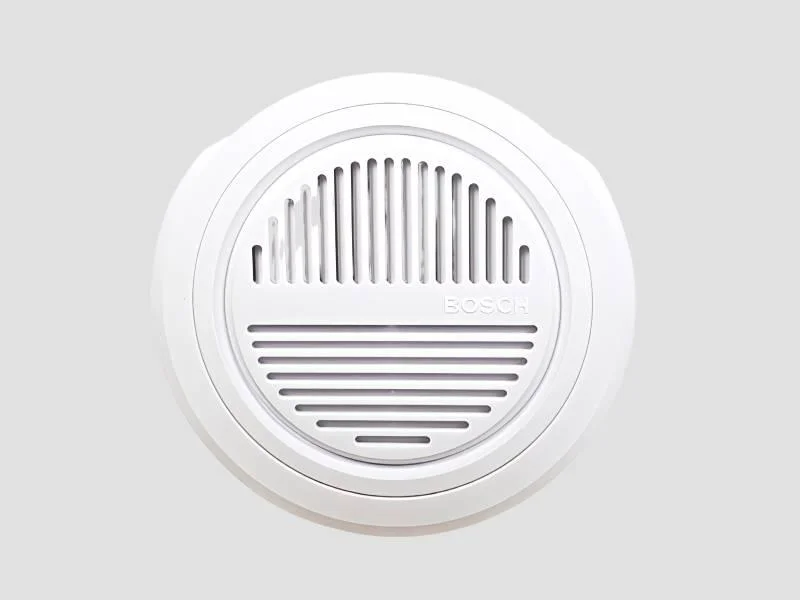
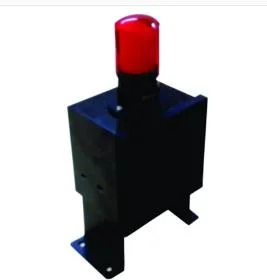
PA Systems, or Public Address Systems, are electronic amplification systems designed to enhance sound in large spaces, ensuring clear communication. They are typically composed of microphones, amplifiers, loudspeakers, and various controls to manage sound output. Industrial alarms are integrated systems that alert personnel to emergencies or hazardous conditions. These systems often utilize audible alarms, visual signals, and even automated notifications to ensure safety in the workplace.
The primary uses of PA Systems and Industrial Alarms span various industries, including manufacturing, education, healthcare, and public venues. In manufacturing, they are used for emergency alerts and routine announcements. In educational settings, PA systems facilitate communication during events and emergencies. Healthcare facilities rely on these systems for announcements and alerts to maintain safety and coordination. Their relevance in today’s market is significant, as industries prioritize safety and effective communication strategies.
The growing focus on workplace safety and effective communication has driven demand for reliable PA Systems and Industrial Alarms. As businesses expand and regulatory requirements tighten, the need for efficient alert systems becomes increasingly critical. This highlights the importance of investing in high-quality PA Systems and Industrial Alarms to meet industry standards and enhance operational efficiency.
Key Features and Specifications
PA Systems and Industrial Alarms come equipped with several features that cater to diverse operational needs. Understanding these specifications helps buyers choose the right system for their requirements.
Key specifications include:
1. Sound Coverage
- This specification refers to the area that the system can effectively cover with sound.
- Typical parameters range from 100 to 5000 square feet, depending on the system design.
2. Power Output
- Power output determines how loud the system can project sound.
- This is usually measured in watts, with common outputs ranging from 10 to 1000 watts.
3. Number of Zones
- Many systems allow for multi-zone operation, enabling targeted announcements in specific areas.
- Systems can typically support between 2 to 8 zones.
4. Connectivity Options
- Connectivity features include wired and wireless capabilities for integration with existing systems.
- Common options include Bluetooth, Wi-Fi, and Ethernet.
5. Alarm Volume Levels
- Adjustable volume levels are crucial for emergency alarms to ensure audibility in all conditions.
- Systems usually provide a range of 70 to 120 decibels.
6. Durability
- Products are often designed to withstand environmental factors, making them suitable for industrial settings.
- Materials used may include weather-resistant casings and shockproof designs.
7. User Interface
- A user-friendly interface is essential for quick operation, especially during emergencies.
- Touchscreen controls and remote operation are common features.
8. Integration Capabilities
- Many systems can integrate with existing fire alarms and security systems for enhanced functionality.
- Compatibility with various control protocols is an advantage.
In summary, understanding these key features and specifications is crucial for making informed purchasing decisions in PA Systems and Industrial Alarms. Buyers should evaluate their specific needs against these parameters to ensure optimal performance.
Common Applications and Use Cases
PA Systems and Industrial Alarms play a vital role across various industries, enhancing communication and safety.
1. Manufacturing: In manufacturing facilities, PA systems are used for emergency alerts and routine announcements, ensuring workers are informed of essential updates and safety protocols.
2. Education: Schools and universities utilize PA systems for announcements during assemblies and emergencies, enhancing communication among staff and students.
3. Healthcare: Hospitals and clinics rely on PA systems to communicate critical information quickly, whether for emergency responses or routine updates on patient care.
4. Retail: Retail environments use PA systems for promotions and emergency alerts, helping to guide customers and staff effectively during busy periods.
5. Transportation: Airports and train stations implement PA systems to provide timely announcements regarding arrivals, departures, and safety information, ensuring passenger awareness.
6. Construction: Construction sites utilize alarms to signal hazards and safety procedures, protecting workers from potential dangers.
7. Public Venues: Concert halls and auditoriums employ PA systems for public addresses and event management, enhancing the overall experience for attendees.
Product Variants and Subcategories
The diversity of PA Systems and Industrial Alarms allows businesses to select options tailored to their specific needs.
Portable PA Systems: These systems are lightweight and easily transportable, making them ideal for events and temporary installations. They often include built-in batteries for added convenience.
Fixed PA Systems: Designed for permanent installation, these systems are suitable for large venues like stadiums and auditoriums. They provide robust sound quality and extensive coverage.
Wireless PA Systems: These systems eliminate the need for extensive wiring, offering flexibility in setup and operation. They are particularly useful in dynamic environments where configurations may change frequently.
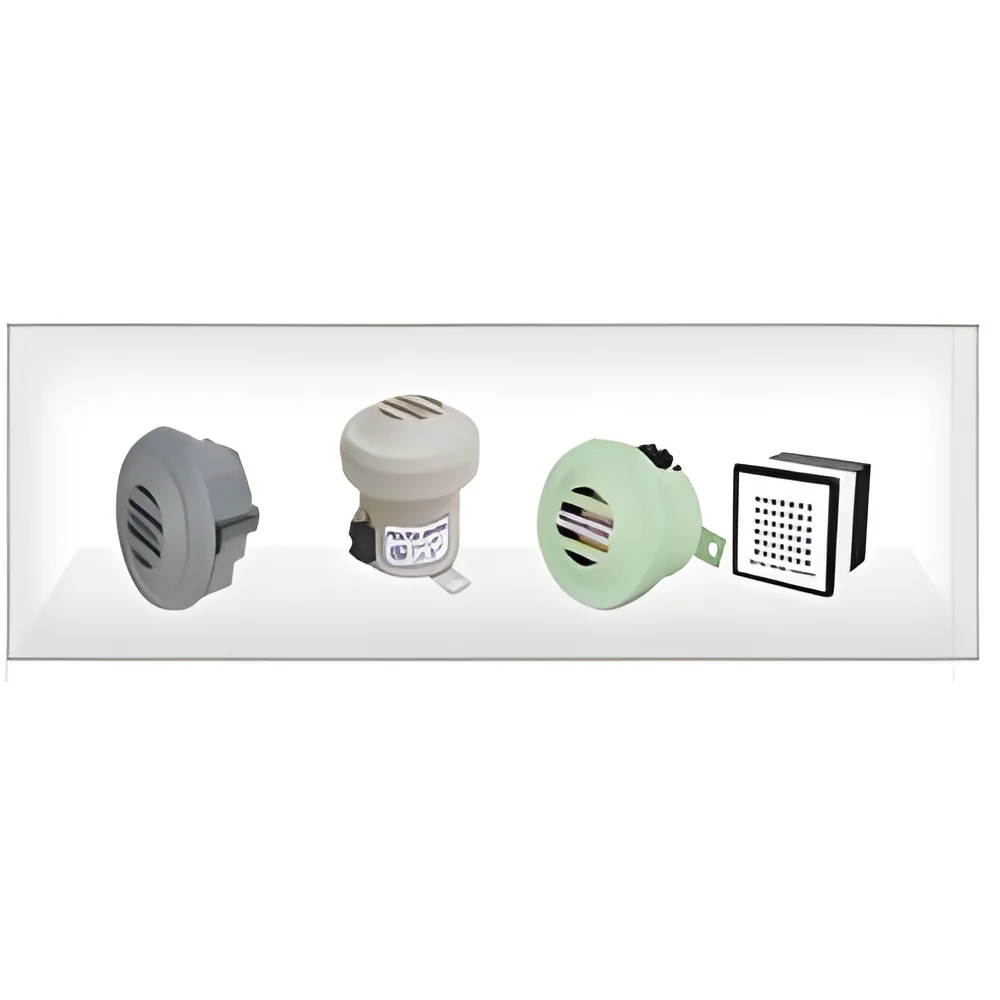
Alarm Systems: Focusing specifically on emergency alerts, these systems are equipped with various alarms and notification mechanisms tailored for safety compliance in industrial settings.
Benefits and Advantages
Investing in PA Systems and Industrial Alarms offers numerous benefits that enhance operational efficiency and safety.
1. Enhanced Communication: These systems ensure clear and effective communication in large spaces, reducing the likelihood of misunderstandings during critical moments.
2. Improved Safety: Industrial alarms provide immediate alerts for emergencies, helping to protect employees and assets by facilitating quick responses.
3. Increased Productivity: Clear announcements can streamline operations, reducing downtime and keeping employees informed about important updates and changes.
4. Customization Options: Many PA systems can be tailored to fit specific business requirements, allowing for unique configurations and functionalities.
5. Cost-Effectiveness: Investing in reliable PA systems can reduce the need for multiple communication tools, saving costs in the long term.
6. Compliance Support: Many systems are designed to meet industry safety standards, aiding organizations in maintaining compliance with regulations.
Buying Guide for B2B Buyers
When sourcing PA Systems and Industrial Alarms, it is essential to consider several factors to make an informed decision.
1. Quality Assessment: Evaluate the build quality of the system, including materials and durability. Look for products that adhere to recognized quality standards for reliability.
2. Supplier Verification: Conduct thorough research to verify suppliers, checking their reputation and customer reviews to ensure you are partnering with a trustworthy vendor.
3. Pricing and MOQ: Consider the pricing structures and minimum order quantities (MOQ) offered by suppliers. This helps to align your budget with your purchasing needs.
4. Delivery and Lead Times: Understand the logistics involved in delivery, including lead times and shipping options. Reliable suppliers should provide clear timelines for order fulfillment.
5. Compliance Requirements: Ensure that the systems meet relevant safety and regulatory standards to avoid any compliance issues in your operations.
Compliance and Certifications
Compliance and certifications are critical aspects of PA Systems and Industrial Alarms. Many products are designed to meet international quality standards, such as ISO 9001. This ensures that manufacturers adhere to quality management principles, promoting consistency and customer satisfaction.
Additionally, industry certifications like CE mark compliance indicate that a product meets European health, safety, and environmental protection standards. These certifications are essential for businesses operating in regulated environments.
Safety and testing requirements vary by industry, but generally include assessments for electrical safety, sound output levels, and overall performance. It is crucial to verify that any PA System or Industrial Alarm meets the necessary safety regulations relevant to your region.
Regional compliance considerations may include specific guidelines outlined by local authorities or industry bodies. Ensuring adherence to these standards is vital for both safety and operational efficiency.
Why Source PA Systems & Industrial Alarms from Pepagora?
Pepagora provides a trusted platform for sourcing PA Systems and Industrial Alarms, offering several key advantages that benefit B2B buyers.
Verified Supplier Network: Pepagora has a rigorous supplier verification process to ensure that buyers connect with reputable manufacturers. This helps to mitigate risks and provides confidence in product quality.
Streamlined RFQ Process: The platform simplifies the request for quotation (RFQ) process, allowing buyers to easily compare offers from multiple suppliers. This efficiency helps businesses make quicker purchasing decisions.
Trade Assurance and Support: Pepagora offers trade assurance to protect buyers against potential issues, ensuring a safer purchasing experience. Additionally, dedicated support teams are available to assist throughout the buying process.
Regional Coverage: With a broad geographic reach across India, the GCC, and Southeast Asia, Pepagora connects buyers with suppliers that can meet their specific needs, enhancing accessibility and convenience.
By choosing Pepagora, businesses can ensure they are sourcing high-quality PA Systems and Industrial Alarms while benefiting from a comprehensive and supportive purchasing platform.

 IN
IN