
 IN
Surveillance & CCTV System Installation
8 products available
What are Surveillance & CCTV System Installation?
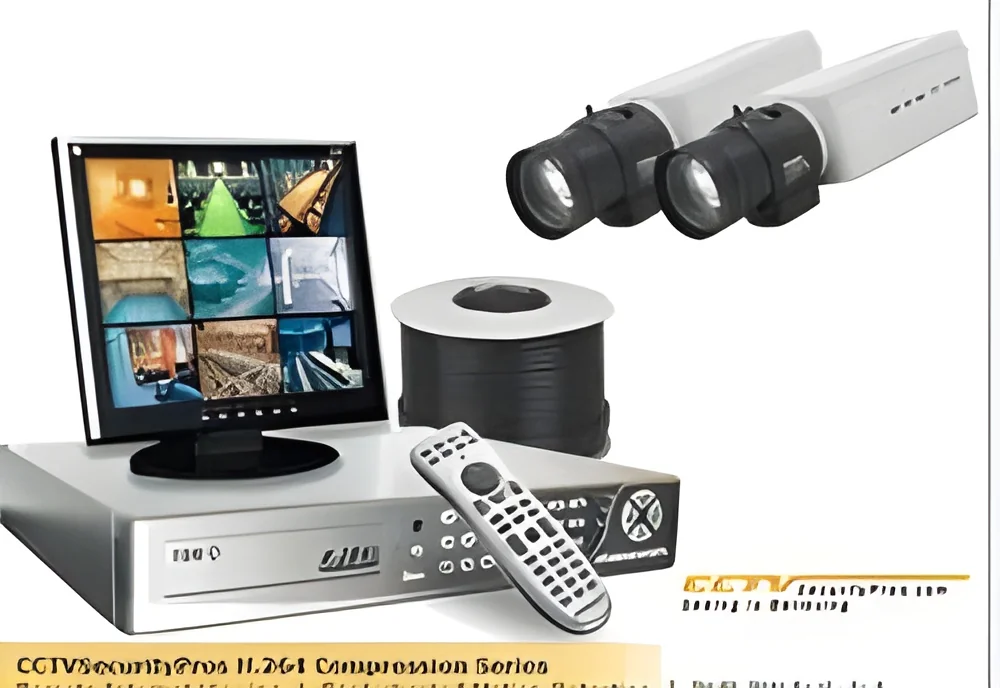
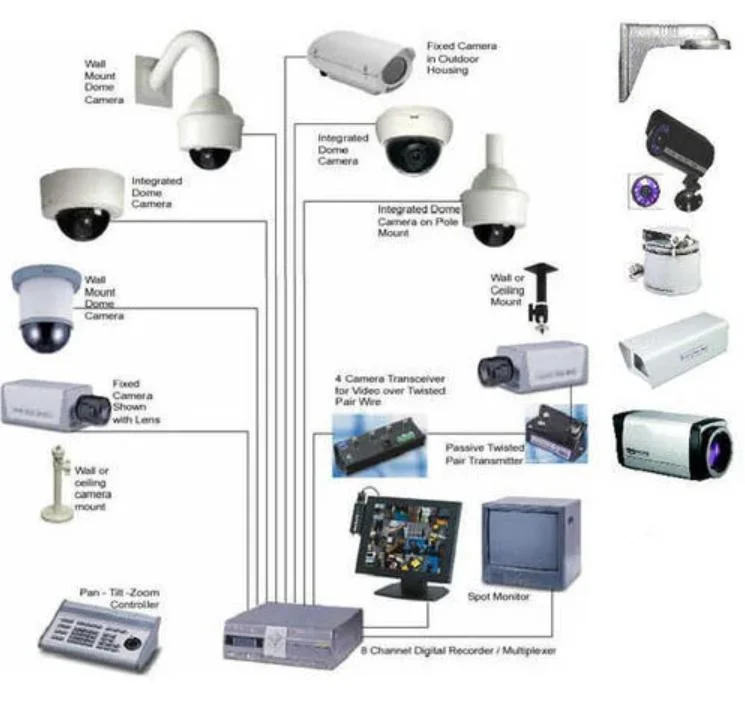
Surveillance and CCTV system installation refers to the process of setting up a network of cameras and monitoring equipment designed to capture and record video footage for security and surveillance purposes. These systems can vary in complexity from a few cameras in a small office to extensive networks covering large commercial spaces or public areas. Installation involves both hardware and software components that work together to ensure effective monitoring.
These systems are primarily used for security, theft prevention, and monitoring of activities in various environments such as businesses, schools, and public spaces. They serve as a deterrent against crime and provide valuable evidence in the event of incidents. Businesses can utilize these systems to monitor employee activities, improve safety, and ensure compliance with regulations. With the rising need for security solutions, the market for surveillance and CCTV systems continues to grow, driven by technological advancements and increasing security concerns.
Key Features and Specifications
Surveillance and CCTV systems come equipped with a variety of features and specifications that cater to diverse security needs. Understanding these specifications is crucial for businesses looking to implement effective surveillance solutions.
Key specifications include:
1. Camera Resolution
- High-definition video quality for clear image capture
- Common resolutions include 1080p, 4MP, and 4K
2. Field of View
- The extent of the area that the camera can cover
- Ranges from narrow to wide, typically between 60 to 180 degrees
3. Night Vision Capability
- Ability to capture clear images in low-light conditions
- Infrared technology is commonly used for enhanced visibility
4. Remote Access
- Allows users to monitor camera feeds via mobile devices or computers
- Supports real-time viewing and control from anywhere
5. Storage Options
- Various methods for storing recorded footage, such as cloud storage or local hard drives
- Important for determining how long footage can be retained
6. Motion Detection
- Features that trigger recording when motion is detected
- Reduces unnecessary storage use and enhances security monitoring
7. Weather Resistance
- Essential for outdoor cameras to withstand environmental conditions
- Ratings such as IP66 indicate protection against dust and water
8. Integration Capabilities
- Ability to work with other security systems, such as alarms and access control
- Enhances overall security measures and response times
In summary, knowing the key features and specifications helps businesses select the right surveillance and CCTV systems tailored to their specific needs.
Common Applications and Use Cases
Surveillance and CCTV system installations find applications across various industries, addressing specific security concerns unique to each sector.
1. Retail: Retail stores use CCTV systems to deter theft and monitor customer behavior. These systems can help identify shoplifters and improve the overall shopping experience.
2. Education: Schools and universities implement surveillance systems to ensure safety on campuses. They monitor entrances, hallways, and common areas to protect students and staff.
3. Healthcare: Hospitals and clinics utilize CCTV to oversee patient areas, ensuring safety and compliance with health regulations. These systems help prevent unauthorized access and monitor sensitive areas.
4. Transportation: Airports, train stations, and bus terminals rely on surveillance systems for crowd management and security. They help identify suspicious activities and ensure public safety.
5. Manufacturing: Factories employ CCTV to monitor production lines and improve workplace safety. These systems can detect accidents and ensure compliance with safety protocols.
6. Banking: Financial institutions use surveillance systems to protect against theft and fraud. Monitoring ATMs and bank branches helps in identifying criminal activities.
7. Hospitality: Hotels implement CCTV systems to enhance guest security and monitor common areas. This helps in providing a safe environment for customers.
Product Variants and Subcategories
Surveillance and CCTV systems come in various formats to meet diverse security needs. Each variant offers unique features and applications.
Analog CCTV Systems
These systems transmit video over coaxial cables and are typically more cost-effective than digital systems. They are suitable for smaller installations where high-definition video is not a priority.
IP Surveillance Systems
IP cameras transmit digital video over an internet network. They provide higher resolution and advanced features like remote monitoring and integration with other systems. Ideal for larger installations requiring scalability.
Wireless Surveillance Systems
These systems use wireless technology for video transmission, reducing the need for extensive cabling. They are easy to install and are suitable for locations where cabling is impractical.
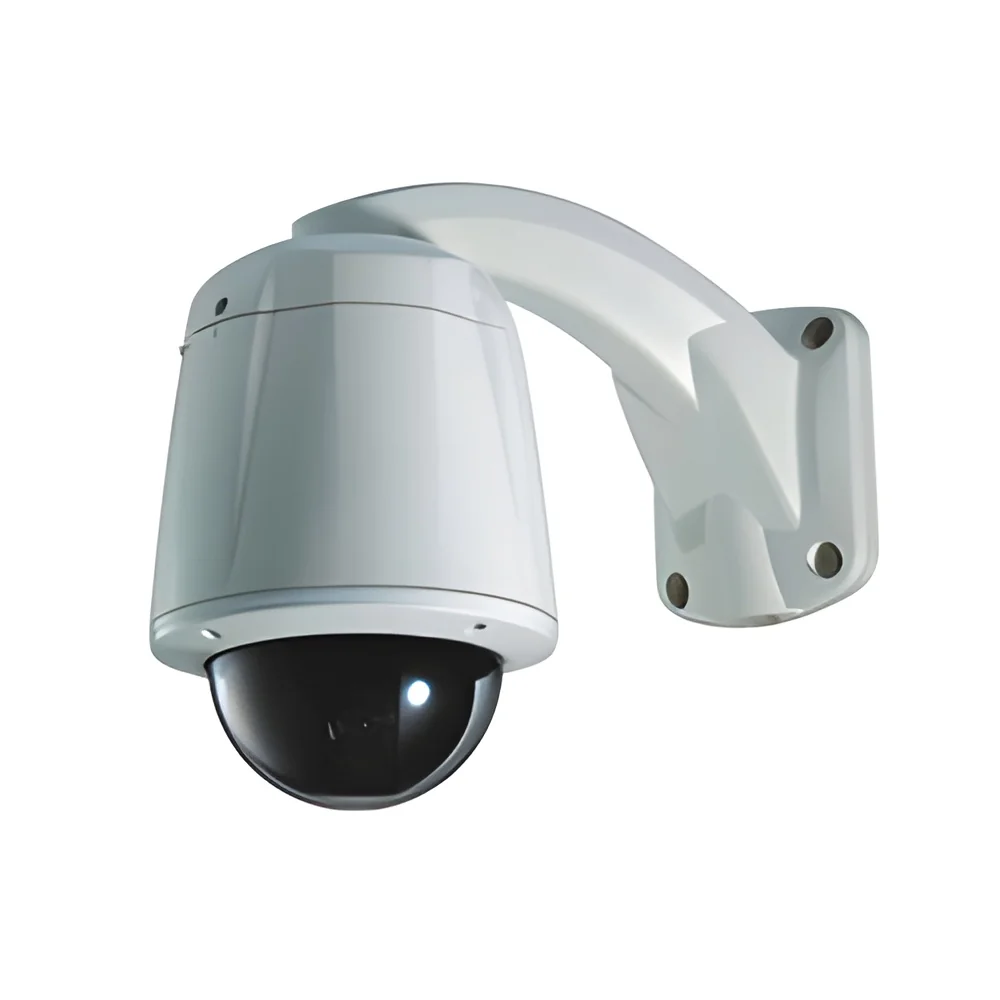
PTZ Cameras
Pan-Tilt-Zoom cameras can be remotely adjusted to cover different areas. They are perfect for monitoring large spaces as they combine flexibility with high-quality surveillance.
Benefits and Advantages
Implementing Surveillance and CCTV systems provides various advantages that enhance security and operational efficiency.
1. Increased Security: These systems act as a deterrent to criminal activities, helping to prevent theft and vandalism.
2. Remote Monitoring: Businesses can monitor their premises in real time from anywhere, allowing for quick responses to incidents.
3. Evidence Collection: Recorded footage serves as valuable evidence in the event of disputes or investigations, aiding law enforcement and legal processes.
4. Enhanced Employee Safety: Surveillance systems contribute to a safer working environment by monitoring potentially hazardous areas.
5. Improved Operational Efficiency: Monitoring employee activities can help identify inefficiencies and improve overall productivity.
6. Compliance Assurance: CCTV systems help businesses comply with safety regulations and standards, reducing legal risks.
Buying Guide for B2B Buyers
When sourcing Surveillance and CCTV system installation, several key factors should be considered to ensure a successful deployment.
1. Quality Assessment: Evaluate the quality of cameras and equipment based on specifications such as resolution, durability, and manufacturer reputation. High-quality systems provide better performance and longevity.
2. Supplier Verification: Vet suppliers by checking their industry experience and customer reviews. Reliable suppliers should have a proven track record in providing quality surveillance solutions.
3. Pricing and MOQ: Understand pricing structures and minimum order quantities. Comparing pricing from multiple suppliers helps in making informed budget decisions.
4. Delivery and Lead Times: Inquire about lead times for equipment delivery. Timely installation is crucial for immediate security needs.
5. Compliance Requirements: Ensure that the products meet relevant regulatory standards and safety certifications. Compliance with local regulations is essential for legal operation.
Compliance and Certifications
Compliance with industry standards and certifications is essential for the credibility and safety of Surveillance and CCTV systems.
Common quality standards include ISO 9001, which ensures effective quality management systems are in place. Adhering to this standard helps manufacturers maintain consistency in their production processes.
The CE mark indicates compliance with European health, safety, and environmental protection standards. This certification is important for products sold within the European market, ensuring that they meet rigorous quality benchmarks.
Safety and testing requirements vary by region and application. Manufacturers must conduct thorough testing to confirm that their systems are safe for use in various environments.
Regionally, compliance considerations can differ significantly. It is crucial to be aware of local regulations regarding surveillance and privacy laws to ensure that installations are compliant and do not infringe on individual rights.
Why Source Surveillance & CCTV System Installation from Pepagora?
Pepagora provides a trusted platform for sourcing Surveillance and CCTV system installations, offering numerous advantages for buyers.
Verified Supplier Network: Pepagora connects businesses with verified suppliers, ensuring that buyers receive quality products from reputable manufacturers. This network is essential for maintaining high standards in security solutions.
Streamlined RFQ Process: The request for quotation (RFQ) process on Pepagora is designed to be efficient and user-friendly. Buyers can easily compare quotes from multiple suppliers, facilitating better decision-making.
Trade Assurance and Support: Pepagora offers trade assurance to protect buyers from potential issues during transactions. This support provides peace of mind when investing in security solutions.
Regional Coverage: With a presence in India, the GCC, and Southeast Asia, Pepagora caters to a broad geographic area. This regional coverage ensures that businesses across different markets can access reliable surveillance solutions tailored to their needs.


Frequently Asked Questions
What are Surveillance & CCTV System Installation?
Surveillance & CCTV System Installation refers to the process of setting up closed-circuit television (CCTV) systems for monitoring and security purposes. These installations typically involve the placement of cameras, recording equipment, and monitoring systems to ensure comprehensive surveillance of a specific area.
What are the different types of Surveillance & CCTV System Installation?
There are several types of Surveillance & CCTV System Installations, including analog CCTV systems, digital IP-based systems, and wireless surveillance systems. Each type offers varying features and capabilities, catering to different security needs and environments.
How do I choose the right Surveillance & CCTV System Installation?
Choosing the right Surveillance & CCTV System Installation involves assessing your specific security needs, budget, and the area to be monitored. It is important to consider factors such as camera resolution, recording capabilities, and whether a wired or wireless system is preferable.
What are the standard specifications for Surveillance & CCTV System Installation?
Standard specifications for Surveillance & CCTV System Installation typically include resolution (e.g., 1080p or 4K), field of view, night vision capabilities, and storage capacity. Additionally, network connectivity options and compatibility with mobile monitoring apps are also important considerations.
What is the price range for Surveillance & CCTV System Installation?
The price range for Surveillance & CCTV System Installation can vary widely depending on the type of system, the number of cameras, and additional features. Generally, costs can start from a few thousand rupees for basic systems and can go up to several lakhs for advanced setups.
What quality standards apply to Surveillance & CCTV System Installation?
Quality standards for Surveillance & CCTV System Installation often include compliance with international certifications such as ISO and relevant safety regulations. Additionally, products should meet performance benchmarks such as durability, image quality, and reliability.
Where can I find Surveillance & CCTV System Installation suppliers in India?
You can find Surveillance & CCTV System Installation suppliers in India through online B2B marketplaces like Pepagora, industry trade shows, and local directories. It is advisable to check supplier reviews and product certifications before making a purchase.
Can Surveillance & CCTV System Installation be customized?
Yes, Surveillance & CCTV System Installation can often be customized based on specific requirements such as camera placement, system features, and integration with existing security systems. Many manufacturers offer tailored solutions to meet unique security needs.
What is the typical minimum order quantity for Surveillance & CCTV System Installation?
The typical minimum order quantity (MOQ) for Surveillance & CCTV System Installation can vary by supplier, but it is commonly set at a range of 1 to 10 units. Bulk orders may also be accommodated with discounts depending on the supplier.
What is the typical lead time for Surveillance & CCTV System Installation?
The typical lead time for Surveillance & CCTV System Installation can range from a few days to several weeks, depending on the supplier's inventory and the complexity of the installation. It is advisable to discuss lead times with the supplier before placing an order.
Why Businesses Trust Pepagora
Thousands of companies trust Pepagora to source smarter and sell faster
Expand Your Sales Globally

Source Smarter,Grow Faster
