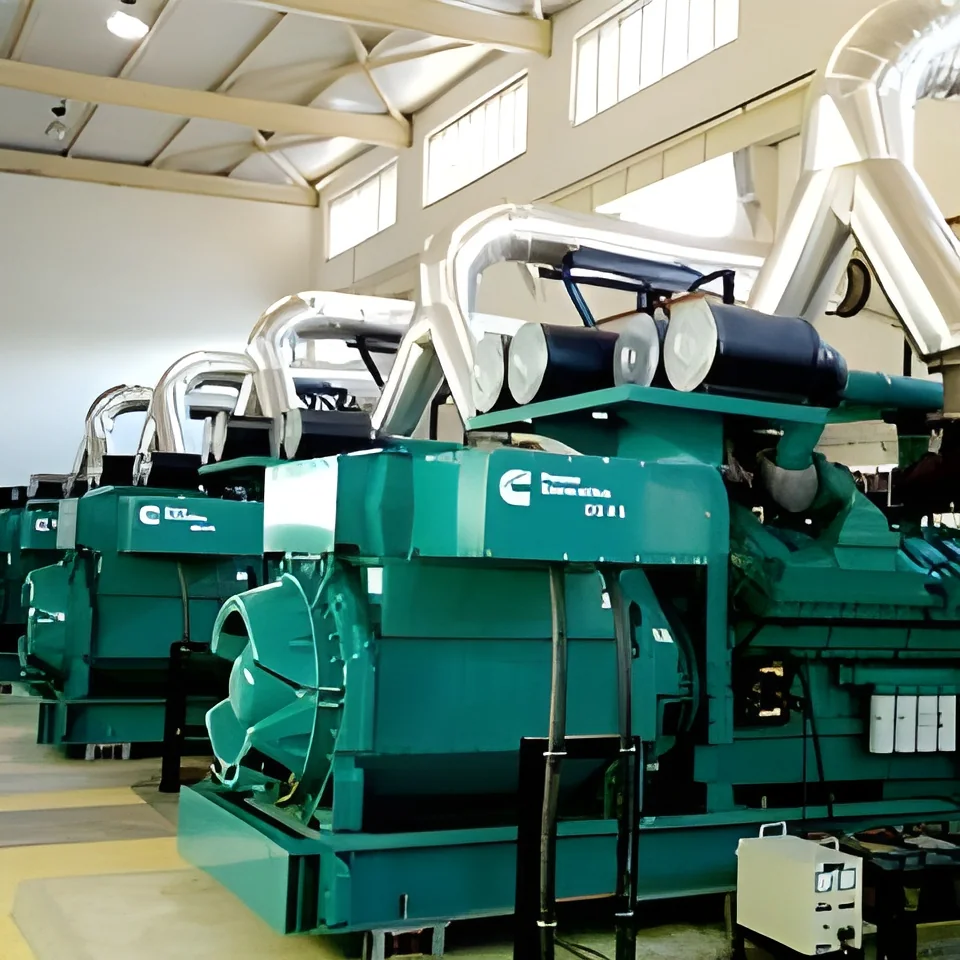
What are Generator Installation & Synchronization?
Generator installation and synchronization refer to the process of setting up power generators and ensuring they operate in harmony with each other and with the existing electrical grid. This involves not only the physical installation of generators but also the technical integration of multiple units to work seamlessly. Synchronization allows several generators to share loads, ensuring reliability and efficient power distribution.
These systems are crucial in various business applications, including backup power solutions, peak load shaving, and enhancing power stability for critical infrastructure. Industries such as healthcare, data centers, and manufacturing rely on synchronized generators to maintain operational continuity during power outages or fluctuations. In today's market, the demand for reliable power supply solutions has increased, making generator installation and synchronization a key area of focus for businesses across sectors.
Key Features and Specifications
Generator installation and synchronization come with a variety of features designed to enhance performance and reliability. Understanding these specifications is essential for businesses looking to implement these systems effectively.
Key specifications include:
1. Power Output
- This specification defines the maximum power the generator can produce.
- Typically ranges from a few kilowatts to several megawatts.
2. Synchronization Capability
- This feature allows multiple generators to operate together without issues.
- Ensures load sharing and stability during operation.
3. Control System
- Advanced control systems manage generator functions and synchronization.
- Can include automatic voltage regulation and remote monitoring capabilities.
4. Fuel Type
- Generators can operate on various fuels such as diesel, natural gas, or propane.
- Each fuel type has distinct operational and cost implications.
5. Noise Level
- The sound produced by generators, measured in decibels.
- Important for compliance with local regulations and minimizing disruption.
6. Dimensions and Weight
- Specifications related to the physical footprint of the generator.
- Critical for installation planning and space management.
7. Compliance Standards
- Adherence to industry standards such as CE certification.
- Ensures safety and reliability in operation.
8. Maintenance Requirements
- Details about the upkeep needed for optimal performance.
- Regular maintenance schedules to prevent downtime.
In summary, understanding these specifications helps businesses choose the right generators for their needs and ensure a reliable power supply.
Common Applications and Use Cases
Generator installation and synchronization serve various industries with unique power requirements.
1. Healthcare: Hospitals and clinics utilize synchronized generators to ensure uninterrupted power for critical medical equipment, especially during emergencies.
2. Data Centers: These facilities rely on synchronized power systems to maintain continuous operations, safeguarding data integrity and server uptime.
3. Manufacturing: Factories often use generator synchronization for operational continuity, allowing for consistent power supply during peak production times.
4. Telecommunications: Communication companies require reliable power solutions to keep networks operational, particularly in remote areas.
5. Construction: Job sites benefit from temporary generator setups to power tools and equipment, ensuring projects stay on schedule.
6. Hospitality: Hotels and resorts use generators to provide backup power for guest services and amenities during outages.
7. Agriculture: Farms implement synchronized generators to ensure uninterrupted operations in irrigation and livestock management.
Product Variants and Subcategories
Generator installation and synchronization come with various options tailored to meet specific operational needs.
Diesel Generators
These units are favored for their reliability and fuel efficiency. They are commonly used in industrial applications where power demands are high. Diesel generators can be synchronized for larger operations requiring substantial power output.
Natural Gas Generators
These generators are increasingly popular for their lower emissions and operational costs. They are ideal for businesses looking to minimize environmental impact while maintaining a steady power supply.
Portable Generators
These smaller units offer flexibility for temporary power solutions. They are often used in construction and events, providing power on demand without the need for permanent installation.
Benefits and Advantages
Investing in generator installation and synchronization brings a host of benefits to businesses.
1. Reliability: Ensures a continuous power supply, reducing downtime and enhancing operational efficiency.
2. Cost Savings: By optimizing power usage and utilizing backup systems, businesses can significantly lower energy costs.
3. Scalability: Synchronized systems can be easily expanded to meet growing power requirements without major overhauls.
4. Flexibility: Businesses can adjust the configuration of their generator systems to suit changing operational needs.
5. Enhanced Safety: Reduces the risk of power surges and outages, protecting sensitive equipment and personnel.
6. Environmental Compliance: Many modern generators meet stringent emissions standards, aiding businesses in their sustainability efforts.
Buying Guide for B2B Buyers
When sourcing generator installation and synchronization services, companies should consider several critical factors.
1. Quality Assessment: Evaluate the quality of generators by checking compliance with industry standards and certifications. Look for products that have undergone rigorous testing to ensure reliability.
2. Supplier Verification: Conduct thorough research on potential suppliers. Check their track record, client testimonials, and industry reputation to ensure they can deliver on their promises.
3. Pricing and MOQ: Understand the pricing structures and minimum order quantities offered by suppliers. Compare costs while considering the total value provided by each option.
4. Delivery and Lead Times: Discuss logistics and expected delivery schedules to ensure that your project timelines are met without delays.
5. Compliance Requirements: Ensure that all products meet necessary regulatory standards for safety and performance in your region. This may include local codes and industry-specific regulations.
Compliance and Certifications
Generator installation and synchronization must adhere to several quality standards and certifications to ensure safety and efficiency.
ISO 9001 is a well-recognized standard that focuses on quality management systems. Compliance with this standard indicates that a company maintains consistent quality in its products and services.
CE certification is essential for products sold within the European market. It signifies that the generator meets all necessary safety and performance requirements, allowing for unrestricted trade in EU countries.
Safety and testing requirements are crucial, as they ensure that generators can operate safely under various conditions. Regular testing helps identify potential issues before they lead to failure.
Regional compliance considerations vary depending on local regulations. It is important for businesses to stay informed about the specific requirements in their operational areas to avoid penalties and ensure smooth operations.
Why Source Generator Installation & Synchronization from Pepagora?
Pepagora provides a trusted platform for sourcing generator installation and synchronization with several key advantages.
Verified Supplier Network: Pepagora offers access to a network of verified suppliers. This ensures that buyers can connect with reliable partners who meet strict quality and performance standards.
Streamlined RFQ Process: The quotation system simplifies the sourcing process for businesses. Buyers can easily request quotes from multiple suppliers, facilitating comparison and informed decision-making.
Trade Assurance and Support: Pepagora prioritizes buyer protection through trade assurance programs. This ensures that transactions are secure and that buyers receive the support they need throughout the purchasing process.
Regional Coverage: With a strong presence in India, the GCC, and Southeast Asia, Pepagora connects buyers to suppliers across these regions, enabling access to a diverse range of products and services tailored to local market needs.

 IN
IN