
 IN
INFire Safety System Installation
10 products available
What are Fire Safety System Installation?
Fire Safety System Installation refers to the process of setting up a range of systems designed to detect, prevent, and respond to fire incidents in various environments. These systems encompass fire alarms, suppression systems, and monitoring equipment that work together to mitigate risk and ensure safety. Proper installation is crucial as it directly impacts the effectiveness of these systems in a fire emergency.
Businesses across multiple sectors utilize fire safety systems to protect assets, comply with regulations, and secure personnel. Key applications include commercial buildings, industrial facilities, and residential complexes. As fire safety regulations become increasingly stringent, businesses must adopt reliable systems to meet compliance and safeguard their operations. The demand for fire safety system installation is growing, driven by heightened awareness of fire risks and the need for proactive safety measures in the workplace.
Key Features and Specifications
Fire Safety System Installation offers various features and specifications that ensure optimal performance and compliance with safety standards. Understanding these specifications is essential for businesses seeking effective fire safety solutions.
Key specifications include:
1. Detection Systems
- These systems utilize smoke, heat, and flame detectors.
- Technical parameters include response time and sensitivity levels.
2. Fire Suppression Systems
- Includes sprinklers, foam systems, and chemical suppressants.
- Technical parameters include activation pressure and coverage area.
3. Alarm Systems
- Integrated audible and visual alarms alert occupants to danger.
- Technical parameters include sound level and visibility range.
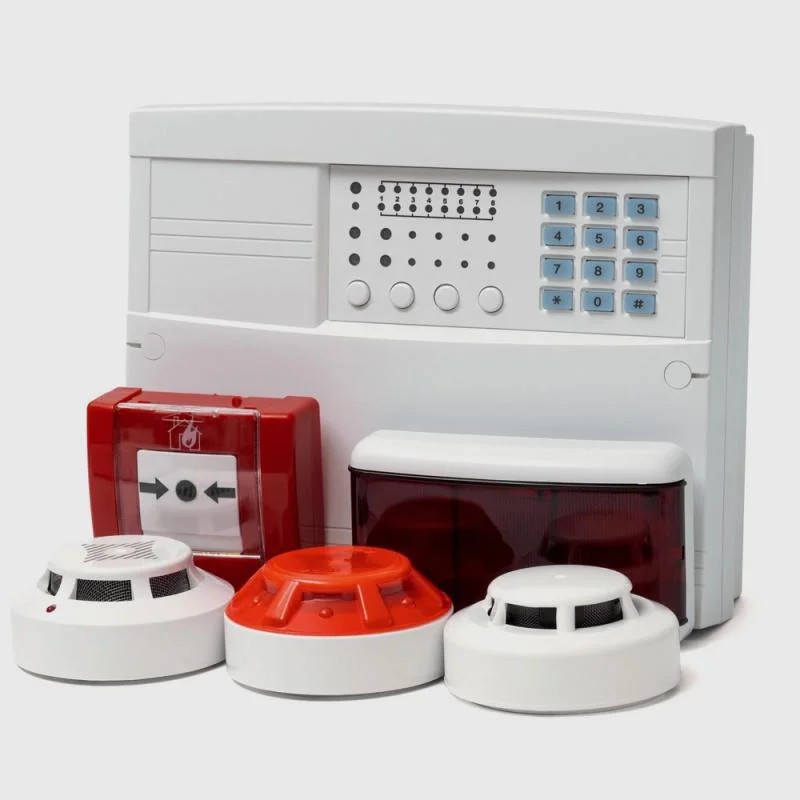
4. Control Panels
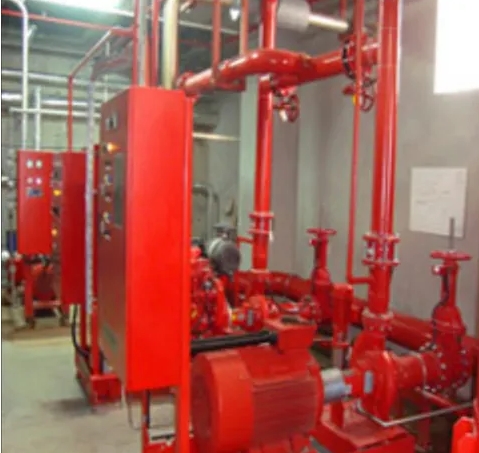
- Centralized units manage the fire safety system.
- Technical parameters include compatibility with devices and user interface design.
5. Monitoring Systems
- Enables remote surveillance and alerts.
- Technical parameters include connectivity options and data reporting frequency.
6. Installation Requirements
- Compliance with local codes and regulations.
- Technical parameters include installation methodologies and safety protocols.
7. Maintenance Protocols
- Regular checks and servicing to ensure functionality.
- Technical parameters include recommended maintenance schedules and service intervals.
8. Certifications
- Systems must meet industry standards, such as CE certification.
- Technical parameters include compliance documentation and testing results.
In summary, understanding the key features and specifications of fire safety systems is vital for businesses to make informed decisions regarding installation and maintenance.
Common Applications and Use Cases
Fire Safety System Installation is critical in various industries to ensure safety and compliance.
1. Commercial Buildings: These systems protect offices, retail spaces, and public venues from fire hazards. They often include comprehensive alarm and suppression systems tailored to the building layout.
2. Industrial Facilities: Manufacturing plants and warehouses require robust fire safety installations due to the presence of flammable materials. Specialized suppression systems are often implemented to mitigate risks.
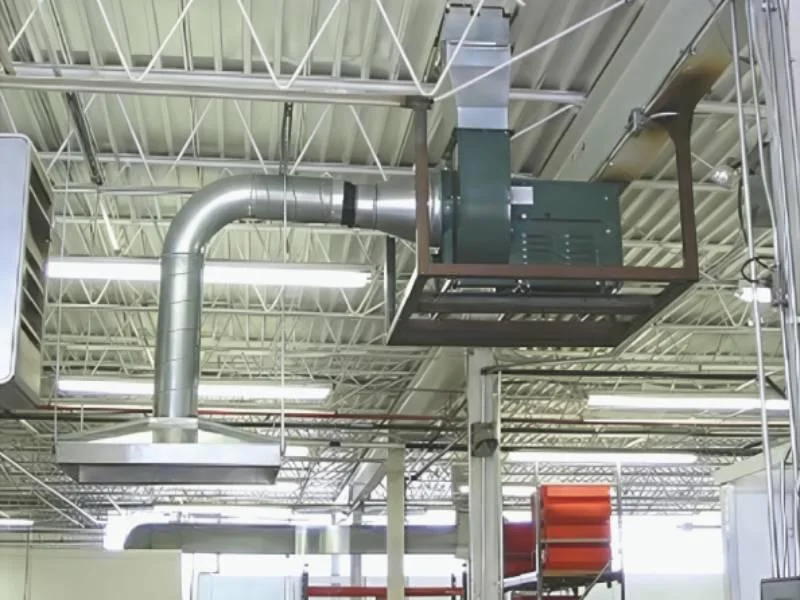
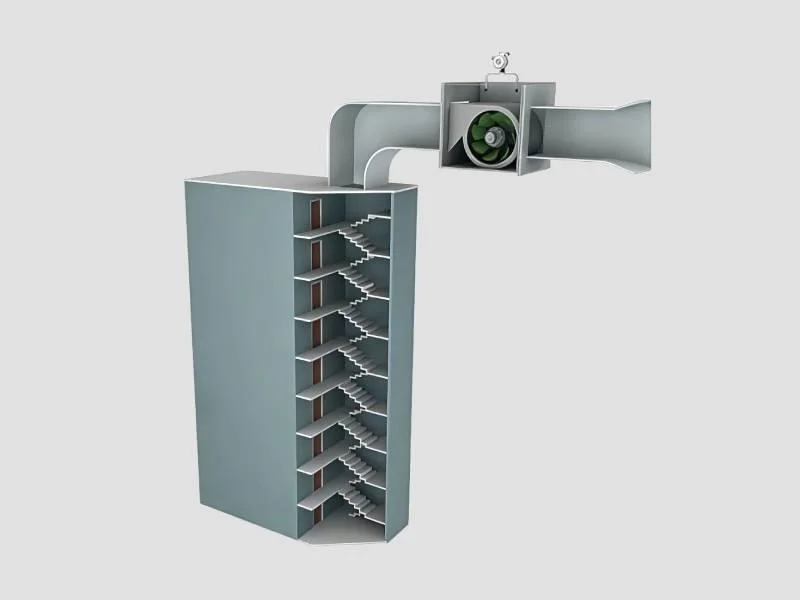
3. Healthcare: Hospitals and clinics must have advanced fire safety systems to protect patients and staff. These installations often include smoke control systems and emergency communication features.
4. Educational Institutions: Schools and universities implement fire safety systems to ensure student safety. These systems typically comprise alarms, sprinklers, and evacuation signage.
5. Hospitality: Hotels and restaurants require reliable fire safety systems to protect guests and assets. Fire alarms and suppression systems are crucial in these high-traffic environments.
6. Residential Complexes: Apartment buildings and condominiums need fire safety installations to safeguard residents. Common features include smoke detectors and sprinkler systems.
7. Oil and Gas: The oil and gas industry faces unique fire risks, making specialized fire safety installations essential. These installations often include advanced detection and suppression technologies.
Product Variants and Subcategories
Fire Safety System Installation includes a range of variants to cater to different needs and environments.
Manual Fire Alarm Systems: These systems require human intervention to activate alarms. They are common in smaller buildings where immediate reporting is necessary.
Automatic Fire Alarm Systems: These systems use sensors to detect fire conditions and activate alarms automatically. They are prevalent in larger commercial and industrial settings for enhanced safety.
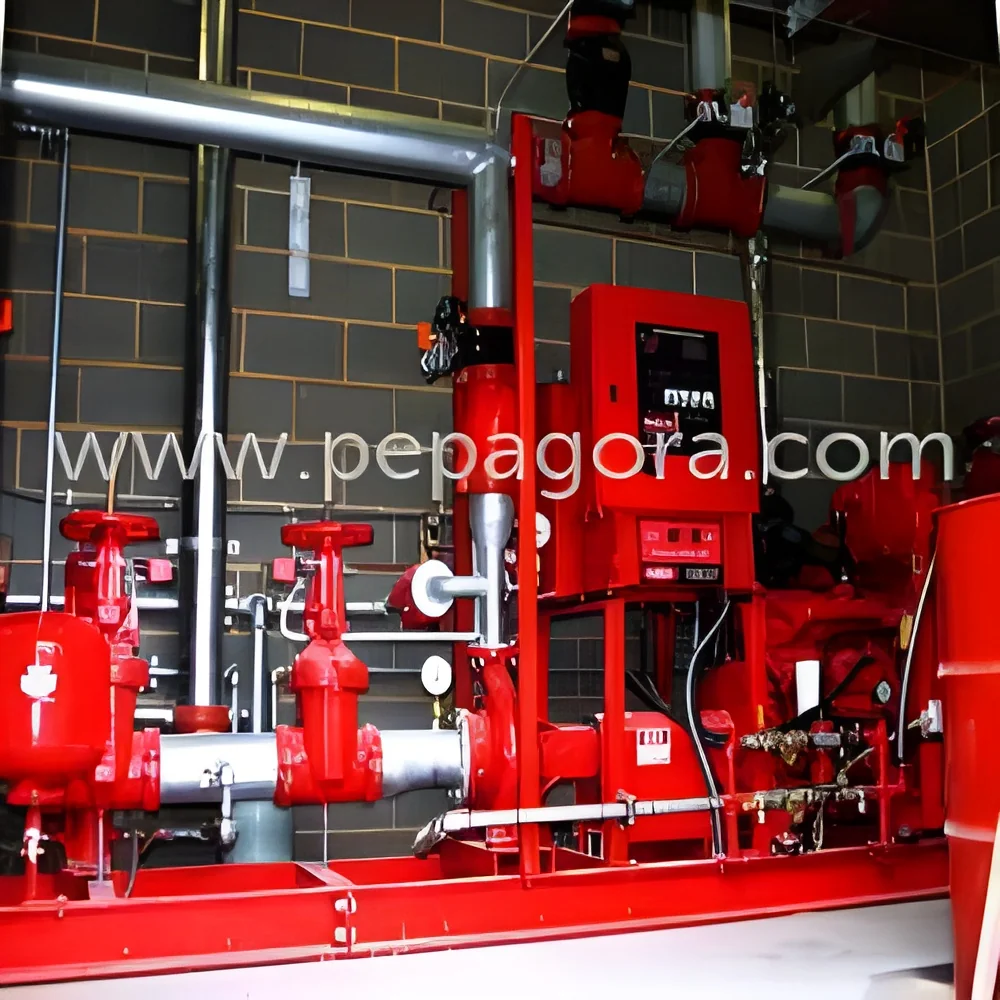
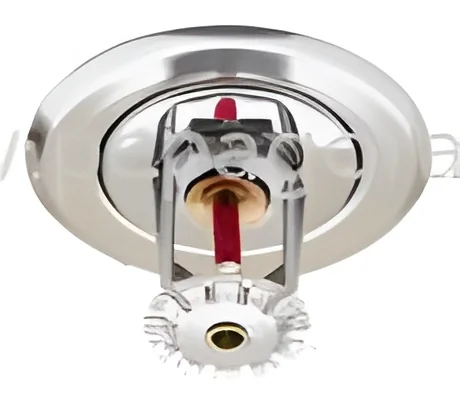
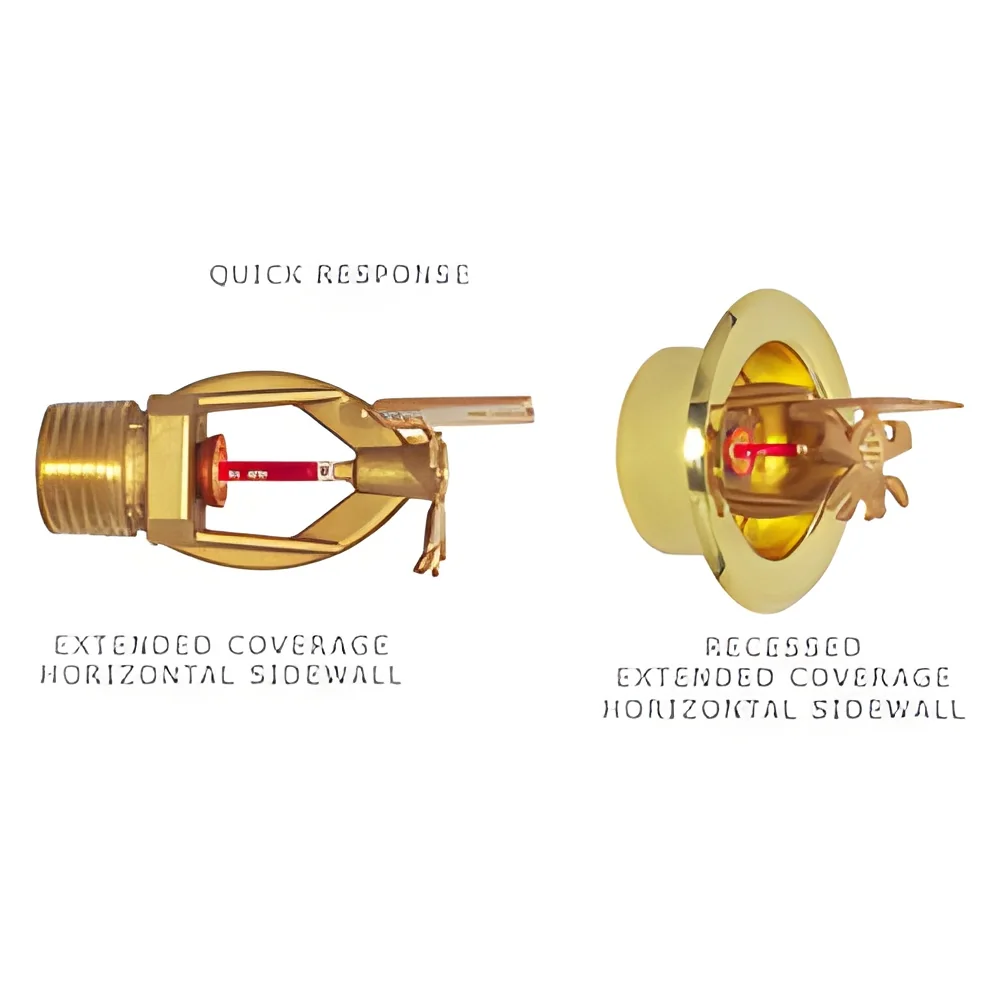
Sprinkler Systems: These are designed to activate in response to heat and provide immediate suppression of flames. Variants include wet pipe, dry pipe, and pre-action systems.
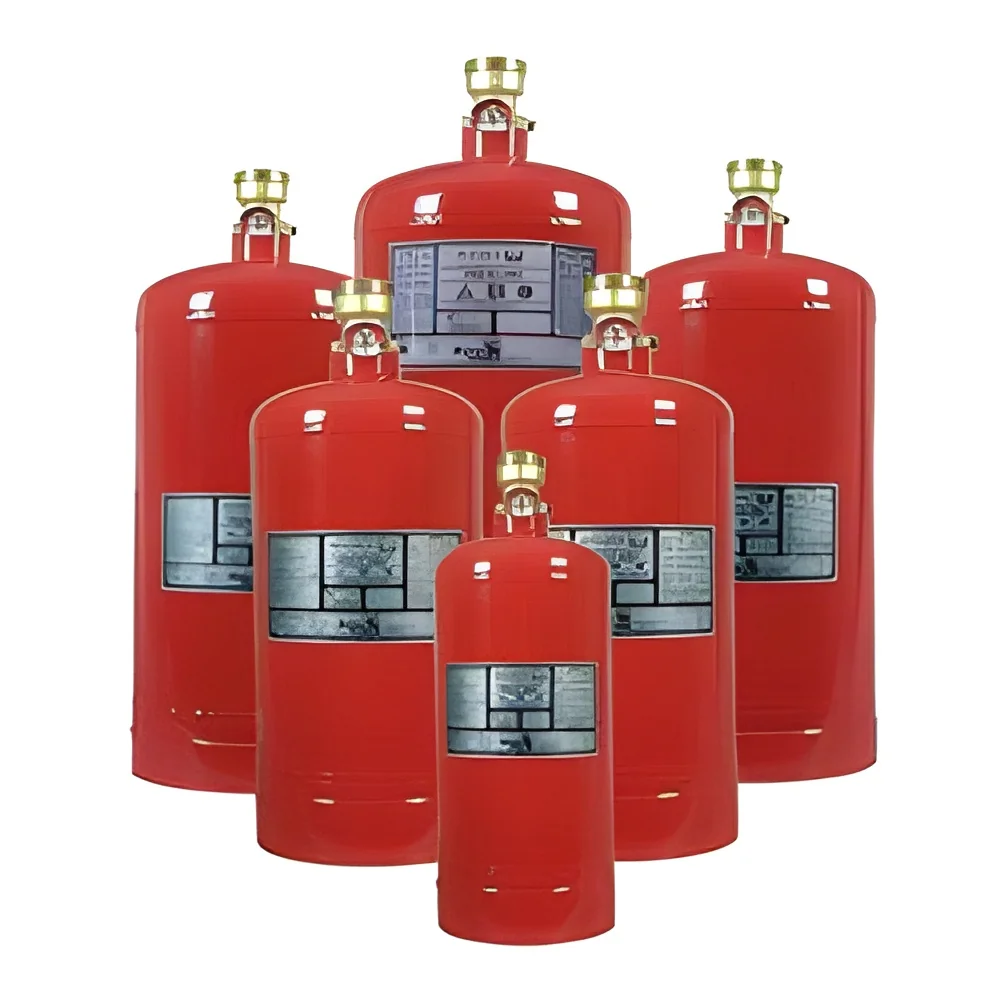
Gas Suppression Systems: Used in areas where water damage from sprinklers could be detrimental, these systems utilize gases to extinguish fires without causing collateral damage.
Benefits and Advantages
Investing in Fire Safety System Installation yields numerous benefits for businesses.
1. Enhanced Safety: Reliable fire safety systems significantly reduce the risk of fire-related injuries and fatalities.
2. Regulatory Compliance: Proper installation ensures adherence to fire safety regulations, helping businesses avoid penalties.
3. Asset Protection: Effective fire safety systems help protect valuable assets and minimize potential damages from fire incidents.
4. Peace of Mind: Knowing that a robust fire safety system is in place instills confidence in employees and stakeholders.
5. Insurance Benefits: Many insurance providers offer reduced premiums for businesses with certified fire safety installations.
6. Improved Response Times: Advanced detection and alert systems enable quicker emergency responses, potentially saving lives and property.
Buying Guide for B2B Buyers
When sourcing Fire Safety System Installation, businesses should consider several key factors to ensure they make informed decisions.
1. Quality Assessment: Evaluate the quality of materials and components used in the fire safety systems. Look for certifications that indicate compliance with industry standards.
2. Supplier Verification: Vet suppliers by checking their credentials, customer reviews, and industry reputation. A reliable supplier should have a proven track record in providing effective fire safety solutions.
3. Pricing and MOQ: Understand the pricing structure and minimum order quantities. Compare different suppliers to find the best value without compromising on quality.
4. Delivery and Lead Times: Assess the supplier’s ability to meet delivery schedules. Timely installation is crucial for ensuring safety and compliance.
5. Compliance Requirements: Ensure that the systems meet local and national fire safety regulations. Familiarize yourself with compliance standards relevant to your industry.
Compliance and Certifications
Fire Safety System Installation must adhere to various compliance standards and certifications to ensure safety and efficacy.
Relevant quality standards include ISO 9001, which ensures a consistent quality management system. This standard is crucial for maintaining the reliability of fire safety systems.
Industry certifications such as CE indicate that the products meet European safety standards, ensuring their suitability for use in various environments.
Safety and testing requirements are essential to validate the performance of fire safety systems. Regular testing ensures that systems operate as intended during emergencies.
Regional compliance considerations must be taken into account, as fire safety regulations can vary significantly from one area to another. Businesses should be aware of local codes to ensure their installations are compliant.
Why Source Fire Safety System Installation from Pepagora?
Pepagora provides a trusted platform for sourcing Fire Safety System Installation with several key advantages.
Verified Supplier Network: Pepagora ensures that all suppliers in its network are thoroughly vetted for quality and reliability. This process instills confidence in buyers that they are sourcing from reputable providers.
Streamlined RFQ Process: The Request for Quotation (RFQ) system simplifies the procurement process. Buyers can quickly obtain quotes from multiple suppliers and compare offerings efficiently.
Trade Assurance and Support: Pepagora offers trade assurance to protect buyers during transactions. This support gives peace of mind and encourages a secure purchasing environment.
Regional Coverage: Pepagora caters to a wide geographic reach, including India, GCC, and Southeast Asia. This broad coverage ensures that businesses can find suitable fire safety solutions regardless of their location.


Frequently Asked Questions
What are Fire Safety System Installation?
Fire Safety System Installation refers to the setup of various systems designed to detect, control, and extinguish fires in buildings and other structures. These installations typically include fire alarms, sprinkler systems, and emergency lighting, ensuring safety and compliance with local regulations.
What are the different types of Fire Safety System Installation?
Different types of Fire Safety System Installation include fire alarm systems, automatic sprinkler systems, fire extinguishing systems, and smoke control systems. Each type serves a specific purpose in fire prevention and control, enhancing overall safety.
How do I choose the right Fire Safety System Installation?
To choose the right Fire Safety System Installation, consider factors such as the type of building, occupancy, and local fire codes. Consulting with fire safety professionals can also help in selecting the most suitable system tailored to specific needs.
What are the standard specifications for Fire Safety System Installation?
Standard specifications for Fire Safety System Installation typically include compliance with national fire safety codes, proper installation methods, and system performance criteria. These specifications ensure effective operation and reliability in emergency situations.
What is the price range for Fire Safety System Installation?
The price range for Fire Safety System Installation can vary widely based on factors such as system complexity, building size, and specific equipment used. Generally, costs can range from a few thousand to several lakhs of Indian Rupees.
What quality standards apply to Fire Safety System Installation?
Quality standards for Fire Safety System Installation are often governed by national and international codes, such as the National Fire Protection Association (NFPA) standards. Adhering to these standards ensures the effectiveness and reliability of the installed systems.
Where can I find Fire Safety System Installation suppliers in India?
Fire Safety System Installation suppliers in India can be found through online B2B marketplaces, industry directories, and trade shows. Platforms like Pepagora.com provide a comprehensive list of suppliers and manufacturers in this sector.
Can Fire Safety System Installation be customized?
Yes, Fire Safety System Installation can often be customized to meet specific building requirements and safety regulations. Customization may include tailored system design, equipment selection, and integration with existing safety systems.
What is the typical minimum order quantity for Fire Safety System Installation?
The typical minimum order quantity (MOQ) for Fire Safety System Installation varies by supplier and the type of system being installed. Generally, MOQs can range from a single unit for smaller systems to larger quantities for commercial installations.
What is the typical lead time for Fire Safety System Installation?
The typical lead time for Fire Safety System Installation can vary based on the complexity of the system and supplier availability. Generally, lead times can range from a few weeks to several months, depending on the project's scope.
Why Businesses Trust Pepagora
Thousands of companies trust Pepagora to source smarter and sell faster
Expand Your Sales Globally

Source Smarter,Grow Faster
