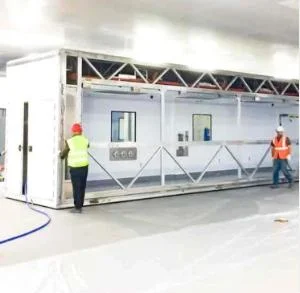
What are Prefabricated Structure Installation?
Prefabricated structure installation refers to the process of assembling buildings or structures from pre-manufactured components. These components are produced in a factory setting and then transported to the construction site for quick assembly. This method significantly reduces construction time and labor costs, ensuring that projects can be completed more efficiently. Prefabricated structures can include modular buildings, temporary facilities, and even permanent structures across various industries.
The primary uses of prefabricated structure installation include commercial buildings, residential units, and industrial facilities. Businesses turn to this solution for its versatility, as it allows for custom designs and rapid deployment in various environments. This method is particularly beneficial in sectors that require temporary spaces, such as construction sites or event venues, as well as in permanent applications like schools and healthcare facilities. The market for prefabricated structures continues to grow, driven by the need for cost-effective and sustainable building solutions.
The relevance of prefabricated structure installation in today's market stems from increasing demands for efficient construction methods. As industries seek to minimize operational downtime and adhere to tight deadlines, the appeal of prefabricated solutions is evident. Furthermore, advancements in technology and materials are enhancing the quality and capabilities of these structures, making them a competitive choice for modern construction projects.
Key Features and Specifications
Prefabricated structure installation comes with a range of features that make it an attractive option for businesses. Understanding these specifications is crucial for selecting the right solution for your needs.
Key specifications include:
1. Material Quality
- Structures are typically made from high-quality steel, concrete, or wood.
- These materials ensure durability and compliance with building codes.
2. Modular Design
- Modular components allow for flexibility in design and layout.
- This feature enables easy expansion or reconfiguration as needs change.
3. Quick Assembly Time
- On-site assembly can often be completed in a matter of days.
- Reduces project timelines and labor costs significantly.
4. Energy Efficiency
- Many prefabricated structures are designed with energy-saving features.
- Options may include insulation, energy-efficient windows, and HVAC systems.
5. Customization Options
- Various designs and finishes are available to meet specific requirements.
- Customization enhances aesthetic appeal and functionality.
6. Safety Standards
- Prefabricated structures must adhere to local safety regulations.
- Testing and certification processes ensure compliance with safety standards.
7. Cost-Effectiveness
- Reduced labor and construction time translate to lower overall costs.
- Long-term savings can result from energy-efficient designs.
8. Environmental Impact
- Many prefabricated solutions are built with sustainable materials.
- The process generates less waste compared to traditional construction methods.
In summary, the key features and specifications of prefabricated structure installation make it a viable option for a variety of construction projects. The combination of quality materials, modular design, and energy efficiency contributes to its growing popularity in the industry.
Common Applications and Use Cases
Prefabricated structure installation serves numerous industries, each benefiting from its unique advantages.
1. Construction Industry: Prefabricated structures are often used as temporary offices, storage units, and worker accommodations on construction sites. Their quick installation allows projects to proceed without delays.
2. Healthcare: Hospitals and clinics use prefabricated buildings for rapid expansion. These structures can serve as urgent care facilities or temporary patient wards during peak times.
3. Education: Schools may utilize prefabricated classrooms to accommodate growing student populations. These buildings offer a quick solution to space shortages.
4. Retail: Retailers can deploy prefabricated shops in new locations to test markets quickly. The ease of assembly allows for rapid entry into new regions.
5. Hospitality: Hotels and resorts can use prefabricated units for guest accommodations. This method accelerates construction and reduces costs.
6. Disaster Relief: Prefabricated structures are ideal for emergency housing following natural disasters. Their quick deployment provides immediate shelter solutions.
7. Military: Military bases often utilize prefabricated buildings for barracks and operational facilities. This approach supports rapid deployment in various environments.
In conclusion, the diverse applications of prefabricated structure installation highlight its flexibility and effectiveness across different sectors. Businesses can leverage these structures to meet specific needs while optimizing costs and construction timelines.
Product Variants and Subcategories
Prefabricated structure installation includes a variety of product variants designed to meet different project requirements. Each variant offers distinct features that cater to specific applications.
Modular Offices: These structures provide flexible workspace solutions. They can be easily configured to create open-plan or private office spaces, making them ideal for temporary or permanent setups.
Temporary Shelters: Designed for quick assembly, these units are often used for disaster relief or temporary housing. They are lightweight and easy to transport, ensuring rapid deployment in emergencies.
Container Units: Shipping containers repurposed into functional spaces are becoming popular. They can serve as offices, living quarters, or storage, offering a durable and secure option.
Prefabricated Housing: These units are designed for residential use, providing affordable housing solutions. Their efficient construction process allows for faster occupancy.
In summary, the diversity of prefabricated structure variants allows businesses to select the most suitable option for their specific needs, enhancing the overall effectiveness of their projects.
Benefits and Advantages
The benefits of using prefabricated structure installation are significant and multifaceted. Businesses can gain a competitive edge by leveraging these advantages.
Key benefits include:
1. Speed of Construction: Prefabricated installations can significantly reduce project timelines. Quick assembly allows for faster occupancy and operational readiness.
2. Cost Savings: Reduced labor and material waste lead to lower overall costs. Businesses can allocate resources more effectively when using prefabricated solutions.
3. Flexibility: Modular designs enable easy reconfiguration or expansion as business needs change. This adaptability supports long-term growth and development.
4. Quality Assurance: Factory production allows for stringent quality control measures. Structures are built to meet high standards, ensuring durability and safety.
5. Sustainability: Many prefabricated options incorporate eco-friendly materials and energy-efficient designs. This focus on sustainability can enhance a company’s reputation.
6. Reduced Site Disruption: Quick assembly minimizes the time spent on-site, reducing disruption to surrounding areas. This is particularly beneficial in urban environments.
In conclusion, the benefits of prefabricated structure installation provide businesses with a compelling case to adopt this construction method. The combination of speed, cost savings, and flexibility makes it a strategic choice for modern projects.
Buying Guide for B2B Buyers
When sourcing prefabricated structure installation, it is essential for B2B buyers to consider several key factors to ensure a successful purchase.
1. Quality Assessment: Evaluate the quality of materials and construction methods used by suppliers. Look for certifications that indicate compliance with industry standards.
2. Supplier Verification: Conduct thorough research on potential suppliers. Check their track record, customer reviews, and any relevant industry certifications to ensure reliability.
3. Pricing and MOQ: Understand the pricing structure and minimum order quantities. This knowledge will help in budgeting and determining the feasibility of a purchase.
4. Delivery and Lead Times: Inquire about delivery schedules and lead times. Timely delivery is critical to maintaining project timelines and avoiding delays.
5. Compliance Requirements: Ensure that the structures meet local regulations and safety standards. Compliance is crucial for avoiding legal issues and ensuring safety.
In summary, a comprehensive buying guide will help B2B buyers make informed decisions when sourcing prefabricated structure installations. By considering quality, supplier reliability, pricing, and compliance, businesses can ensure a successful procurement process.
Compliance and Certifications
Compliance and certifications are critical aspects of prefabricated structure installation. Adhering to relevant quality standards ensures that structures are safe and effective for use in various applications.
ISO 9001 is a widely recognized quality management standard that sets the criteria for an effective quality management system. Companies involved in prefabricated structure installation often pursue this certification to demonstrate their commitment to quality and continuous improvement.
Another important certification is CE marking, which indicates that a product meets European Union safety, health, and environmental protection requirements. This certification is essential for businesses operating in or exporting to European markets.
In addition to these standards, safety and testing requirements must be met to ensure that prefabricated structures can withstand environmental stresses and comply with local building codes. Regular testing and quality assurance practices are vital for maintaining safety.
Regional compliance considerations also play a significant role. Different countries and regions may have specific regulations governing building standards and material usage. Understanding these requirements is crucial for successful project execution.
In conclusion, compliance and certification are integral to the prefabricated structure installation process. Adhering to these standards not only ensures safety but also enhances the credibility of businesses operating in this sector.
Why Source Prefabricated Structure Installation from Pepagora?
Pepagora provides a trusted platform for sourcing prefabricated structure installation, offering several key advantages for B2B buyers.
One of the primary benefits of using Pepagora is the verified supplier network. Pepagora rigorously vet suppliers to ensure that they meet industry standards and deliver high-quality products. This verification process provides buyers with confidence in their purchasing decisions.
The streamlined RFQ process simplifies the quotation system. Buyers can easily submit requests for quotes and receive competitive pricing from multiple suppliers. This efficiency saves time and allows businesses to make informed decisions quickly.
Additionally, Pepagora offers trade assurance and support to protect buyers. This feature ensures that transactions are secure and that buyers receive the products they ordered. The support team is available to assist with any issues that may arise during the procurement process.
Pepagora's regional coverage extends across India, the GCC, and Southeast Asia. This geographic reach allows businesses to connect with suppliers in their respective regions, facilitating local sourcing and reducing logistical challenges.
In summary, sourcing prefabricated structure installation from Pepagora offers numerous advantages, including a verified supplier network, streamlined processes, buyer protection, and extensive regional coverage. These factors contribute to a positive procurement experience for B2B buyers.

 IN
IN