What are HT/LT Panel Installation?
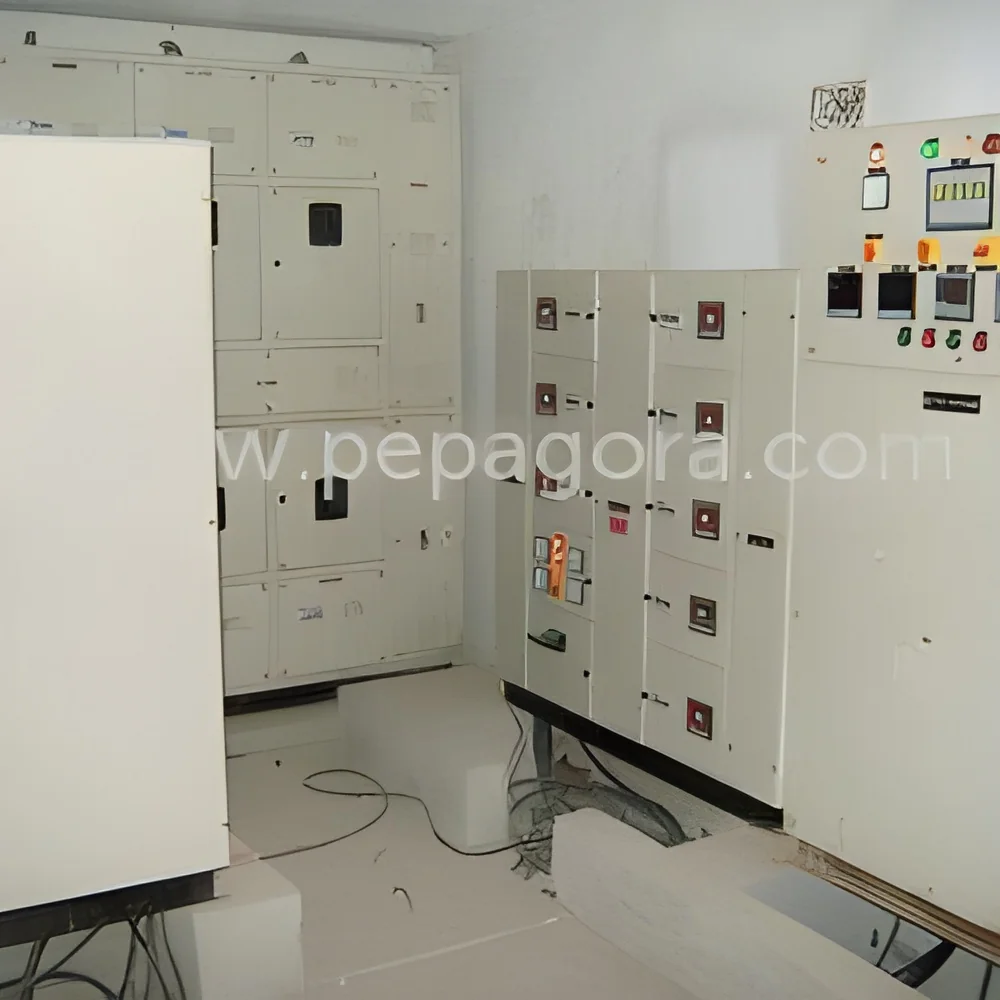
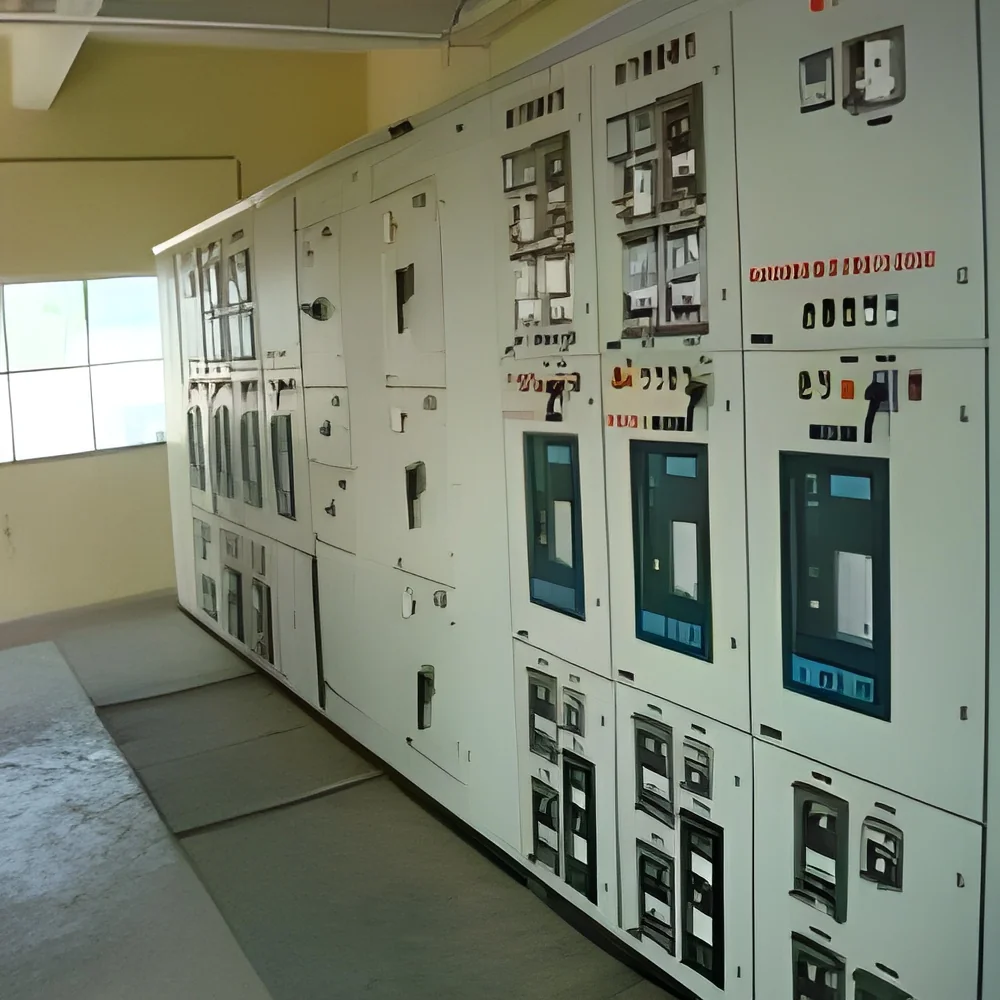
HT/LT panel installation refers to the setup of high tension (HT) and low tension (LT) electrical panels that manage the distribution of electrical power within industrial and commercial environments. HT panels typically operate at voltages above 1 kV, while LT panels function at voltages below 1 kV. These panels are essential for regulating the flow of electricity, ensuring safety, and providing necessary control for various electrical systems in facilities.
The primary uses of HT and LT panels are in power distribution, motor control, and electrical protection. They are critical in sectors such as manufacturing, construction, and energy production, where reliable power management is a necessity. By providing a centralized point for electrical control and monitoring, these panels help businesses maintain operational efficiency and compliance with safety standards.
In today's market, the relevance of HT/LT panel installations is heightened due to the growing demand for energy-efficient systems. As industries increasingly focus on sustainability, advanced electrical solutions have become vital. The integration of smart technologies with HT/LT panels is also gaining traction, allowing for better monitoring and management of electrical resources.
Key Features and Specifications
HT/LT panels come with several key features that enhance their functionality and safety. These features are essential for ensuring optimal performance and reliability in demanding environments. Understanding these specifications is critical for businesses looking to implement effective electrical solutions.
Key specifications include:
1. Voltage Ratings
- HT panels: Operating voltage typically above 1 kV
- LT panels: Operating voltage usually below 1 kV
2. Current Capacity
- HT panels: Can handle high current loads, often exceeding 1000A
- LT panels: Typically supports current loads ranging from 100A to 1000A
3. Protection Mechanisms
- Short-circuit protection
- Overcurrent protection
4. Control Features
- Motor starters
- Circuit breakers
5. Enclosure Type
- Indoor and outdoor options available
- Weather-resistant and corrosion-resistant materials
6. Cooling Systems
- Air-cooled or forced air options
- Enhanced airflow design for thermal management
7. Monitoring Capabilities
- Real-time monitoring systems
- Integration with Building Management Systems (BMS)
8. Compliance Standards
- Meets industry standards such as CE certification
In summary, the specifications of HT/LT panel installations are designed to cater to diverse applications while ensuring safety and operational efficiency.
Common Applications and Use Cases
HT/LT panel installations find applications across various industries, playing a crucial role in managing electrical systems effectively.
1. Manufacturing: In manufacturing plants, HT/LT panels are used to control machinery and equipment, ensuring smooth operations and minimizing downtime.
2. Construction: Construction sites utilize these panels for temporary power distribution, allowing for the operation of tools and lighting during projects.
3. Energy: In power generation facilities, HT panels are integral in managing the transmission of electricity from generation sources to distribution networks.
4. Utilities: Water treatment plants use LT panels to control pumps and motors, ensuring efficient water distribution and treatment processes.
5. Commercial Buildings: HT/LT panels are essential for managing electrical supplies in large commercial spaces, including shopping malls and office complexes.
6. Transportation: Airports and railway stations rely on HT/LT installations for their power needs, including lighting and signaling systems.
7. Data Centers: In data centers, these panels provide the necessary power management for servers and cooling systems, ensuring continuous operation.
Product Variants and Subcategories
HT/LT panel installations are available in various configurations to suit different operational needs. Each variant offers unique features and applications tailored to specific industries.
Variant 1: HT Panel
HT panels are designed for high voltage applications and are used in industrial settings for power distribution. Their robust construction allows them to handle significant electrical loads.
Variant 2: LT Panel
LT panels are suitable for lower voltage applications and are commonly used in commercial buildings for power distribution to lighting and small machinery.
Variant 3: Motor Control Center (MCC)
MCCs are specialized LT panels used to control and monitor motors in industrial applications. They provide easy access to motor starters and protection devices.
Variant 4: Distribution Board
Distribution boards distribute electrical power to various circuits within a facility. These boards are essential for managing electrical loads in residential and commercial buildings.
Benefits and Advantages
The installation of HT/LT panels offers several key advantages for businesses looking to optimize their electrical systems.
1. Enhanced Safety: These panels include various safety features that protect against electrical faults, reducing the risk of accidents.
2. Improved Efficiency: By managing electrical loads effectively, HT/LT panels contribute to lower energy costs and improved operational efficiency.
3. Regulatory Compliance: HT/LT panels help businesses comply with national and international electrical standards, ensuring safety and reliability.
4. Flexibility: The modular design of these panels allows for customization and scalability, accommodating future expansions.
5. Real-Time Monitoring: Advanced monitoring capabilities enable businesses to track energy consumption and identify inefficiencies quickly.
6. Durability: Built with high-quality materials, HT/LT panels are designed to withstand harsh environments, ensuring longevity and reliability.
Buying Guide for B2B Buyers
When considering HT/LT panel installations, it is important for B2B buyers to evaluate several key factors to ensure they make the right choice.
1. Quality Assessment: Buyers should prioritize panels that meet industry standards for quality and reliability. This includes checking for certifications such as CE and ensuring they have undergone rigorous testing.
2. Supplier Verification: It is essential to vet suppliers thoroughly. Look for established manufacturers with a proven track record of delivering high-quality electrical solutions.
3. Pricing and MOQ: Understand the pricing structure and minimum order quantities (MOQ). This will help in budgeting and avoiding unexpected costs.
4. Delivery and Lead Times: Assess the supplier's delivery capabilities to ensure they can meet project timelines. Timely delivery is crucial to avoid delays in installation.
5. Compliance Requirements: Ensure that the panels comply with relevant local and international regulations. This includes safety, environmental, and electrical standards.
Compliance and Certifications
HT/LT panel installations must adhere to various compliance and certification standards to ensure safety and reliability. Relevant quality standards such as ISO 9001 are crucial, as they indicate a commitment to quality management processes.
Industry certifications like CE are essential for assuring customers that the panels meet European safety and performance requirements. Compliance with safety and testing standards is vital to reduce risks and enhance operational safety.
Additionally, regional compliance considerations should be taken into account. Different regions may have specific regulations concerning electrical installations, necessitating careful adherence to local laws.
Why Source HT/LT Panel Installation from Pepagora?
Pepagora offers a reliable platform for sourcing HT/LT panel installations, providing several key advantages that benefit B2B buyers.
Verified Supplier Network: Pepagora ensures that all suppliers are thoroughly vetted, offering buyers peace of mind when selecting vendors for their electrical solutions.
Streamlined RFQ Process: The platform simplifies the request for quotation (RFQ) process, making it easier for buyers to compare options and secure the best pricing.
Trade Assurance and Support: Pepagora provides buyer protection through trade assurance, ensuring that transactions are secure and that buyers receive the quality they expect.
Regional Coverage: With a focus on India, the GCC, and Southeast Asia, Pepagora has a broad reach, connecting buyers with suppliers that can meet their specific regional needs.

 IN
IN