
 IN
Water Treatment Plant Installation
2 products available
What are Water Treatment Plant Installation?
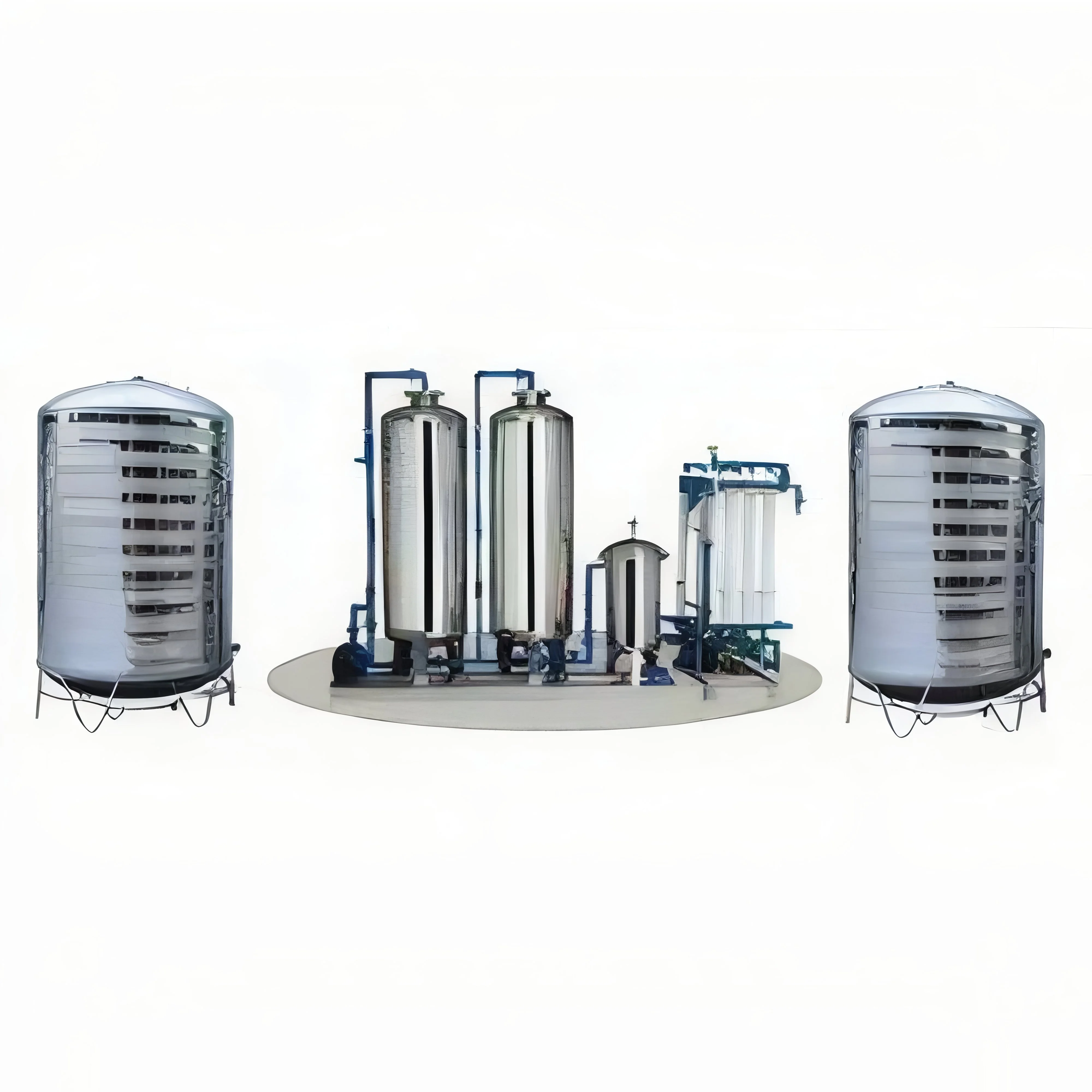
Water Treatment Plant Installation refers to the process of setting up facilities that purify water for various uses. These installations are crucial in ensuring that water meets safety and quality standards before being distributed for consumption or industrial applications. The installation process encompasses a range of activities including site assessment, equipment placement, and system integration, ensuring that the plant operates efficiently and effectively.
The primary uses of water treatment plants include supplying potable water to communities, treating wastewater before it is released back into the environment, and providing process water for industrial operations. Businesses in sectors such as municipal water supply, manufacturing, and agriculture rely heavily on these installations. The relevance of water treatment plants in today's market cannot be overstated, as growing concerns about water quality and environmental sustainability drive the need for advanced treatment solutions.
Key Features and Specifications
Water treatment plants come equipped with a variety of features designed to enhance performance and reliability. These specifications cater to the diverse needs of different applications and industries.
Key specifications include:
1. Capacity
- The volume of water the plant can treat per day, typically measured in cubic meters.
- Ranges can vary from small-scale plants (100-1,000 m³/day) to large-scale operations (over 10,000 m³/day).
2. Treatment Process
- Types of processes employed such as filtration, chlorination, and reverse osmosis.
- Each process has specific parameters that define its effectiveness and efficiency.
3. Power Requirements
- Electrical power needed to operate the plant, usually measured in kilowatts.
- Specifications may vary based on the capacity and technology used.
4. Space Requirements
- The physical footprint of the installation, including space for equipment and personnel.
- Essential for planning and site selection.
5. Control Systems
- Automation and monitoring features integrated into the plant.
- These systems help ensure consistent performance and compliance.
6. Material Standards
- Types of materials used in construction, such as stainless steel or high-density polyethylene.
- Important for durability and corrosion resistance.
7. Maintenance Needs
- Frequency and type of maintenance required to keep the plant operational.
- Critical for long-term sustainability.
8. Compliance Standards
- Adherence to local and international regulations governing water quality.
- Ensures the plant meets required safety and environmental standards.
In summary, understanding the key specifications of water treatment plant installations is essential for choosing the right system for specific needs.
Common Applications and Use Cases
Water treatment plant installations serve various industries, each with unique applications.
1. Municipal Water Supply: These plants treat and supply safe drinking water to residents, ensuring compliance with health standards.
2. Industrial Manufacturing: Facilities use treated water for processes such as cooling, cleaning, and product formulation.
3. Agriculture: Water treatment systems provide irrigation water that meets quality standards for crop production.
4. Food and Beverage: Industries rely on treated water for food processing, ensuring safety and quality in their products.
5. Pharmaceuticals: Strictly controlled water treatment is essential for manufacturing drugs and medical devices.
6. Mining: Water treatment plants manage water used in extraction processes, minimizing environmental impact.
7. Wastewater Treatment: Facilities treat sewage and industrial wastewater before it is released into the environment.
Product Variants and Subcategories
Water treatment plant installations come in various configurations to meet different needs.
Mobile Water Treatment Units: These portable systems can be deployed quickly in emergencies or during construction projects. They provide immediate access to treated water in remote locations.
Modular Treatment Plants: These units are designed for scalability, allowing businesses to increase capacity as needed. They are often pre-fabricated for faster installation.
Decentralized Treatment Systems: Ideal for smaller communities or industries, these systems treat water on-site, reducing the need for extensive infrastructure.
Containerized Treatment Solutions: Compact and self-contained, these systems are designed for ease of transport and installation, making them suitable for temporary or mobile applications.
Benefits and Advantages
Investing in water treatment plant installations brings numerous advantages to businesses.
1. Improved Water Quality: Ensures that water is safe for consumption and use, meeting regulatory standards.
2. Environmental Protection: Reduces the risk of contamination and promotes sustainable water management practices.
3. Cost Efficiency: Proper treatment can reduce long-term costs associated with water sourcing and waste management.
4. Compliance Assurance: Helps businesses stay compliant with local and international regulations, avoiding potential fines.
5. Enhanced Operational Reliability: Well-designed plants ensure consistent water supply, minimizing disruptions to business operations.
6. Customization Options: Solutions can be tailored to meet specific industry needs, ensuring maximum effectiveness.
Buying Guide for B2B Buyers
When sourcing water treatment plant installations, businesses should consider several critical factors.
1. Quality Assessment: Evaluate the quality of materials and technology used in the installation. Look for products that meet established standards for durability and efficiency.
2. Supplier Verification: Vet potential suppliers to ensure they have a solid reputation and experience in the industry. Check for client reviews and case studies.
3. Pricing and MOQ: Understand the cost structure and minimum order quantities. This helps in budgeting and ensures that the investment aligns with business goals.
4. Delivery and Lead Times: Inquire about expected delivery timelines and logistics. Timely installation is crucial for project planning.
5. Compliance Requirements: Familiarize yourself with local regulations and standards that apply to water treatment. This ensures that the chosen installation will meet all necessary legal requirements.
Compliance and Certifications
Water treatment plants must adhere to various quality standards and regulations to ensure safety and efficiency.
ISO 9001 is a widely recognized standard for quality management systems. Compliance with this standard indicates that the supplier maintains consistent quality in their processes and products.
HACCP (Hazard Analysis Critical Control Point) is essential for industries where food safety is paramount. Water treatment systems must comply with HACCP guidelines to ensure the safety of water used in food production.
CE certification is crucial for products sold in the European market, indicating compliance with health, safety, and environmental protection standards.
Safety and testing requirements must be strictly followed during the installation and operation of water treatment plants. Regular testing ensures that water quality remains within acceptable limits.
Regional compliance considerations may vary, so businesses should be aware of local regulations and standards that govern water treatment in their area.
Why Source Water Treatment Plant Installation from Pepagora?
Pepagora provides a trusted platform for sourcing water treatment plant installations with several key advantages.
Verified Supplier Network: Pepagora has established a network of verified suppliers, ensuring that businesses can connect with reputable manufacturers and service providers. This network enhances trust and reliability in sourcing decisions.
Streamlined RFQ Process: The platform features a simplified request-for-quotation system, allowing buyers to receive competitive quotes from multiple suppliers quickly. This saves time and facilitates better decision-making.
Trade Assurance and Support: Pepagora offers trade assurance features that protect buyers throughout the procurement process. This includes support for negotiations and assistance with any disputes that may arise.
Regional Coverage: With a strong presence in India, the GCC, and Southeast Asia, Pepagora ensures that businesses in these regions have access to quality water treatment solutions tailored to their specific needs. This geographic reach supports local industries and promotes sustainable practices.
In conclusion, sourcing water treatment plant installations from Pepagora connects businesses with high-quality solutions while ensuring compliance, support, and a competitive edge in the market.

Frequently Asked Questions
What are Water Treatment Plant Installation?
Water Treatment Plant Installation refers to the process of setting up facilities that treat water to make it suitable for various uses, including drinking, industrial processes, and irrigation. These installations typically involve various processes such as filtration, sedimentation, and disinfection to remove contaminants and ensure water quality.
What are the different types of Water Treatment Plant Installation?
There are several types of Water Treatment Plant Installations, including municipal water treatment plants, industrial water treatment facilities, and decentralized treatment systems. Each type is designed to address specific water quality issues and operational requirements based on the source and intended use of the water.
How do I choose the right Water Treatment Plant Installation?
Choosing the right Water Treatment Plant Installation involves assessing your specific water treatment needs, including the type of water source, the contaminants present, and the volume of water to be treated. Additionally, consider factors such as technology options, regulatory requirements, and budget constraints before making a decision.
What are the standard specifications for Water Treatment Plant Installation?
Standard specifications for Water Treatment Plant Installation vary based on the technology used and local regulations. Common specifications include flow rate capacity, types of treatment processes employed, and energy efficiency ratings, all of which are critical for ensuring effective operation and compliance with health standards.
What is the price range for Water Treatment Plant Installation?
The price range for Water Treatment Plant Installation can vary widely depending on factors such as capacity, technology, and complexity of the system. Typically, prices can range from a few lakhs to several crores of Indian Rupees, depending on the scale and specifications of the installation.
What quality standards apply to Water Treatment Plant Installation?
Water Treatment Plant Installations must comply with various quality standards, including those set by the Bureau of Indian Standards (BIS) and environmental regulations. These standards ensure that the treated water meets safety and quality benchmarks for its intended use, particularly for drinking water.
Where can I find Water Treatment Plant Installation suppliers in India?
You can find Water Treatment Plant Installation suppliers in India through various channels, including online B2B marketplaces, industry trade shows, and local directories. Pepagora.com is a valuable resource for connecting with leading manufacturers and suppliers in this sector.
Can Water Treatment Plant Installation be customized?
Yes, Water Treatment Plant Installations can often be customized to meet specific requirements of the user. Customization may involve tailored designs, specific treatment technologies, and integration with existing infrastructure to ensure optimal performance and compliance.
What is the typical minimum order quantity for Water Treatment Plant Installation?
The typical minimum order quantity (MOQ) for Water Treatment Plant Installation varies by supplier and the scale of the project. It is advisable to discuss MOQ directly with suppliers to understand their specific requirements and any potential for smaller installations.
What is the typical lead time for Water Treatment Plant Installation?
The typical lead time for Water Treatment Plant Installation can range from a few weeks to several months, depending on the complexity of the project and the availability of components. It is crucial to plan ahead and discuss timelines with suppliers to ensure timely delivery and installation.
Why Businesses Trust Pepagora
Thousands of companies trust Pepagora to source smarter and sell faster
Expand Your Sales Globally

Source Smarter,Grow Faster
