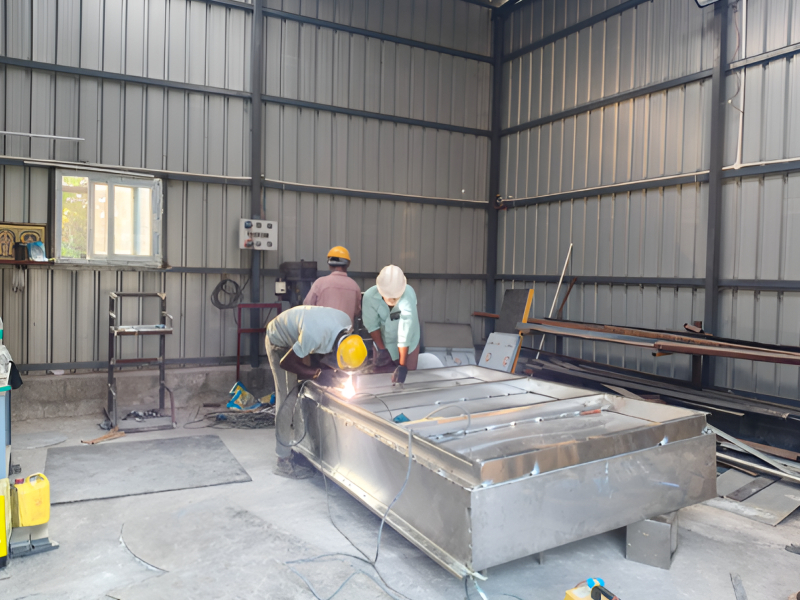
๐ช๐ต๐ฎ๐ ๐ฎ๐ฟ๐ฒ ๐๐น๐ฒ๐ฐ๐๐ฟ๐ถ๐ฐ๐ฎ๐น ๐๐พ๐๐ถ๐ฝ๐บ๐ฒ๐ป๐ ๐๐ป๐๐๐ฎ๐น๐น๐ฎ๐๐ถ๐ผ๐ป?
Electrical Equipment Installation refers to the process of setting up electrical systems and components that are essential for the operation of various industrial and commercial facilities. This includes the installation of machinery, control panels, electrical wiring, and other related components. The goal is to ensure that all electrical systems are integrated properly, function efficiently, and comply with safety standards.
These installations are critical in a variety of sectors, including manufacturing, construction, and energy. Businesses rely on these installations to power their operations, automate processes, and maintain safety. The ability to integrate advanced electrical systems can enhance productivity and operational reliability. As industries continue to evolve with technological advancements, the demand for skilled electrical equipment installation is on the rise, making it a vital aspect of modern industrial operations.
๐๐ฒ๐ ๐๐ฒ๐ฎ๐๐๐ฟ๐ฒ๐ ๐ฎ๐ป๐ฑ ๐ฆ๐ฝ๐ฒ๐ฐ๐ถ๐ณ๐ถ๐ฐ๐ฎ๐๐ถ๐ผ๐ป๐
Electrical Equipment Installation encompasses numerous features and specifications that ensure reliable performance and safety. These specifications can vary based on the specific application and industry standards.
Key specifications include:
1. Safety Standards
- Compliance with local and international safety regulations
- Implementation of protective devices and circuit breakers
2. Voltage Range
- Designed for various voltage levels to suit different equipment
- Common ranges include low voltage (up to 1000V) and high voltage (above 1000V)
3. Wiring and Cabling
- Use of appropriate gauge and type of wire for different applications
- Consideration for environmental factors such as temperature and humidity
4. Load Capacity
- Ability to handle specific electrical loads based on equipment requirements
- Evaluation of maximum load ratings to prevent overheating and failures
5. Installation Environment
- Adaptability for indoor and outdoor installations
- Resistance to environmental factors like moisture, dust, and chemicals
6. Integration Capabilities
- Compatibility with existing systems and technologies
- Support for automation and control systems
7. Maintenance Accessibility
- Design features that allow easy access for maintenance and inspections
- Consideration for long-term serviceability
8. Testing and Quality Assurance
- Implementation of rigorous testing protocols during installation
- Adherence to quality assurance practices to ensure reliability
These specifications collectively contribute to the effectiveness and safety of electrical equipment installations in various industries.
๐๐ผ๐บ๐บ๐ผ๐ป ๐๐ฝ๐ฝ๐น๐ถ๐ฐ๐ฎ๐๐ถ๐ผ๐ป๐ ๐ฎ๐ป๐ฑ ๐จ๐๐ฒ ๐๐ฎ๐๐ฒ๐
Electrical Equipment Installation is utilized across a wide range of industries, each with unique applications.
1. Manufacturing: In manufacturing facilities, electrical installations power machinery, control systems, and production lines, ensuring efficient operation and productivity.
2. Construction: In construction sites, electrical installations are critical for temporary power systems, lighting, and equipment operation, facilitating ongoing work.
3. Energy: In the energy sector, electrical installations support power generation, distribution, and renewable energy systems, enabling reliable energy supply.
4. Transportation: Electrical systems in transportation hubs, such as airports and railways, provide power for signaling, lighting, and operational systems.
5. Commercial Buildings: Installation in commercial spaces ensures lighting, HVAC systems, and security systems operate effectively, contributing to a functional environment.
6. Healthcare: In hospitals and clinics, electrical installations support critical medical equipment and systems, ensuring operational readiness.
7. Data Centers: Electrical installations in data centers provide power and cooling systems necessary for IT operations and data management.
๐ฃ๐ฟ๐ผ๐ฑ๐๐ฐ๐ ๐ฉ๐ฎ๐ฟ๐ถ๐ฎ๐ป๐๐ ๐ฎ๐ป๐ฑ ๐ฆ๐๐ฏ๐ฐ๐ฎ๐๐ฒ๐ด๐ผ๐ฟ๐ถ๐ฒ๐
Electrical Equipment Installation encompasses a diverse range of products tailored for specific applications and environments.
Standard Installation Services: This variant includes basic installation services for general electrical equipment across various industries, focusing on compliance and safety.
Custom Installation Solutions: Tailored to meet specific client needs, these solutions offer flexibility in design and implementation, ensuring compatibility with unique operational requirements.
Turnkey Installation Packages: These packages provide comprehensive solutions that cover all aspects of electrical installation, from planning to execution, minimizing downtime and maximizing efficiency.
๐๐ฒ๐ป๐ฒ๐ณ๐ถ๐๐ ๐ฎ๐ป๐ฑ ๐๐ฑ๐๐ฎ๐ป๐๐ฎ๐ด๐ฒ๐
Electrical Equipment Installation offers numerous benefits that can enhance operational efficiency and safety.
1. Enhanced Safety: Proper installation reduces the risk of electrical hazards, ensuring a safer working environment for employees.
2. Improved Efficiency: Efficient electrical systems optimize energy usage and minimize operational costs, contributing to better overall productivity.
3. Compliance Assurance: Adhering to industry standards ensures compliance with regulations, reducing potential liabilities.
4. Increased Reliability: Professional installations lead to reliable performance, reducing the likelihood of downtime and equipment failures.
5. Scalability: Well-designed electrical systems can be adapted and expanded as business needs change, supporting growth.
6. Cost Savings: Efficient installations can lead to long-term savings on energy and maintenance costs.
๐๐๐๐ถ๐ป๐ด ๐๐๐ถ๐ฑ๐ฒ ๐ณ๐ผ๐ฟ ๐๐ฎ๐ ๐๐๐๐ฒ๐ฟ๐
When sourcing Electrical Equipment Installation, there are several important factors to consider.
1. Quality Assessment: Evaluate the quality of materials and components used in installations. Look for certifications and industry standards that ensure reliability.
2. Supplier Verification: Vet potential suppliers to ensure they have a proven track record of successful installations and positive customer feedback.
3. Pricing and MOQ: Understand the pricing structure and minimum order quantities to ensure they align with your budget and project needs.
4. Delivery and Lead Times: Consider the logistics involved in delivery and lead times to ensure that installations can be completed on schedule.
5. Compliance Requirements: Ensure that the installation meets all relevant local and international compliance standards to avoid regulatory issues.
๐๐ผ๐บ๐ฝ๐น๐ถ๐ฎ๐ป๐ฐ๐ฒ ๐ฎ๐ป๐ฑ ๐๐ฒ๐ฟ๐๐ถ๐ณ๐ถ๐ฐ๐ฎ๐๐ถ๐ผ๐ป๐
Electrical Equipment Installation must adhere to various quality standards and certifications to ensure safety and reliability. Key standards include ISO 9001, which emphasizes quality management systems, and CE certification, which indicates compliance with European safety directives.
Additionally, safety and testing requirements are critical. Equipment must undergo rigorous testing to meet safety regulations and performance standards. This may include electrical safety testing, environmental performance evaluations, and operational testing.
Regional compliance considerations can also play a significant role in the installation process. Different regions may have specific electrical codes and standards that must be followed, making it essential to have a thorough understanding of local regulations.
๐ช๐ต๐ ๐ฆ๐ผ๐๐ฟ๐ฐ๐ฒ ๐๐น๐ฒ๐ฐ๐๐ฟ๐ถ๐ฐ๐ฎ๐น ๐๐พ๐๐ถ๐ฝ๐บ๐ฒ๐ป๐ ๐๐ป๐๐๐ฎ๐น๐น๐ฎ๐๐ถ๐ผ๐ป ๐ณ๐ฟ๐ผ๐บ ๐ฃ๐ฒ๐ฝ๐ฎ๐ด๐ผ๐ฟ๐ฎ?
Pepagora provides a trusted platform for sourcing Electrical Equipment Installation with several key advantages.
Verified Supplier Network: Pepagora boasts a network of verified suppliers, ensuring that buyers have access to reputable and qualified professionals for their installation needs.
Streamlined RFQ Process: The platform offers a streamlined request for quotation (RFQ) process, allowing buyers to quickly compare quotes and select the best options for their projects.
Trade Assurance and Support: Pepagora provides trade assurance, offering buyers protection during transactions. This support helps to foster trust and reliability in sourcing.
Regional Coverage: With a strong presence in India, the GCC, and Southeast Asia, Pepagora ensures that buyers can access quality electrical installation services across a wide geographic area, accommodating diverse business needs.