
 IN
IN₹
Apparel & Fashion
Industrial Lighting Installation
9 products available
What are Industrial Lighting Installation?
Industrial lighting installation refers to the process of setting up lighting systems specifically designed for industrial environments. This includes factories, warehouses, distribution centers, and other facilities where high-intensity illumination is essential for safety and productivity. These installations involve various lighting types such as LED, fluorescent, and high-intensity discharge lamps, tailored to meet the unique needs of each industrial space.
The primary uses of industrial lighting installation are to enhance visibility, improve workplace safety, and support operational efficiency. Businesses rely on proper lighting to ensure that employees can perform tasks effectively while minimizing the risk of accidents. Furthermore, well-lit environments can lead to better quality control and increased output, making industrial lighting a vital component in the overall productivity of manufacturing and logistics operations.
In today's market, the relevance of industrial lighting installation is growing as companies increasingly recognize the importance of energy-efficient and sustainable lighting solutions. With advancements in technology, such as smart lighting and automation, businesses are better equipped to manage their energy consumption while ensuring optimal lighting conditions. The industrial lighting market is continually evolving, with a focus on meeting regulatory requirements and improving energy efficiency.
Key Features and Specifications
Industrial lighting installations come with a range of features and specifications that cater to the demanding needs of industrial environments. These specifications help businesses choose the right lighting solutions for their specific applications.
Key specifications include:
1. Light Output
- Measured in lumens, this specification determines the brightness of the light produced.
- Ranges typically start from 4,000 lumens for basic applications to over 20,000 lumens for high-intensity needs.
2. Energy Efficiency
- Measured in watts per lumen, this specification indicates how efficiently the lighting converts energy into visible light.
- LED lights often achieve efficiency ratings of 80-90 lumens per watt, significantly reducing energy costs.
3. Color Temperature
- Measured in Kelvin (K), this specification affects the appearance of the light.
- Common ranges include 3000K (warm white) for comfort and 5000K (cool white) for tasks requiring high visibility.
4. Lifespan
- Indicates how long the lighting fixtures are expected to last before needing replacement.
- LED lights can last up to 50,000 hours, compared to traditional bulbs that may last only 1,000 hours.
5. Mounting Options
- Includes surface-mounted, suspended, and recessed fixtures, tailored for various installation needs.
- Flexibility in mounting enhances adaptability in different industrial layouts.
6. Dimming Capability
- Allows users to adjust brightness levels according to operational requirements.
- Dimming can lead to further energy savings and extended lifespan of the fixtures.
7. Environmental Resistance
- Ratings for dust and water resistance (IP ratings) ensure durability in harsh conditions.
- Many industrial fixtures are rated IP65 or higher for protection against dust and water.
8. Control Systems
- Integration with smart technology for monitoring and automation.
- Systems can include occupancy sensors and daylight harvesting to optimize energy use.
These specifications play a crucial role in determining the most suitable industrial lighting solutions for a business's needs.
Common Applications and Use Cases
Industrial lighting installations are essential across various sectors, providing tailored solutions to meet specific industry demands.
1. Manufacturing: In manufacturing facilities, proper lighting is crucial for quality control and worker safety. High-intensity lighting ensures that production lines operate efficiently and that workers can see their tasks clearly.
2. Warehousing: In large warehouses, effective lighting helps in navigating aisles and locating products. Bright, uniform lighting reduces the risk of accidents and improves overall operational efficiency.
3. Food Processing: In food processing plants, compliance with safety and hygiene standards is paramount. Specialized lighting installations ensure that facilities maintain cleanliness while providing adequate visibility for workers.
4. Automotive: In automotive manufacturing and repair shops, high-quality lighting helps technicians accurately assess vehicles and perform detailed repairs. This enhances safety and improves service quality.
5. Chemical Processing: Chemical plants require explosion-proof lighting solutions to ensure safety in hazardous environments. These specialized fixtures significantly reduce the risk of accidents.
6. Construction: Temporary lighting solutions at construction sites provide necessary illumination for workers, improving safety and efficiency during project execution.
7. Retail: In retail warehouses, effective lighting enhances visibility for inventory management and ensures a safe working environment for employees.
Product Variants and Subcategories
Industrial lighting installations come in various forms to cater to different applications and requirements. This diversity allows businesses to select lighting solutions best suited for their specific environments.
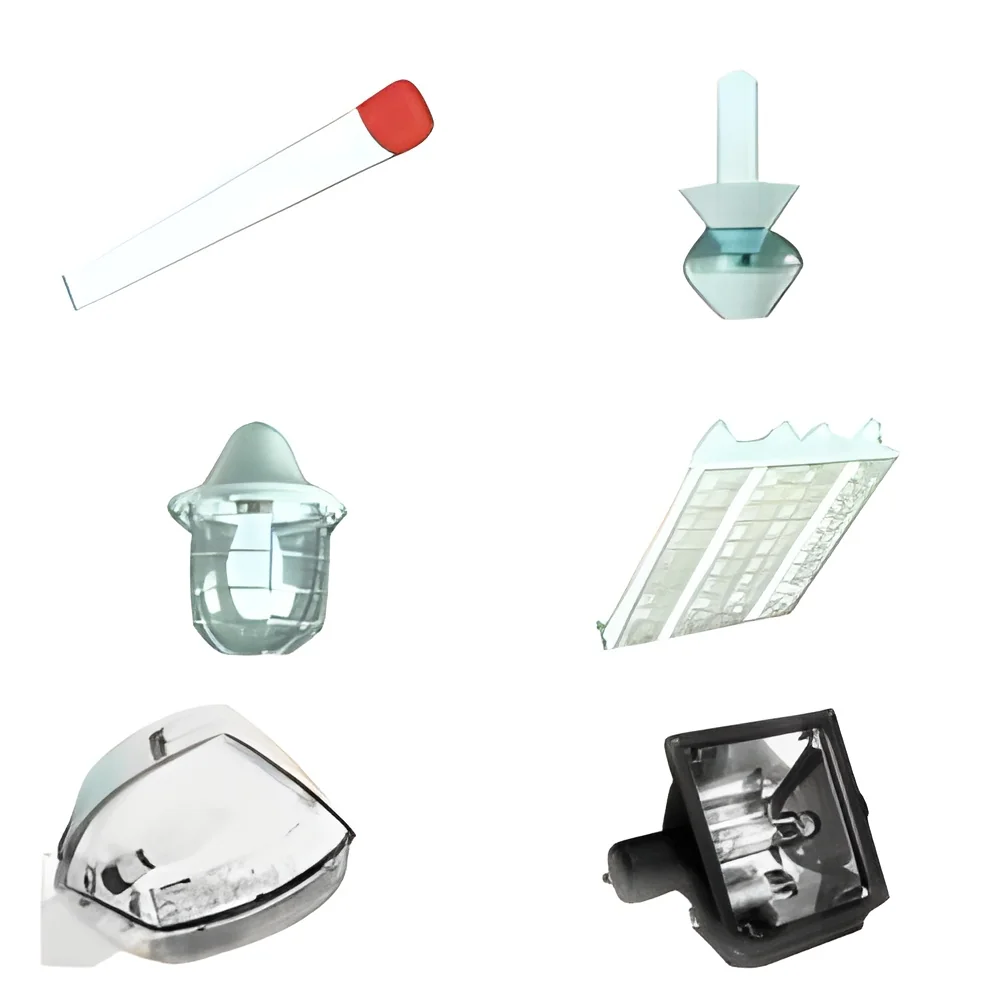
LED High Bay Lights: These fixtures are ideal for large spaces with high ceilings, such as warehouses and manufacturing facilities. They provide bright, energy-efficient lighting and are designed for longevity and minimal maintenance.
Fluorescent Tube Lights: Often used in offices and retail spaces, these lights offer a cost-effective solution for general illumination. They provide even light distribution, making them suitable for large areas.
LED Panel Lights: These fixtures are sleek and modern, suitable for office environments and commercial spaces. They offer uniform lighting and can be installed in ceilings for a clean look.
HID (High-Intensity Discharge) Lights: Commonly used in outdoor applications, these lights provide powerful illumination for parking lots and security areas. They are effective for large outdoor spaces requiring high brightness.
Benefits and Advantages
Investing in industrial lighting installation provides a range of benefits that can enhance overall business operations.
Key benefits include:
1. Improved Safety: Adequate lighting reduces the risk of accidents and injuries in the workplace, creating a safer environment for employees.
2. Enhanced Productivity: Well-lit spaces enable workers to perform tasks more efficiently, leading to increased output and better quality control.
3. Energy Savings: Modern lighting solutions, particularly LED options, consume significantly less energy, reducing operational costs.
4. Longer Lifespan: Industrial lighting fixtures, especially LEDs, offer extended lifespans, minimizing maintenance and replacement costs.
5. Customization: Many lighting solutions can be tailored to meet specific operational needs, from brightness levels to mounting options.
6. Compliance: Proper lighting installations help businesses meet regulatory and safety standards, ensuring a compliant workplace.
Buying Guide for B2B Buyers
When sourcing industrial lighting installation, it is crucial to consider several factors to ensure the right choice for your business.
1. Quality Assessment: Evaluate the materials and technology used in the lighting fixtures. Look for products with long warranties and positive reviews from other users to ensure reliability.
2. Supplier Verification: Conduct thorough research on potential suppliers. Verify their credentials, reputation, and experience in providing industrial lighting solutions.
3. Pricing and MOQ: Understand the pricing structure and minimum order quantities (MOQ) from suppliers. Ensure that costs align with your budget and operational needs.
4. Delivery and Lead Times: Discuss logistics with suppliers to ensure timely delivery of products. Understand their lead times and how they handle shipping and installation.
5. Compliance Requirements: Familiarize yourself with local regulations and standards applicable to industrial lighting. Ensure that the products meet necessary compliance and safety requirements.
Compliance and Certifications
Ensuring compliance with industry standards and certifications is essential for industrial lighting installations. Adherence to quality standards such as ISO 9001 ensures that products are manufactured consistently to meet customer expectations.
Industry certifications, like CE marking, indicate that the lighting solutions comply with European safety, health, and environmental protection standards. This certification is crucial for companies looking to operate in European markets.
Safety and testing requirements for industrial lighting include ensuring that products can withstand harsh conditions and meet electrical safety standards. Regular testing and quality assurance processes contribute to maintaining high product standards.
Additionally, regional compliance considerations may vary, depending on local regulations. It is essential to stay informed about any specific requirements that may apply to your industry or location.
Why Source Industrial Lighting Installation from Pepagora?
Pepagora offers a trusted platform for sourcing industrial lighting installations, providing several key advantages for B2B buyers.
Verified Supplier Network: Pepagora connects buyers with a network of verified suppliers. Each supplier undergoes a rigorous vetting process to ensure reliability and quality, giving buyers confidence in their choices.
Streamlined RFQ Process: The request for quotation (RFQ) process is designed to be straightforward and efficient. Buyers can easily request quotes from multiple suppliers, enabling informed decision-making based on competitive pricing and product offerings.
Trade Assurance and Support: Pepagora prioritizes buyer protection through trade assurance programs. This support includes assistance with order fulfillment and dispute resolution, ensuring a secure purchasing experience.
Regional Coverage: With a strong presence in India, the GCC, and Southeast Asia, Pepagora extends its reach to buyers across diverse geographic locations. This regional coverage facilitates access to local suppliers and tailored solutions to meet specific market demands.
Newly Added

Frequently Asked Questions
1
What is Industrial Lighting Installation?
Industrial Lighting Installation is a product offered by global suppliers on Pepagora.
2
How do I find suppliers for Industrial Lighting Installation?
Use Pepagora's search and filter options to find verified suppliers.
3
Can I request a quote for Industrial Lighting Installation?
Yes, use the RFQ feature to request quotes from multiple suppliers.
4
Is Industrial Lighting Installation available in multiple languages?
Pepagora supports multilingual catalogs for global buyers.
5
What trust signals are available for Industrial Lighting Installation?
Look for TruBadge, RFQ, and multilingual support on supplier profiles.
Why Businesses Trust Pepagora
Thousands of companies trust Pepagora to source smarter and sell faster
Expand Your Sales Globally
25000+Products listed.Get discovered by global buyers
Tools to boost visibility
Build your own catalog

Source Smarter,Grow Faster
4000+Active RFQs
100+ Countries served
Easy Sourcing Tools
