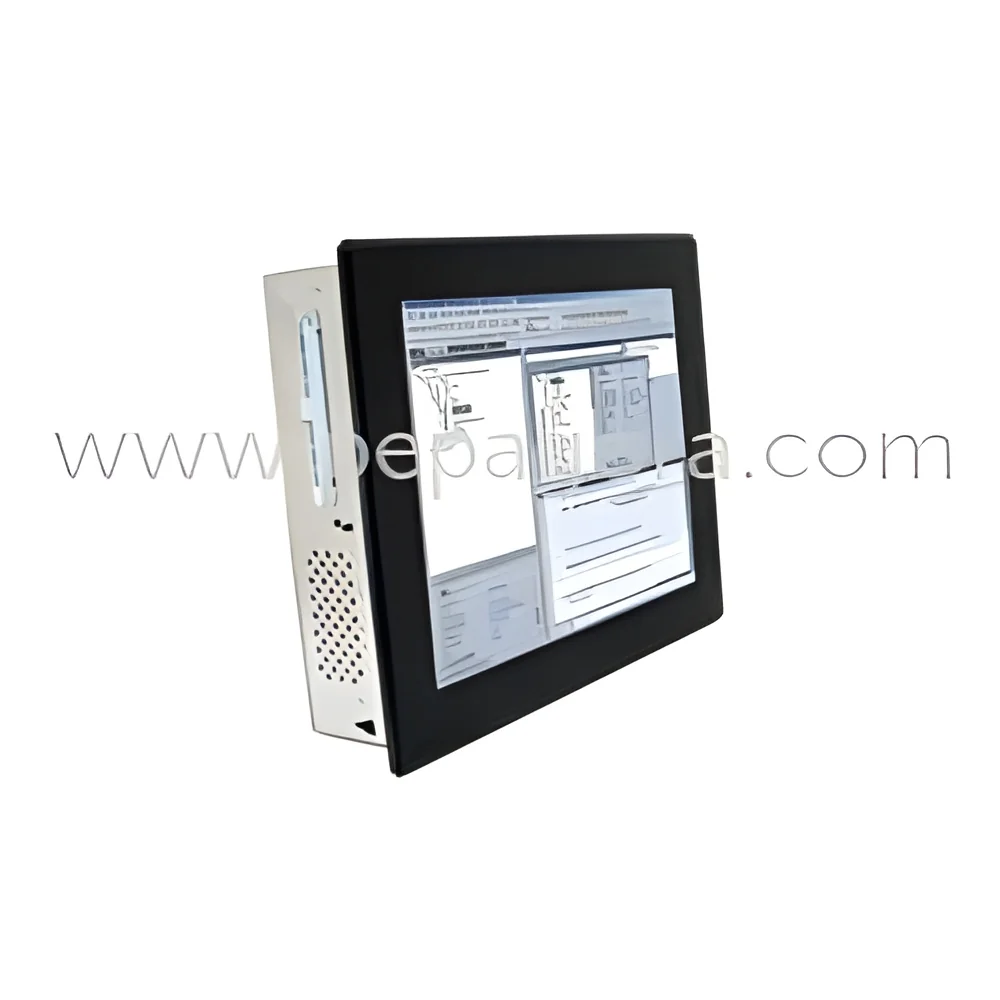
What are HMI Programming & Integration?
HMI Programming and Integration refers to the process of designing, implementing, and managing Human-Machine Interfaces (HMIs) that facilitate interaction between operators and machines in industrial settings. HMIs serve as the graphical interface that displays machine status, alerts, and operational data, allowing users to monitor and control processes in real-time. The programming aspect involves configuring these interfaces to meet specific operational needs, ensuring that users can easily interpret the information presented.
This technology is primarily used in sectors such as manufacturing, automation, and energy management. Businesses utilize HMI Programming and Integration to enhance operational efficiency, improve safety, and minimize downtime. By providing intuitive interfaces, HMIs enable operators to quickly respond to issues, optimize workflows, and keep production lines running smoothly. In a competitive market, the ability to leverage advanced HMI solutions can significantly influence a company’s productivity and responsiveness.
The relevance of HMI Programming and Integration has grown alongside the increasing complexity of industrial operations. As industries adopt smart technologies and IoT solutions, the demand for sophisticated HMIs that offer seamless integration with various systems has risen. This evolution highlights the importance of investing in robust HMI solutions to remain competitive in the fast-paced industrial landscape.
Key Features and Specifications
HMI Programming and Integration solutions come with a variety of features designed to enhance usability and functionality. These features ensure that operators have access to critical information and can interact effectively with machinery. Understanding the specifications helps businesses choose the right HMI solutions for their needs.
Key specifications include:
1. User Interface Design
- Customizable layouts
- Touchscreen capabilities
2. Communication Protocols
- Support for multiple communication standards (e.g., Ethernet/IP, Modbus)
- Compatibility with various devices
3. Data Logging and Monitoring
- Real-time data capture
- Historical data analysis
4. Alarm Management
- Configurable alerts
- Notification systems for critical events
5. Multi-language Support
- Interface options in various languages
- Enhanced usability for diverse workforces
6. Security Features
- User authentication protocols
- Encryption capabilities for data protection
7. Scalability
- Ability to expand with additional modules
- Integration with existing systems
8. Remote Access
- Capability for remote monitoring and control
- Support for mobile devices
In summary, HMI Programming and Integration solutions are equipped with essential features that cater to diverse industrial needs. Their specifications ensure a user-friendly experience while enhancing operational efficiency.
Common Applications and Use Cases
HMI Programming and Integration is applicable in various industries, providing tailored solutions to meet specific operational demands.
1. Manufacturing: HMIs are widely used in manufacturing environments to monitor production lines, control machinery, and ensure quality control through real-time data analysis.
2. Energy Management: In the energy sector, HMIs facilitate monitoring of power generation processes, distribution systems, and renewable energy sources, enhancing operational efficiency.
3. Food and Beverage: HMIs help manage production processes, maintain compliance with safety regulations, and track ingredient usage in food processing plants.
4. Pharmaceuticals: In the pharmaceutical industry, HMIs enable precise monitoring of manufacturing processes, ensuring adherence to strict quality standards and regulatory requirements.
5. Water Treatment: HMIs are utilized in water treatment facilities to monitor system performance, control chemical dosing, and ensure safe drinking water supply.
6. Automotive: In the automotive sector, HMIs assist in controlling assembly lines, monitoring equipment performance, and enhancing worker safety through real-time alerts.
7. Oil and Gas: HMIs are critical for monitoring drilling operations, pipeline integrity, and process control in oil and gas extraction and refining.
Product Variants and Subcategories
HMI Programming and Integration solutions vary widely to meet different operational needs. This diversity allows businesses to choose products that best fit their requirements.
Basic HMI Systems: These systems provide essential monitoring and control functions for small to medium-sized applications. They are user-friendly and cost-effective, making them ideal for straightforward operations.
Advanced HMI Systems: Designed for complex applications, these systems offer extensive customization options, advanced data analytics, and integration capabilities. They are suitable for large-scale operations requiring detailed monitoring and control.
Mobile HMI Solutions: These solutions enable operators to access HMI functionalities via mobile devices, allowing for remote monitoring and control. They enhance flexibility and response times in fast-paced environments.
Benefits and Advantages
Investing in HMI Programming and Integration offers numerous benefits to businesses looking to optimize their operations.
Key benefits include:
1. Enhanced Efficiency: HMIs streamline the monitoring and control processes, leading to increased productivity and reduced operational delays.
2. Improved Safety: By providing real-time alerts and monitor critical parameters, HMIs help minimize risks and enhance workplace safety for operators.
3. Customization: Businesses can tailor HMI interfaces to meet specific needs, ensuring that operators have the relevant information at their fingertips.
4. Data-Driven Decisions: With advanced data logging and monitoring, companies can analyze performance trends and make informed decisions for continuous improvement.
5. Cost Savings: Effective HMI solutions can lead to reduced downtime and maintenance costs, ultimately enhancing profitability.
6. Ease of Use: Intuitive interfaces make it easier for operators to understand and interact with complex machinery, reducing training time and errors.
Buying Guide for B2B Buyers
When sourcing HMI Programming and Integration solutions, B2B buyers should consider several key factors to ensure they select the most suitable products.
1. Quality Assessment: Evaluate products based on industry standards and user reviews. Ensure that the HMI solutions meet the necessary quality benchmarks for durability and performance.
2. Supplier Verification: Vet suppliers by checking their credentials, customer feedback, and track record in providing reliable products. This step is crucial to ensure that you are partnering with reputable companies.
3. Pricing and MOQ: Analyze pricing structures and minimum order quantities to align with your budget and operational needs. Consider long-term costs associated with maintenance and support.
4. Delivery and Lead Times: Confirm delivery schedules and lead times, as timely access to products can significantly affect operational efficiencies.
5. Compliance Requirements: Ensure that the HMI solutions comply with relevant industry regulations and standards, such as CE certifications, to avoid legal issues and ensure safety.
Compliance and Certifications
Compliance and certifications are critical aspects of HMI Programming and Integration solutions. These ensure that products are safe, reliable, and meet industry standards.
Relevant quality standards, such as ISO 9001, emphasize the importance of quality management systems in manufacturing. These standards help ensure consistent quality in HMI solutions.
Industry certifications, such as CE marking, indicate that products conform to European safety, health, and environmental protection standards. This certification is essential for companies operating in regulated markets.
Safety and testing requirements are also crucial for HMI solutions, ensuring they can withstand harsh operating environments and function reliably. Regular testing helps identify potential issues before they impact operations.
Finally, regional compliance considerations may vary. Companies should be aware of local regulations and standards in the markets they operate to ensure full compliance and avoid penalties.
Why Source HMI Programming & Integration from Pepagora?
Pepagora provides a trusted platform for sourcing HMI Programming and Integration solutions, offering several key advantages to B2B buyers.
Verified Supplier Network: Pepagora works with a network of verified suppliers, ensuring that all listed products meet high-quality standards. This verification process builds trust and confidence in the sourcing experience.
Streamlined RFQ Process: The platform simplifies the request for quotation process, allowing buyers to easily compare offers from multiple suppliers. This efficiency leads to better pricing and product selection.
Trade Assurance and Support: Pepagora offers buyer protection through trade assurance, providing peace of mind during transactions. Their dedicated support team is available to assist buyers throughout the sourcing process.
Regional Coverage: With a strong presence in India, the GCC, and Southeast Asia, Pepagora ensures that buyers have access to a wide range of HMI Programming and Integration solutions tailored to their regional needs. This geographic reach enhances the ability to serve diverse markets effectively.

 IN
IN