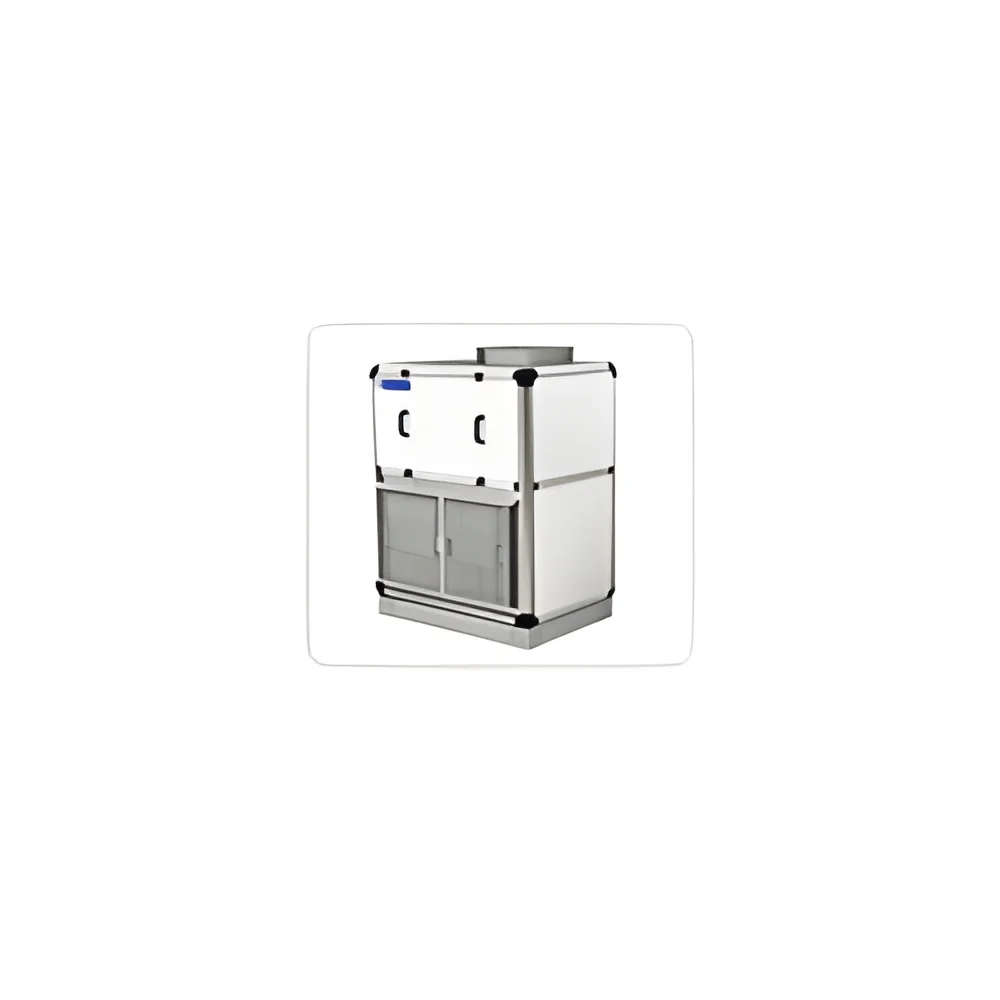
What are Air Handling Units (AHU) Installation?
Air Handling Units (AHU) Installation refers to the process of setting up equipment that is essential for air circulation, conditioning, and ventilation in various buildings. These units are designed to regulate and circulate air as part of the heating, ventilating, and air conditioning (HVAC) system. AHUs can be integrated with different components such as filters, fans, and heat exchangers to improve indoor air quality and comfort.
Primarily, AHUs are utilized in commercial and industrial settings, including office buildings, hospitals, and manufacturing facilities. Their main functions include heating, cooling, humidifying, and filtering air before it is distributed across the indoor environment. By ensuring optimal air quality and temperature, AHUs contribute significantly to energy efficiency and occupant comfort, making them a vital component in modern building management.
As the demand for energy-efficient solutions and improved indoor air quality grows, the AHU market has expanded significantly. Industries are increasingly adopting advanced technologies in AHU systems to meet regulatory standards and enhance operational efficiency. The relevance of AHUs continues to grow as businesses recognize the importance of air quality in maintaining a productive workspace.
๐๐ฒ๐ ๐๐ฒ๐ฎ๐๐๐ฟ๐ฒ๐ ๐ฎ๐ป๐ฑ ๐ฆ๐ฝ๐ฒ๐ฐ๐ถ๐ณ๐ถ๐ฐ๐ฎ๐๐ถ๐ผ๐ป๐
Air Handling Units come with a range of features and specifications that cater to various operational needs. Understanding these specifications is crucial for selecting the right unit for specific applications.
Key specifications include:
1. Airflow Capacity
- Measured in cubic feet per minute (CFM)
- Varies based on the size and design of the AHU
2. Energy Efficiency Ratio (EER)
- Indicates the efficiency of the unit
- Higher EER values denote better energy performance
3. Filters
- Types include HEPA, MERV, and electrostatic
- Essential for removing particulates and allergens from the air
4. Heating and Cooling Coils
- Used for temperature regulation
- Can be hydronic or electric based on the system design
5. Humidity Control
- Some models include humidifiers or dehumidifiers
- Essential for maintaining optimal moisture levels
6. Noise Levels
- Measured in decibels (dB)
- Important for applications requiring quiet operation
7. Control Systems
- May include digital controls for automation
- Allows for precise monitoring and adjustments
8. Dimensions and Weight
- Varies based on configuration and capacity
- Important for installation considerations
In summary, selecting the appropriate Air Handling Unit requires careful consideration of these specifications to meet the specific needs of any facility.
๐๐ผ๐บ๐บ๐ผ๐ป ๐๐ฝ๐ฝ๐น๐ถ๐ฐ๐ฎ๐๐ถ๐ผ๐ป๐ ๐ฎ๐ป๐ฑ ๐จ๐๐ฒ ๐๐ฎ๐๐ฒ๐
Air Handling Units are versatile and find applications across various sectors.
1. Commercial Buildings: AHUs are commonly used in offices to maintain comfortable indoor climates and ensure good air quality for employees.
2. Healthcare Facilities: Hospitals utilize AHUs to provide sterile environments, control airborne pathogens, and maintain patient comfort.
3. Manufacturing Plants: In these settings, AHUs help regulate temperature and humidity, which is crucial for product quality and employee safety.
4. Educational Institutions: Schools and universities rely on AHUs to create conducive learning environments by ensuring proper ventilation and air quality.
5. Retail Spaces: AHUs help create a pleasant shopping experience by controlling climate and air quality, which can influence customer behavior.
6. Data Centers: These facilities require precise climate control to protect sensitive equipment and ensure optimal performance.
7. Hospitality: Hotels and restaurants use AHUs to enhance guest comfort and maintain air hygiene standards.
๐ฃ๐ฟ๐ผ๐ฑ๐๐ฐ๐ ๐ฉ๐ฎ๐ฟ๐ถ๐ฎ๐ป๐๐ ๐ฎ๐ป๐ฑ ๐ฆ๐๐ฏ๐ฐ๐ฎ๐๐ฒ๐ด๐ผ๐ฟ๐ถ๐ฒ๐
Air Handling Units come in various configurations to suit different needs and environments.
Modular AHUs: These units can be customized and configured based on the specific requirements of a building. They offer flexibility in design and can be easily expanded as needs change.
Packaged AHUs: These are pre-assembled units that include all necessary components within a single package. They are typically easier to install and require less space.
Ducted AHUs: Designed for use with ductwork, these units distribute conditioned air throughout a building. They are ideal for larger spaces where centralized air distribution is necessary.
๐๐ฒ๐ป๐ฒ๐ณ๐ถ๐๐ ๐ฎ๐ป๐ฑ ๐๐ฑ๐๐ฎ๐ป๐๐ฎ๐ด๐ฒ๐
Air Handling Units offer several benefits that enhance operational efficiency and comfort.
1. Improved Air Quality: AHUs filter and purify indoor air, reducing pollutants and allergens, thus promoting a healthier environment.
2. Energy Efficiency: Advanced AHUs are designed for optimal energy use, leading to lower operational costs and reduced environmental impact.
3. Enhanced Comfort: By maintaining consistent temperature and humidity levels, AHUs improve occupant comfort in various settings.
4. Customization Options: Many AHUs can be tailored to specific requirements, allowing for flexibility in design and function.
5. Reduced Noise Levels: Modern AHUs are designed to operate quietly, making them suitable for noise-sensitive environments.
6. Compliance with Regulations: AHUs can be configured to meet local standards for air quality and energy efficiency, ensuring compliance with regulations.
๐๐๐๐ถ๐ป๐ด ๐๐๐ถ๐ฑ๐ฒ ๐ณ๐ผ๐ฟ ๐๐ฎ๐ ๐๐๐๐ฒ๐ฟ๐
When sourcing Air Handling Units (AHU) Installation, it is essential to consider several factors to ensure you make an informed decision.
1. Quality Assessment: Look for units that meet industry standards and have reliable certifications. Quality control measures should be in place to ensure consistent performance.
2. Supplier Verification: Vet potential suppliers by checking their track record, customer reviews, and industry reputation. A reliable supplier can provide ongoing support and maintenance.
3. Pricing and MOQ: Understand the pricing structure and minimum order quantities. Compare options from different suppliers to find the best value for your budget.
4. Delivery and Lead Times: Inquire about logistics and expected delivery times. Timely installation is crucial for project planning.
5. Compliance Requirements: Ensure that the AHU meets local regulatory requirements for safety, environmental standards, and energy efficiency.
๐๐ผ๐บ๐ฝ๐น๐ถ๐ฎ๐ป๐ฐ๐ฒ ๐ฎ๐ป๐ฑ ๐๐ฒ๐ฟ๐๐ถ๐ณ๐ถ๐ฐ๐ฎ๐๐ถ๐ผ๐ป๐
Air Handling Units are subject to various quality standards and certifications to ensure their reliability and performance.
ISO 9001 is a key quality management standard that many manufacturers adhere to, ensuring consistent product quality and customer satisfaction.
CE certification indicates that the AHU meets European safety, health, and environmental protection standards. This certification is vital for products sold within the European market.
Safety and testing requirements are critical in the manufacturing of AHUs, ensuring they operate safely under various conditions. Manufacturers should conduct rigorous testing to verify performance claims.
Regional compliance considerations can vary, so it's essential to understand local regulations that govern HVAC systems. This includes energy efficiency standards and environmental regulations that impact installation.
Why Source Air Handling Units (AHU) Installation from Pepagora?
Pepagora provides a trusted platform for sourcing Air Handling Units (AHU) Installation, offering several key advantages for B2B buyers.
Verified Supplier Network: Pepagora works with a network of verified suppliers who meet strict quality and performance standards. This ensures that buyers receive reliable products.
Streamlined RFQ Process: The platform simplifies the request for quotation process, allowing buyers to obtain competitive prices and tailored solutions quickly.
Trade Assurance and Support: Pepagora offers buyer protection through trade assurance measures, providing peace of mind during transactions.
Regional Coverage: With a strong presence in India, the GCC, and Southeast Asia, Pepagora facilitates access to a wide range of suppliers and products, ensuring that buyers can find the right AHU installation solutions for their needs.