What are Water Treatment Plant Installation?
Water treatment plant installation refers to the process of setting up facilities designed to purify and manage water for various uses. These installations typically involve a series of physical, chemical, and biological processes that ensure water quality meets regulatory standards. The primary goal is to remove contaminants and harmful substances, making water safe for consumption, industrial use, and environmental discharge.
These installations serve a multitude of sectors, including municipal, industrial, and agricultural applications. For municipalities, water treatment plants are essential for providing clean drinking water to residents. In industrial contexts, these facilities play a crucial role in ensuring operational efficiency by supplying high-quality water for production processes. Additionally, agricultural sectors rely on water treatment to ensure that irrigation systems are fed with clean water, enhancing crop yield and sustainability.
As global water scarcity issues mount and pollution levels rise, the relevance of water treatment plant installations continues to grow. Industries are increasingly looking for efficient solutions that comply with environmental regulations, thus driving demand for advanced water treatment technologies. The market is evolving, with a focus on sustainability and innovation, making these installations crucial for both economic and environmental health.
Key Features and Specifications
Water treatment plant installations come with a variety of features and specifications tailored to meet specific needs. These specifications are critical for ensuring operational efficiency and compliance with environmental regulations.
Key specifications include:
1. Treatment Capacity
- This specification refers to the volume of water that the plant can process within a set timeframe.
- Typical parameters range from small-scale plants treating 100,000 liters per day to large facilities handling millions of liters.
2. Technology Used
- This includes the specific methods employed, such as reverse osmosis, filtration, or chemical treatment.
- Parameters vary based on the technology, with some systems requiring specific energy inputs or pressure levels.
3. Modular Design
- Many installations are designed modularly, allowing for future expansion or customization.
- This feature enables scalability according to demand.
4. Automation Level
- The extent of automation in monitoring and controlling processes.
- Systems can range from manual setups to fully automated plants with real-time data analytics.
5. Energy Efficiency
- Specifications regarding the energy consumption of the plant.
- Energy-efficient designs can reduce operating costs significantly.
6. Maintenance Requirements
- Details about the maintenance frequency and complexity.
- Some systems require less frequent maintenance due to advanced designs.
7. Compliance Standards
- Specifications regarding adherence to local and international water quality standards.
- Compliance with ISO 9001 and CE certifications is often required.
8. Safety Features
- Incorporation of safety mechanisms to protect workers and the environment.
- Features may include emergency shut-off systems and monitoring alarms.
In summary, understanding these features and specifications is crucial for B2B buyers to ensure they select the right water treatment plant installation that meets their operational needs and regulatory requirements.
Common Applications and Use Cases
Water treatment plant installations are versatile and serve various industries effectively.
1. Municipal Water Supply: These plants are essential for providing clean drinking water to communities, treating raw water sources to remove impurities.
2. Industrial Manufacturing: Many industries utilize treated water for processes such as cooling, cleaning, and as a raw material, ensuring operational efficiency and compliance with environmental standards.
3. Agriculture: Water treatment systems are employed to ensure that irrigation water is free from pollutants, promoting healthy crop growth and sustainable farming practices.
4. Pharmaceutical: The pharmaceutical industry requires high-purity water for production processes, making water treatment plants vital for ensuring product safety and efficacy.
5. Food and Beverage: Companies in this sector rely on treated water for cooking, cleaning, and processing, adhering to strict quality standards to ensure food safety.
6. Oil and Gas: Water treatment is crucial in this industry to manage water used in extraction and refining processes, minimizing environmental impact.
7. Aquaculture: Water treatment plants support aquaculture by ensuring that water quality is maintained for fish health and growth.
8. Mining: In mining operations, water treatment is necessary to manage water used in extraction processes and to treat wastewater before disposal.
Product Variants and Subcategories
Water treatment plant installations can vary significantly based on technology and application.
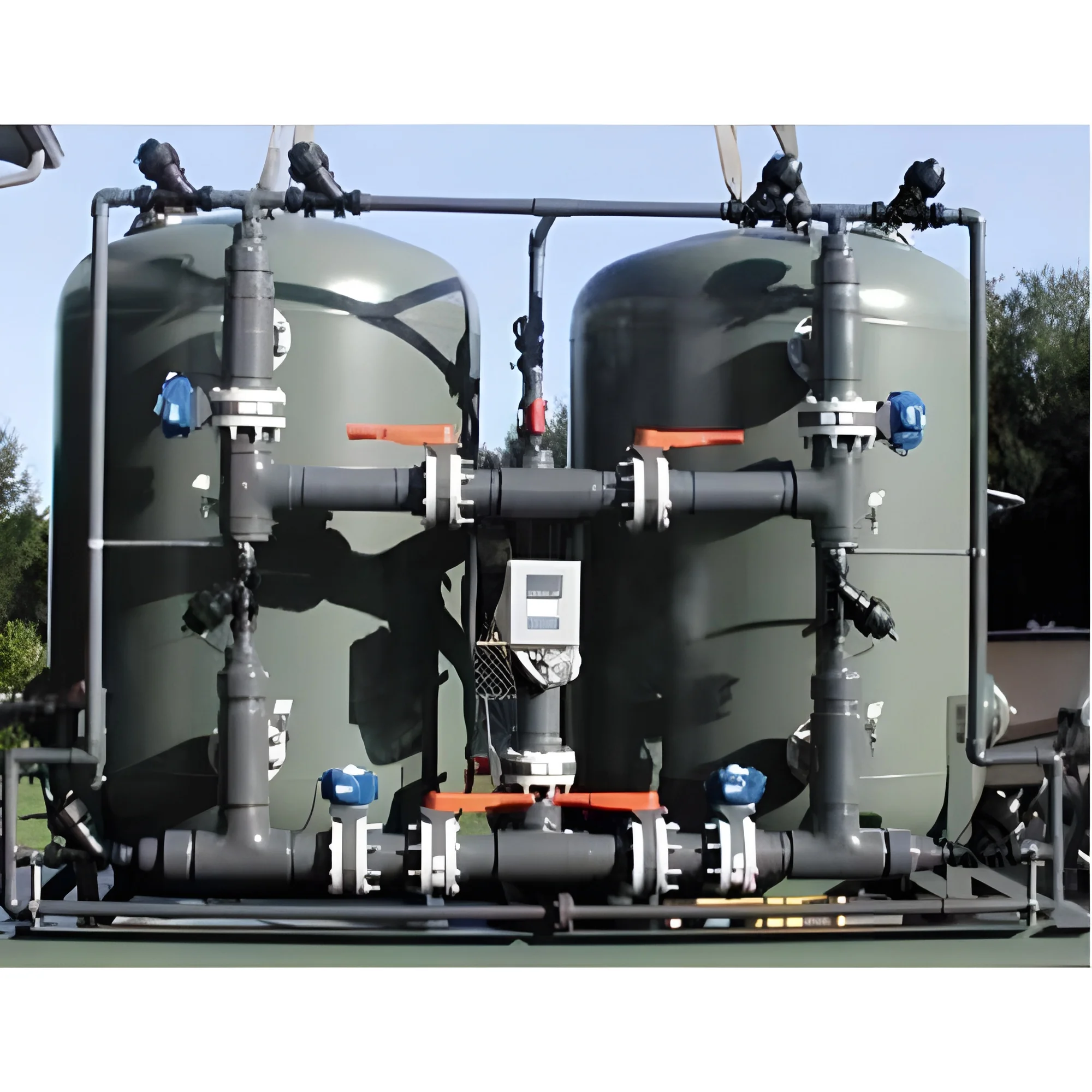
Containerized Water Treatment Systems
These systems are pre-fabricated and assembled in shipping containers, making them ideal for remote locations. They are designed for quick deployment and easy transport, featuring a wide range of treatment technologies.
Packaged Water Treatment Plants
These plants are compact and come pre-assembled, making them suitable for small to medium-scale operations. They offer a cost-effective solution for municipalities and industries needing immediate water treatment solutions.
Modular Water Treatment Systems
These systems are designed to be expandable, allowing businesses to increase capacity as their needs grow. They can be customized with various treatment technologies to meet specific requirements.
Mobile Water Treatment Units
These units provide a temporary solution for emergency situations or projects requiring water treatment on-site. Their mobility allows for quick setup and operation in various locations.
Benefits and Advantages
Investing in water treatment plant installations provides numerous benefits to businesses and communities.
1. Improved Water Quality: These installations ensure the removal of contaminants, providing safe and clean water for various applications.
2. Compliance with Regulations: By adhering to local and international standards, businesses can avoid fines and ensure safe practices.
3. Cost Savings: Efficient water treatment can reduce operational costs related to water usage and waste disposal.
4. Environmental Protection: Proper treatment helps protect local ecosystems by ensuring that wastewater is treated before being released back into the environment.
5. Enhanced Public Health: Access to clean water reduces the risk of waterborne diseases, promoting better health outcomes for communities.
6. Resource Sustainability: Water treatment helps in the sustainable management of water resources, ensuring availability for future generations.
Buying Guide for B2B Buyers
When sourcing water treatment plant installations, it is essential for buyers to consider several key factors.
1. Quality Assessment: Evaluate the quality of materials and technologies used in the installation. Look for certifications such as ISO 9001 to ensure adherence to industry standards.
2. Supplier Verification: Conduct thorough research on suppliers, checking their reputation, experience, and customer reviews. This helps ascertain reliability and capability.
3. Pricing and Minimum Order Quantity (MOQ): Understand the pricing structures and MOQ requirements. Compare quotes from different suppliers to ensure competitive pricing without compromising quality.
4. Delivery and Lead Times: Discuss logistics and timelines with suppliers. Timely delivery is crucial for project schedules, so ensure suppliers can meet your deadlines.
5. Compliance Requirements: Verify that the installation meets all regulatory and compliance standards applicable in your region. This includes environmental and safety regulations.
Compliance and Certifications
Water treatment plant installations must adhere to various compliance standards to ensure safety and effectiveness.
ISO 9001 is a quality management standard that outlines requirements for consistent product quality and customer satisfaction. Compliance with this standard indicates that the water treatment facility maintains high-quality processes.
CE certification is required for products sold in the European market, ensuring that the equipment meets safety, health, and environmental protection standards. This certification is critical for gaining market access and assuring customers of product safety.
Safety and testing requirements are paramount in the installation of water treatment plants. This includes ensuring that all systems are tested for efficiency and safety prior to operation, minimizing risks to both operators and the environment.
Regional compliance considerations vary by location and can include local environmental regulations, discharge limits, and health standards. Buyers should be aware of these factors to ensure their installations comply with local laws.
Why Source Water Treatment Plant Installation from Pepagora?
Pepagora provides a trusted platform for sourcing water treatment plant installations with several key advantages.
Verified Supplier Network: Pepagora has a robust network of verified suppliers, ensuring that buyers have access to reputable and qualified manufacturers. This verification process helps mitigate risks associated with sourcing.
Streamlined RFQ Process: The request for quotation (RFQ) process on Pepagora is designed to be efficient, allowing buyers to easily compare offerings from different suppliers in one centralized location.
Trade Assurance and Support: Pepagora offers trade assurance services that protect buyers' interests during transactions. This includes support in case of disputes and ensuring that products meet agreed-upon specifications.
Regional Coverage: With extensive reach across India, the Gulf Cooperation Council (GCC), and Southeast Asia, Pepagora connects buyers with local suppliers, facilitating easier logistics and communication. This regional focus helps meet diverse market needs effectively.

 IN
IN