𝗪𝗵𝗮𝘁 𝗮𝗿𝗲 𝗦𝗶𝗹𝗶𝗰𝗮 𝗣𝗼𝘄𝗱𝗲𝗿?
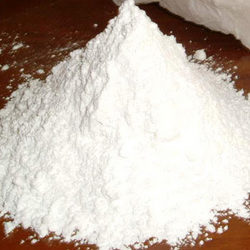
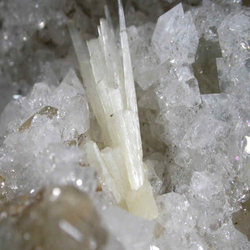
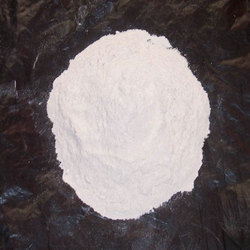
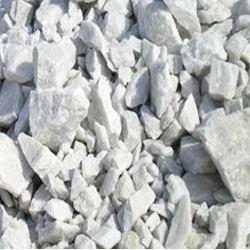
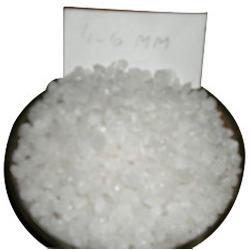
Silica powder, also known as silicon dioxide, is a naturally occurring mineral found in various forms, including quartz, sand, and glass. It is a fine, white powder that is used extensively in many industries due to its excellent properties such as high thermal stability, chemical inertness, and abrasive capabilities. Silica powder is produced through the grinding and milling of silica-rich minerals, leading to a product that can vary in particle size and purity.
The primary uses of silica powder span across diverse sectors such as construction, manufacturing, and pharmaceuticals. In construction, it is commonly used as a filler in concrete and mortars, enhancing strength and durability. In manufacturing, silica powder serves as a key ingredient in glass production, ceramics, and even in the formulation of paints and coatings. Its versatility makes it an essential material in various industrial applications, leading to a significant demand in the global market.
The relevance of silica powder in the industry cannot be overstated. As urbanization continues and industries expand, the need for high-quality silica powder is on the rise. The market for silica powder is influenced by growth in construction activities, the automotive sector, and advancements in technology that require specialized silica products. Companies are increasingly looking for reliable sources of silica powder to meet their production needs and ensure compliance with industry standards.
𝗞𝗲𝘆 𝗙𝗲𝗮𝘁𝘂𝗿𝗲𝘀 𝗮𝗻𝗱 𝗦𝗽𝗲𝗰𝗶𝗳𝗶𝗰𝗮𝘁𝗶𝗼𝗻𝘀
Silica powder is characterized by several key features that make it suitable for various applications. Its specifications can vary depending on the intended use and industry requirements.
Key specifications include:
1. Purity Level
- High purity silica powder typically exceeds 99% silicon dioxide.
- Lower purity grades may contain additional minerals and impurities.
2. Particle Size Distribution
- Silica powder can come in different particle sizes, ranging from fine to coarse.
- The particle size can affect the performance in applications such as concrete or coatings.
3. Specific Surface Area
- This refers to the total surface area of the silica powder per unit mass.
- A higher specific surface area is often desired for applications like catalysts or adsorbents.
4. Moisture Content
- The moisture level in silica powder should be minimal, ideally below 0.5%.
- High moisture content can affect storage and application performance.
5. Bulk Density
- Indicates how much mass of silica powder is contained in a given volume.
- A typical bulk density for silica powder ranges from 1.5 to 2.0 g/cm³.
6. Chemical Composition
- Main component is silicon dioxide, but may include trace minerals.
- Compliance with specific industry standards is crucial for consistent quality.
7. Color
- Generally appears as a white or off-white powder.
- Color can indicate purity and the presence of impurities.
8. Packaging Options
- Available in bulk bags, bags, or drums depending on order size and customer preferences.
- Proper packaging is essential for maintaining product integrity during transportation.
In summary, the specifications of silica powder can significantly impact its performance in various applications. Understanding these features is essential for businesses when selecting the right product for their needs.
𝗖𝗼𝗺𝗺𝗼𝗻 𝗔𝗽𝗽𝗹𝗶𝗰𝗮𝘁𝗶𝗼𝗻𝘀 𝗮𝗻𝗱 𝗨𝘀𝗲 𝗖𝗮𝘀𝗲𝘀
Silica powder plays a crucial role in multiple industries due to its unique properties.
1. Construction: In the construction industry, silica powder is used as a key component in cement and concrete formulations. Its addition improves the strength and durability of the final products.
2. Glass Manufacturing: Silica powder is a primary ingredient in glass production. It contributes to the clarity and strength of the glass while also impacting its melting properties.
3. Paints and Coatings: In the paints and coatings sector, silica powder acts as a filler and thickening agent. It enhances the texture and durability of coatings.
4. Electronics: Silica powder is utilized in the electronics industry for its insulating properties. It is used in the manufacturing of circuit boards and semiconductors.
5. Pharmaceuticals: In the pharmaceutical sector, silica powder is often used as an excipient in drug formulations. It helps improve flow properties and stability.
6. Agriculture: Silica powder is applied in agricultural products as a soil amendment. It aids in improving soil quality and plant growth.
7. Food Industry: In the food processing industry, silica powder acts as an anti-caking agent in powdered foods, ensuring smooth flow and preventing clumping.
𝗣𝗿𝗼𝗱𝘂𝗰𝘁 𝗩𝗮𝗿𝗶𝗮𝗻𝘁𝘀 𝗮𝗻𝗱 𝗦𝘂𝗯𝗰𝗮𝘁𝗲𝗴𝗼𝗿𝗶𝗲𝘀
Silica powder is available in various forms to cater to different industry needs. While specific subcategories are not available, notable variants include:
Fine Silica Powder
This variant is characterized by its small particle size, making it suitable for applications that require a smooth finish, such as coatings and cosmetics. Fine silica powder enhances texture and improves product performance.
Coarse Silica Powder
Coarse silica powder is used primarily in construction and heavy-duty applications. Its larger particle size provides added strength and durability in concrete mixes, making it ideal for construction projects.
Specialty Silica Powder
This includes silica powders that are treated or designed for specific applications. Specialty grades may have unique properties such as enhanced reactivity or surface treatment, making them suitable for advanced industrial uses.
𝗕𝗲𝗻𝗲𝗳𝗶𝘁𝘀 𝗮𝗻𝗱 𝗔𝗱𝘃𝗮𝗻𝘁𝗮𝗴𝗲𝘀
Silica powder offers numerous advantages that make it a preferred choice for many industries.
Key benefits include:
1. Versatility: Silica powder can be used across multiple applications, from construction to electronics, making it a valuable material for various sectors.
2. Enhanced Strength: In construction applications, silica powder improves the strength and longevity of concrete and other building materials.
3. Cost-Effectiveness: Silica powder is generally affordable and readily available, making it an economical choice for manufacturers.
4. Chemical Inertness: Its inert nature ensures that silica powder does not react with other materials, maintaining product integrity and safety.
5. Improved Flow Properties: In pharmaceuticals and food industries, silica powder enhances the flow characteristics of powders, making processing easier and more efficient.
6. Environmentally Friendly: Silica is a naturally occurring mineral, making it a sustainable choice for companies looking to reduce their environmental impact.
𝗕𝘂𝘆𝗶𝗻𝗴 𝗚𝘂𝗶𝗱𝗲 𝗳𝗼𝗿 𝗕𝟮𝗕 𝗕𝘂𝘆𝗲𝗿𝘀
When sourcing silica powder, businesses should consider several critical factors to ensure they select the right product for their needs.
1. Quality Assessment: It is essential to evaluate the purity and specifications of silica powder. Buyers should request product data sheets and conduct tests to ensure compliance with their requirements.
2. Supplier Verification: Vetting suppliers is crucial. Buyers should seek manufacturers with a proven track record and positive reviews to ensure they receive high-quality products.
3. Pricing and MOQ: Understanding pricing models and minimum order quantities (MOQ) can help buyers plan their budgets effectively and ensure they meet production needs without excess inventory.
4. Delivery and Lead Times: Consideration should be given to logistics, including delivery schedules and lead times. Suppliers should provide clear timelines to avoid disruptions in production.
5. Compliance Requirements: Buyers must ensure that the silica powder meets relevant regulatory standards for their industry. This may involve certifications and compliance with safety regulations.
𝗖𝗼𝗺𝗽𝗹𝗶𝗮𝗻𝗰𝗲 𝗮𝗻𝗱 𝗖𝗲𝗿𝘁𝗶𝗳𝗶𝗰𝗮𝘁𝗶𝗼𝗻𝘀
Silica powder is subject to various compliance and certification standards to ensure quality and safety in its applications.
Relevant quality standards, such as ISO 9001, focus on maintaining consistent quality management systems in production processes. This certification assures buyers that the product meets international standards for quality.
Industry certifications, such as CE marking, indicate that the silica powder complies with European health, safety, and environmental protection standards. This is vital for suppliers looking to enter markets with strict regulatory requirements.
Safety and testing requirements are paramount for silica powder, especially in industries like pharmaceuticals and food. Regular testing for contaminants and compliance with safety regulations ensures that products are safe for use.
Regional compliance considerations may also play a role, as different jurisdictions have specific regulations governing the use of silica powder in industrial applications. Businesses must be aware of these regional standards to ensure compliance.
𝗪𝗵𝘆 𝗦𝗼𝘂𝗿𝗰𝗲 𝗦𝗶𝗹𝗶𝗰𝗮 𝗣𝗼𝘄𝗱𝗲𝗿 𝗳𝗿𝗼𝗺 𝗣𝗲𝗽𝗮𝗴𝗼𝗿𝗮?
Pepagora provides a trusted platform for sourcing silica powder, offering several key advantages for B2B buyers.
Verified Supplier Network: Pepagora has established a rigorous vetting process for suppliers, ensuring that only qualified manufacturers are listed. This builds confidence in the sourcing process and assures product quality.
Streamlined RFQ Process: The Request for Quotation (RFQ) system simplifies the procurement process. Buyers can easily reach out to multiple suppliers, compare prices, and receive timely responses, making sourcing more efficient.
Trade Assurance and Support: Pepagora offers buyer protection through trade assurance policies. This support helps mitigate risks associated with procurement, providing peace of mind for those sourcing materials.
Regional Coverage: With a strong presence in India, the GCC, and Southeast Asia, Pepagora ensures broad geographic reach. This allows businesses to access a diverse range of silica powder suppliers that meet their specific needs.

 IN
IN
 India
India