
 IN
Secondary Raw Materials for Industry
33 products available
What are Secondary Raw Materials for Industry?
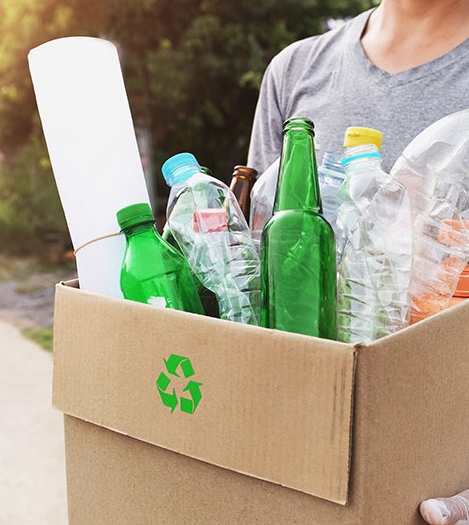
Secondary raw materials are materials that have been recovered and processed from waste or by-products of manufacturing processes. These materials are repurposed for use in new products, thereby promoting sustainability by reducing the need for virgin resources. Secondary raw materials can include metals, plastics, paper, and other materials that would otherwise contribute to landfill waste.
These materials are primarily used in various industries such as construction, manufacturing, and packaging. By utilizing secondary raw materials, businesses can lower production costs, enhance resource efficiency, and reduce their environmental footprint. The market for secondary raw materials is gaining traction as industries seek to adopt more sustainable practices and comply with increasingly stringent environmental regulations.
The relevance of secondary raw materials in the current industry landscape cannot be overstated. As global awareness of environmental issues rises, businesses are under pressure to adopt circular economy principles. This shift is leading to increased demand for secondary raw materials, fostering innovation and new business models. Companies that embrace the use of these materials often find themselves at a competitive advantage in terms of cost and sustainability.
Key Features and Specifications
Secondary raw materials come with a variety of specifications that make them suitable for different industrial applications. Understanding these specifications is crucial for businesses looking to integrate these materials into their production processes.
Key specifications include:
1. Material Composition
- The specific types of materials that comprise the secondary raw material.
- Typical compositions may include various percentages of recycled content, such as metals or plastics.
2. Purity Levels
- The degree to which the secondary raw materials are free from contaminants.
- Purity levels can range from 90% to 99%, depending on the material and processing methods.
3. Processing Method
- The techniques used to recover and process the materials.
- Common methods include mechanical recycling, chemical recycling, and thermal treatment.
4. Physical Properties
- Characteristics such as density, viscosity, and particle size.
- These properties can affect the usability of the materials in different applications.
5. Availability
- The supply stability and volume of the secondary raw materials.
- Availability may vary based on regional recycling capabilities and demand.
6. Compliance Standards
- Adherence to relevant industry standards and regulations.
- Ensures that materials meet safety and performance criteria.
In summary, understanding the key features and specifications of secondary raw materials is essential for industries aiming to utilize them effectively and sustainably.
Common Applications and Use Cases
Secondary raw materials are utilized across a wide range of industries, each with specific applications that leverage the benefits of recycling and sustainability.
1. Construction: Secondary raw materials such as recycled concrete and metals are used in building projects, reducing waste and lowering costs.
2. Manufacturing: Manufacturers often incorporate recycled plastics and metals into their products, enhancing sustainability while maintaining quality.
3. Packaging: Recycled paper and cardboard are widely used in packaging solutions, providing an eco-friendly alternative to virgin materials.
4. Automotive: The automotive industry uses recycled components, such as metals and plastics, in vehicle production to minimize environmental impact.
5. Electronics: Recycled materials are increasingly used in electronic devices, promoting resource conservation and reducing e-waste.
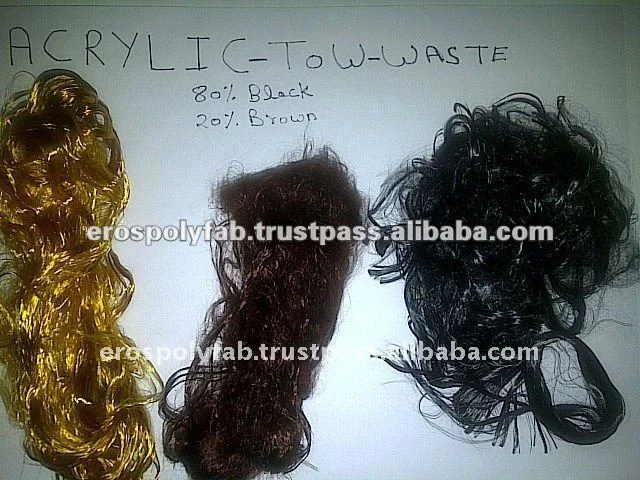
6. Textiles: The textile industry is utilizing recycled fibers in clothing production, contributing to sustainable fashion practices.
7. Energy: Secondary raw materials are also employed in energy production, such as using biomass for renewable energy sources.
Product Variants and Subcategories
Secondary raw materials can vary significantly based on their source and processing methods. This diversity allows businesses to find suitable options for their specific needs.
Recycled Metals
Recycled metals, including aluminum, copper, and steel, are commonly used in various industries. These materials often meet or exceed the quality of virgin metals while providing cost savings and environmental benefits.
Recycled Plastics
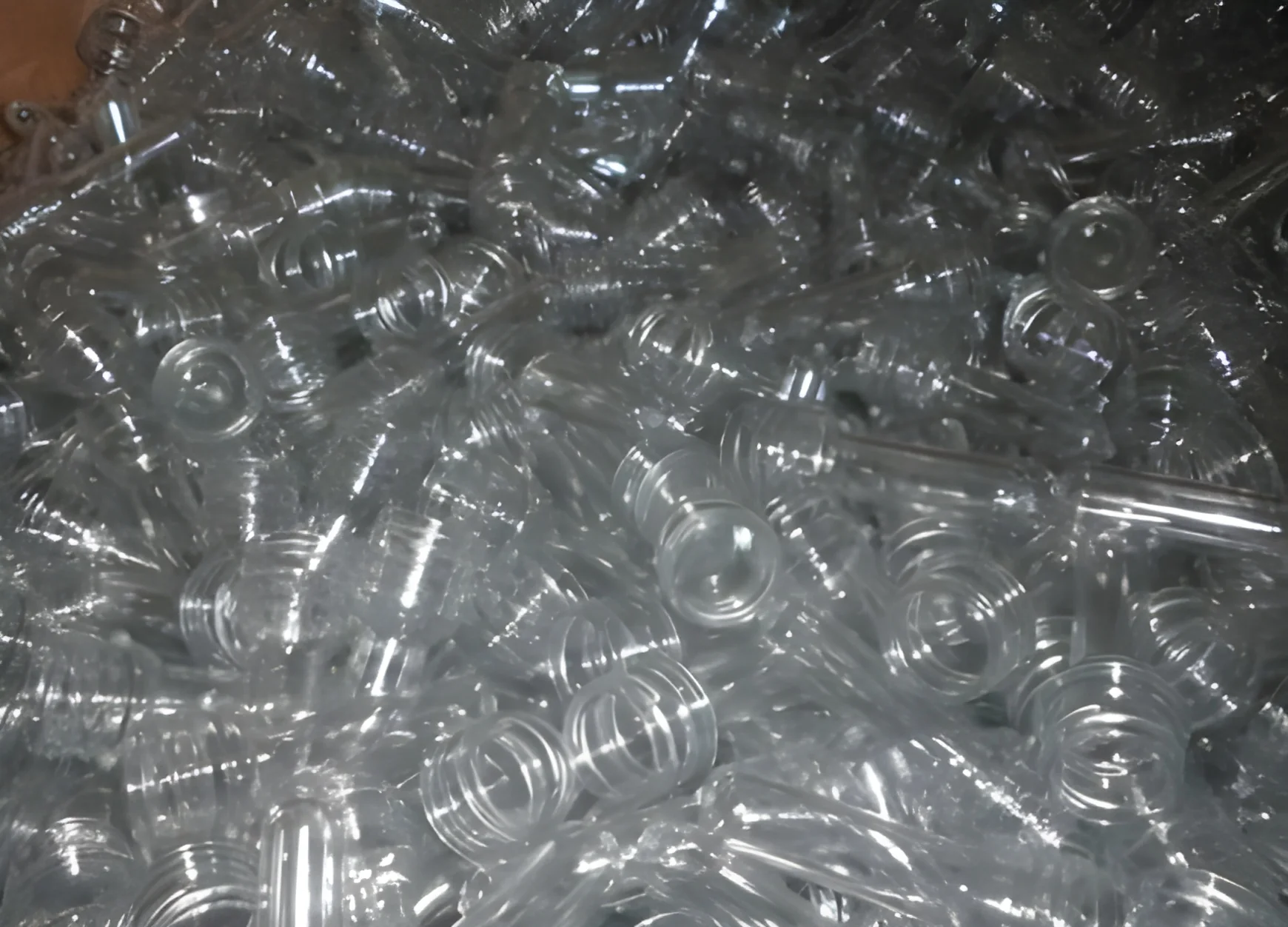
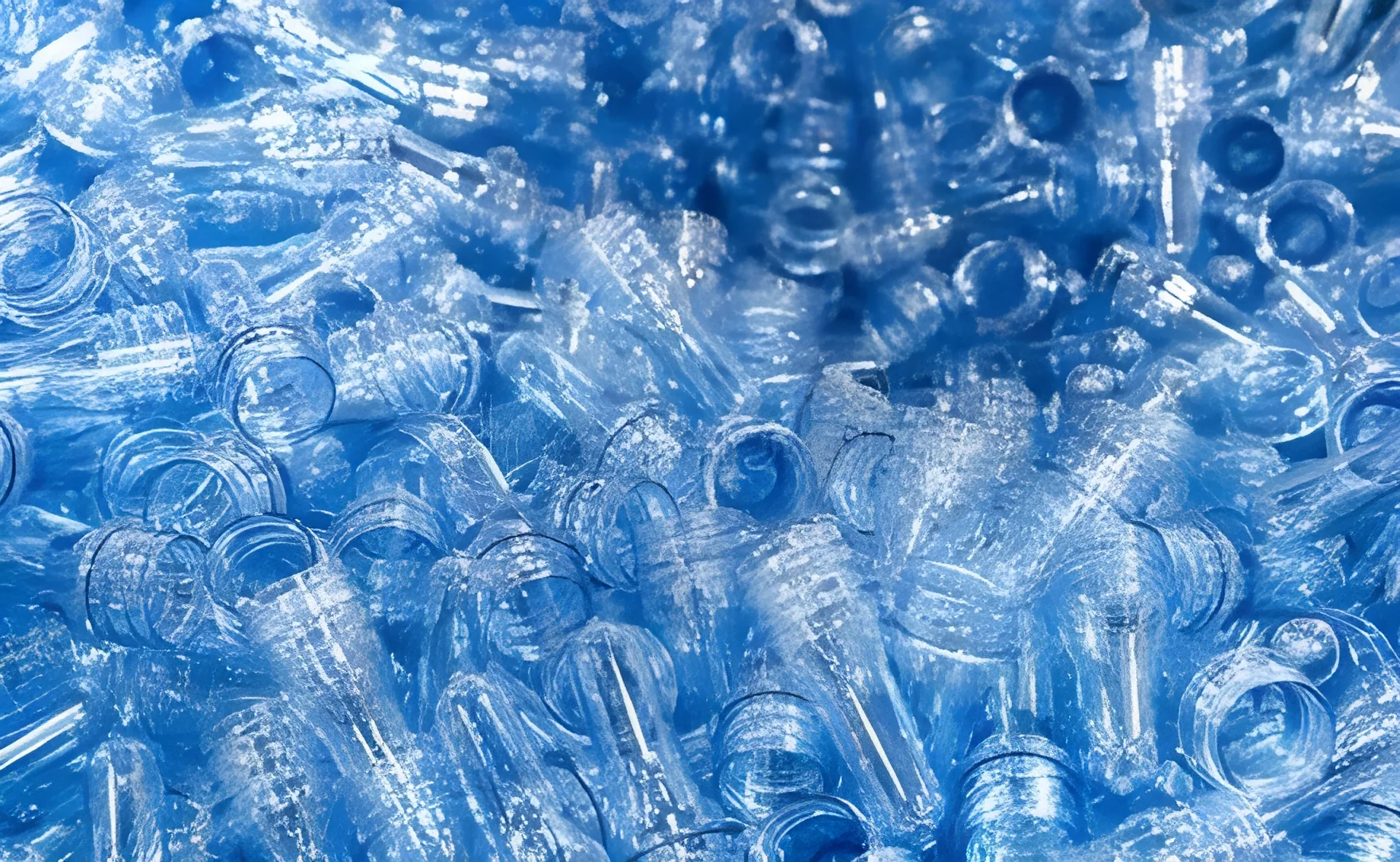
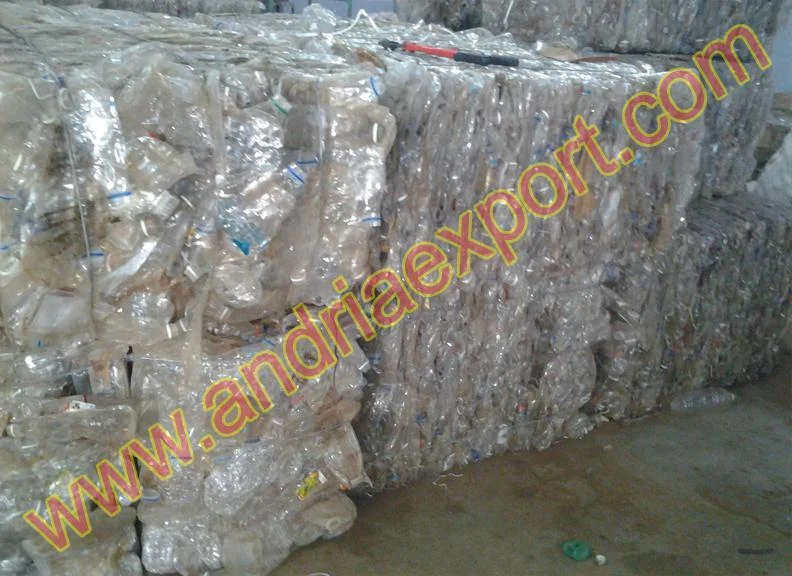
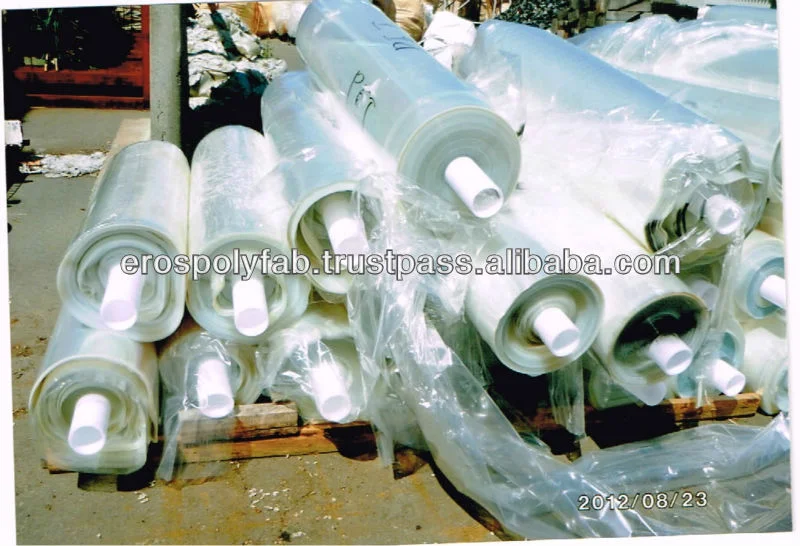
Recycled plastics are derived from post-consumer waste and can be used in a variety of products, from packaging to automotive components. These materials help reduce plastic waste and promote circularity in the economy.
Recycled Paper
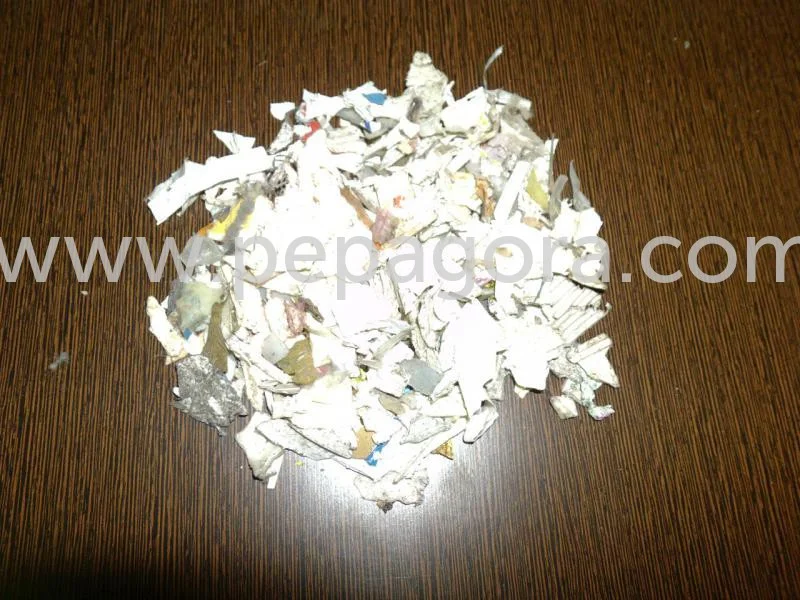
Recycled paper products are made from post-consumer paper waste and are widely used in packaging, printing, and stationery. They offer quality comparable to virgin paper and contribute to deforestation reduction.
Benefits and Advantages
Utilizing secondary raw materials offers numerous advantages for businesses looking to enhance their sustainability efforts.
Key benefits include:
1. Cost Savings: By using recycled materials, businesses can often reduce material costs compared to purchasing new raw materials.
2. Environmental Impact: Sourcing secondary raw materials helps reduce landfill waste and conserves natural resources, contributing to a healthier planet.
3. Regulatory Compliance: Utilizing recycled materials can assist companies in meeting environmental regulations and sustainability goals.
4. Resource Efficiency: Secondary raw materials promote the efficient use of existing resources, reducing the need for new raw material extraction.
5. Enhanced Brand Image: Companies that prioritize sustainability can improve their brand reputation, attracting environmentally conscious consumers and partners.
6. Innovation Opportunities: The use of secondary raw materials can drive innovation in product development and manufacturing processes.
Buying Guide for B2B Buyers
When sourcing secondary raw materials for industry, there are several important factors to consider to ensure a successful procurement process.
1. Quality Assessment: It is essential to evaluate the quality of secondary raw materials. Look for supplier certifications and testing reports to ensure compliance with industry standards.
2. Supplier Verification: Vetting suppliers is crucial to ensure reliability and product quality. Investigate supplier backgrounds, customer reviews, and production capabilities.
3. Pricing and MOQ: Understand the pricing structures and minimum order quantities (MOQ) set by suppliers. This will help in budgeting and planning procurement.
4. Delivery and Lead Times: Assess the logistics of delivery and the lead times associated with orders. Timely delivery is essential for maintaining production schedules.
5. Compliance Requirements: Be aware of any regulatory compliance needs specific to your industry. This includes understanding safety standards and environmental regulations.
Compliance and Certifications
Compliance with industry standards is critical for secondary raw materials to ensure safety and quality. Relevant quality standards include ISO 9001, which focuses on quality management systems, and HACCP, which addresses food safety.
Certification such as CE indicates that products meet European safety, health, and environmental protection standards. Companies must also consider safety and testing requirements that pertain to their specific applications.
Regional compliance is another factor. Different regions may impose various regulations on the sourcing and use of secondary raw materials, making it essential to stay informed about local laws and standards.
Why Source Secondary Raw Materials for Industry from Pepagora?
Pepagora provides a trusted platform for sourcing secondary raw materials for industry, offering several key advantages for B2B buyers.
Verified Supplier Network: Pepagora has a comprehensive network of verified suppliers, ensuring that businesses can source high-quality secondary raw materials with confidence. Each supplier is vetted to guarantee reliability and product quality.
Streamlined RFQ Process: The platform facilitates a streamlined request for quotation (RFQ) process, making it easy for buyers to obtain competitive pricing and terms from multiple suppliers.
Trade Assurance and Support: Pepagora offers trade assurance, providing buyer protection throughout the procurement process. This support fosters trust and encourages long-term partnerships.
Regional Coverage: With a strong presence in India, the GCC, and Southeast Asia, Pepagora offers extensive regional coverage, enabling businesses to access a wide range of secondary raw materials tailored to their specific needs.

 India
 India
 India

 India
 India
 India

 India
 India


 India

 India




 India
 India
 India


 India
Frequently Asked Questions
What are Secondary Raw Materials for Industry?
Secondary raw materials for industry refer to materials that have already been processed or used and are recycled for reuse in manufacturing. These materials include metals, plastics, glass, and paper products that can be reprocessed to create new products, reducing the need for virgin raw materials.
What are the different types of Secondary Raw Materials for Industry?
The different types of secondary raw materials include metals (such as aluminum and steel), plastics (like PET and HDPE), paper products, glass, and textiles. Each type has specific recycling processes and applications in various industries, contributing to sustainability efforts.
How do I choose the right Secondary Raw Materials for Industry?
Choosing the right secondary raw materials involves assessing the specific needs of your manufacturing process, including material properties, compatibility, and end-use requirements. It is also important to consider factors such as availability, quality, and cost-effectiveness.
What are the standard specifications for Secondary Raw Materials for Industry?
Standard specifications for secondary raw materials vary by material type but often include criteria such as purity levels, physical properties, and compliance with industry standards. It is crucial to refer to relevant guidelines provided by organizations like the Bureau of Indian Standards (BIS) for specific materials.
What is the price range for Secondary Raw Materials for Industry?
The price range for secondary raw materials can vary widely depending on the type, quality, and market demand. Generally, prices are influenced by factors such as processing costs, availability, and fluctuations in the global market for raw materials.
What quality standards apply to Secondary Raw Materials for Industry?
Quality standards for secondary raw materials include adherence to specifications set by regulatory bodies and industry standards. Materials should be tested for contaminants, physical properties, and performance to ensure they meet the requirements of the intended applications.
Where can I find Secondary Raw Materials for Industry suppliers in India?
You can find suppliers of secondary raw materials for industry in India through online B2B marketplaces, industry trade shows, and local directories. Websites like Pepagora provide listings of verified suppliers and manufacturers specializing in these materials.
Can Secondary Raw Materials for Industry be customized?
Yes, secondary raw materials can often be customized to meet specific requirements of manufacturers. This may include processing methods, blends of materials, or specific forms and sizes to suit particular applications.
What is the typical minimum order quantity for Secondary Raw Materials for Industry?
The typical minimum order quantity (MOQ) for secondary raw materials varies by supplier and the type of material. It is advisable to check with individual suppliers for their specific MOQ policies, as they can differ significantly.
What is the typical lead time for Secondary Raw Materials for Industry?
The typical lead time for secondary raw materials can range from a few days to several weeks, depending on factors such as supplier location, material availability, and order size. It is important to discuss lead times with suppliers when placing orders.
Why Businesses Trust Pepagora
Thousands of companies trust Pepagora to source smarter and sell faster
Expand Your Sales Globally

Source Smarter,Grow Faster
