𝗪𝗵𝗮𝘁 𝗮𝗿𝗲 𝗥𝘂𝘀𝘁 𝗣𝗿𝗲𝘃𝗲𝗻𝘁𝗶𝘃𝗲 𝗢𝗶𝗹𝘀?
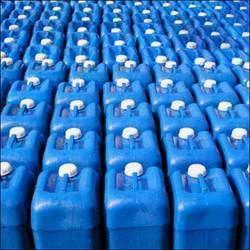
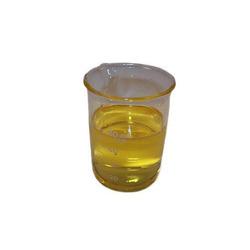
Rust Preventive Oils are specialized lubricants designed to prevent corrosion and rust on metal surfaces. These oils create a protective barrier that inhibits moisture and contaminants from coming into contact with the metal. By doing so, they play a crucial role in extending the lifespan of machinery, tools, and metal components.
The primary uses of Rust Preventive Oils include protecting equipment in manufacturing, automotive, and construction industries. Businesses often apply these oils during storage and transportation to ensure that metal parts remain in optimal condition. Additionally, they are used in maintenance routines to safeguard machinery from environmental factors that contribute to rust formation.
In the current market, the demand for Rust Preventive Oils is growing as industries seek to minimize equipment failure and maintenance costs. With an increasing focus on sustainability, businesses are also looking for eco-friendly options that do not compromise on performance. As a result, Rust Preventive Oils are becoming an essential part of preventive maintenance programs across various sectors.
𝗞𝗲𝘆 𝗙𝗲𝗮𝘁𝘂𝗿𝗲𝘀 𝗮𝗻𝗱 𝗦𝗽𝗲𝗰𝗶𝗳𝗶𝗰𝗮𝘁𝗶𝗼𝗻𝘀
Rust Preventive Oils come with a variety of features and specifications tailored to meet different industrial needs. These specifications determine their effectiveness in preventing rust and corrosion under various conditions.
Key specifications include:
1. Viscosity
- Indicates the thickness of the oil.
- Typically measured in centistokes (cSt) at 40°C.
2. Flash Point
- The temperature at which the oil can emit vapors that ignite.
- Measured in degrees Celsius (°C).
3. Corrosion Resistance
- Ability to inhibit rust formation on metal surfaces.
- Evaluated through standardized testing methods.
4. Application Method
- Describes how the oil can be applied (spray, dip, brush).
- Affects ease of use and coverage.
5. Film Thickness
- The thickness of the oil layer after application.
- Crucial for long-lasting protection.
6. Shelf Life
- The duration the product remains effective when stored properly.
- Important for inventory management.
7. Environmental Impact
- Compliance with eco-friendly standards.
- Relevant for companies focusing on sustainable practices.
In summary, understanding these key features and specifications helps businesses select the right Rust Preventive Oils for their specific applications.
𝗖𝗼𝗺𝗺𝗼𝗻 𝗔𝗽𝗽𝗹𝗶𝗰𝗮𝘁𝗶𝗼𝗻𝘀 𝗮𝗻𝗱 𝗨𝘀𝗲 𝗖𝗮𝘀𝗲𝘀
Rust Preventive Oils find applications across a wide range of industries, each with unique requirements and challenges.
1. Automotive Industry: Rust Preventive Oils are used to protect vehicle components during assembly and storage, preventing rust formation that can lead to costly repairs.
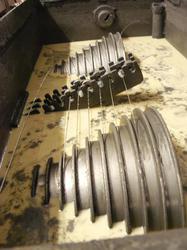
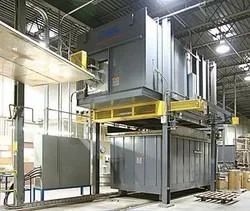
2. Manufacturing: In manufacturing plants, these oils safeguard machinery and tools from moisture and contaminants, ensuring smooth operations and reducing downtime.
3. Construction: Rust Preventive Oils are applied to steel structures and equipment to protect against corrosion, especially in outdoor environments.
4. Marine: Used in ships and offshore equipment, these oils help prevent rust due to saltwater exposure.
5. Aerospace: Rust Preventive Oils protect aircraft components from corrosion, thereby enhancing safety and performance.
6. Agricultural Equipment: These oils are vital for protecting farming machinery from rust caused by exposure to moisture and soil.
7. Oil and Gas: Rust Preventive Oils are essential for the maintenance of drilling equipment and pipelines, ensuring reliable performance in harsh environments.
𝗣𝗿𝗼𝗱𝘂𝗰𝘁 𝗩𝗮𝗿𝗶𝗮𝗻𝘁𝘀 𝗮𝗻𝗱 𝗦𝘂𝗯𝗰𝗮𝘁𝗲𝗴𝗼𝗿𝗶𝗲𝘀
Rust Preventive Oils are available in various formulations to cater to different industrial needs.
General Purpose Rust Preventive Oil: This variant is suitable for a wide range of applications, offering robust protection against rust and corrosion. It is versatile and can be used in automotive, manufacturing, and construction sectors.
Heavy-Duty Rust Preventive Oil: Designed for extreme conditions, this variant provides enhanced protection against heavy moisture and high humidity environments. It is ideal for use in marine and oil and gas industries.
Eco-Friendly Rust Preventive Oil: This environmentally conscious option meets sustainability standards while still providing effective rust protection. It is suitable for businesses focused on reducing their ecological footprint.
𝗕𝗲𝗻𝗲𝗳𝗶𝘁𝘀 𝗮𝗻𝗱 𝗔𝗱𝘃𝗮𝗻𝘁𝗮𝗴𝗲𝘀
Choosing Rust Preventive Oils offers numerous advantages for businesses looking to protect their metal assets.
1. Enhanced Longevity: Rust Preventive Oils significantly extend the lifespan of metal components by preventing corrosion and rust.
2. Reduced Maintenance Costs: By minimizing rust formation, these oils decrease the frequency and cost of maintenance and repairs.
3. Improved Equipment Reliability: Regular use of Rust Preventive Oils ensures that machinery operates smoothly, reducing the risk of unexpected breakdowns.
4. Versatile Applications: Suitable for various industries, these oils can be used across different types of machinery and equipment.
5. Eco-Friendly Options: With the availability of environmentally friendly formulations, businesses can maintain performance while also adhering to sustainability goals.
6. Easy Application: Most Rust Preventive Oils are designed for easy application, allowing for efficient use in industrial settings.
𝗕𝘂𝘆𝗶𝗻𝗴 𝗚𝘂𝗶𝗱𝗲 𝗳𝗼𝗿 𝗕𝟮𝗕 𝗕𝘂𝘆𝗲𝗿𝘀
When sourcing Rust Preventive Oils, businesses should consider several key factors to ensure they make informed purchasing decisions.
1. Quality Assessment: Evaluate products based on performance and reliability. Look for oils that meet industry standards and have positive reviews from other users.
2. Supplier Verification: Research suppliers to confirm their credibility. Check for certifications and customer feedback to ensure you are dealing with a reputable provider.
3. Pricing and MOQ: Understand the cost implications of Rust Preventive Oils, including minimum order quantities. This will help in budgeting and managing inventory.
4. Delivery and Lead Times: Assess the supplier's ability to meet your delivery requirements. Reliable lead times are crucial for maintaining production schedules.
5. Compliance Requirements: Ensure that the Rust Preventive Oils meet all regulatory and safety standards applicable to your industry to avoid legal issues.
𝗖𝗼𝗺𝗽𝗹𝗶𝗮𝗻𝗰𝗲 𝗮𝗻𝗱 𝗖𝗲𝗿𝘁𝗶𝗳𝗶𝗰𝗮𝘁𝗶𝗼𝗻𝘀
Rust Preventive Oils must adhere to various compliance and certification standards to ensure safety and effectiveness.
Quality standards such as ISO 9001 are relevant, as they ensure that products meet consistent quality management requirements.
Additionally, certifications like CE indicate that the product complies with European health, safety, and environmental protection standards.
Safety requirements are paramount, and testing for toxicity and flammability is essential to prevent workplace hazards.
Regional compliance considerations also play a role, as different regions may have specific regulations governing the use of industrial oils, which businesses must adhere to.
𝗪𝗵𝘆 𝗦𝗼𝘂𝗿𝗰𝗲 𝗥𝘂𝘀𝘁 𝗣𝗿𝗲𝘃𝗲𝗻𝘁𝗶𝘃𝗲 𝗢𝗶𝗹𝘀 𝗳𝗿𝗼𝗺 𝗣𝗲𝗽𝗮𝗴𝗼𝗿𝗮?
Pepagora provides a trusted platform for sourcing Rust Preventive Oils with several key advantages for B2B buyers.
Verified Supplier Network: Pepagora connects buyers with a network of verified suppliers, ensuring that you are sourcing from reputable manufacturers. This minimizes risks associated with quality and reliability.
Streamlined RFQ Process: The request for quotation (RFQ) process on Pepagora is designed to be efficient and user-friendly. Buyers can easily compare options and select the best fit for their needs.
Trade Assurance and Support: Pepagora offers trade assurance and support, providing buyers with protections that enhance their purchasing experience. This includes assistance with order fulfillment and dispute resolution.
Regional Coverage: With a focus on markets in India, the GCC, and Southeast Asia, Pepagora ensures that buyers have access to a broad range of suppliers tailored to their geographic needs. This regional coverage enhances convenience and expedites procurement processes.

 IN
IN
 India
India