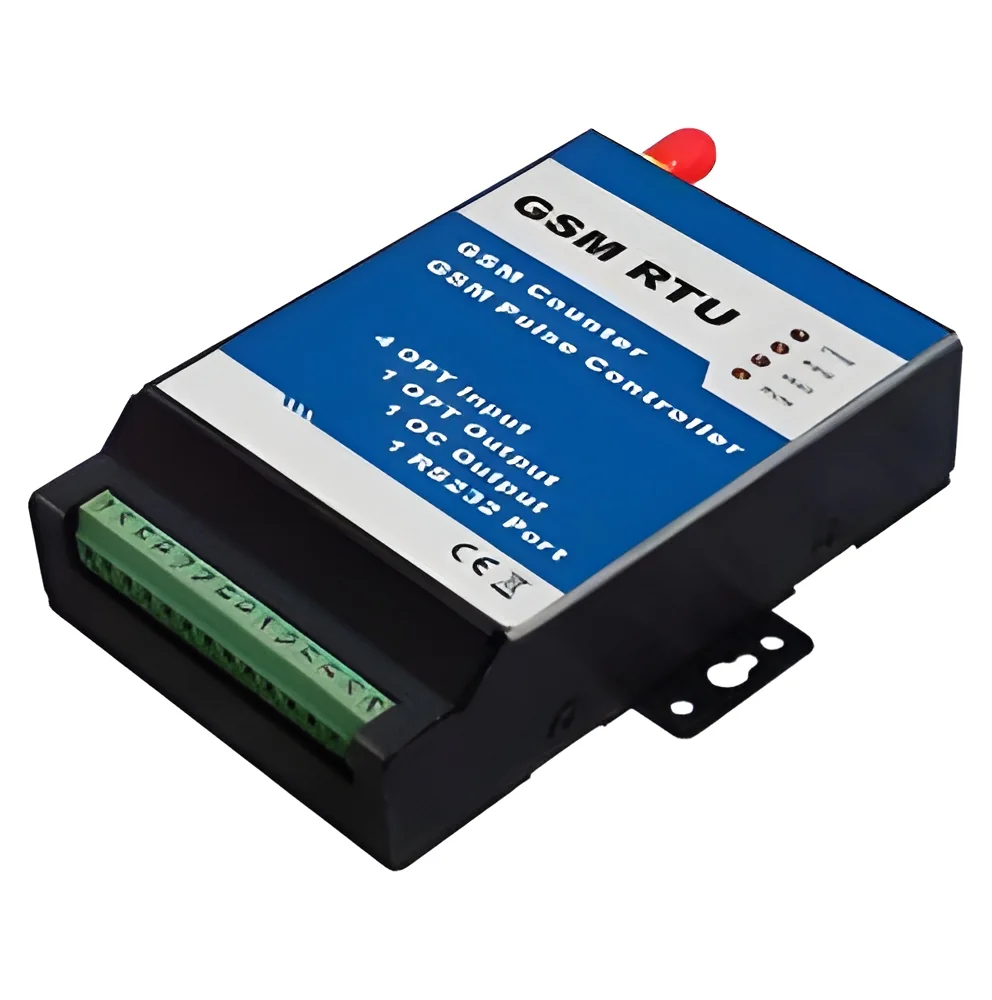
Key Features and Specifications
Remote Terminal Units are designed to provide reliable performance under various conditions. They come equipped with several features that enhance their functionality and usability. Key specifications include:
1. Communication Protocols
- Support for multiple communication standards such as Modbus, DNP3, and IEC 61850
- Ensures compatibility with different systems and devices
2. Input/Output Capabilities
- Configurable digital and analog inputs and outputs
- Flexibility to integrate with various sensors and control devices
3. Power Supply Options
- Wide voltage range support, typically from 10 to 30 VDC
- Options for battery backup to ensure continuous operation
4. Environmental Resistance
- Designed to operate in harsh conditions with temperature ranges from -40 to 70 degrees Celsius
- IP ratings for dust and water ingress protection
5. Data Storage
- Internal memory for local data logging
- Capability to store historical data for analysis and reporting
6. Security Features
- Built-in encryption and authentication measures
- Protects data integrity and prevents unauthorized access
7. User Interface
- LCD display for easy monitoring and configuration
- User-friendly interface for intuitive operation
8. Remote Management
- Support for over-the-air updates and remote diagnostics
- Enables proactive maintenance and troubleshooting
RTUs combine these specifications to deliver a robust solution for remote monitoring and control, ensuring operational efficiency across various applications.
Common Applications and Use Cases
Remote Terminal Units are utilized in a variety of industries, showcasing their versatility and importance.
1. Energy: RTUs are widely used in power generation and distribution for monitoring grid performance and controlling substations. They enable real-time data collection and remote management of electrical systems.
2. Water Management: In water supply and wastewater treatment, RTUs facilitate monitoring of water quality, flow rates, and pump operations. They help optimize resource management and ensure compliance with regulations.
3. Transportation: RTUs are instrumental in traffic management systems, where they monitor traffic flow and control signals. They enhance the efficiency of transportation networks and improve safety.
4. Oil and Gas: In the oil and gas sector, RTUs are deployed for pipeline monitoring and control. They help detect leaks, manage pressure levels, and ensure safe operation of remote facilities.
5. Manufacturing: RTUs assist in monitoring production lines, managing machinery, and controlling industrial processes. They contribute to reducing downtime and improving productivity.
6. Agriculture: RTUs are employed in precision farming to monitor soil conditions and automate irrigation systems. They help optimize resource use and increase crop yields.
7. Smart Cities: RTUs play a key role in smart city initiatives by managing utilities, facilitating waste collection, and enhancing public safety. Their connectivity supports urban infrastructure improvements.
Product Variants and Subcategories
Remote Terminal Units come in various designs and configurations to meet specific industrial needs.
Compact RTUs
These units are designed for space-constrained environments, offering essential monitoring and control features in a smaller footprint. They are ideal for remote installations where size and weight are critical.
Modular RTUs
Modular RTUs provide flexibility through customizable configurations. Users can add or remove components as needed, making them suitable for evolving applications in dynamic environments.
Wireless RTUs
These units utilize wireless communication technologies for remote monitoring, eliminating the need for extensive cabling. They are particularly useful in difficult-to-access locations.
Benefits and Advantages
Remote Terminal Units offer numerous benefits that enhance operational efficiency and decision-making.
1. Enhanced Monitoring: RTUs provide real-time data access, allowing for quick identification of issues and timely responses.
2. Cost Reduction: By enabling remote management, RTUs reduce the need for on-site personnel and minimize operational costs.
3. Improved Safety: RTUs help monitor critical systems, ensuring safe operation and reducing the risk of failures or accidents.
4. Increased Productivity: Automation facilitated by RTUs streamlines processes, leading to higher productivity and reduced downtime.
5. Data-Driven Decisions: With comprehensive data collection and analysis capabilities, RTUs support informed decision-making based on actionable insights.
6. Scalability: RTUs can be easily integrated into existing systems, allowing businesses to scale operations without significant investment.
Buying Guide for B2B Buyers
When sourcing Remote Terminal Units, it is important to consider several key factors to ensure a suitable purchase.
1. Quality Assessment: Evaluate the quality of RTUs by reviewing manufacturer certifications, user reviews, and performance metrics. High-quality units will provide reliability and longevity in operation.
2. Supplier Verification: Choose suppliers with a proven track record and industry reputation. Verify their capabilities, customer service, and support offerings to ensure a smooth procurement process.
3. Pricing and MOQ: Understand the pricing structure and minimum order quantities (MOQ) from suppliers. Compare costs and assess value based on the features and benefits offered.
4. Delivery and Lead Times: Inquire about delivery schedules and lead times. Timely delivery is crucial for maintaining project timelines and operational efficiency.
5. Compliance Requirements: Ensure that the RTUs meet relevant industry standards and regulations. Compliance with safety and quality standards is essential for operational integrity.
Compliance and Certifications
Remote Terminal Units must adhere to various quality standards and certifications to ensure they meet industry requirements.
ISO 9001 is a widely recognized standard that pertains to quality management systems. Manufacturers of RTUs often pursue this certification to demonstrate their commitment to quality and continuous improvement.
CE certification indicates that a product complies with European health, safety, and environmental protection standards. RTUs with this certification are deemed safe for use within the European market.
Safety and testing requirements are critical for RTUs, particularly in hazardous environments. Manufacturers should conduct rigorous testing to ensure their products can withstand external conditions.
Regional compliance is also vital, as different regions may have specific regulations governing the use of industrial equipment. Understanding local compliance needs is essential for successful implementation.
Why Source Remote Terminal Units (RTUs) from Pepagora?
Pepagora offers a reliable platform for sourcing Remote Terminal Units with several advantages.
Verified Supplier Network: Pepagora connects buyers with verified suppliers, ensuring quality and reliability. The platform conducts thorough checks to confirm supplier credentials, providing peace of mind to buyers.
Streamlined RFQ Process: The Request for Quotation (RFQ) process on Pepagora is designed to be efficient and user-friendly. Buyers can easily submit their requirements and receive competitive quotes from multiple suppliers.
Trade Assurance and Support: Pepagora provides trade assurance, protecting buyers from potential risks associated with online procurement. The platform offers support throughout the purchasing process, ensuring a seamless experience.
Regional Coverage: With a strong presence in India, the GCC, and Southeast Asia, Pepagora caters to a wide geographic area. This regional coverage allows buyers to access a diverse range of suppliers and products tailored to their specific needs.

 IN
IN

 India
India