IN
IN₹
Apparel & Fashion
Description
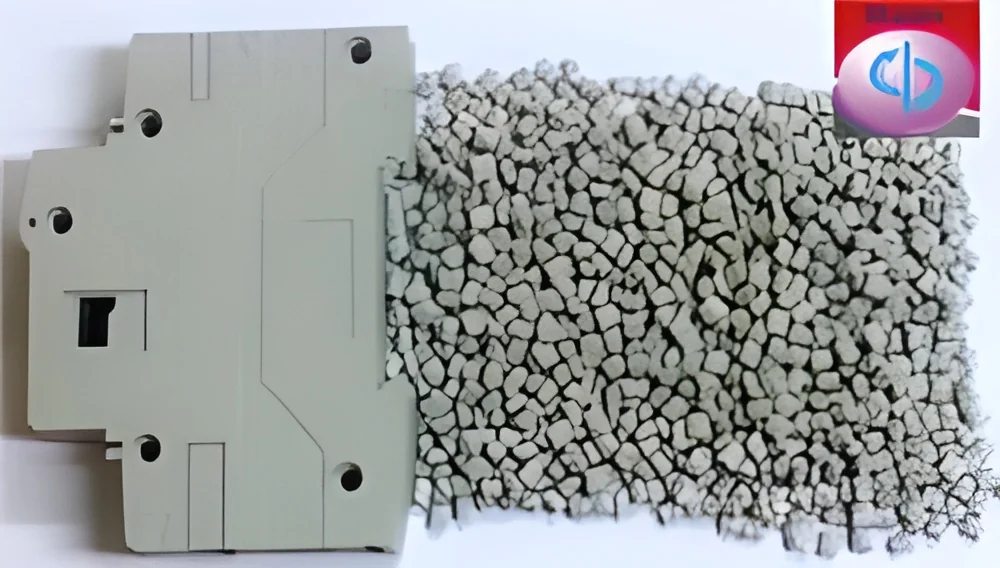
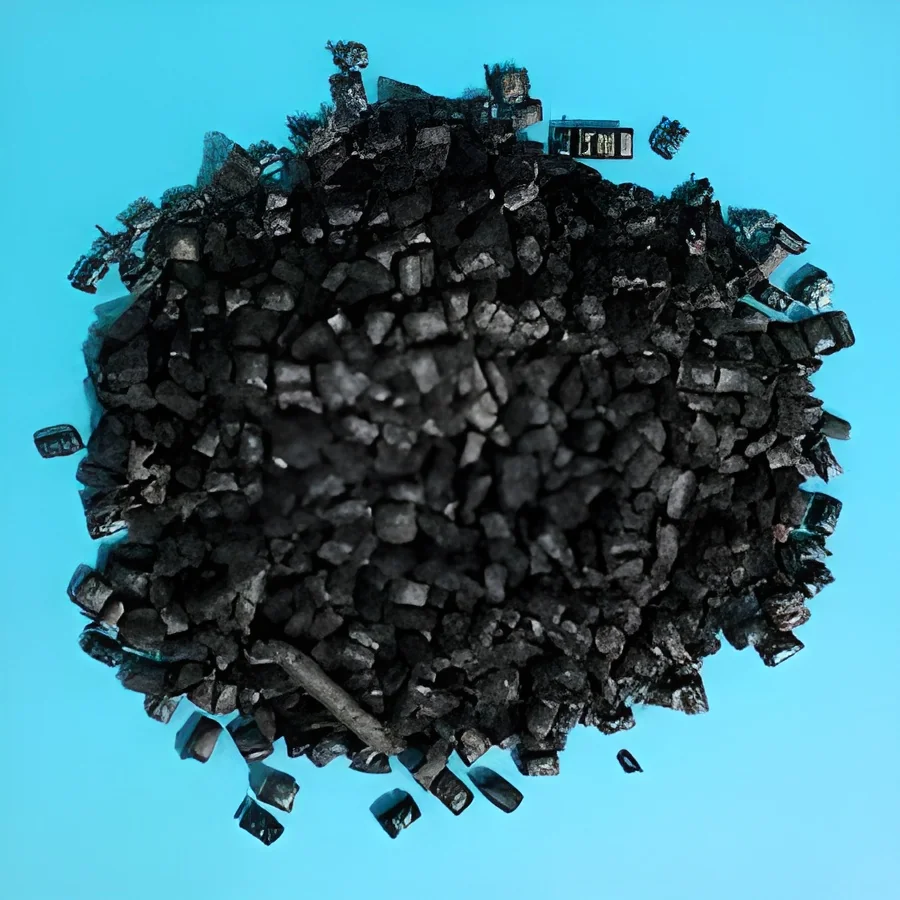
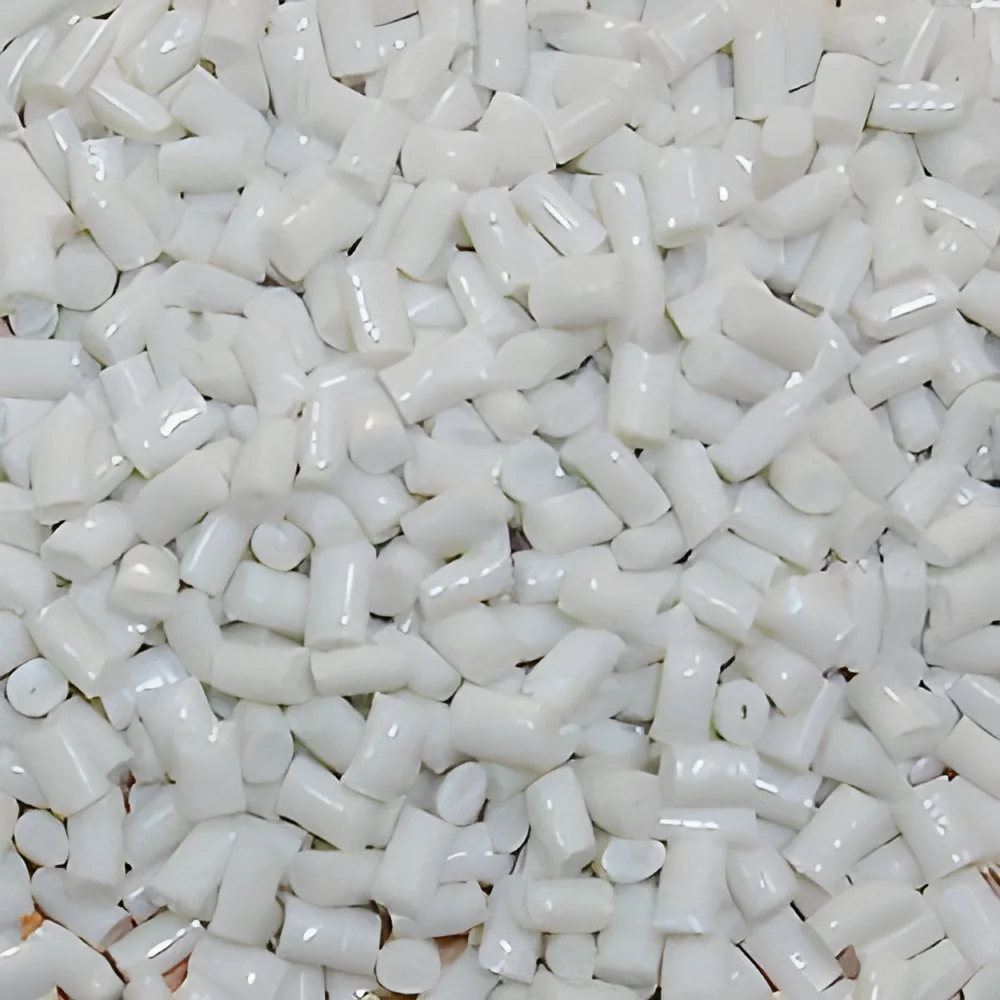
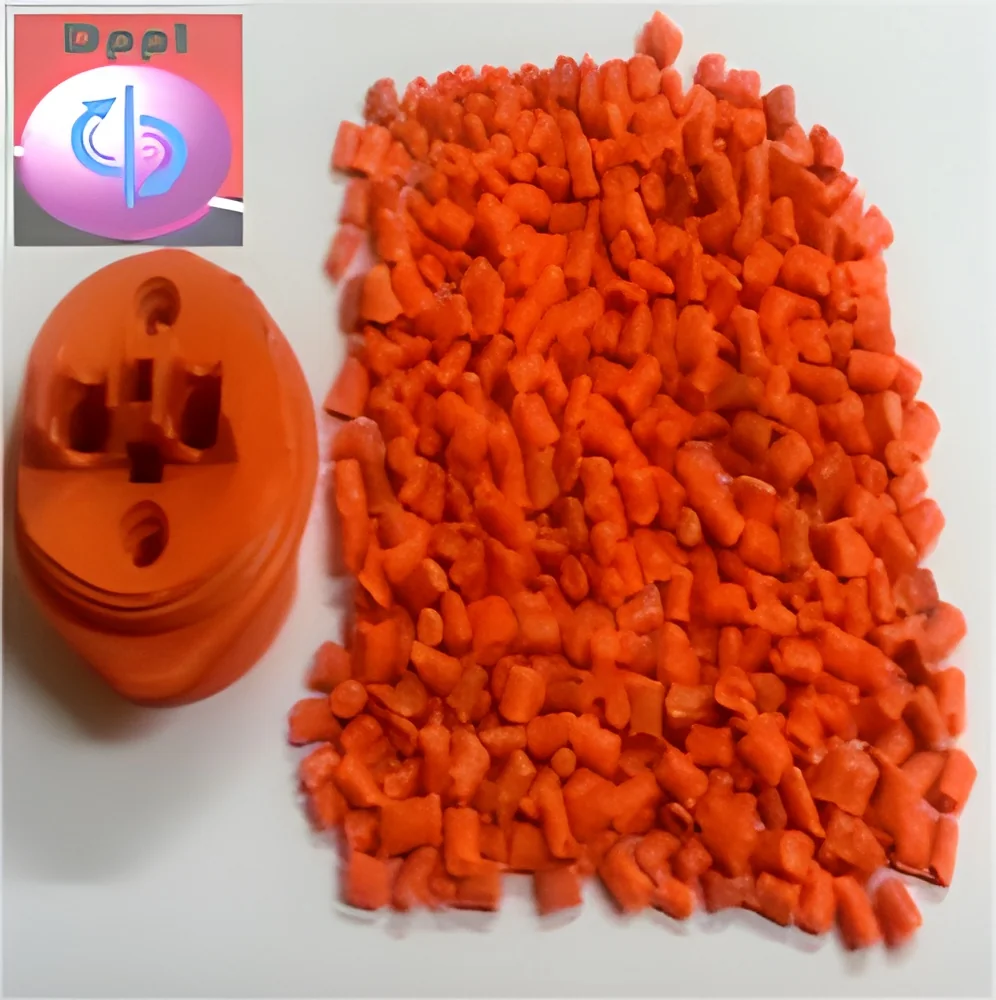
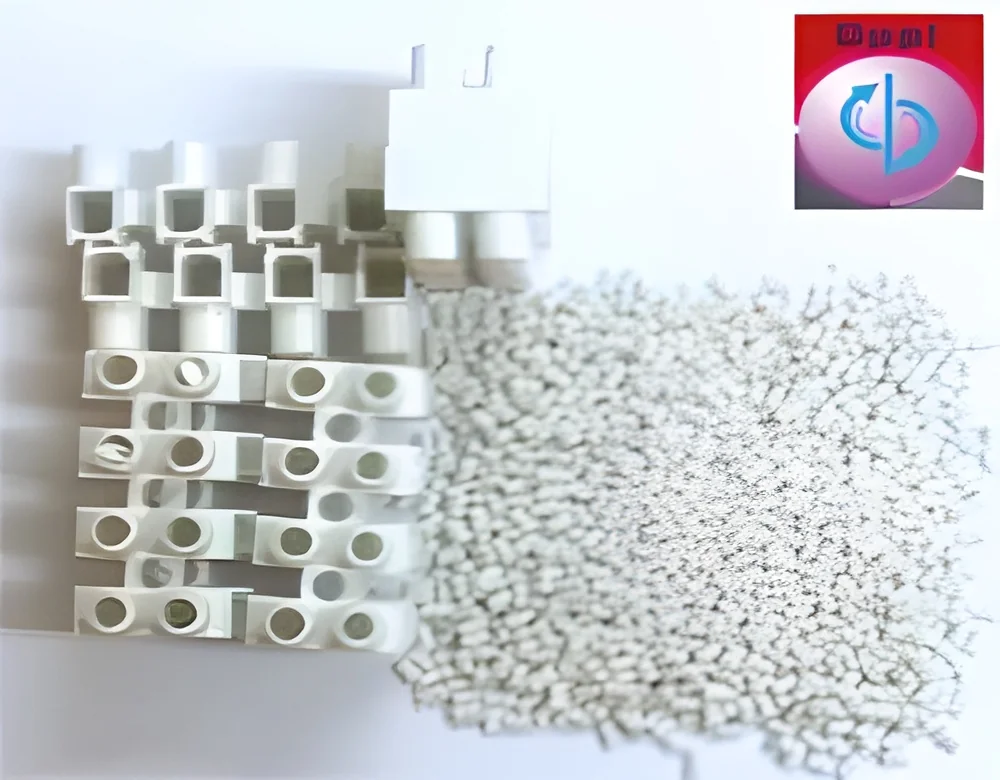
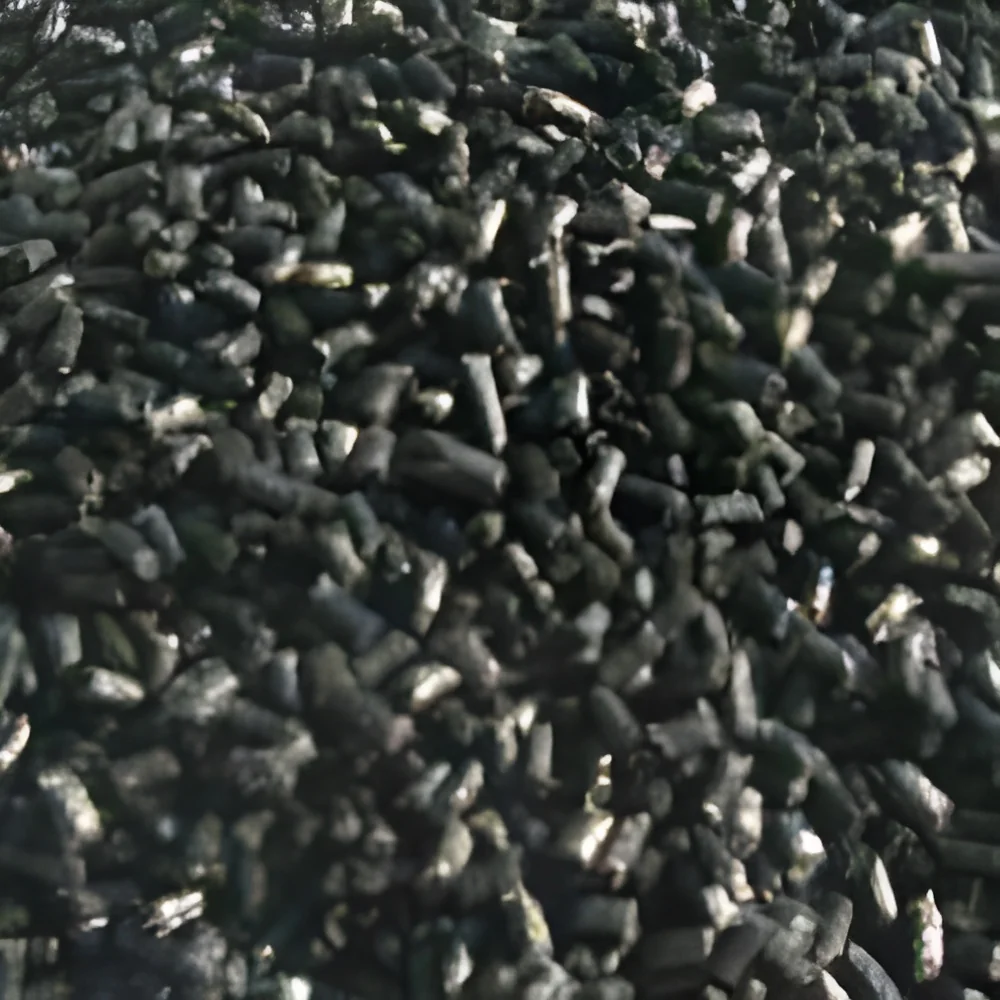
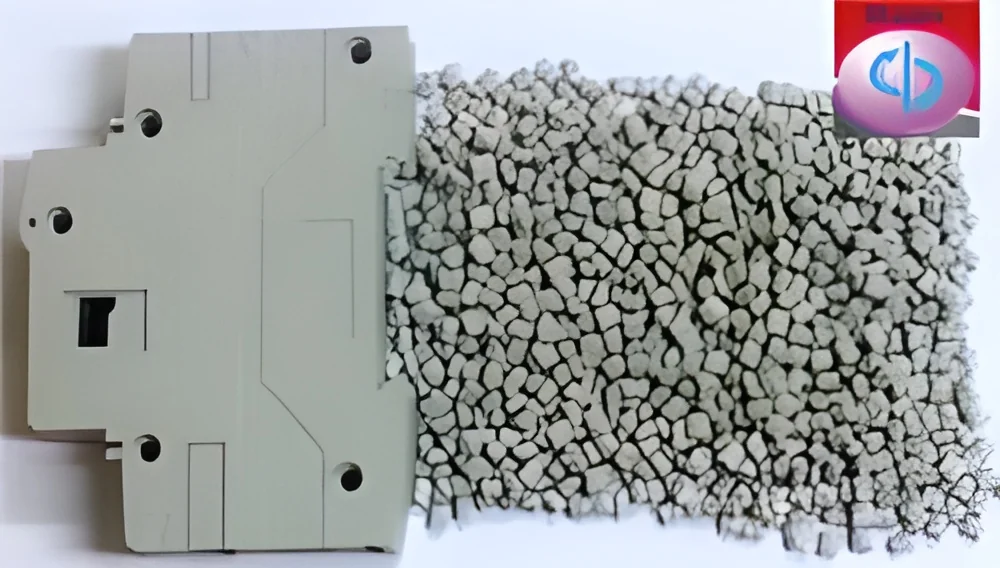
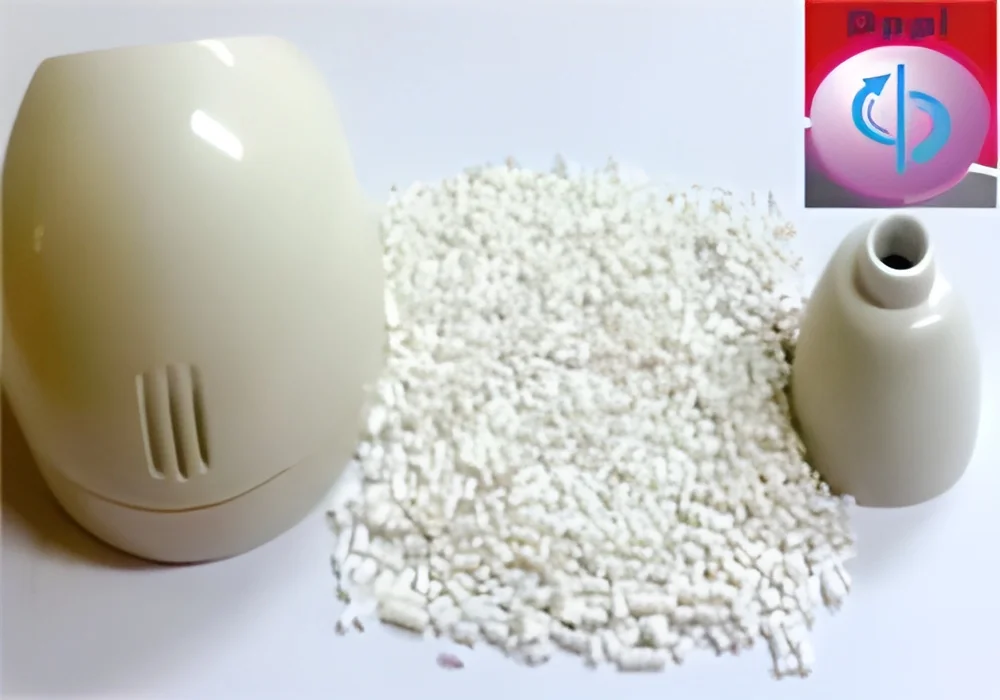
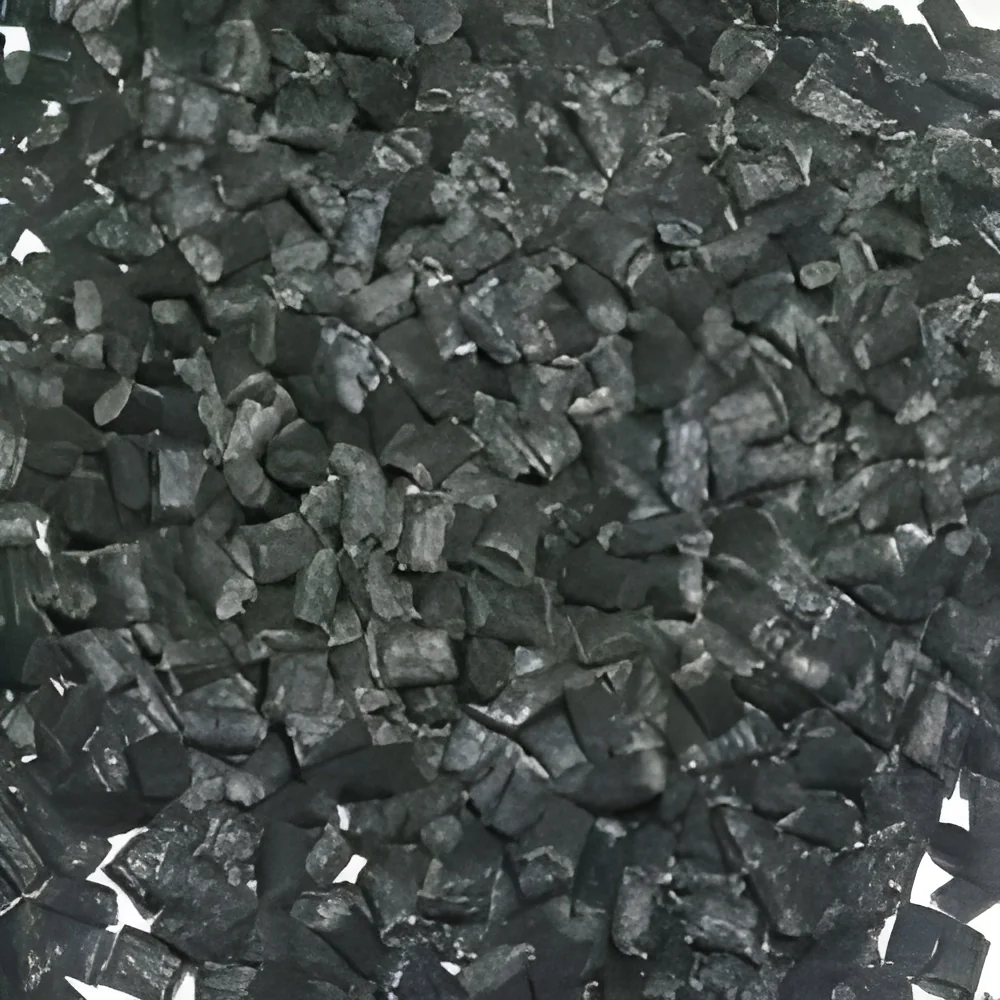
Reprocessed Polybutylene Terephthalate (PBT) engineering plastic represents a high-performance material solution that maintains the essential properties of virgin polymer while providing enhanced sustainability and cost efficiency. Through advanced reprocessing techniques, this material preserves exceptional strength, rigidity, and chemical resistance characteristics, making it suitable for demanding industrial applications. Available in various standard grades and colors including black, grey, white, and natural, our reprocessed PBT undergoes careful moisture removal processes to prevent degradation and ensure consistent performance. The material processes effectively within standard temperature ranges of 235°C to 260°C, offering manufacturers reliable processing parameters and predictable outcomes for their production requirements.

This versatile engineering plastic finds extensive application across multiple industrial sectors where performance under challenging conditions is essen...
Reprocessed Polybutylene Terephthalate (PBT) engineering plastic represents a high-performance material solution that maintains the essential properties of virgin polymer while providing enhanced sustainability and cost efficiency. Through advanced reprocessing techniques, this material preserves exceptional strength, rigidity, and chemical resistance characteristics, making it suitable for demanding industrial applications. Available in various standard grades and colors including black, grey, white, and natural, our reprocessed PBT undergoes careful moisture removal processes to prevent degradation and ensure consistent performance. The material processes effectively within standard temperature ranges of 235°C to 260°C, offering manufacturers reliable processing parameters and predictable outcomes for their production requirements.

This versatile engineering plastic finds extensive application across multiple industrial sectors where performance under challenging conditions is essential. Automotive manufacturers utilize reprocessed PBT for critical components including electrical connectors, sensor housings, and under-the-hood parts that must withstand exposure to fuels, oils, and elevated temperatures. The electrical and electronics industry relies on its excellent dielectric strength and flame retardant properties for insulating components, computer connectors, and telecommunications equipment. Appliance manufacturers incorporate this material into durable housings, internal mechanisms, and components for kitchen and household devices, while industrial equipment producers value its mechanical properties for machinery parts requiring long-term reliability.

The business value of reprocessed PBT stems from its ability to deliver premium material performance at reduced costs, providing significant savings for procurement professionals and manufacturing operations. Reliability is ensured through stringent quality control measures that maintain material integrity and consistent properties batch after batch. The material's inherent characteristics including color stability at elevated temperatures, resistance to wear and chemicals, and low frictional coefficients contribute to extended product lifespans and reduced maintenance requirements. These differentiators combine to create a trustworthy material solution that supports manufacturing efficiency and product quality across diverse industrial applications, making it an intelligent choice for businesses focused on both performance and cost management.

Key Features:
- High mechanical strength and rigidity for structural integrity
- Excellent chemical resistance against oils, fuels, and solvents
- Superior dielectric strength ensuring electrical insulation safety
- Thermal stability maintaining properties at elevated temperatures
- Low moisture absorption preventing degradation and swelling

Benefits:
- Cost-effective alternative to virgin materials without performance compromise
- Extended product lifespan through superior wear and chemical resistance
- Reduced maintenance requirements due to material durability
- Enhanced safety with reliable flame retardant and electrical properties
- Consistent processing characteristics for manufacturing efficiency
Specifications
| Additional Information | |
|---|---|
| Country of Origin | India |
Application
Reprocessed PBT is extensively utilized in automotive manufacturing for under-the-hood components, connectors, and housings due to its exceptional mechanical strength and heat resistance. This material withstands harsh environments involving chemicals and high temperatures, providing durable performance that meets rigorous industry standards while offering significant cost savings compared to virgin alternatives.
In electrical and electronics sectors, reprocessed PBT serves critical functions with its excellent dielectric properties and flame retardancy. It ensures safety and stability in insulating components, bobbins, and various connectors where reliability is paramount. The material's low friction coefficient and wear resistance further extend its utility to mechanical parts in industrial equipment and household appliances.
- Automotive electrical connectors and sensor housings
- Computer and telecommunications component insulation
- Kitchen appliance housings and internal mechanisms
- Lighting system components and fixture assemblies
- Industrial machinery parts requiring chemical resistance
Trade Details
| Available Stock | In Stock |
| Sample Availability | No |
Payment Terms
| Payment Terms |
|
Company Profile

Dilip Plastics Pvt Ltd, Maharashtra
 Maharashtra, India
Maharashtra, IndiaRaw Materials & Chemicals•Manufacturer•Distributor / Wholesaler•Importer / Exporter
Factory Details
Factory SizeBelow 1000 sqm
Annual Production Capacity0
Reprocessed PBT Engineering Plastic High Strength Rigidity Chemical Resistance
Reprocessed PBT engineering plastic delivers high strength, rigidity, and chemical resistance for automotive, electrical, and appliance components requiring reliable performance in demanding conditions.
Min. Order Quantity: 1 unit
Shipping
Shipping fee and delivery date to be negotiated. Contact supplier now for more details.
Dilip Plastics Pvt Ltd
 Maharashtra, India
Maharashtra, IndiaRaw Materials & ChemicalsManufacturer