
 IN
INRecycled Metal Scrap (Aluminum, Copper, Steel)
41 products available
Key Features and Specifications
Common Applications and Use Cases
Product Variants and Subcategories
Benefits and Advantages
Buying Guide for B2B Buyers
Compliance and Certifications

 India
India
 India
India
 India
India
 India
India
 India
India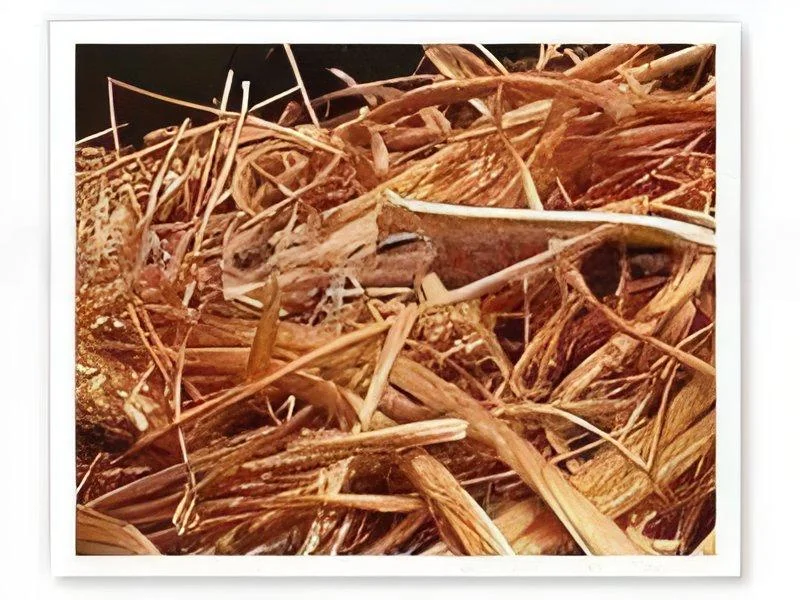
 India
India
 India
India India
India

 India
India
 India
India
 India
India
 India
India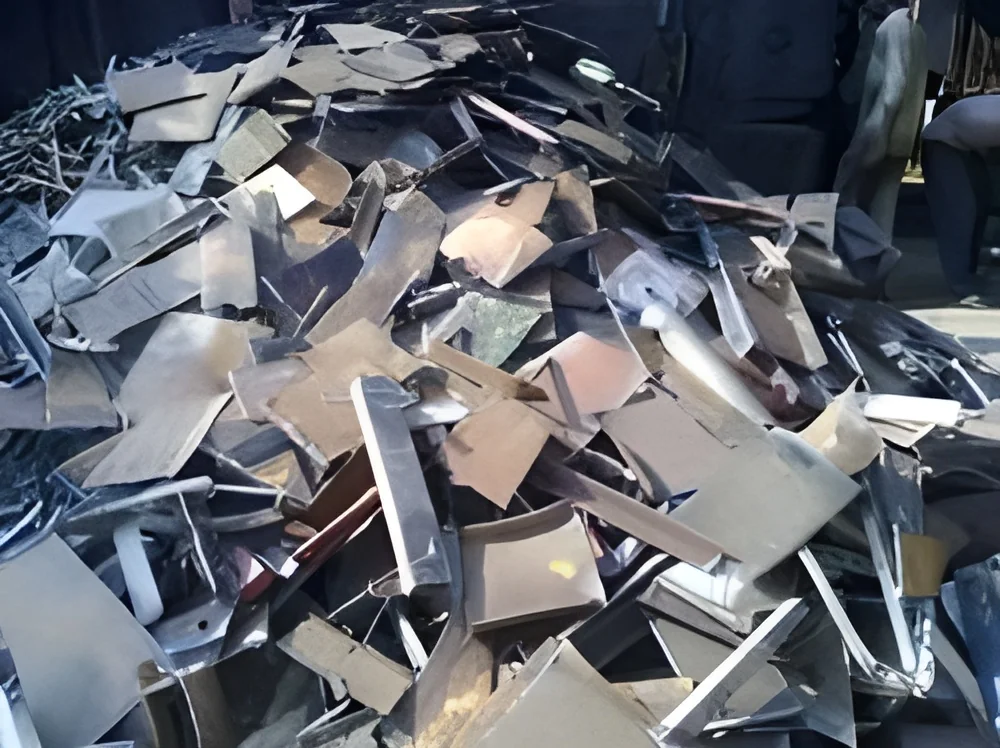
Frequently Asked Questions
What are Recycled Metal Scrap (Aluminum, Copper, Steel)?
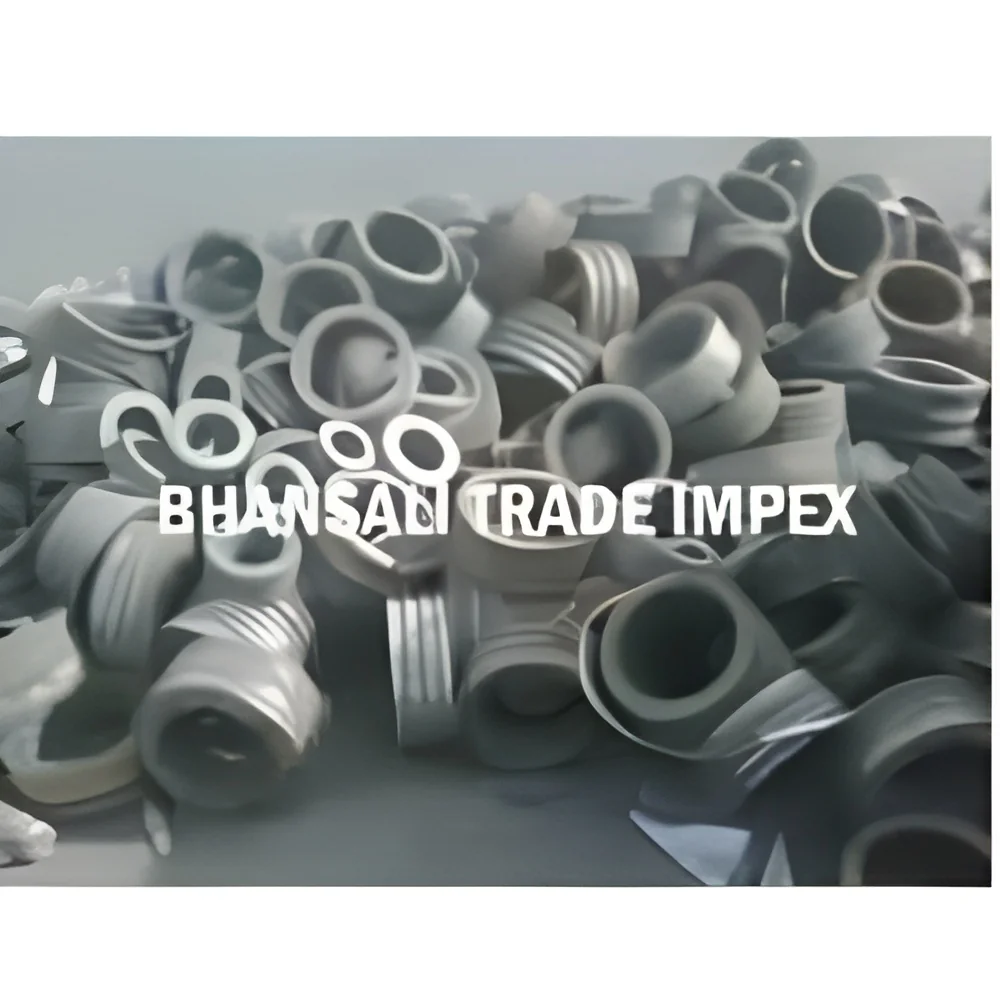
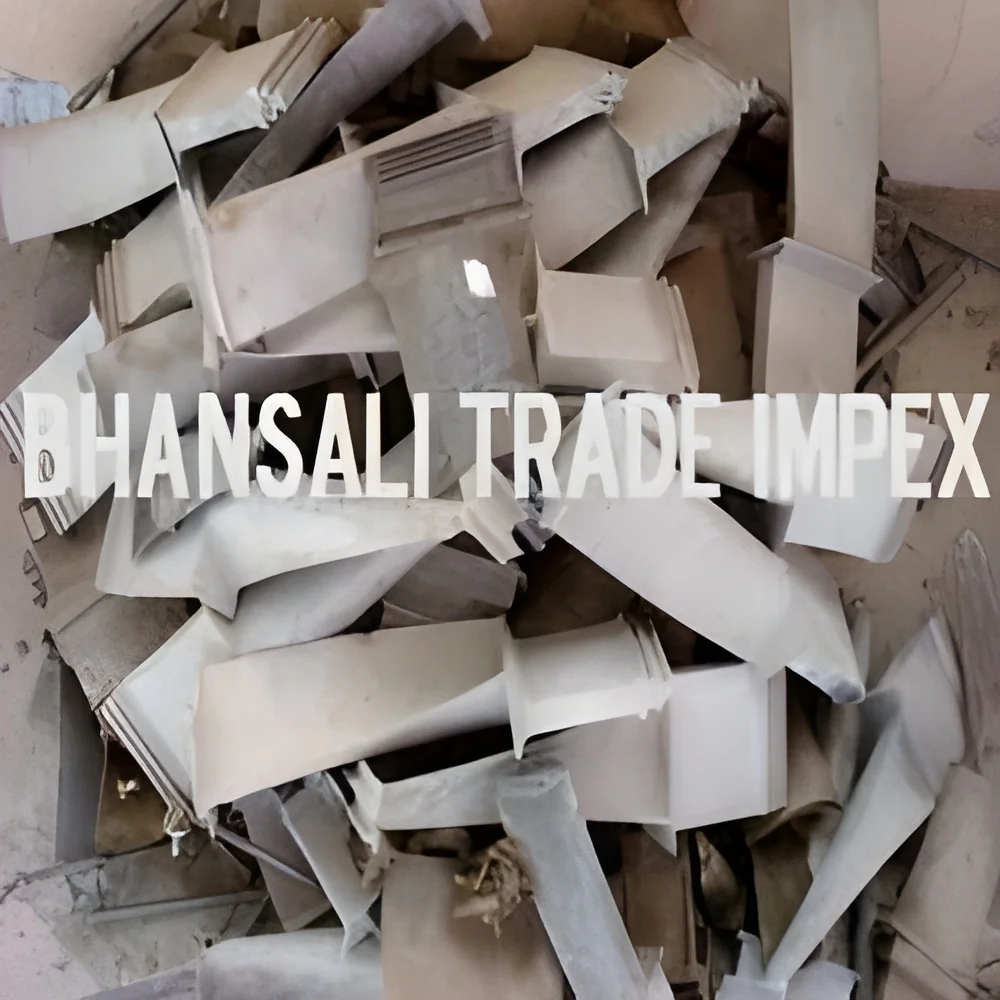
Recycled Metal Scrap refers to scrap materials made from metals that have been reclaimed and repurposed from old products and manufacturing processes. This category primarily includes aluminum, copper, and steel, all of which can be reused in various industrial applications.
What are the different types of Recycled Metal Scrap (Aluminum, Copper, Steel)?
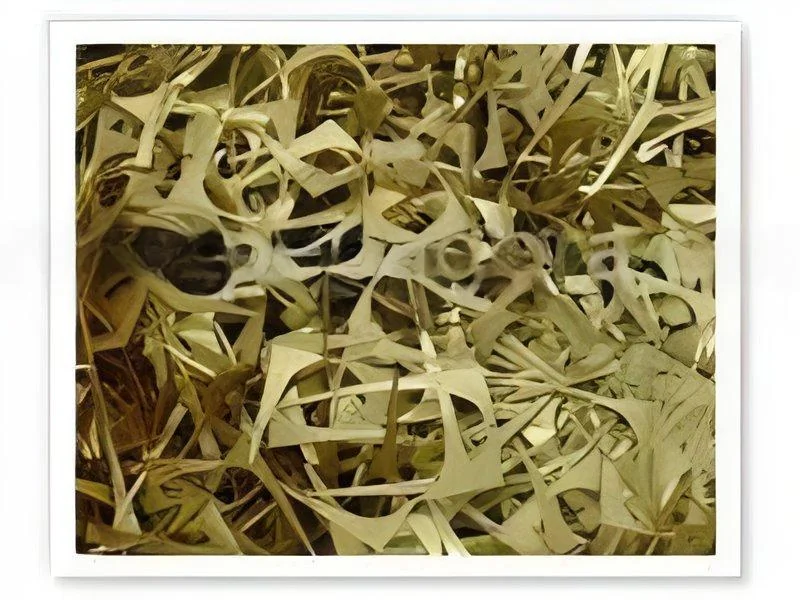
The different types of Recycled Metal Scrap include aluminum scrap, copper scrap, and steel scrap. Each type can be further categorized into various grades based on purity and form, such as extrusion scrap for aluminum, wire scrap for copper, and heavy melt scrap for steel.
How do I choose the right Recycled Metal Scrap (Aluminum, Copper, Steel)?
Choosing the right Recycled Metal Scrap involves assessing your specific requirements, including the type of metal needed and its intended use. It's also essential to consider the quality, price, and availability of the scrap material from reliable suppliers.
What are the standard specifications for Recycled Metal Scrap (Aluminum, Copper, Steel)?
Standard specifications for Recycled Metal Scrap often include parameters such as composition, size, and cleanliness. These specifications can vary based on the type of metal and the intended application, so it's crucial to refer to industry standards or consult suppliers for detailed information.
What is the price range for Recycled Metal Scrap (Aluminum, Copper, Steel)?
The price range for Recycled Metal Scrap can vary widely based on market conditions, metal type, and quality. Typically, aluminum scrap may range from INR 80 to INR 150 per kg, copper scrap from INR 300 to INR 600 per kg, and steel scrap from INR 25 to INR 50 per kg.
What quality standards apply to Recycled Metal Scrap (Aluminum, Copper, Steel)?
Quality standards for Recycled Metal Scrap are often governed by international norms such as ISO and ASTM. These standards ensure that the scrap meets specific criteria for purity, contamination levels, and physical properties, ensuring it is suitable for recycling and reuse.
Where can I find Recycled Metal Scrap (Aluminum, Copper, Steel) suppliers in India?
You can find Recycled Metal Scrap suppliers in India through various online B2B marketplaces like Pepagora, industry trade shows, and local scrap dealers. It's advisable to compare multiple suppliers to ensure you get the best quality and pricing.
Can Recycled Metal Scrap (Aluminum, Copper, Steel) be customized?
In most cases, Recycled Metal Scrap cannot be significantly customized since it is sourced from existing materials. However, suppliers may offer various grades or sizes that can meet specific requirements for different applications.
What is the typical minimum order quantity for Recycled Metal Scrap (Aluminum, Copper, Steel)?
The typical minimum order quantity (MOQ) for Recycled Metal Scrap can range from 500 kg to several tons, depending on the supplier's policies and the type of metal. It's best to check with individual suppliers for their specific MOQs.
What is the typical lead time for Recycled Metal Scrap (Aluminum, Copper, Steel)?
The typical lead time for Recycled Metal Scrap can vary from a few days to several weeks, depending on the supplier's inventory and location. It's advisable to confirm lead times with your chosen supplier when placing an order.
Why Businesses Trust Pepagora
Thousands of companies trust Pepagora to source smarter and sell faster
Expand Your Sales Globally

Source Smarter,Grow Faster
