
 IN
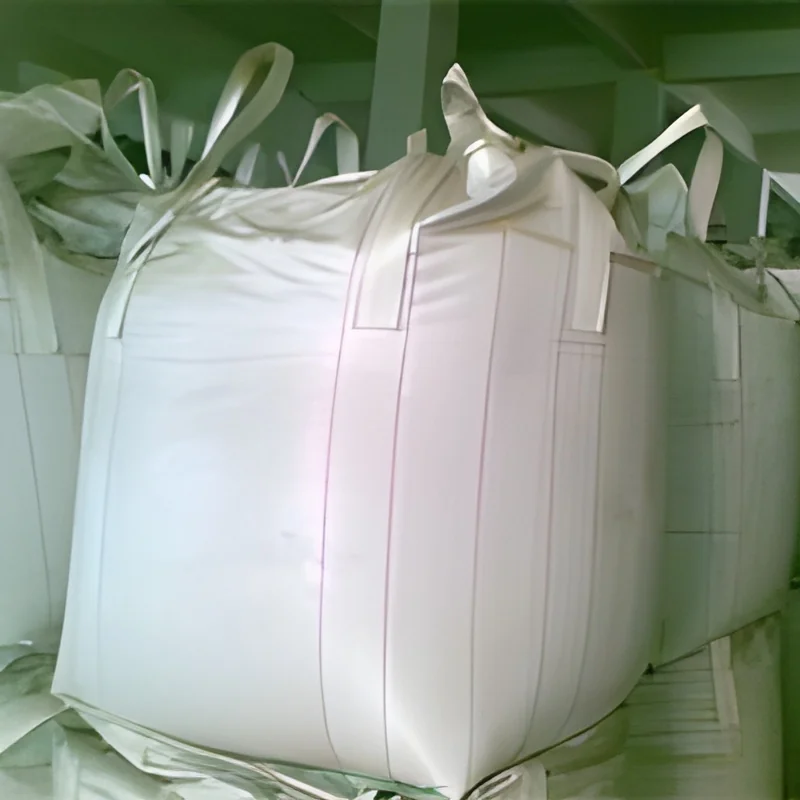
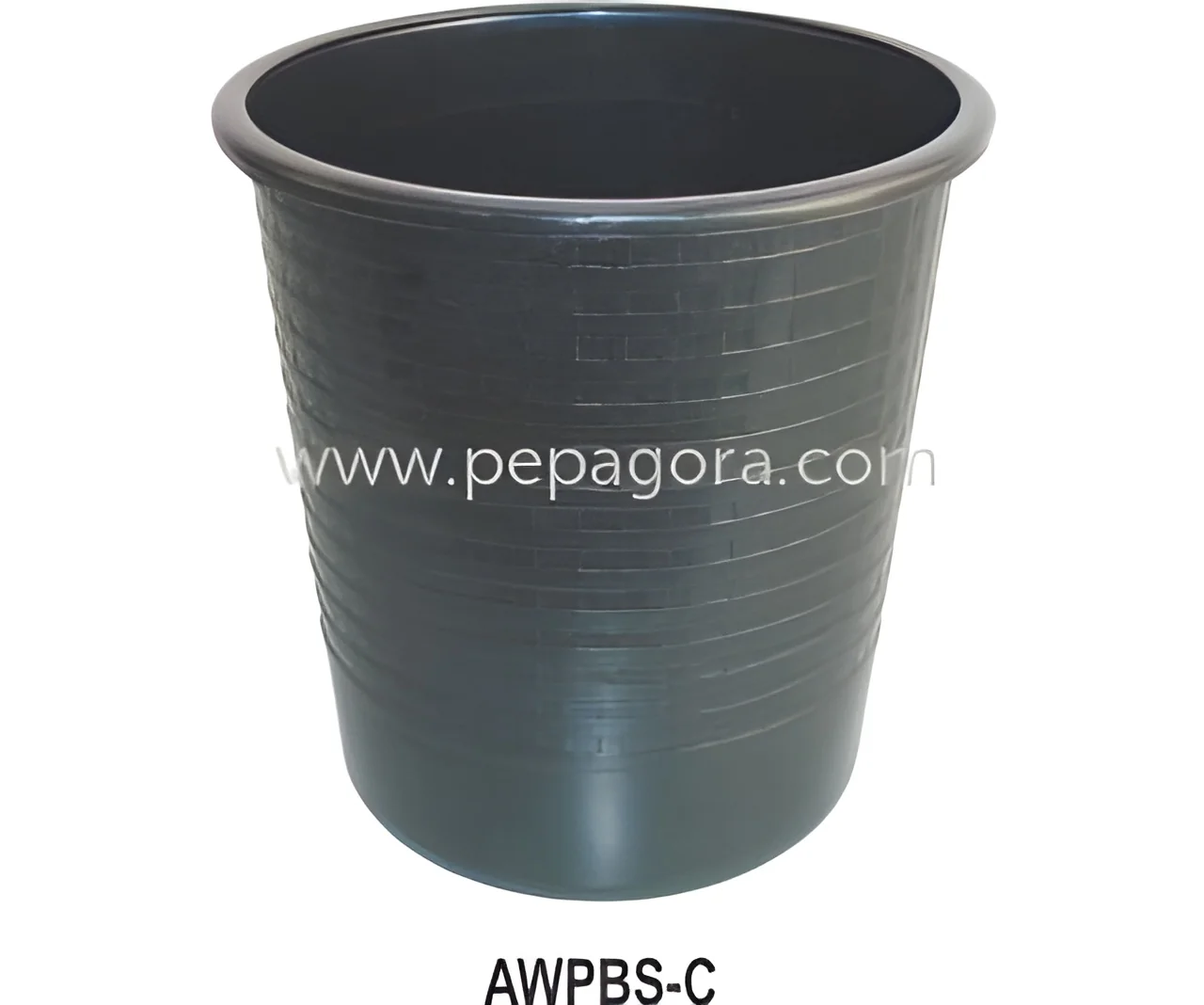
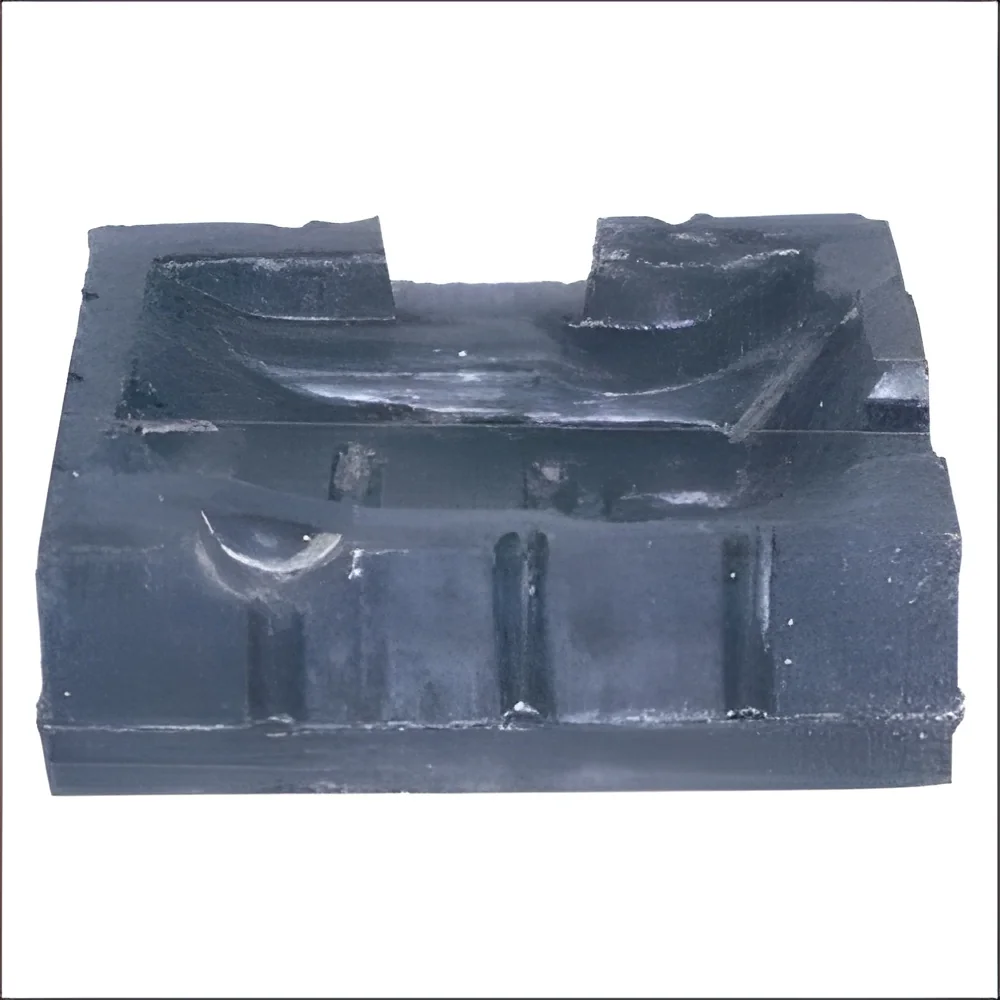
Recyclable Industrial Packaging Waste
3 products available
What are Recyclable Industrial Packaging Waste?
Recyclable industrial packaging waste refers to materials used for packaging products that can be processed and reused in the manufacturing of new products. This type of waste is generated across various industrial sectors and is critical for reducing environmental impact. By opting for recyclable packaging, companies can minimize landfill contributions and promote sustainability within their operations.
These materials are primarily used in industries such as manufacturing, logistics, and distribution. They serve various functions, including protecting goods during transport, facilitating storage, and ensuring compliance with shipping regulations. The use of recyclable packaging waste not only supports eco-friendly practices but can also enhance a company's brand image by highlighting its commitment to sustainability.
The relevance of recyclable industrial packaging waste in today’s market is significant. With increasing regulations and consumer demand for sustainable practices, businesses are more inclined to adopt recyclable solutions. This shift reflects broader trends towards circular economies, where products and materials are continuously reused and recycled, thus contributing to long-term sustainability goals.
Key Features and Specifications
Recyclable industrial packaging waste offers several key features that make it an attractive option for businesses focused on sustainability. Understanding these features and specifications is crucial for making informed purchasing decisions.
Key specifications include:
1. Material Composition
- Typically made from plastics, paper, or cardboard.
- Can consist of a variety of recycled materials.
2. Durability
- Designed to withstand environmental stresses during transport.
- Provides protection against moisture and physical damage.
3. Weight Capacity
- Varies based on the type of packaging used.
- Can accommodate different weights depending on industry requirements.
4. Recyclability Rate
- High percentage of materials that can be recycled.
- Compliance with local recycling regulations enhances sustainability efforts.
5. Customization Options
- Available in various sizes and designs to meet specific needs.
- Allows for branding and labeling for business identification.
6. Safety Standards
- Meets industry safety requirements to ensure product integrity.
- Often certified to prevent contamination of packaged goods.
7. Cost-Effectiveness
- Reduces overall waste disposal costs.
- Can lead to savings in material costs over time.
8. Compliance with Regulations
- Adheres to local and international packaging regulations.
- Essential for businesses in regulated industries.
The specifications of recyclable industrial packaging waste ensure that it not only serves its primary purpose of protecting goods but also aligns with broader sustainability objectives.
Common Applications and Use Cases
Recyclable industrial packaging waste finds applications across multiple industries, making it an essential component for many businesses.
1. Manufacturing: Used for shipping raw materials and finished goods, ensuring they arrive safely and securely to their destinations.
2. Logistics: Employed in warehouses for storage and transport, helping to streamline operations and reduce environmental footprints.
3. Food and Beverage: Utilized in packaging to meet safety standards while promoting eco-friendly practices in food distribution.
4. Pharmaceuticals: Essential for maintaining product integrity and compliance with health regulations during shipping.
5. Electronics: Provides protective packaging for sensitive components, minimizing damage during transit.
6. Automotive: Used in the transport of automotive parts, ensuring they are protected from damage and contamination.
7. Construction: Serves as packaging for construction materials, facilitating easy handling and transportation.
Product Variants and Subcategories
Recyclable industrial packaging waste comes in various forms, catering to the diverse needs of businesses.
Corrugated Boxes
These boxes are designed for strength and durability, making them ideal for shipping heavy items. Their recyclable nature supports eco-friendly practices.
Plastic Pallets
Lightweight and sturdy, plastic pallets can be reused multiple times and are fully recyclable, enhancing logistics efficiency while reducing waste.
Shrink Wrap
This flexible packaging solution protects products during transport. It can be made from recyclable materials, offering both safety and sustainability.
Bubble Wrap
Often used for delicate items, recyclable bubble wrap provides cushioning while allowing for easy recycling after use.
Benefits and Advantages
Recyclable industrial packaging waste offers numerous advantages for businesses looking to enhance their sustainability efforts.
Key benefits include:
1. Environmental Impact: Reduces landfill waste and promotes recycling, contributing to a healthier planet.
2. Cost Savings: Minimizes disposal costs and can lead to lower material expenses through bulk purchasing.
3. Brand Image: Enhances company reputation by demonstrating a commitment to sustainability and eco-friendly practices.
4. Compliance: Meets regulatory requirements, reducing the risk of fines and enhancing operational efficiency.
5. Versatility: Suitable for various applications across multiple industries, providing flexibility in packaging solutions.
6. Durability: Strong and reliable, ensuring that products are protected during transport and storage.
Buying Guide for B2B Buyers
When sourcing recyclable industrial packaging waste, it is essential to consider several key factors to ensure you make the right choice for your business needs.
1. Quality Assessment: Look for materials that meet industry standards for durability and recyclability. Request samples to evaluate performance in real-world applications.
2. Supplier Verification: Vet suppliers to ensure they have a reputation for quality and reliability. Check certifications and customer reviews to assess their credibility.
3. Pricing and MOQ: Understand the pricing structure and minimum order quantities (MOQ) to ensure they align with your budget and volume requirements.
4. Delivery and Lead Times: Discuss logistics and delivery timelines with suppliers to ensure you can meet your operational needs without delays.
5. Compliance Requirements: Ensure that the packaging waste you choose complies with relevant regulations in your industry to avoid compliance issues.
Compliance and Certifications
Recyclable industrial packaging waste must adhere to various quality standards and certifications to ensure safety and reliability.
Relevant quality standards include ISO 9001, which focuses on quality management systems and continuous improvement. Compliance with HACCP (Hazard Analysis Critical Control Point) is crucial in industries such as food and pharmaceuticals, ensuring that packaging does not compromise product safety.
Industry certifications like CE (Conformité Européenne) indicate that products meet European safety and environmental standards. Additionally, businesses should be aware of safety and testing requirements to ensure their packaging solutions are robust and reliable.
Regional compliance considerations are also important, as regulations can vary significantly from one region to another. Understanding local laws can help businesses avoid legal complications and ensure smooth operations.
Why Source Recyclable Industrial Packaging Waste from Pepagora?
Pepagora provides a trusted platform for sourcing recyclable industrial packaging waste, offering several key advantages for B2B buyers.
Verified Supplier Network: Pepagora connects buyers with a network of verified suppliers who are known for quality and reliability. This helps businesses find the right packaging solutions quickly and efficiently.
Streamlined RFQ Process: The request for quotation (RFQ) system allows buyers to easily compare pricing and specifications from multiple suppliers, simplifying the procurement process.
Trade Assurance and Support: Pepagora offers buyer protection through trade assurance, ensuring that transactions are secure and that quality standards are upheld.
Regional Coverage: With a presence in India, the GCC, and Southeast Asia, Pepagora provides extensive geographic reach, making it easier for businesses to source recyclable industrial packaging waste tailored to their regional needs.



Frequently Asked Questions
What are Recyclable Industrial Packaging Waste?
Recyclable Industrial Packaging Waste refers to packaging materials used in industrial settings that can be processed and reused instead of being discarded. This includes items like cardboard boxes, plastic containers, and metal drums that are designed to be recycled.
What are the different types of Recyclable Industrial Packaging Waste?
The different types of Recyclable Industrial Packaging Waste include cardboard, paper, plastics, metals, and wood pallets. Each type has specific recycling processes and can be reused in various applications across different industries.
How do I choose the right Recyclable Industrial Packaging Waste?
To choose the right Recyclable Industrial Packaging Waste, consider the material type, durability, and specific requirements of your products. Assess factors such as storage conditions, transportation needs, and the recycling capabilities of your suppliers.
What are the standard specifications for Recyclable Industrial Packaging Waste?
Standard specifications for Recyclable Industrial Packaging Waste may vary by material but generally include dimensions, weight capacity, and material composition. It is essential to refer to industry standards or consult with suppliers for specific requirements.
What is the price range for Recyclable Industrial Packaging Waste?
The price range for Recyclable Industrial Packaging Waste can vary significantly based on the material type, quantity, and supplier. Generally, prices can range from a few rupees for basic cardboard boxes to several hundred rupees for specialized containers.
What quality standards apply to Recyclable Industrial Packaging Waste?
Quality standards for Recyclable Industrial Packaging Waste often include certifications such as ISO, ASTM, or other industry-specific guidelines. Ensuring compliance with these standards helps maintain product integrity during storage and transportation.
Where can I find Recyclable Industrial Packaging Waste suppliers in India?
You can find Recyclable Industrial Packaging Waste suppliers in India through B2B marketplaces like Pepagora, trade shows, industry directories, and local business listings. Exploring online platforms can help you identify the best manufacturers and distributors.
Can Recyclable Industrial Packaging Waste be customized?
Yes, many manufacturers offer customization options for Recyclable Industrial Packaging Waste. Customization can include tailored sizes, branding, and specific material requirements to suit your business needs.
What is the typical minimum order quantity for Recyclable Industrial Packaging Waste?
The typical minimum order quantity (MOQ) for Recyclable Industrial Packaging Waste can vary by supplier but often ranges from 100 to 500 units. It is advisable to check with specific manufacturers for their MOQ policies.
What is the typical lead time for Recyclable Industrial Packaging Waste?
The typical lead time for Recyclable Industrial Packaging Waste can range from a few days to several weeks, depending on the supplier and order complexity. Factors such as customization and stock availability can also influence lead times.
Why Businesses Trust Pepagora
Thousands of companies trust Pepagora to source smarter and sell faster
Expand Your Sales Globally

Source Smarter,Grow Faster
