
 IN
PVC Waste & Scrap
5 products available
What are PVC Waste & Scrap?
PVC Waste & Scrap refers to discarded or unused materials made from polyvinyl chloride (PVC), a widely used plastic in various industries. This waste can include off-cuts, trimmings, and defective products that result from manufacturing processes. PVC is valued for its durability, resistance to moisture, and versatility, making it a common material in construction, plumbing, and other applications. As a result, PVC Waste & Scrap has become a significant focus for recycling efforts aimed at reducing environmental impact and promoting sustainability.
The primary uses of PVC Waste & Scrap are found in recycling and repurposing industries. Businesses often process this waste into new products, contributing to a circular economy. Common applications include the production of recycled PVC products, which can be used in construction materials, piping, and consumer goods. The market for PVC recycling is expanding, driven by increasing regulatory pressures and a growing demand for sustainable materials. This trend is relevant across various sectors, making PVC Waste & Scrap a critical element for businesses looking to enhance their sustainability initiatives.
Key Features and Specifications
PVC Waste & Scrap products have specific features and specifications that determine their quality and usability in various applications. Understanding these specifications is essential for businesses looking to source the right materials for their needs.
Key specifications include:
1. Material Composition
- PVC waste typically contains varying levels of plasticizers and additives.
- Content can affect the recyclability and quality of the end product.
2. Contaminant Levels
- The presence of other materials can impact recycling processes.
- Lower contaminant levels are generally preferred for higher quality recycling.
3. Moisture Content
- Ideally, moisture levels should be minimal to prevent degradation.
- Specific ranges are not typically defined, but drier materials are favored.
4. Color and Clarity
- PVC waste can vary in color depending on its application and previous use.
- Clear or light-colored PVC is often more desirable for recycling into new products.
5. Density
- Density can affect the processing of the material during recycling.
- Typical density ranges for PVC scrap can vary, impacting transport costs.
6. Physical Condition
- The state of the material, including whether it is shredded or whole, can impact usability.
- Better physical condition tends to lead to higher quality recycling outcomes.
7. Compliance with Standards
- Various regulations may dictate acceptable levels of contaminants and quality.
- Compliance with industry standards is important for safety and performance.
In summary, understanding the key features and specifications of PVC Waste & Scrap is crucial for businesses looking to incorporate these materials into their operations effectively.
Common Applications and Use Cases
PVC Waste & Scrap has a wide range of applications across several industries, reflecting its versatility and the growing demand for sustainable materials.
1. Construction: Recycled PVC is often used in the production of new building materials, such as siding, roofing, and flooring products.
2. Plumbing: Recycled PVC can be reprocessed into new pipes and fittings, contributing to cost-effective plumbing solutions.
3. Automotive: Some automotive components can be made from recycled PVC, enhancing sustainability in the manufacturing process.
4. Consumer Goods: Many consumer products, such as toys and packaging, can incorporate recycled PVC, reducing reliance on virgin materials.
5. Electrical: Recycled PVC is used in cables and other electrical components, providing insulation and protection.
6. Packaging: PVC waste can be transformed into packaging materials, promoting eco-friendly practices in the industry.
7. Furniture: The furniture industry utilizes recycled PVC in various applications, including outdoor furniture and fixtures.
Product Variants and Subcategories
PVC Waste & Scrap comes in various forms, offering flexibility for diverse applications. Each variant has unique characteristics that cater to specific needs.
Regrind PVC Scrap
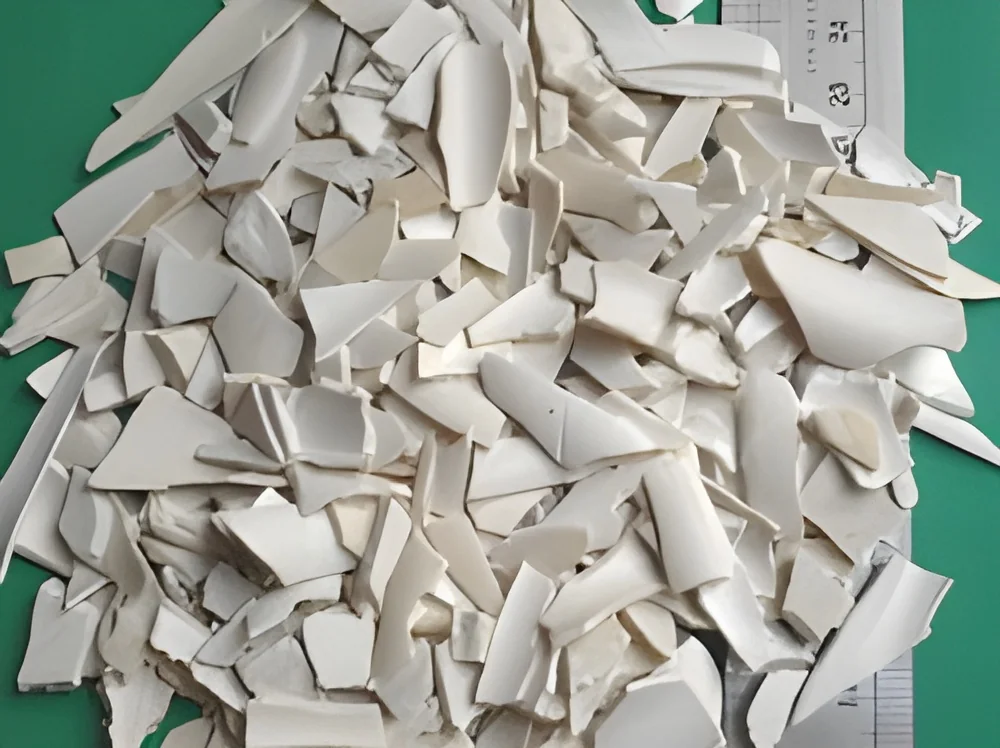
This variant consists of finely ground PVC material produced from manufacturing waste. Its small particle size makes it suitable for various recycling processes and new product creation.
Post-Industrial PVC Scrap
This includes waste generated during the manufacturing process, such as trimmings and defective products. It is often cleaner than post-consumer scrap, making it easier to process and recycle.
Post-Consumer PVC Scrap
This type comes from used products like pipes, containers, and packaging. While it may contain higher contamination levels, it represents a significant source of recycled material for new products.
Benefits and Advantages
Sourcing PVC Waste & Scrap offers numerous benefits for businesses seeking to improve sustainability and reduce costs.
Key benefits include:
1. Cost Savings: Using recycled PVC can lower material costs compared to virgin materials, benefiting overall budget constraints.
2. Environmental Impact: Recycling PVC helps reduce landfill waste and lowers the carbon footprint associated with plastic production.
3. Resource Efficiency: By reusing materials, businesses can conserve natural resources and promote a circular economy.
4. Compliance with Regulations: Utilizing recycled materials can help businesses meet sustainability regulations and standards.
5. Enhanced Brand Image: Companies that prioritize sustainability can enhance their reputation and attract environmentally conscious customers.
6. Innovation Opportunities: Sourcing PVC Waste & Scrap can lead to the development of new products and applications, fostering innovation within the industry.
Buying Guide for B2B Buyers
When sourcing PVC Waste & Scrap, it is essential to consider several factors to ensure a successful procurement process.
1. Quality Assessment: Evaluating the quality of PVC Waste & Scrap is critical. Buyers should check for contaminants, moisture levels, and overall condition to ensure the material meets their requirements.
2. Supplier Verification: It is important to vet suppliers for reliability and compliance with industry standards. A thorough background check can help establish trust and ensure consistent quality.
3. Pricing and MOQ: Understanding pricing structures and minimum order quantities (MOQ) is essential for budgeting. Buyers should compare offers from different suppliers to find competitive rates.
4. Delivery and Lead Times: Logistics play a vital role in the procurement process. Buyers should consider delivery times and shipping costs to ensure timely project execution.
5. Compliance Requirements: Buyers must be aware of any regulatory requirements associated with purchasing PVC materials. This includes adherence to safety standards and environmental regulations.
Compliance and Certifications
Compliance and certifications are crucial in the PVC Waste & Scrap industry, ensuring that products meet safety, quality, and environmental standards.
Relevant quality standards include ISO 9001, which mandates a quality management system to enhance customer satisfaction. Companies that achieve this certification demonstrate a commitment to continuous improvement and quality assurance.
Additionally, the CE marking indicates compliance with European Union safety, health, and environmental protection standards. This certification helps assure buyers that the materials meet necessary regulatory requirements.
Safety and testing requirements are also important for PVC Waste & Scrap. Regular testing ensures that the materials are free from hazardous substances and meet performance standards.
Regional compliance considerations may vary, with different countries having specific regulations governing the recycling and use of PVC materials. Buyers should stay informed about these regulations to ensure compliance and avoid potential penalties.
Why Source PVC Waste & Scrap from Pepagora?
Pepagora offers a trusted platform for sourcing PVC Waste & Scrap, providing several key advantages to buyers.
Verified Supplier Network: Pepagora connects buyers with a network of verified suppliers, ensuring that businesses can source high-quality materials with confidence. Rigorous vetting processes help maintain supplier reliability.
Streamlined RFQ Process: The Request for Quotation (RFQ) process on Pepagora is designed to be user-friendly, allowing buyers to easily request quotes from multiple suppliers. This feature saves time and simplifies the procurement process.
Trade Assurance and Support: Pepagora provides trade assurance, giving buyers peace of mind with protection against potential transaction issues. Customer support is available to assist with any inquiries throughout the sourcing process.
Regional Coverage: Operating across India, the GCC, and Southeast Asia, Pepagora offers extensive geographic reach, connecting buyers with local suppliers and ensuring timely delivery of materials. This regional coverage enhances accessibility and convenience for businesses looking to source PVC Waste & Scrap.


 India

 India

Frequently Asked Questions
What are PVC Waste & Scrap?
PVC Waste & Scrap refers to leftover or discarded material generated from the production, installation, or use of PVC (Polyvinyl Chloride) products. This material can include off-cuts, defective items, and end-of-life products that are no longer usable.
What are the different types of PVC Waste & Scrap?
Different types of PVC Waste & Scrap include rigid PVC scrap, flexible PVC scrap, and mixed PVC materials. Rigid PVC scrap typically comes from pipes and fittings, while flexible PVC scrap is often sourced from sheets and films.
How do I choose the right PVC Waste & Scrap?
Choosing the right PVC Waste & Scrap involves assessing the type of PVC material you need based on your application and quality requirements. Additionally, consider the supplier's reliability and the material's cleanliness and condition.
What are the standard specifications for PVC Waste & Scrap?
Standard specifications for PVC Waste & Scrap can vary but generally include criteria such as material purity, size, and type of PVC. It's important to check industry standards and any specific requirements for your intended use.
What is the price range for PVC Waste & Scrap?
The price range for PVC Waste & Scrap can vary significantly based on factors such as quality, type, and market demand. On average, prices may range from INR 10 to INR 50 per kilogram, but it's advisable to check current market rates.
What quality standards apply to PVC Waste & Scrap?
Quality standards for PVC Waste & Scrap typically include guidelines set by organizations such as ASTM or ISO. These standards ensure that the scrap meets certain criteria for physical properties and contaminants.
Where can I find PVC Waste & Scrap suppliers in India?
You can find PVC Waste & Scrap suppliers in India through B2B marketplaces like Pepagora, industry trade shows, and local recycling centers. Online directories and industry associations can also provide valuable contacts.
Can PVC Waste & Scrap be customized?
PVC Waste & Scrap is generally not customizable as it is a byproduct of manufacturing processes. However, some suppliers may offer processed or sorted scrap to meet specific needs.
What is the typical minimum order quantity for PVC Waste & Scrap?
The typical minimum order quantity (MOQ) for PVC Waste & Scrap can vary by supplier but often ranges from 100 kg to 1000 kg. It's best to confirm with the supplier for their specific MOQ requirements.
What is the typical lead time for PVC Waste & Scrap?
The typical lead time for PVC Waste & Scrap can range from a few days to several weeks, depending on supplier inventory and location. It's advisable to discuss lead times with the supplier to ensure timely delivery.
Why Businesses Trust Pepagora
Thousands of companies trust Pepagora to source smarter and sell faster
Expand Your Sales Globally

Source Smarter,Grow Faster
