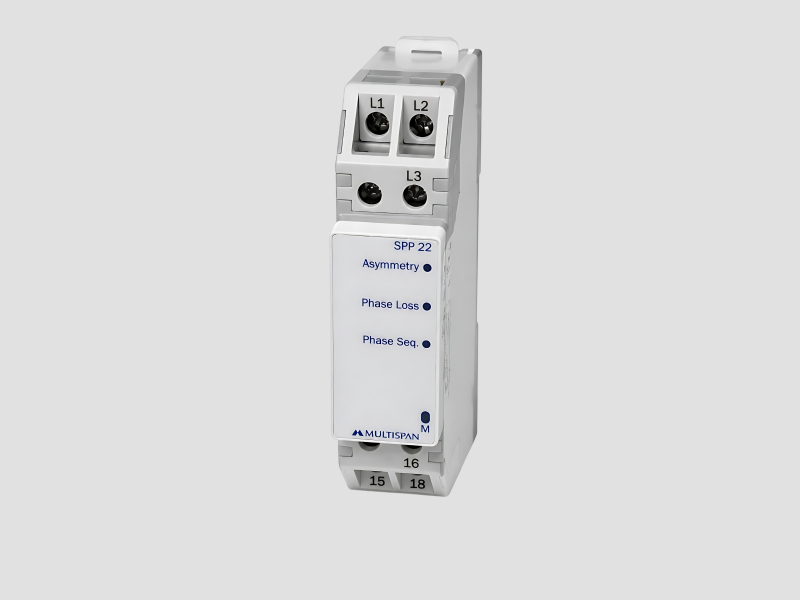
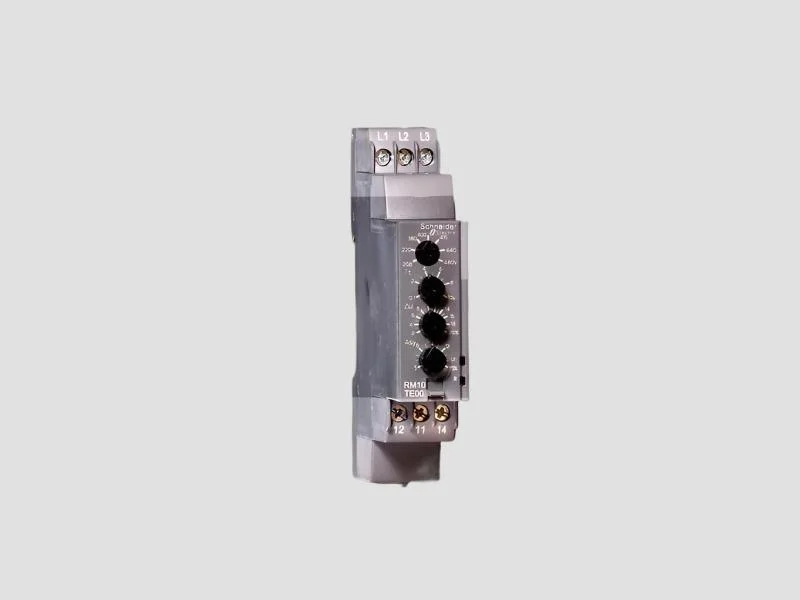
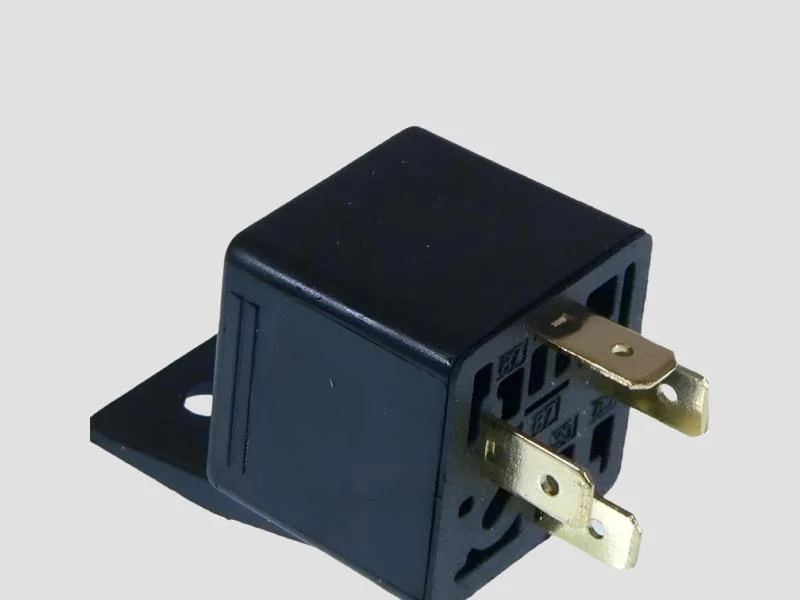
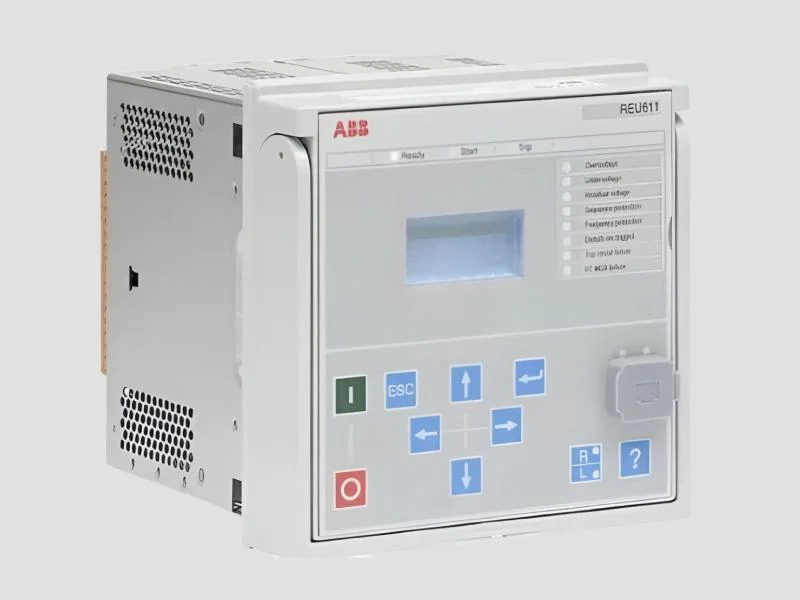
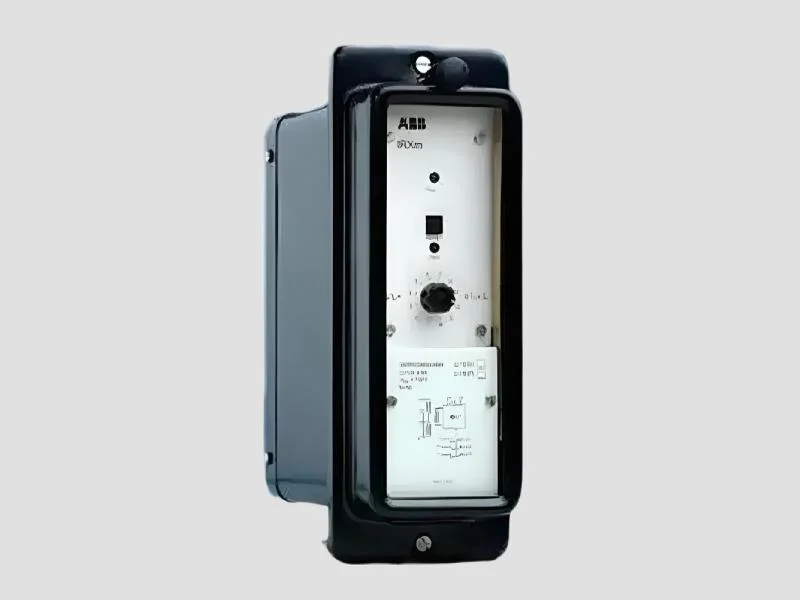
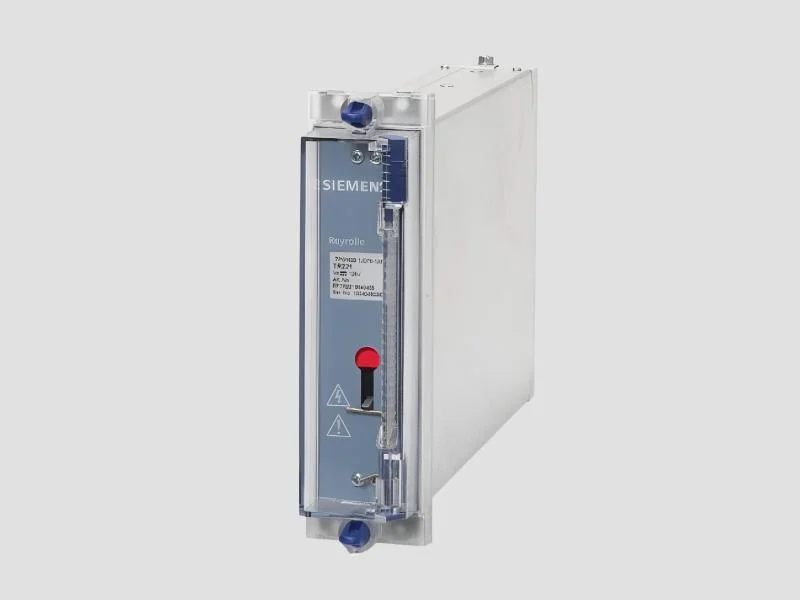
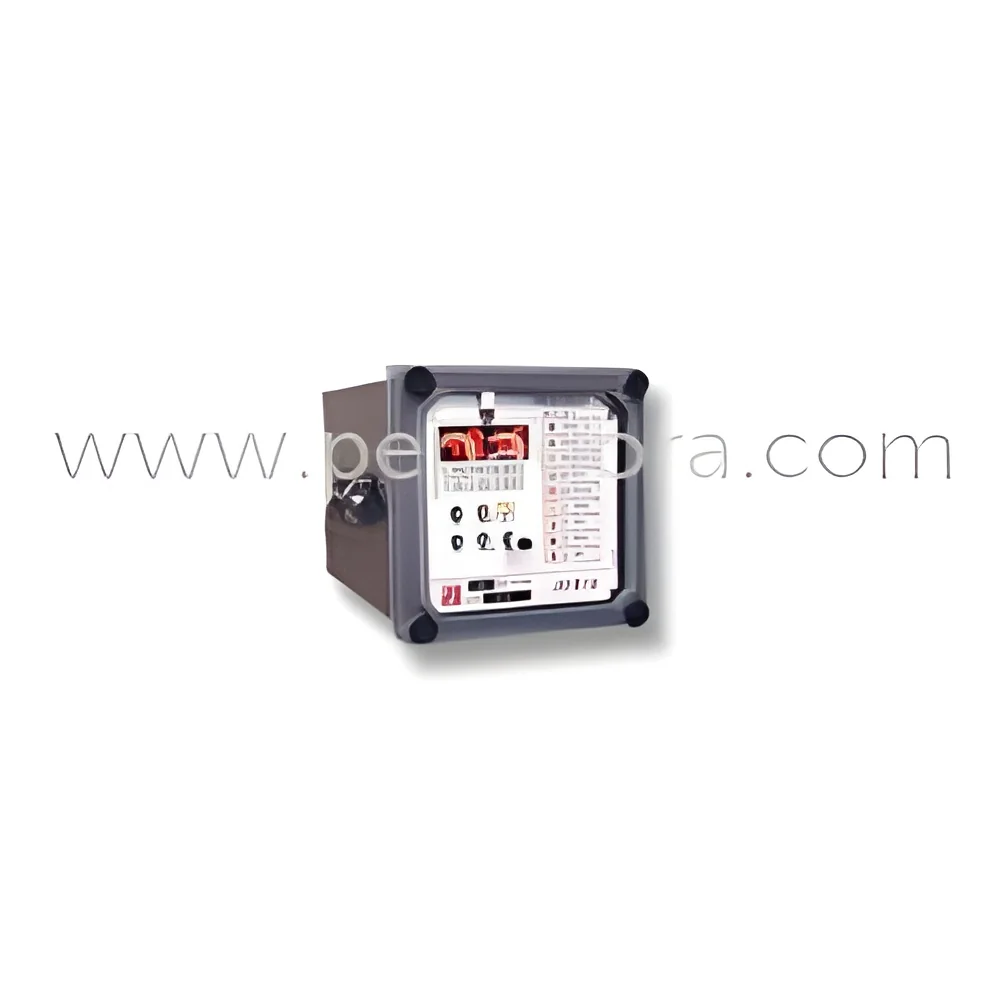
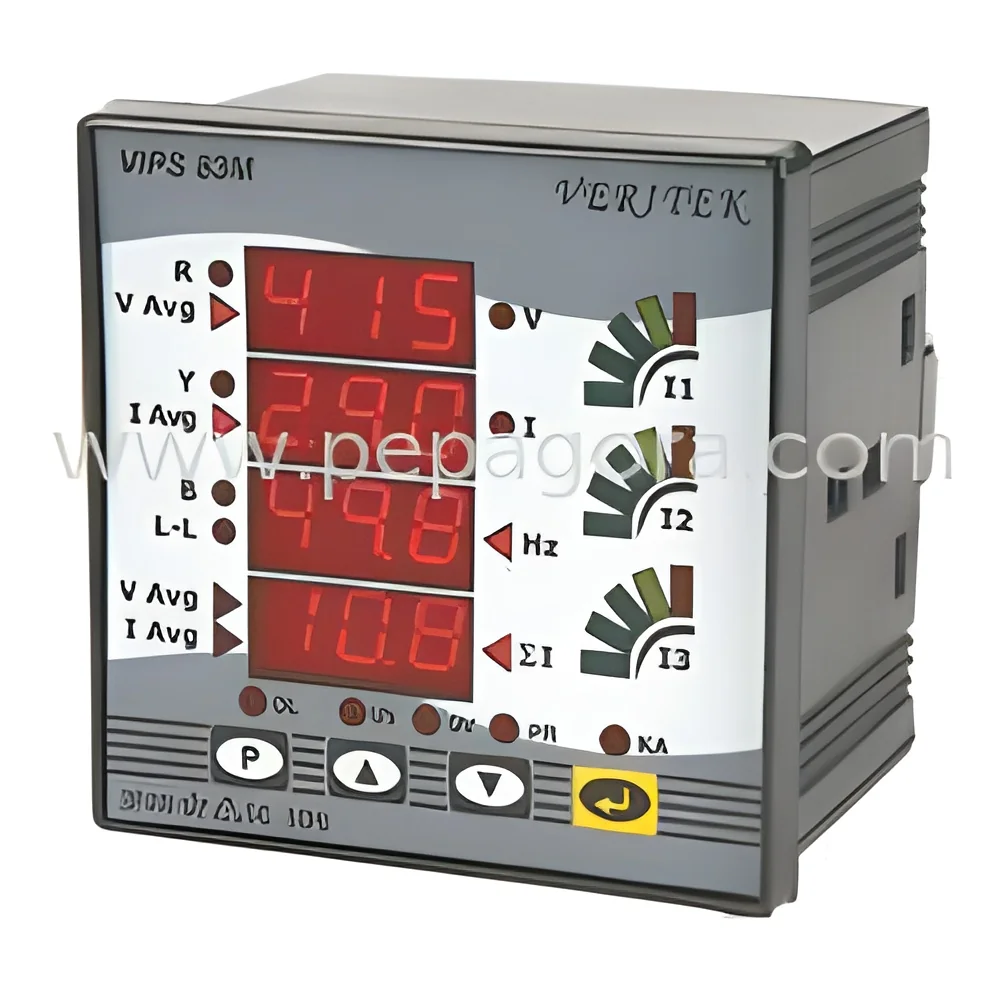
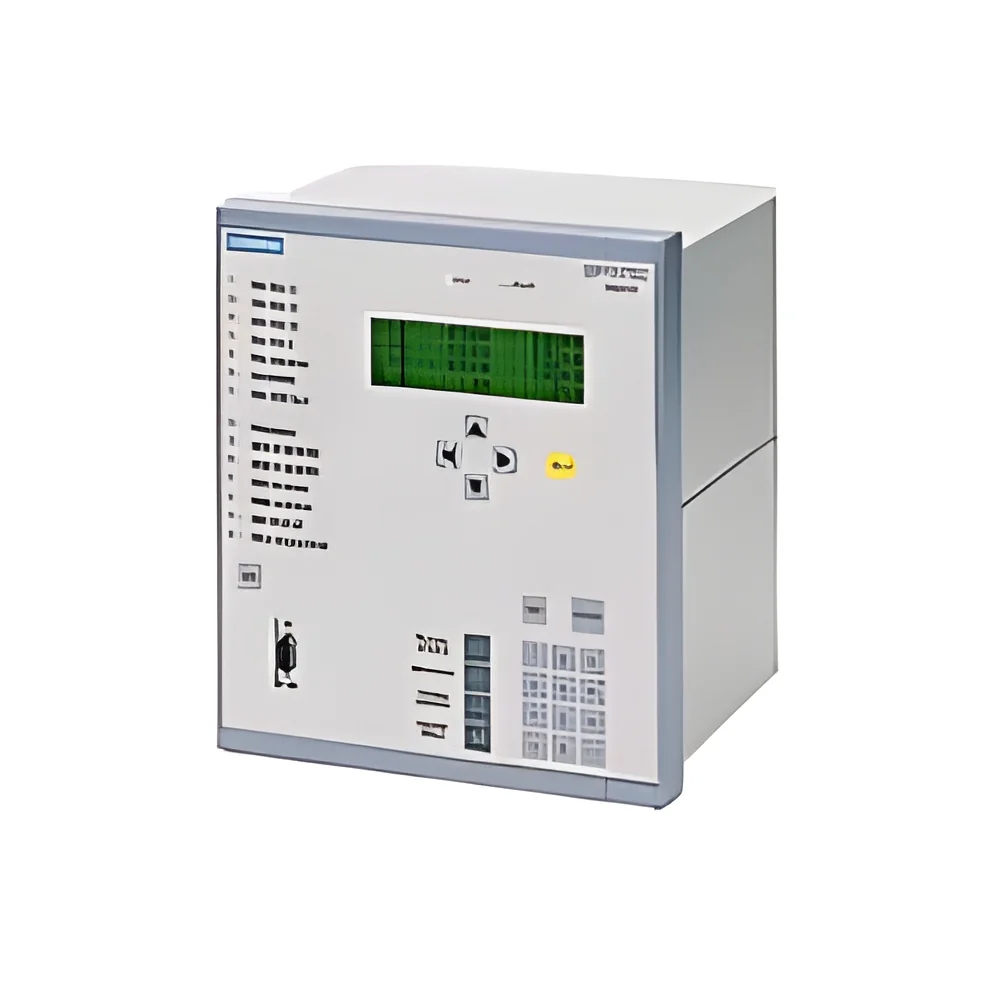
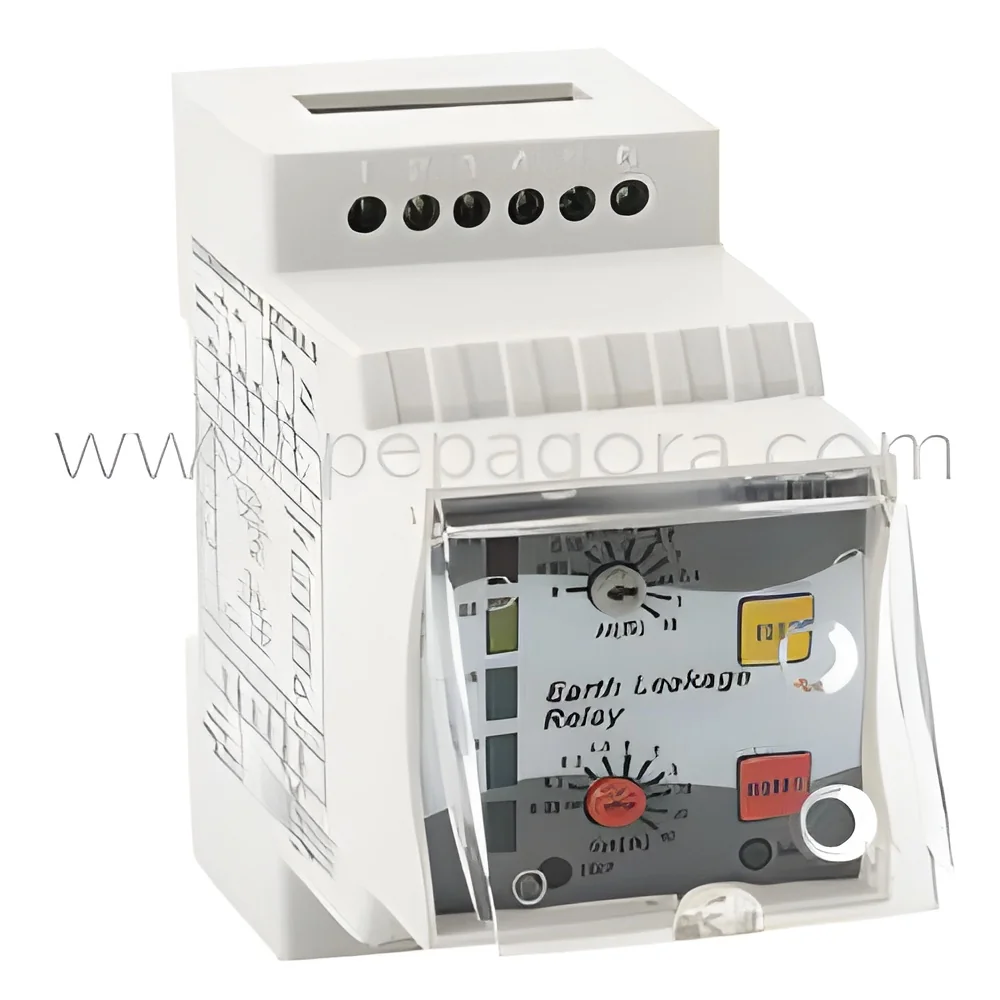
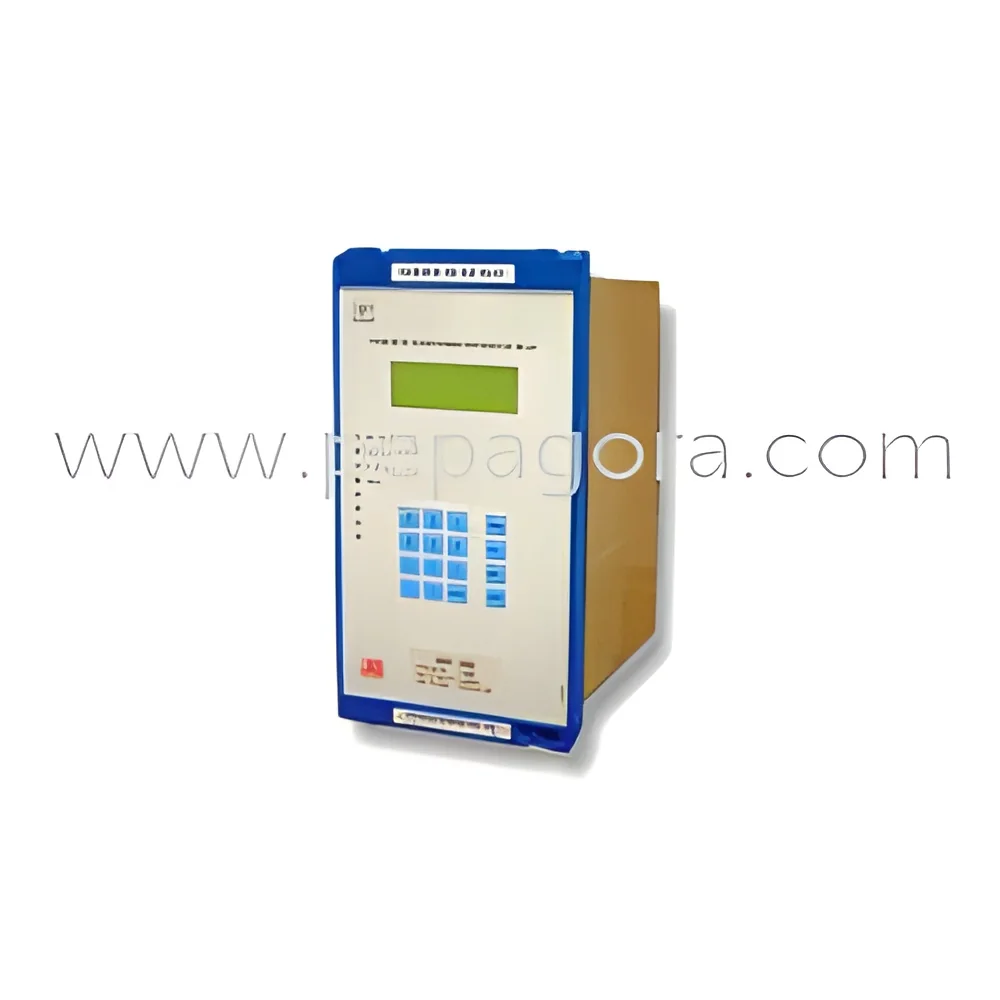
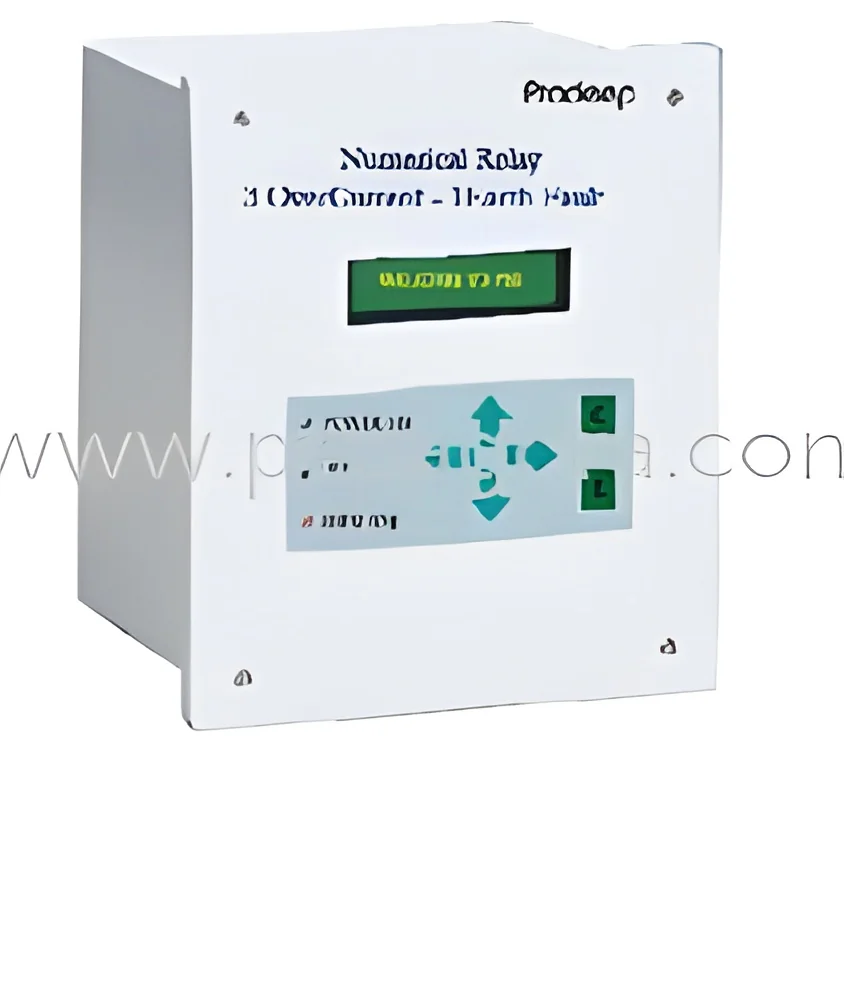
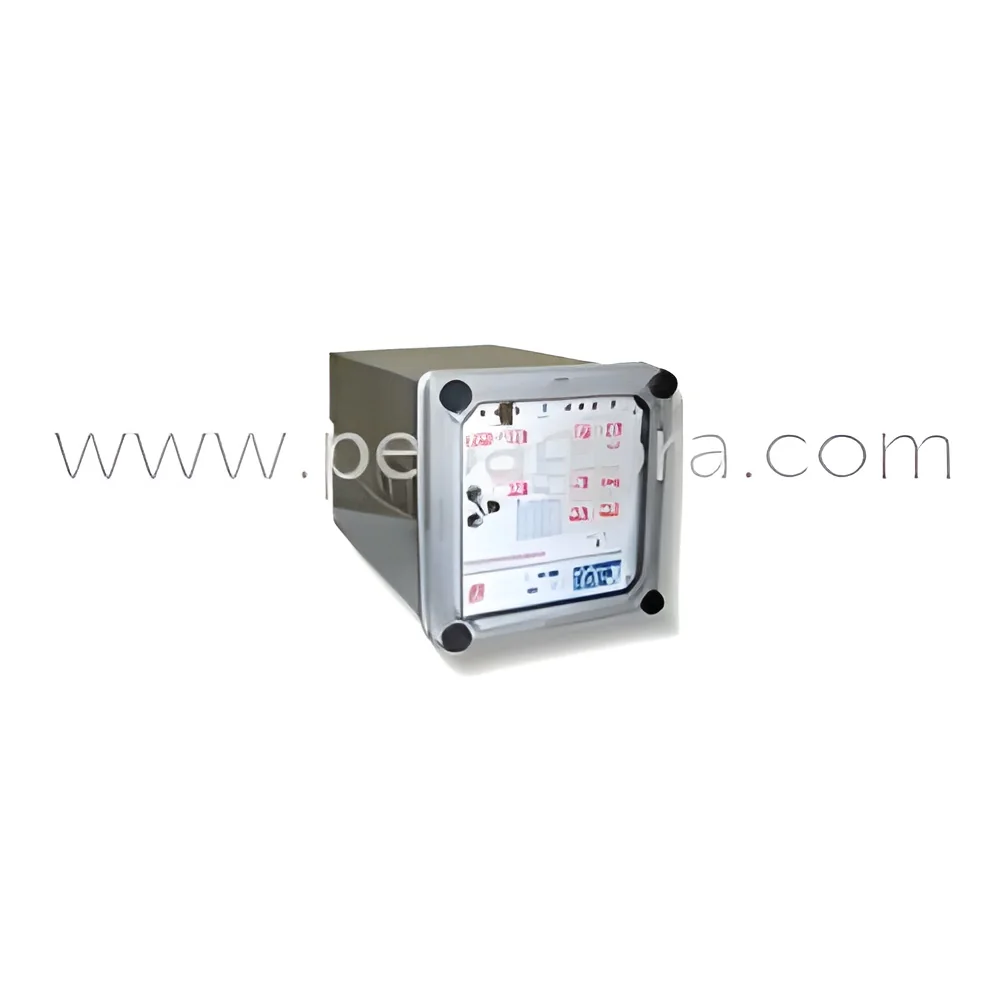
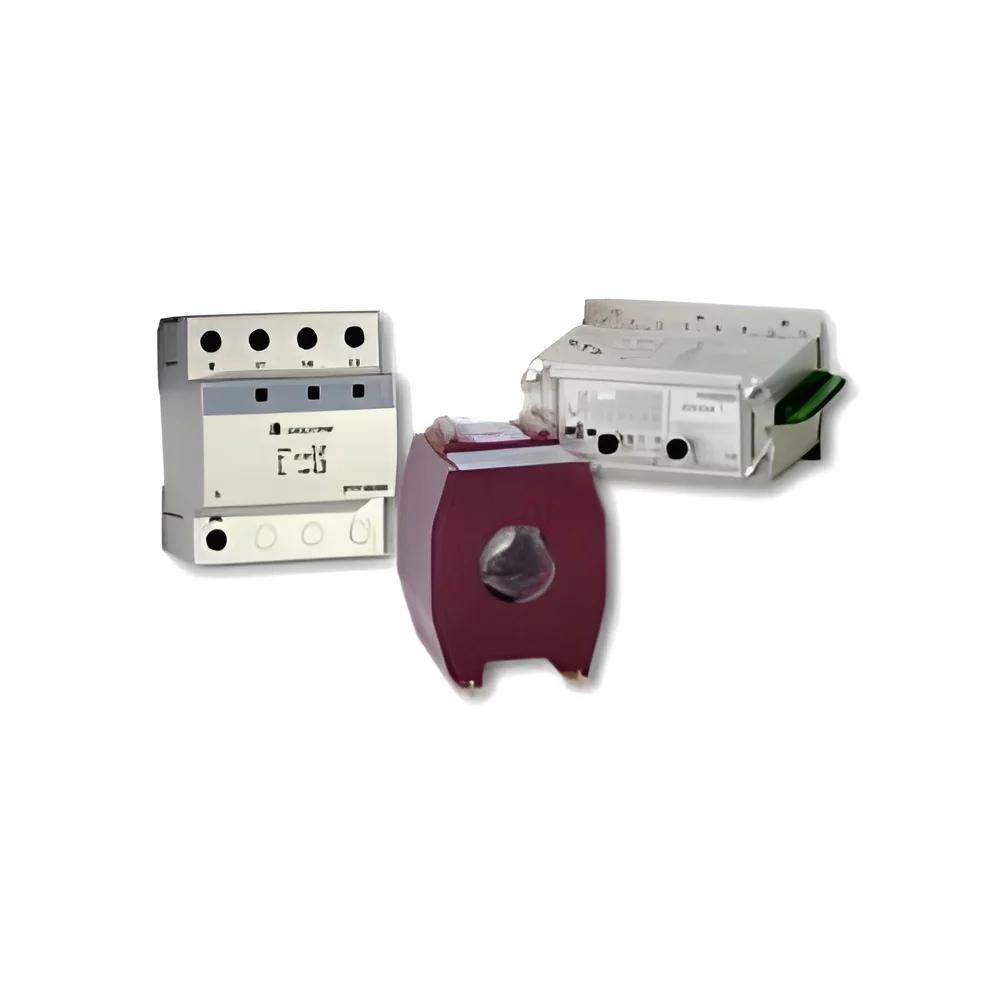
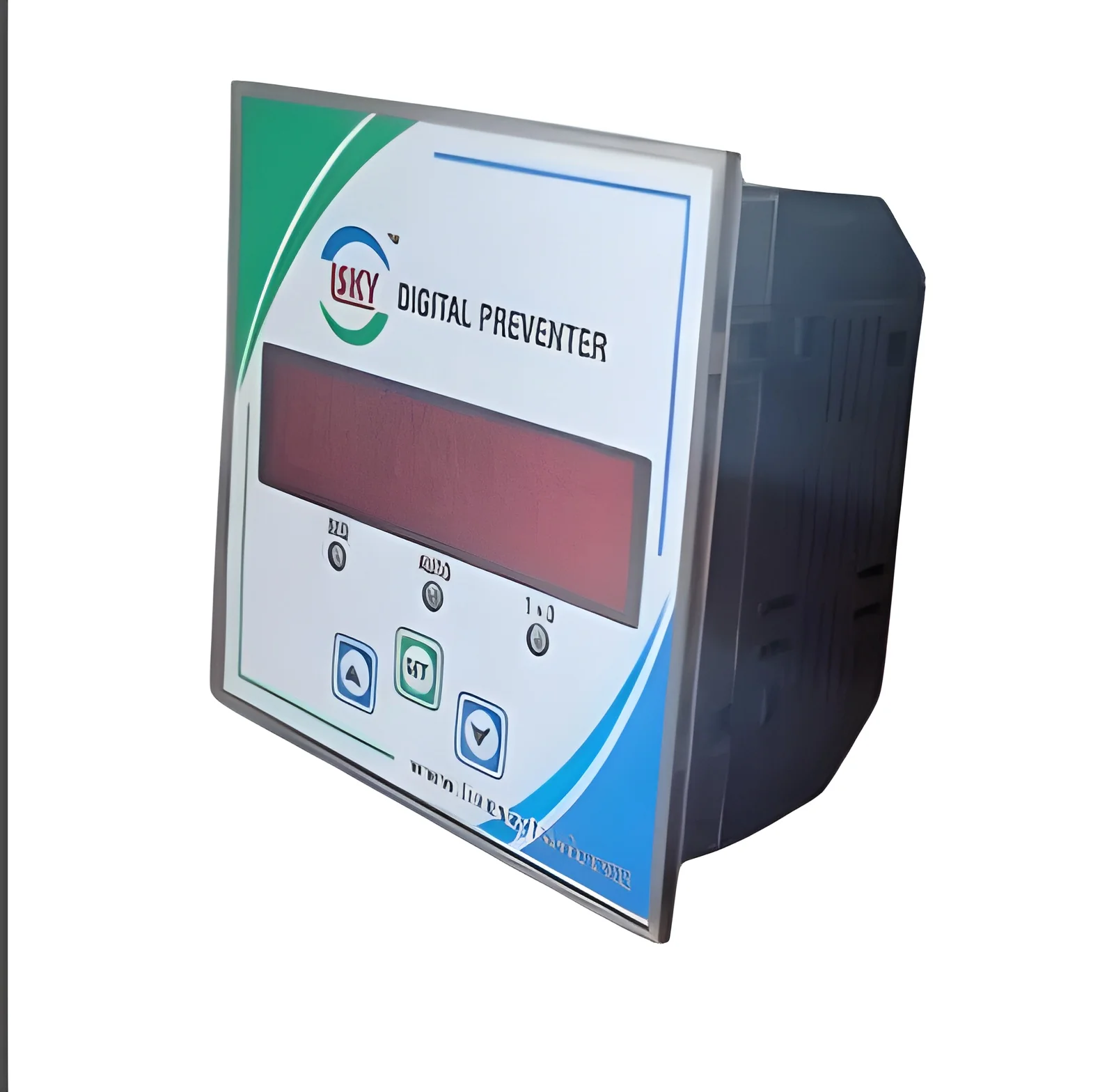
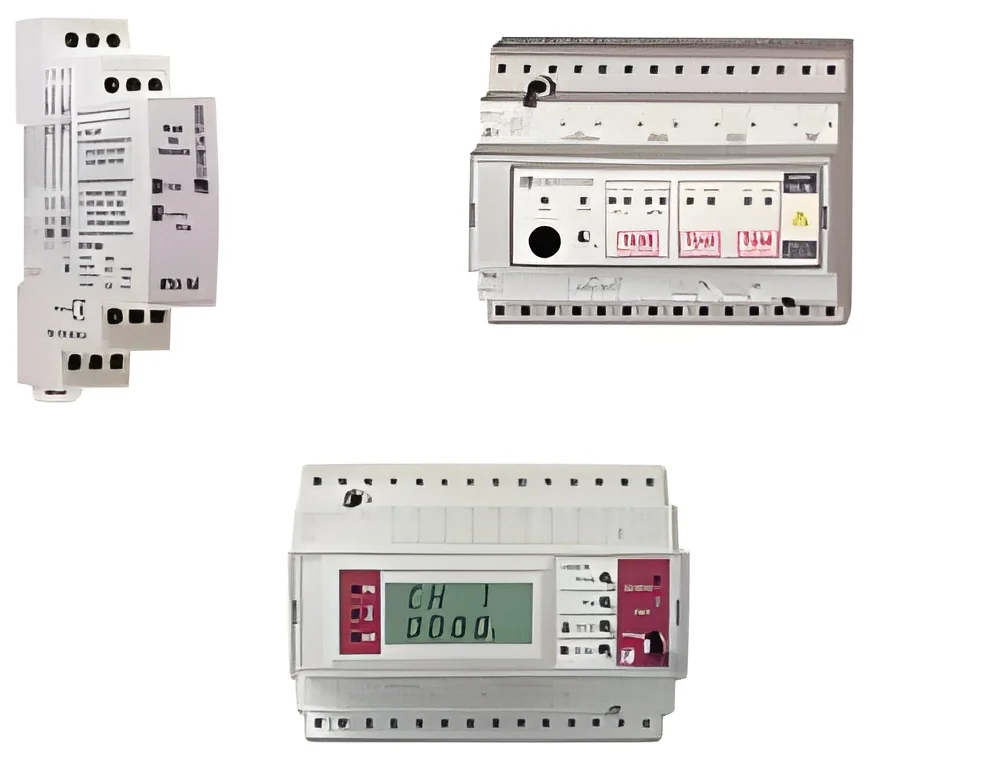
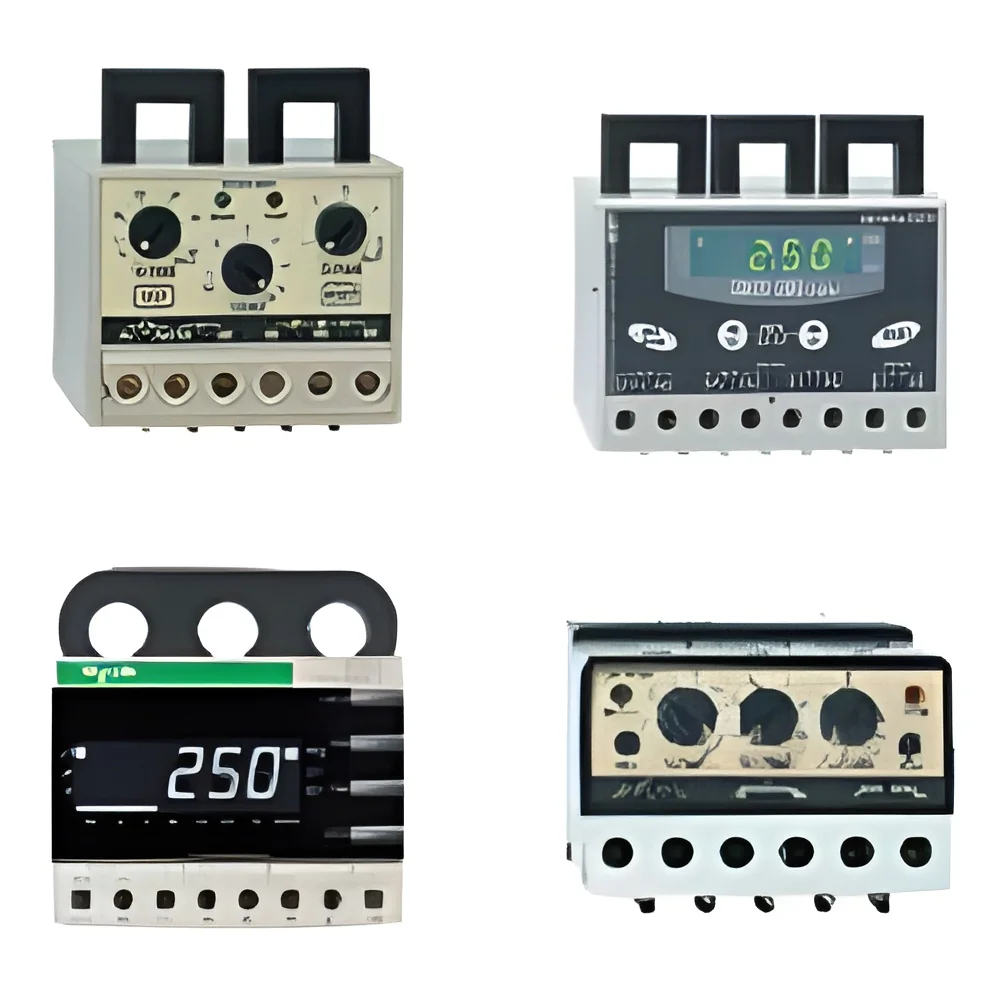
What are Protection Relays?
Protection relays are critical devices used in electrical systems to detect abnormal conditions and prevent damage to equipment. They monitor electrical parameters such as voltage, current, and frequency. When they identify a fault, they activate protective measures to isolate the affected section of the network. This ensures the safety and reliability of power systems.
These devices are primarily used in substations, power plants, and industrial facilities. They serve as the first line of defense against electrical faults, including overloads, short circuits, and equipment failures. Businesses rely on protection relays to maintain operational continuity and minimize downtime. Their effectiveness in safeguarding expensive machinery and ensuring compliance with regulatory standards makes them invaluable in various industries.
In the context of the growing demand for reliable power systems, the market for protection relays is expanding. The rise of renewable energy sources and the increasing complexity of electrical grids necessitate advanced protective solutions. As industries prioritize safety and efficiency, protection relays play a pivotal role in meeting these challenges.
Key Features and Specifications
Protection relays come with a range of features designed to enhance their functionality and reliability. These specifications ensure that they can effectively monitor and protect electrical systems under various conditions.
Key specifications include:
1. Voltage Rating
- Indicates the maximum voltage the relay can handle, typically ranging from low voltage (below 1kV) to high voltage (above 1kV).
2. Current Rating
- Refers to the maximum continuous current the relay can carry. This is generally specified in amperes (A).
3. Operating Temperature
- Specifies the range of temperatures in which the relay can operate effectively, usually between -20°C to 60°C.
4. Relay Type
- Different types include electromechanical, solid-state, and digital relays, each with unique operational characteristics.
5. Communication Protocols
- Many modern relays support communication protocols like Modbus, DNP3, or IEC 61850 for integration into smart grid systems.
6. Trip Time
- Refers to the time taken by the relay to detect a fault and initiate a trip, which is usually in milliseconds.
7. Auxiliary Power Supply
- Indicates the power requirements for the relay to operate, which can vary based on the design and features.
8. Certifications
- Common certifications include CE, ensuring compliance with European safety standards.
Protection relays are designed to provide accurate monitoring and protection, making them essential for any electrical infrastructure.
Common Applications and Use Cases
Protection relays are versatile devices utilized across various industries to ensure system integrity and safety.
1. Power Generation: In power plants, protection relays safeguard generators and transformers from faults, ensuring stable electricity supply.
2. Electrical Distribution: Utility companies use protection relays in substations to monitor and protect distribution networks from overloads and short circuits.
3. Manufacturing: In industrial settings, relays protect machinery and equipment from electrical faults, reducing downtime and maintenance costs.
4. Renewable Energy: Solar and wind energy systems employ protection relays to manage grid connections and prevent damage from electrical disturbances.
5. Transportation: Railways and airports use protection relays to maintain the reliability of power systems critical for safety operations.
6. Data Centers: These facilities utilize protection relays to safeguard sensitive equipment from power surges and outages.
7. Mining: Protection relays are essential in mining operations to protect heavy machinery from electrical failures in harsh environments.
Product Variants and Subcategories
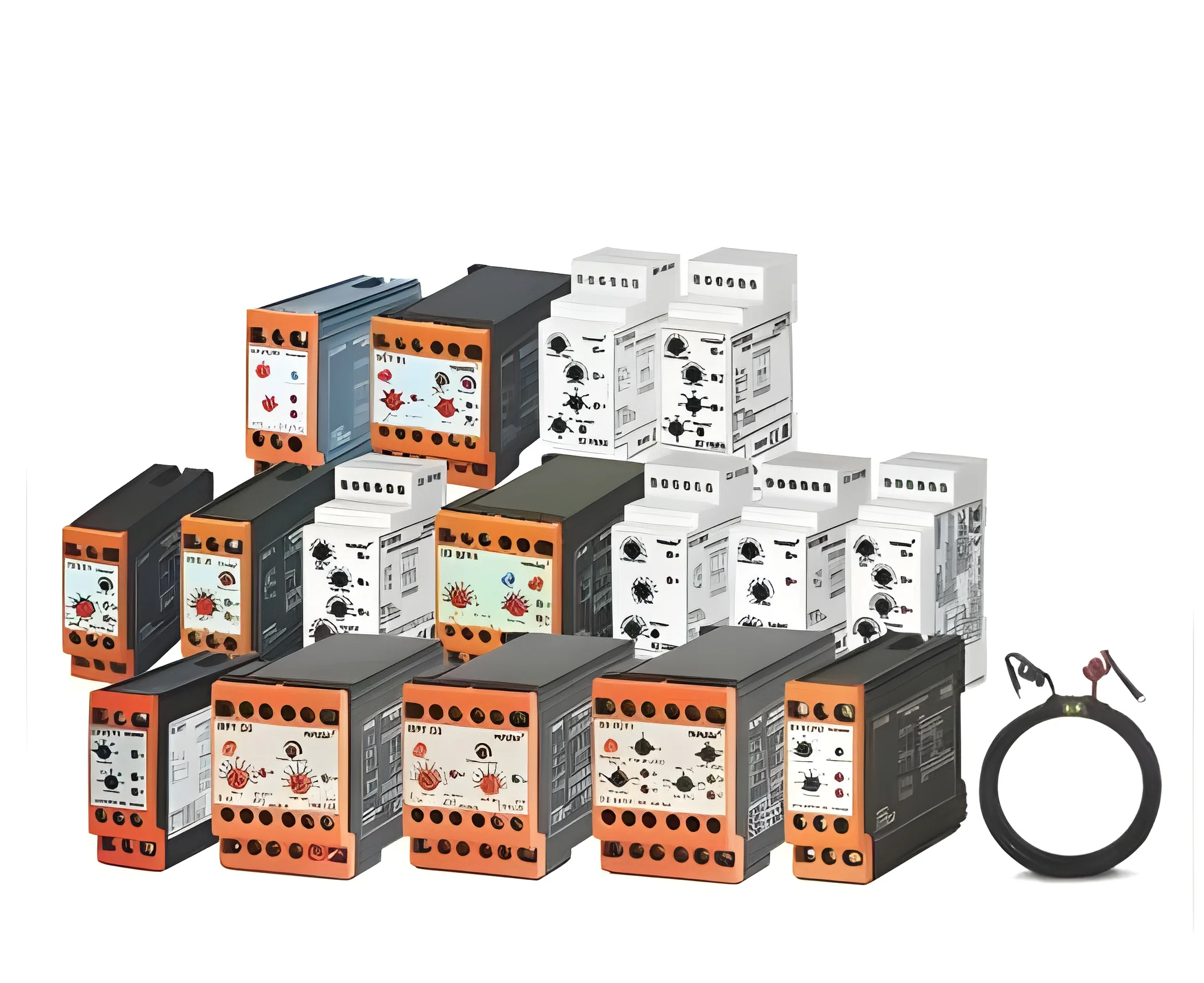
Protection relays come in various forms, each designed to meet specific needs and operational requirements.
Electromechanical Relays: These relays use mechanical parts to operate and are known for their reliability in traditional electrical systems. They are widely used in industrial applications for overload and short-circuit protection.
Digital Relays: Digital protection relays provide advanced features like data logging and remote monitoring. They are suitable for modern electrical systems that require precise fault detection and integration with smart grid technologies.
Solid-State Relays: These relays employ semiconductor components for switching and are known for their fast response times. They are commonly used in applications where quick protection is critical.
Benefits and Advantages
Protection relays offer numerous benefits that enhance operational safety and efficiency.
1. Enhanced Safety: Protection relays minimize the risk of electrical hazards, protecting both personnel and equipment from potential damage.
2. Increased Reliability: By swiftly isolating faults, these relays ensure the continuous operation of electrical systems, reducing downtime.
3. Cost-Effective Solutions: Investing in protection relays can lead to significant savings by preventing costly equipment damage and maintenance.
4. Compliance Assurance: Protection relays help meet regulatory requirements, ensuring adherence to safety standards in electrical systems.
5. Improved Monitoring: Many protection relays offer advanced monitoring capabilities, allowing for real-time system analysis and performance tracking.
6. Scalability: Protection relays can be integrated into existing systems, making them suitable for various applications and future expansions.
Buying Guide for B2B Buyers
When sourcing protection relays, several factors must be considered to ensure the right choice for your application.
1. Quality Assessment: Evaluate the reliability and performance of the relays by reviewing manufacturer specifications and customer feedback. High-quality relays are essential for effective protection.
2. Supplier Verification: Vet suppliers to ensure they provide certified products. Look for established manufacturers with a reputation for quality and service.
3. Pricing and MOQ: Understand the pricing structure and minimum order quantities. Compare costs among suppliers to ensure you are getting a competitive price.
4. Delivery and Lead Times: Confirm the delivery schedules and lead times to ensure timely availability for your projects. Consider suppliers with efficient logistics.
5. Compliance Requirements: Check for relevant industry standards and certifications that the protection relays must meet, ensuring they comply with regulatory guidelines.
Compliance and Certifications
Protection relays must adhere to several quality standards and certifications to ensure safety and reliability.
ISO 9001 is a widely recognized quality management standard that ensures manufacturers maintain consistent quality in their production processes.
CE certification indicates that the product meets European safety, health, and environmental protection standards, which is essential for market acceptance in Europe.
Safety and testing requirements play a critical role in the development of protection relays. Manufacturers must perform rigorous testing to ensure the devices function correctly under specified conditions.
Additionally, regional compliance considerations vary, and buyers should be aware of local regulations that may impact the selection of protection relays for their specific applications.
Why Source Protection Relays from Pepagora?
Pepagora offers a trusted platform for sourcing protection relays, providing several key advantages that facilitate the purchasing process.
Verified Supplier Network: Pepagora has established a network of verified suppliers, ensuring that buyers can access high-quality protection relays from reputable manufacturers. This verification process helps minimize risks associated with sourcing.
Streamlined RFQ Process: The request for quotation (RFQ) system simplifies the procurement process, allowing buyers to receive competitive quotes quickly from multiple suppliers. This efficiency saves time and enhances decision-making.
Trade Assurance and Support: Pepagora provides buyer protection programs that ensure transactions are secure and trustworthy. This support helps build confidence in the sourcing process, enabling buyers to focus on their core business activities.
Regional Coverage: With a strong presence in India, the GCC, and Southeast Asia, Pepagora effectively serves a wide range of markets. This geographic coverage ensures that businesses can find protection relays tailored to their specific needs, regardless of location.

 IN
IN