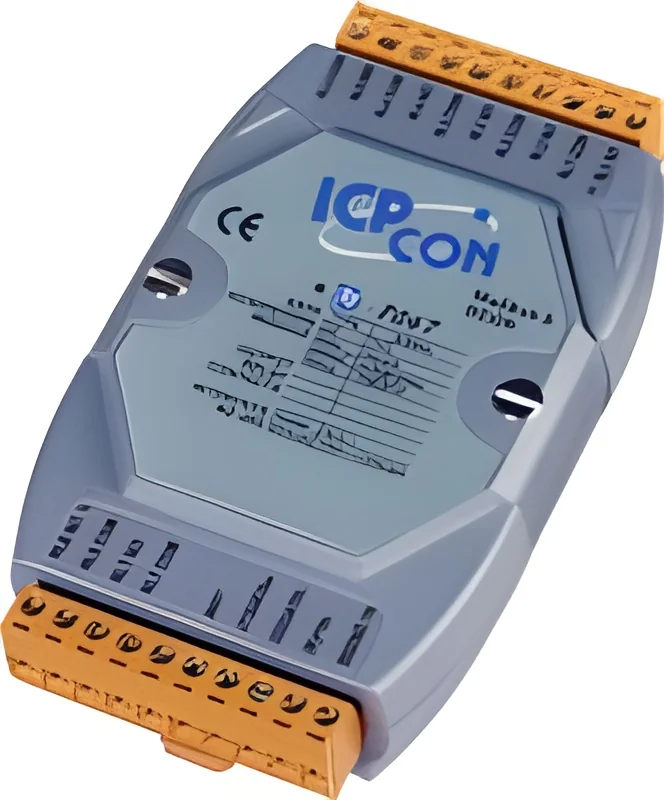
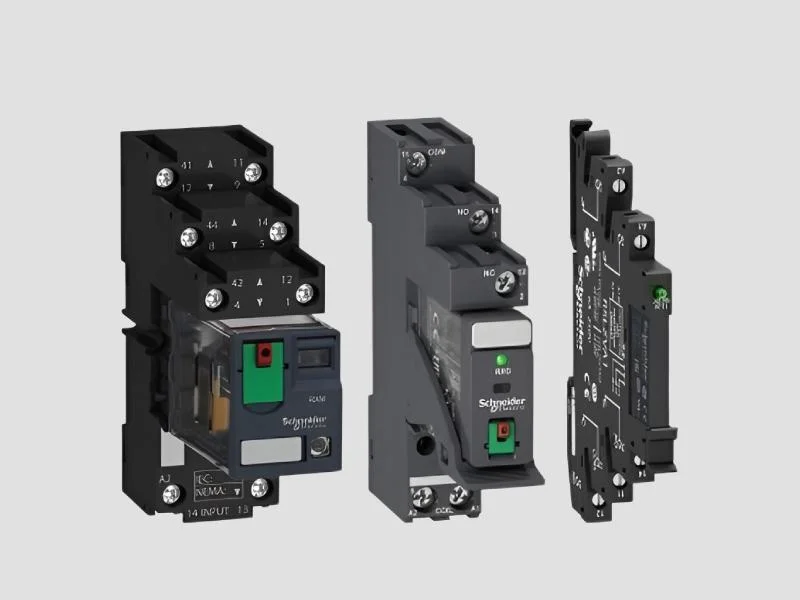
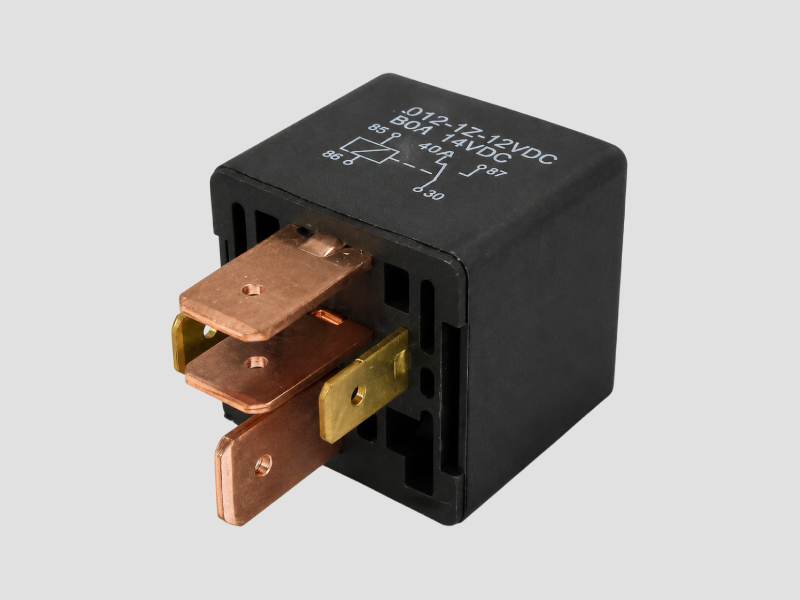
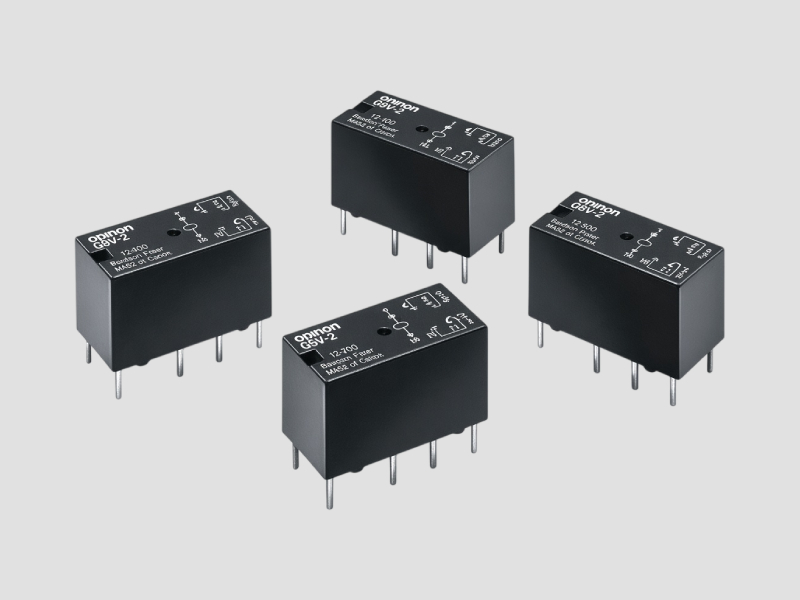
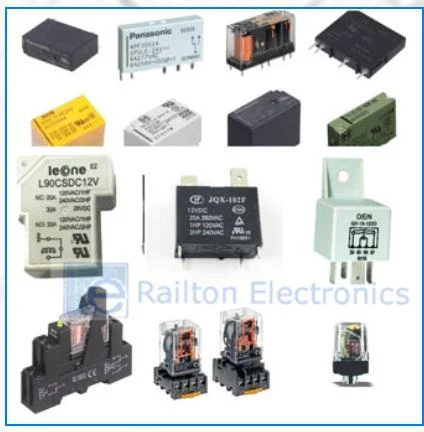
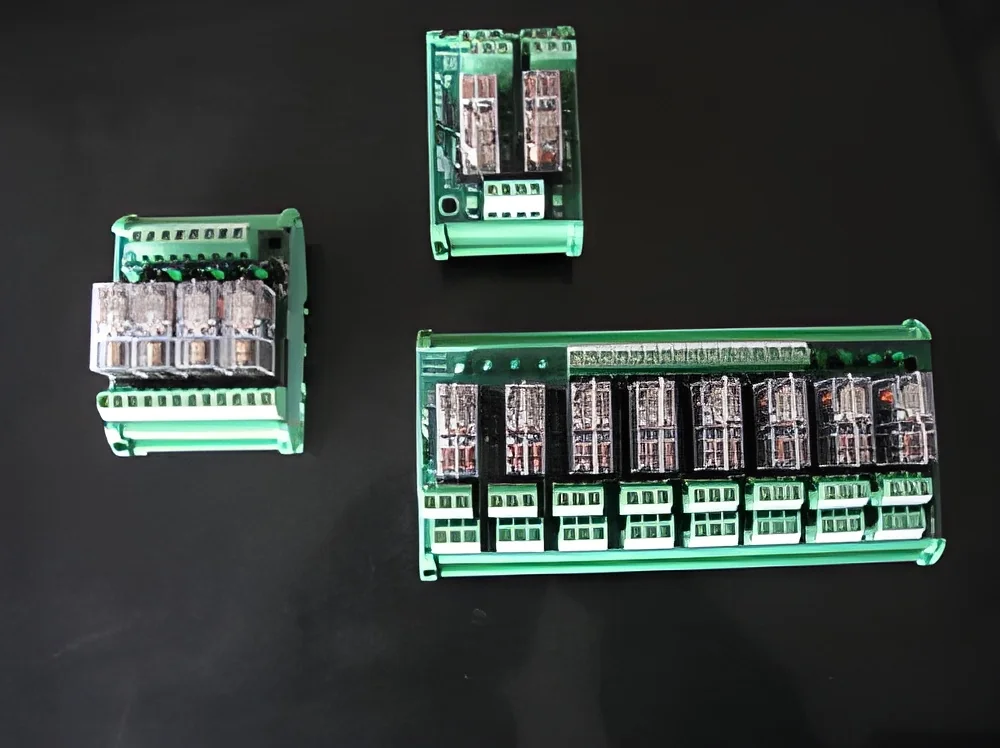
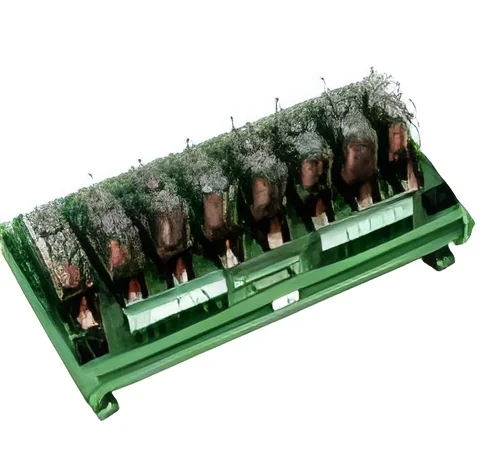
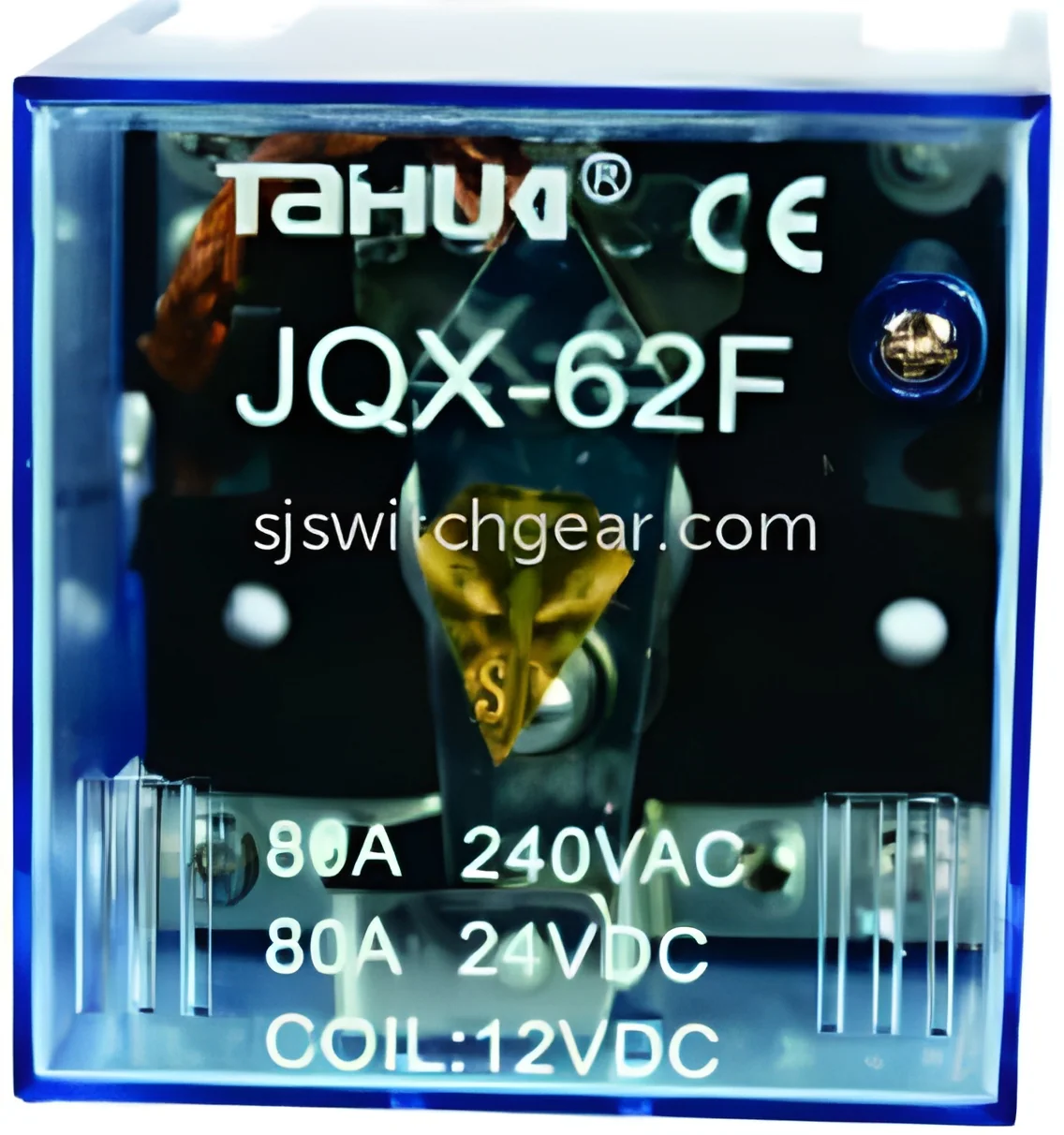
What are Control Relays?
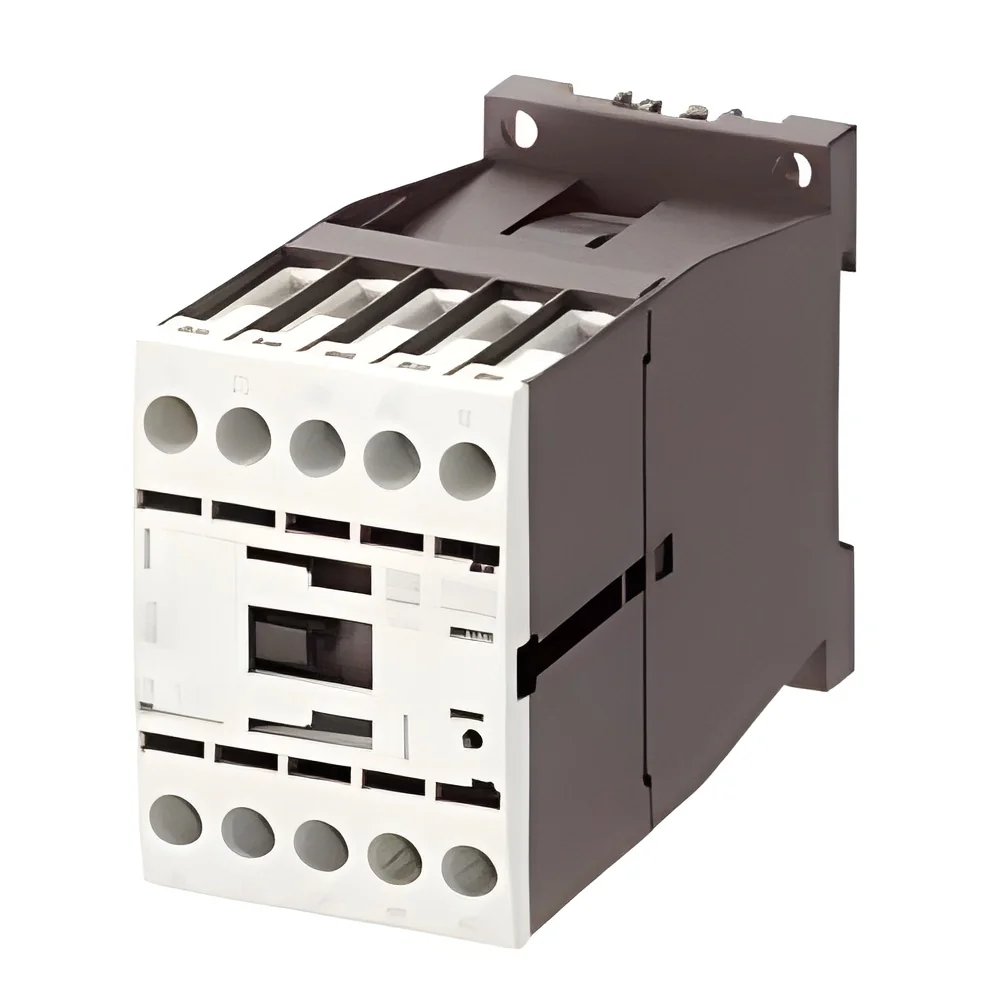
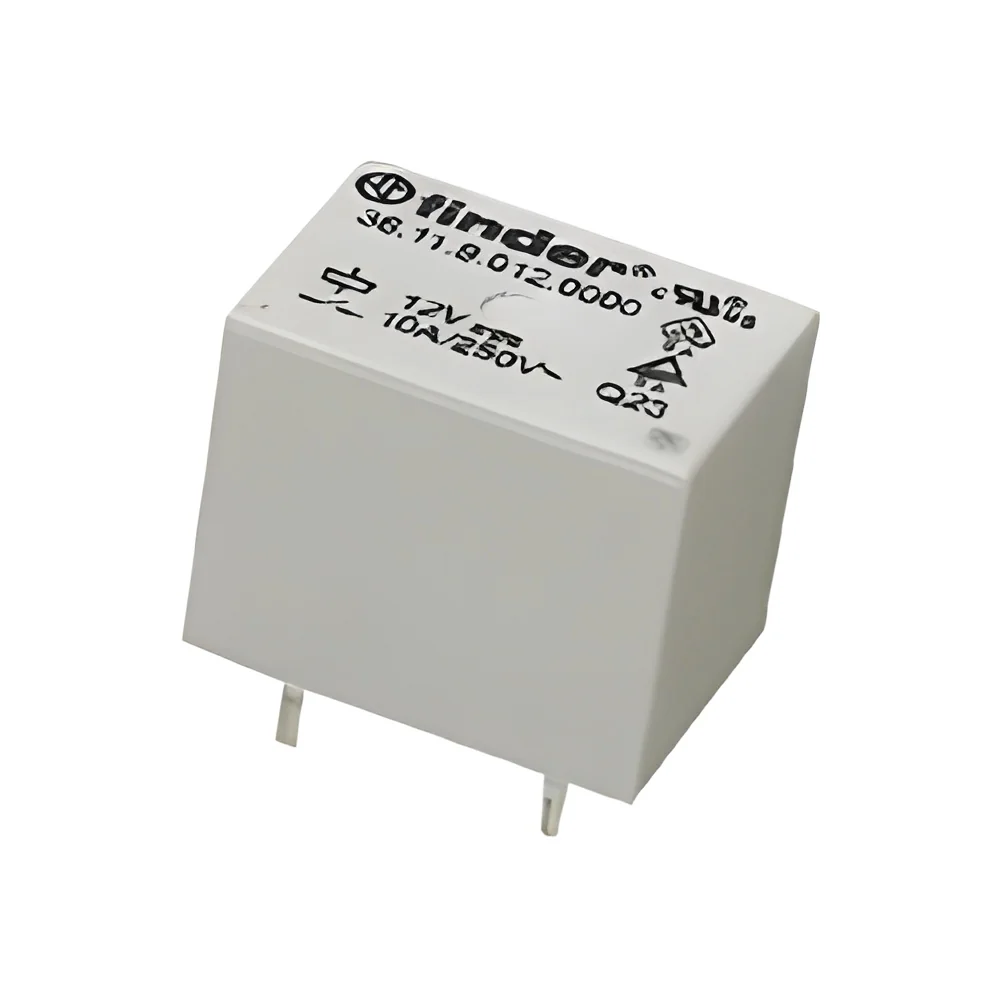
Control relays are electrical devices that manage the operation of other electrical components in a circuit. They act as switches, enabling or disabling connections based on input signals. Control relays are essential for automation and control systems, allowing for the management of various electrical loads, such as motors, lights, and other machinery. By using electromagnetic coils, these relays can control high voltage and current loads with low voltage signals, making them critical components in many industrial applications.
In the business environment, control relays are commonly used in manufacturing, building automation, and process control. They provide a reliable means to control machinery and electrical systems efficiently. Industries utilize these relays to enhance operational safety, improve system reliability, and streamline processes. As automation continues to grow in importance across sectors, the relevance of control relays is increasing, driving demand for advanced features and specifications in the market.
Key Features and Specifications
Control relays come with a range of features designed to optimize their performance and adaptability in various applications. Understanding these specifications is essential for selecting the right relay for specific needs.
Key specifications include:
1. Switching Voltage
- Determines the maximum voltage a relay can handle.
- Typically ranges from 12V to 480V.
2. Switching Current
- Indicates the maximum current the relay can switch.
- Usually varies from 5A to 30A.
3. Coil Voltage
- The voltage required to energize the relay's coil.
- Common values include 24V, 120V, and 240V.
4. Contact Configuration
- Refers to the arrangement of relay contacts (e.g., SPDT, DPDT).
- Affects how the relay can be used in circuits.
5. Operating Temperature Range
- The temperature limits within which the relay can operate effectively.
- Typically ranges from -20°C to 70°C.
6. Mechanical Life
- The number of operations a relay can perform before failure.
- Can range from 1 million to more than 10 million cycles.
7. Electrical Life
- The lifespan of the relay under electrical load conditions.
- Usually measured in terms of the number of operations.
8. Certification Standards
- Compliance with industry standards such as CE.
- Ensures reliability and safety in operations.
In summary, understanding these key features and specifications is crucial for businesses when selecting control relays that meet their operational requirements.
Common Applications and Use Cases
Control relays are used across a diverse range of industries, supporting various applications that enhance automation and control.
1. Manufacturing: In production lines, control relays manage machinery, enabling precise control over operations and improving efficiency.
2. Building Automation: Control relays play a vital role in lighting and HVAC systems, allowing for automated adjustments based on occupancy and environmental conditions.
3. Oil and Gas: These relays are used in safety systems and equipment controls to ensure reliable operation in challenging environments.
4. Transportation: Control relays are integral to traffic control systems, managing signals and ensuring smooth traffic flow.
5. Water Treatment: In water and wastewater facilities, control relays help manage pumps and valves, maintaining system efficiency and safety.
6. Aerospace: Control relays are employed in various aircraft systems to ensure safe and reliable operations.
7. Renewable Energy: In solar and wind energy systems, control relays manage the flow of electricity, optimizing performance and safety.
Product Variants and Subcategories
Control relays come in various types designed to meet specific operational needs.
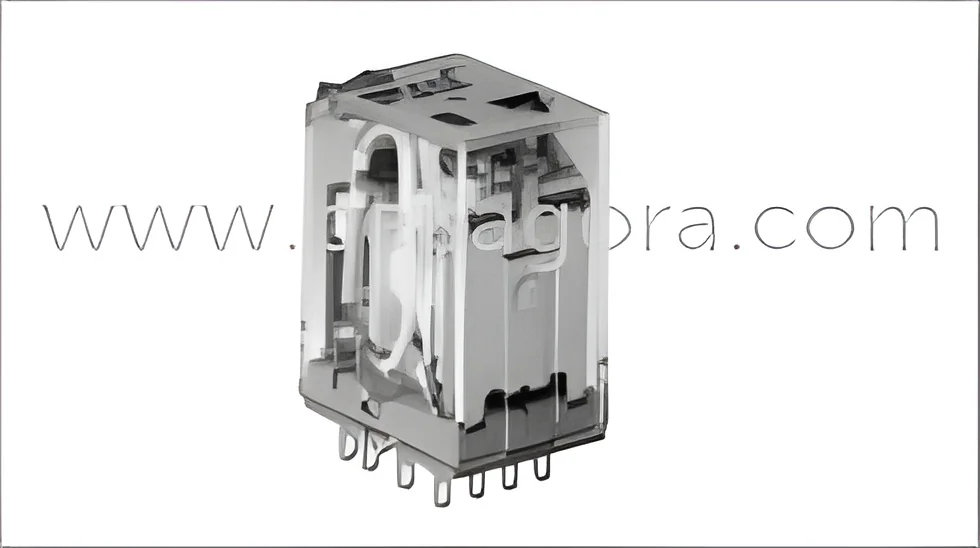
Electromechanical Relays: These are the traditional type of relays that use electromagnetic coils to switch the contacts. They are known for their reliability and simplicity, making them suitable for a wide range of applications.
Solid State Relays: These relays use semiconductor devices to control the load without moving parts. They offer faster switching times and longer lifespans, making them ideal for high-speed applications.
Time Delay Relays: These relays incorporate a timing function, allowing for delayed switching operations. They are useful in applications where timing control is critical.
Latching Relays: These relays maintain their state even after the power is removed. They are beneficial in energy-saving applications where maintaining a specific state is required.
Benefits and Advantages
Control relays offer several advantages that make them invaluable in industrial applications.
1. Enhanced Safety: Control relays help prevent electrical overloads and short circuits, minimizing risks in operational environments.
2. Improved Efficiency: By automating control processes, these relays contribute to increased operational efficiency and reduced manual intervention.
3. Cost-Effectiveness: The use of control relays can lead to lower energy costs and reduced wear on machinery, resulting in long-term savings.
4. Versatility: Control relays can be used in a wide range of applications, making them suitable for various industries and settings.
5. Reliability: With proven performance, control relays provide dependable operation, ensuring consistent control over electrical systems.
6. Simplified Maintenance: Many control relays are designed for easy installation and replacement, reducing downtime during maintenance.
Buying Guide for B2B Buyers
When sourcing control relays, it is essential to consider several key factors to ensure the right selection for your business needs.
1. Quality Assessment: Evaluate the quality of control relays by examining manufacturer certifications and industry standards. Reliable brands typically comply with international quality standards.
2. Supplier Verification: Vet potential suppliers to ensure they have a strong reputation and a track record of delivering quality products. Look for reviews and case studies.
3. Pricing and MOQ: Understand the pricing structures and minimum order quantities (MOQ) set by suppliers. This will help in budgeting and planning your procurement strategy.
4. Delivery and Lead Times: Consider logistics and delivery timelines when placing orders. Ensure suppliers can meet your project deadlines.
5. Compliance Requirements: Be aware of any regulatory compliance needed for your industry. Ensure that the control relays meet these requirements to avoid operational disruptions.
Compliance and Certifications
Compliance and certifications are vital for ensuring the quality and safety of control relays.
Many control relays adhere to relevant quality standards such as ISO 9001, which ensures effective quality management systems. This certification is essential for manufacturers looking to provide reliable products to the market.
Additionally, control relays often carry industry certifications such as CE, which signifies compliance with European safety, health, and environmental protection standards. This certification is crucial for ensuring that the products are safe for use in various applications.
Safety and testing requirements are also a priority, with many control relays undergoing rigorous testing to ensure they can operate effectively under specified conditions. This testing helps to validate the performance and safety of the relays.
Regional compliance considerations may also apply, depending on the markets in which the relays are sold. Ensuring compliance with local regulations is essential for manufacturers and suppliers to avoid potential legal issues.
Why Source Control Relays from Pepagora?
Pepagora offers a reliable platform for sourcing control relays, providing several key advantages for B2B buyers.
Verified Supplier Network: Pepagora features a network of verified suppliers, ensuring that buyers can source high-quality control relays from reputable manufacturers.
Streamlined RFQ Process: The platform provides a streamlined request for quotation (RFQ) system, making it easier for buyers to compare prices and specifications from multiple suppliers quickly.
Trade Assurance and Support: Pepagora prioritizes buyer protection through trade assurance, ensuring that transactions are secure and that buyers receive the products as expected.
Regional Coverage: With a broad geographic reach across India, the GCC, and Southeast Asia, Pepagora connects buyers with suppliers in various regions, facilitating efficient sourcing and logistics.
By choosing Pepagora, businesses can simplify their procurement process while ensuring access to quality control relays tailored to their specific needs.

 IN
IN