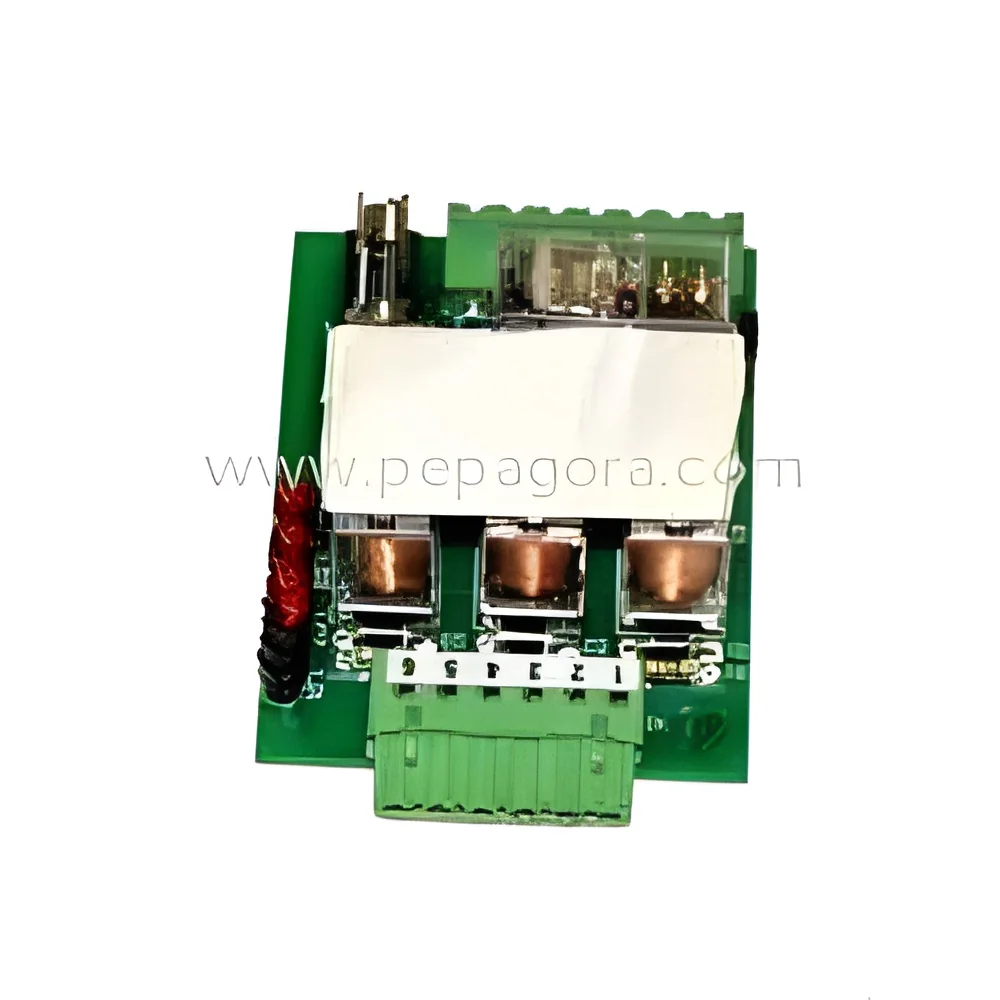
What are Electromechanical Relays?
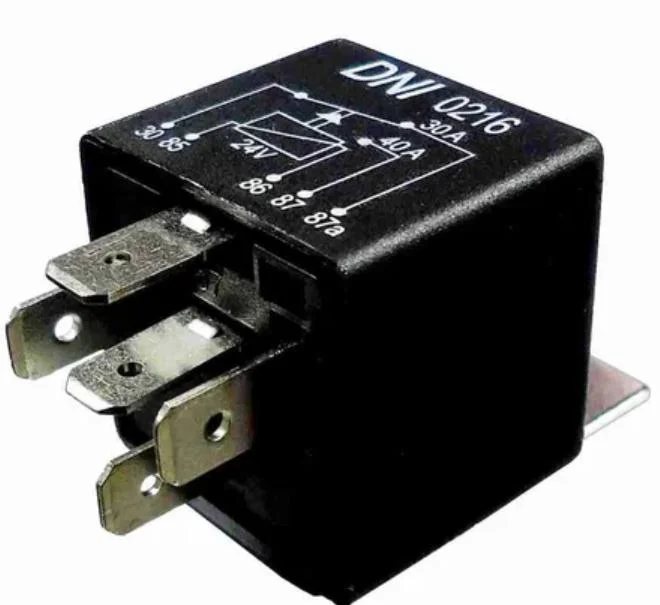
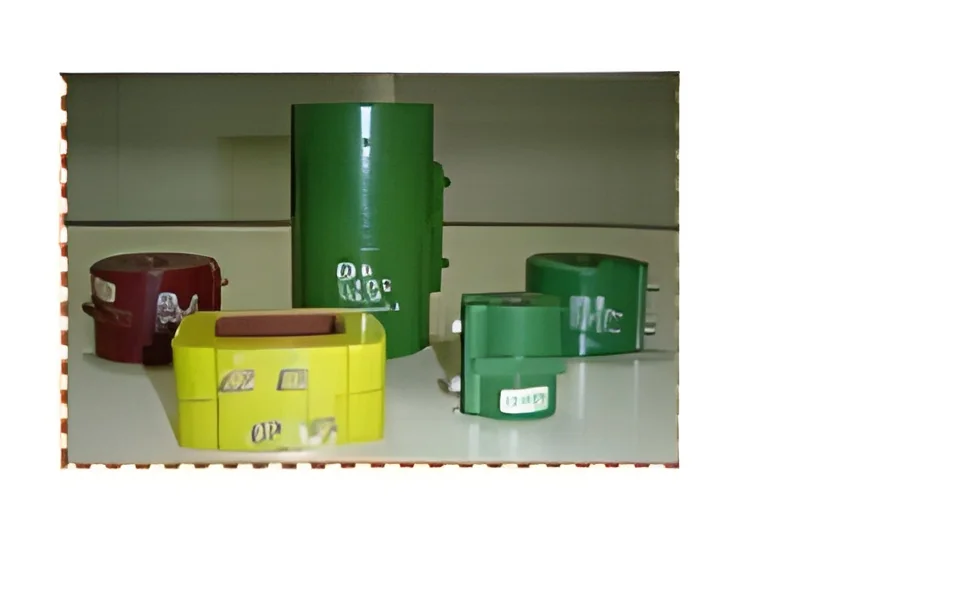
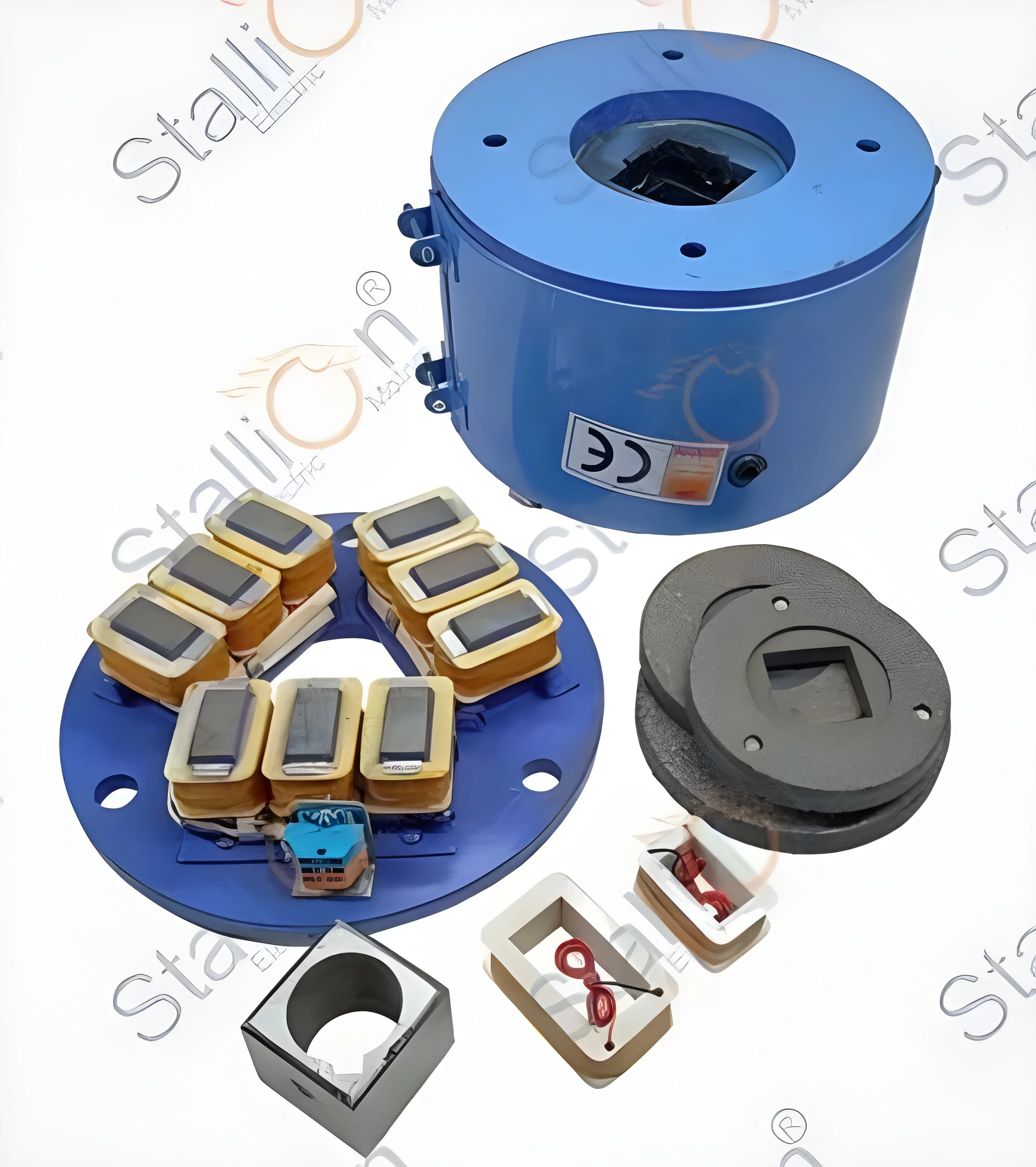
Electromechanical relays are devices that use an electromagnetic coil to mechanically operate a switch. When an electrical current flows through the coil, it generates a magnetic field that attracts a movable armature, allowing it to close or open contacts in the circuit. This action enables the relay to control a high-power circuit with a low-power signal, making it a critical component in various electrical systems.
These relays are commonly used in applications such as automation, control systems, and protective devices. They serve essential roles in industries like manufacturing, telecommunications, and transportation by providing reliable switching capabilities for motors, lights, and other equipment. Their ability to isolate and control circuits effectively makes them indispensable in modern industrial processes.
In the current market, electromechanical relays are gaining traction due to their reliability and versatility. As industries continue to evolve, the demand for effective switching solutions is increasing, positioning electromechanical relays as a key component in the development of automated and efficient systems.
Key Features and Specifications
Electromechanical relays come equipped with several features that enhance their functionality and reliability. Understanding these specifications is crucial for selecting the right relay for specific applications.
Key specifications include:
1. Coil Voltage
- The voltage required to energize the relay coil
- Common ranges include 5V, 12V, 24V, and 48V
2. Contact Configuration
- The arrangement of relay contacts
- Types include SPST (Single Pole Single Throw), SPDT (Single Pole Double Throw), DPST (Double Pole Single Throw), and DPDT (Double Pole Double Throw)
3. Switching Current
- The maximum current that the relay contacts can handle
- Typically ranges from a few milliamps to several amps
4. Switching Voltage
- The maximum voltage that can be switched by the relay
- Often ranges from 30V to 250V or more
5. Contact Resistance
- The resistance of the relay contacts when closed
- Lower resistance values lead to better performance
6. Operating Temperature Range
- The temperature range in which the relay can operate efficiently
- Common ranges are -40°C to +85°C, though specific ranges may vary
7. Lifespan
- The number of switching cycles the relay can perform before failure
- Ranges can vary widely based on usage and conditions
8. Mounting Type
- The method of installation for the relay
- Options include PCB mount, panel mount, and chassis mount
In summary, selecting the right electromechanical relay involves understanding these key features and specifications to ensure compatibility with specific applications.
Common Applications and Use Cases
Electromechanical relays are versatile components used across various industries for a multitude of applications.
1. Automotive: In the automotive sector, electromechanical relays control headlights, fuel pumps, and other essential systems, ensuring reliable operation.
2. Manufacturing: These relays are used in assembly lines for controlling motors and sensors, providing automated solutions that enhance production efficiency.
3. Telecommunications: In telecom infrastructure, relays facilitate the switching of signals and power management, ensuring seamless communication networks.
4. HVAC Systems: Electromechanical relays control heating, ventilation, and air conditioning systems, helping maintain optimal indoor climates.
5. Home Appliances: In household appliances, relays manage various functions, such as starting motors and controlling heating elements.
6. Industrial Automation: They play a crucial role in factory automation systems, facilitating the operation of machinery and safety equipment.
7. Power Distribution: Electromechanical relays are vital in electrical substations and distribution networks for circuit protection and control.
Product Variants and Subcategories
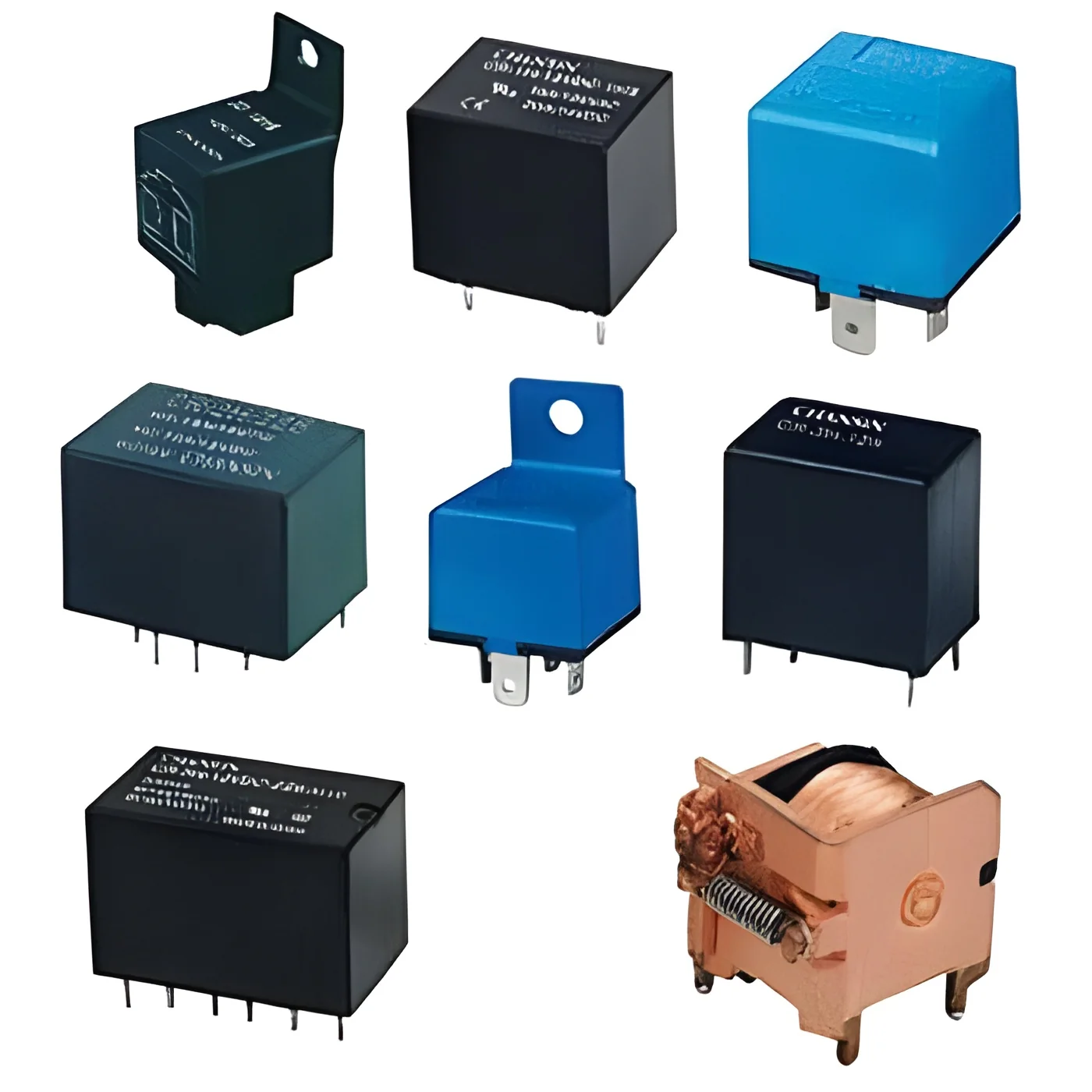
Electromechanical relays come in various designs and configurations to suit different needs.
General Purpose Relays
These are versatile and widely used in multiple applications, offering reliable performance for everyday switching tasks.
Miniature Relays
Compact in size, miniature relays are ideal for applications with limited space while still providing robust switching capabilities.
Automotive Relays
Designed specifically for automotive applications, these relays are built to withstand harsh conditions and provide reliable performance in vehicles.
Solid State Relays
While technically not electromechanical, these relays offer similar functionality with enhanced durability and faster switching times, making them a popular choice in certain applications.
Benefits and Advantages
Electromechanical relays offer numerous benefits that make them a preferred choice in various applications.
1. Cost-Effectiveness: These relays are generally affordable, making them accessible for businesses looking to optimize their operations without significant investment.
2. Reliability: Electromechanical relays are known for their durability and long lifespan, ensuring consistent performance over time.
3. Versatility: With various configurations and specifications, these relays can be adapted to suit a wide range of applications across multiple industries.
4. Simple Operation: Their straightforward design allows for easy integration into existing systems, reducing installation complexity.
5. Isolation: Electromechanical relays provide electrical isolation between the control circuit and the load circuit, enhancing safety and protecting sensitive components.
6. High Switching Capacity: They can handle significant voltage and current loads, making them suitable for demanding industrial applications.
Buying Guide for B2B Buyers
When sourcing electromechanical relays, several factors should be taken into account to ensure optimal selection and procurement.
1. Quality Assessment: Evaluate the quality of the relays through testing and review of manufacturer standards to ensure reliability in performance.
2. Supplier Verification: Vet suppliers by checking their reputation, certifications, and customer feedback to ensure they provide high-quality products.
3. Pricing and MOQ: Understand the pricing structure and minimum order quantities, as these factors can significantly impact your budget and project timelines.
4. Delivery and Lead Times: Consider logistics and the expected lead times for delivery to avoid disruptions in your supply chain.
5. Compliance Requirements: Ensure the relays meet relevant industry standards and regulatory requirements, such as CE certification, to guarantee safety and performance.
Compliance and Certifications
Electromechanical relays must adhere to several quality standards and certifications to ensure safety and reliability in various applications. One primary standard is ISO 9001, which mandates a quality management system that can help manufacturers maintain consistency and improve customer satisfaction.
In addition to ISO standards, electromechanical relays often require compliance with industry-specific regulations, such as CE marking, which indicates that the product meets European safety and health standards. This is crucial for products used in the European market.
Safety and testing requirements typically involve rigorous evaluations to ensure that relays perform safely under normal operating conditions. This includes assessments for electrical insulation, thermal performance, and the ability to withstand environmental factors.
Moreover, regional compliance considerations may vary, requiring additional certifications based on local regulations. Buyers should ensure that the relays they source comply with these regional standards to avoid penalties or operational issues.
Why Source Electromechanical Relays from Pepagora?
Pepagora provides a trusted platform for sourcing electromechanical relays, offering several key advantages to buyers.
Verified Supplier Network: Pepagora connects buyers with a network of verified suppliers, ensuring that all listed manufacturers meet high-quality standards. This vetting process helps businesses minimize risks associated with sourcing.
Streamlined RFQ Process: The request for quotation (RFQ) process on Pepagora is designed to be efficient and user-friendly. Buyers can quickly submit their requirements and receive competitive quotes from multiple suppliers, facilitating informed decision-making.
Trade Assurance and Support: Pepagora offers buyer protection through trade assurance programs, providing peace of mind when sourcing electromechanical relays. This support ensures that transactions are secure and that buyers receive the products as described.
Regional Coverage: With a strong presence in India, the GCC, and Southeast Asia, Pepagora's extensive regional coverage allows buyers to access reliable suppliers and products tailored to their specific markets. This geographic reach enhances the ability to meet local demands efficiently.

 IN
IN