What are Miniature Relays?
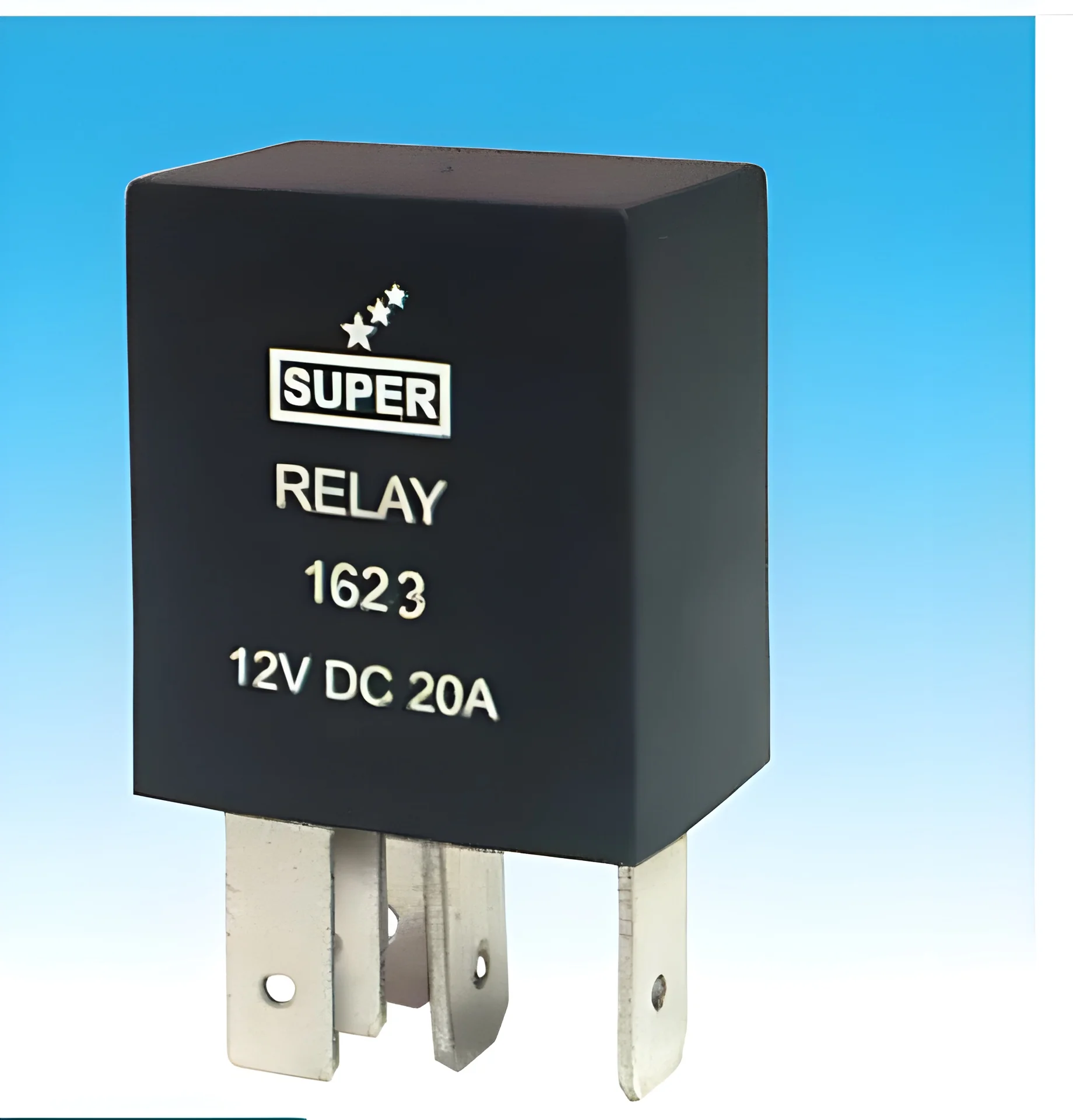
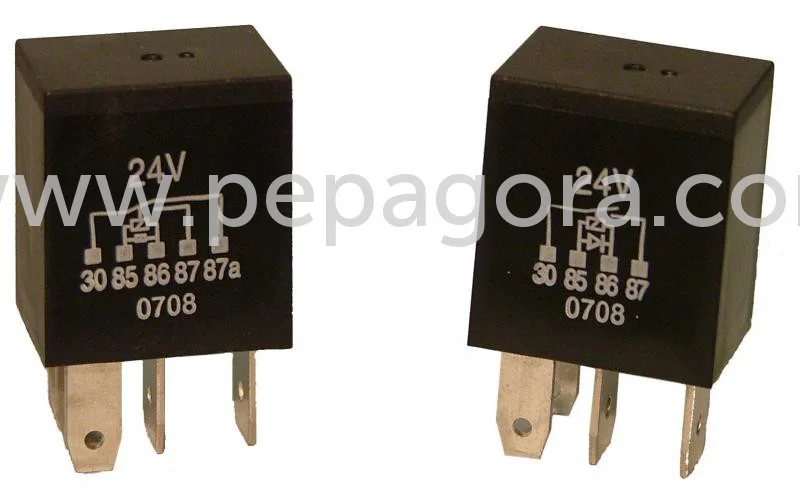
Miniature relays are compact switching devices that control electrical circuits by using a low-power signal to operate a higher-power circuit. They consist of an electromagnetic coil and a set of contacts. When the coil is energized, it creates a magnetic field that moves the contacts, opening or closing the circuit. This allows for the control of multiple circuits with a single signal and is essential for automation and control in various applications.
These relays are commonly used in industries such as automotive, telecommunications, and home automation. They enable functions such as controlling lights, motors, and other equipment from a distance. The small size of miniature relays makes them ideal for applications where space is limited, while still providing reliable performance. Their versatility and ability to handle diverse electrical loads make them a staple in modern electronic designs.
The market for miniature relays is expanding as industries increasingly adopt automation technologies. With advancements in miniaturization and reliability, miniature relays are becoming integral to smart devices and IoT applications. This growth reflects the demand for efficient and compact control solutions in various sectors.
Key Features and Specifications
Miniature relays offer a range of features that enhance their performance and adaptability across different applications. Understanding these specifications is crucial for selecting the right relay for specific needs.
Key specifications include:
1. Coil Voltage
- Typical voltage ratings range from 5V to 24V.
- This determines the voltage needed to energize the relay's coil.
2. Contact Rating
- Ratings usually range from 1A to 30A.
- It indicates the maximum load the relay contacts can handle.
3. Switching Type
- Types include Normally Open (NO) and Normally Closed (NC).
- This defines how the relay operates when not energized.
4. Number of Contacts
- Options range from single-pole to multi-pole configurations.
- This allows for multiple circuits to be controlled simultaneously.
5. Operating Temperature
- Standard ranges are typically between -40°C to +85°C.
- Temperature affects relay performance and lifespan.
6. Material Type
- Common materials include plastic and metal housings.
- This influences durability and environmental resistance.
7. Mounting Type
- Options include PCB mounting or socket mounting.
- This affects installation flexibility in various applications.
8. Certifications
- Many relays are certified to standards such as CE.
- Certification ensures compliance with safety and performance regulations.
In summary, understanding these features and specifications helps businesses choose the appropriate miniature relay for their applications, ensuring reliability and efficiency.
Common Applications and Use Cases
Miniature relays are widely used across various industries due to their compact size and versatility.
1. Automotive: In vehicles, miniature relays control lighting systems, power windows, and other electronic components, enhancing overall functionality and user experience.
2. Telecommunications: These relays are employed in communication devices to switch signals and manage connections, ensuring seamless communication.
3. Home Automation: Miniature relays enable smart home devices to operate efficiently, allowing users to control lighting, heating, and security systems remotely.
4. Industrial Automation: In manufacturing processes, relays are used to control machinery and safety systems, improving operational efficiency and safety.
5. HVAC Systems: Miniature relays are integral to heating, ventilation, and air conditioning systems, controlling fans, compressors, and other components for optimal climate control.
6. Medical Devices: In healthcare, these relays ensure the reliable operation of diagnostic and therapeutic equipment, contributing to patient safety.
7. Consumer Electronics: Miniature relays are found in various electronic devices, providing control functions that enhance user interaction.
Product Variants and Subcategories
Miniature relays come in various designs and configurations to meet specific application needs.
Relay Type A
This variant is designed for high-frequency switching applications. It features a fast response time and is suitable for telecommunications and data transmission.
Relay Type B
This version is optimized for automotive applications. It offers robust performance under varying temperature conditions and is ideal for vehicle control systems.
Relay Type C
This model is designed for low-power applications, making it perfect for consumer electronics. Its compact size allows for easy integration into small devices.
Relay Type D
This variant features enhanced insulation and is suitable for industrial environments. It provides added safety and reliability in controlling heavy machinery.
Relay Type E
This relay offers multiple contact configurations, allowing for complex circuit designs. It is ideal for applications requiring simultaneous control of multiple loads.
Benefits and Advantages
Miniature relays provide several benefits that make them an attractive choice for various applications.
1. Space Efficiency: Their compact size allows for installation in limited spaces, making them ideal for modern electronic devices.
2. Versatility: Miniature relays can be used in diverse applications, from automotive to industrial, enhancing their utility across industries.
3. Reliability: These relays are designed for durability and consistent performance, reducing maintenance needs and downtime.
4. Cost-Effectiveness: Their efficient operation can lead to lower energy costs and reduced overall system expenses, providing value to businesses.
5. Easy Integration: Miniature relays can be easily integrated into existing systems, allowing for upgrades without complete overhauls.
6. Enhanced Control: They provide precise control over electrical circuits, improving operational efficiency and functionality.
Buying Guide for B2B Buyers
When sourcing miniature relays, several factors must be considered to ensure the right choice for your needs.
1. Quality Assessment: Evaluate the quality of relays by checking for certifications and compliance with industry standards. Look for reliable performance in your specific application.
2. Supplier Verification: Vet suppliers by reviewing their reputation, customer feedback, and industry experience. A trusted supplier is essential for ongoing support and reliability.
3. Pricing and MOQ: Understand the pricing structure and minimum order quantities (MOQ) to ensure they align with your budget and operational needs.
4. Delivery and Lead Times: Inquire about logistics and expected delivery times. Timely delivery is crucial for maintaining project schedules.
5. Compliance Requirements: Ensure that the relays meet all applicable regulatory requirements. Compliance is vital for safety and operational success.
Compliance and Certifications
Miniature relays are subject to various quality standards and certifications that guarantee their safety and performance.
ISO 9001 is a widely recognized standard that ensures manufacturers adhere to quality management principles. Compliance with this standard demonstrates a commitment to consistent quality and customer satisfaction.
CE certification indicates that a product meets European safety, health, and environmental protection standards. This certification is crucial for companies looking to market their products in Europe.
In addition to these certifications, miniature relays must pass specific safety and testing requirements to ensure they can withstand operational stresses. This may include thermal, electrical, and mechanical testing.
Regional compliance considerations should also be taken into account, especially for businesses operating in multiple markets. Understanding local regulations helps ensure that products remain compliant across different regions.
Why Source Miniature Relays from Pepagora?
Pepagora offers a trusted platform for sourcing miniature relays, providing several advantages for B2B buyers.
Verified Supplier Network: Pepagora maintains a network of verified suppliers, ensuring that buyers can connect with reputable manufacturers. This reduces the risks associated with sourcing and enhances buyer confidence.
Streamlined RFQ Process: The Request for Quotation (RFQ) process on Pepagora is designed for efficiency. Buyers can easily submit requests and receive competitive quotes, facilitating a smooth procurement experience.
Trade Assurance and Support: Buyers benefit from trade assurance programs that protect their orders and transactions. Pepagora provides support to resolve any issues, ensuring a satisfactory purchasing experience.
Regional Coverage: With a strong presence in India, the GCC, and Southeast Asia, Pepagora connects buyers with suppliers across these regions. This broad geographic reach enables businesses to find suitable solutions tailored to their local markets.

 IN
IN