IN
IN₹
Apparel & Fashion
Description
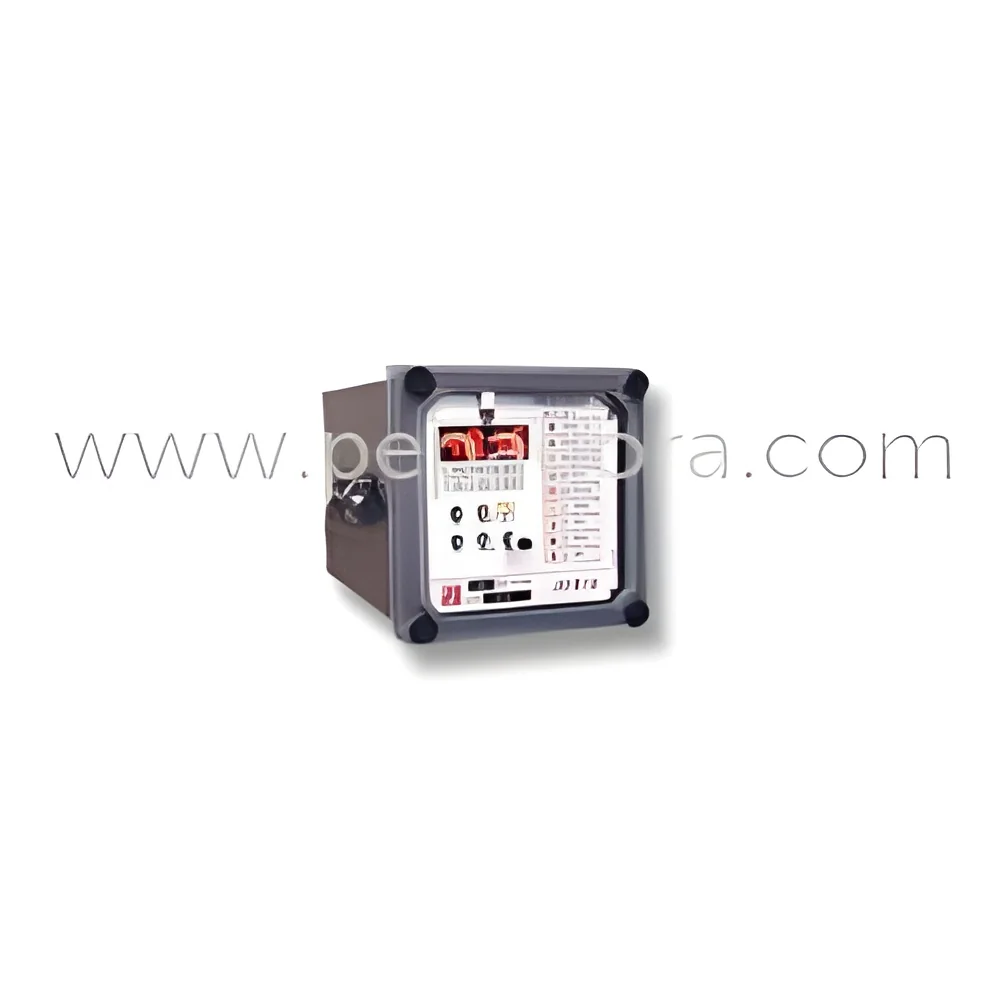
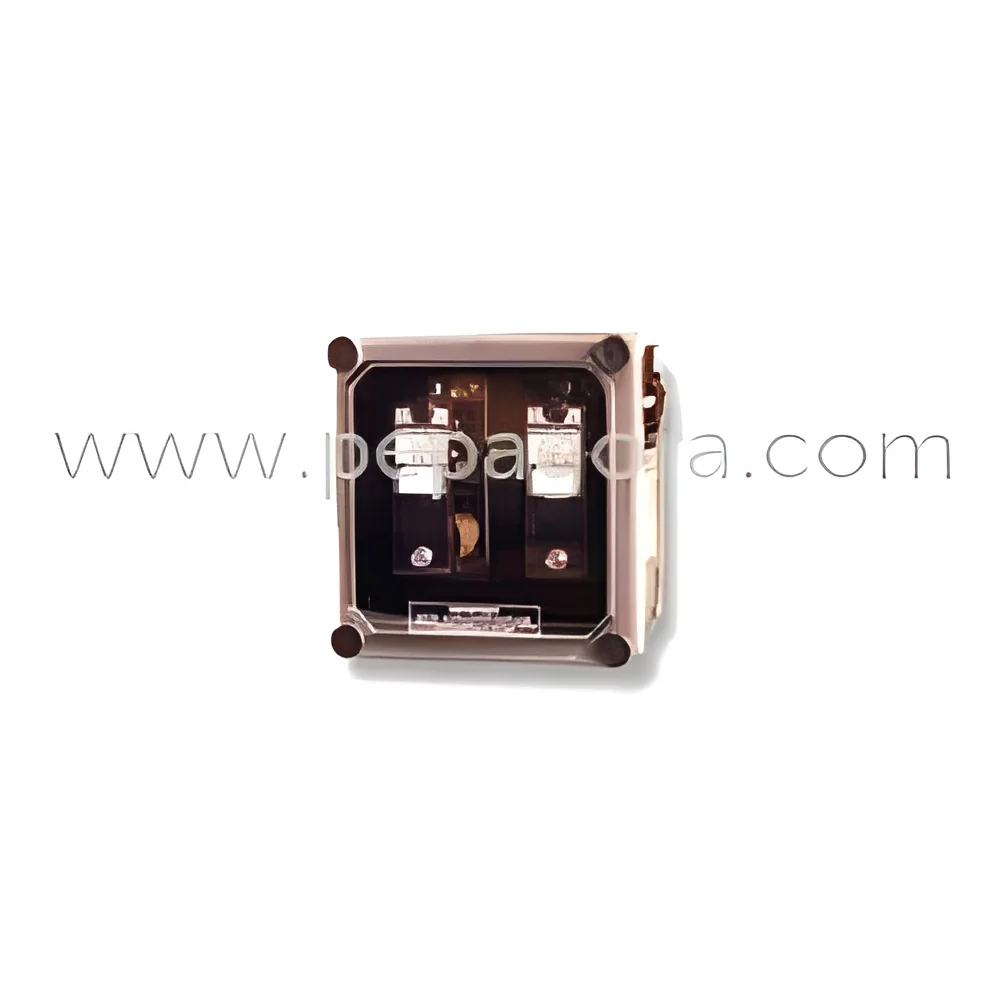
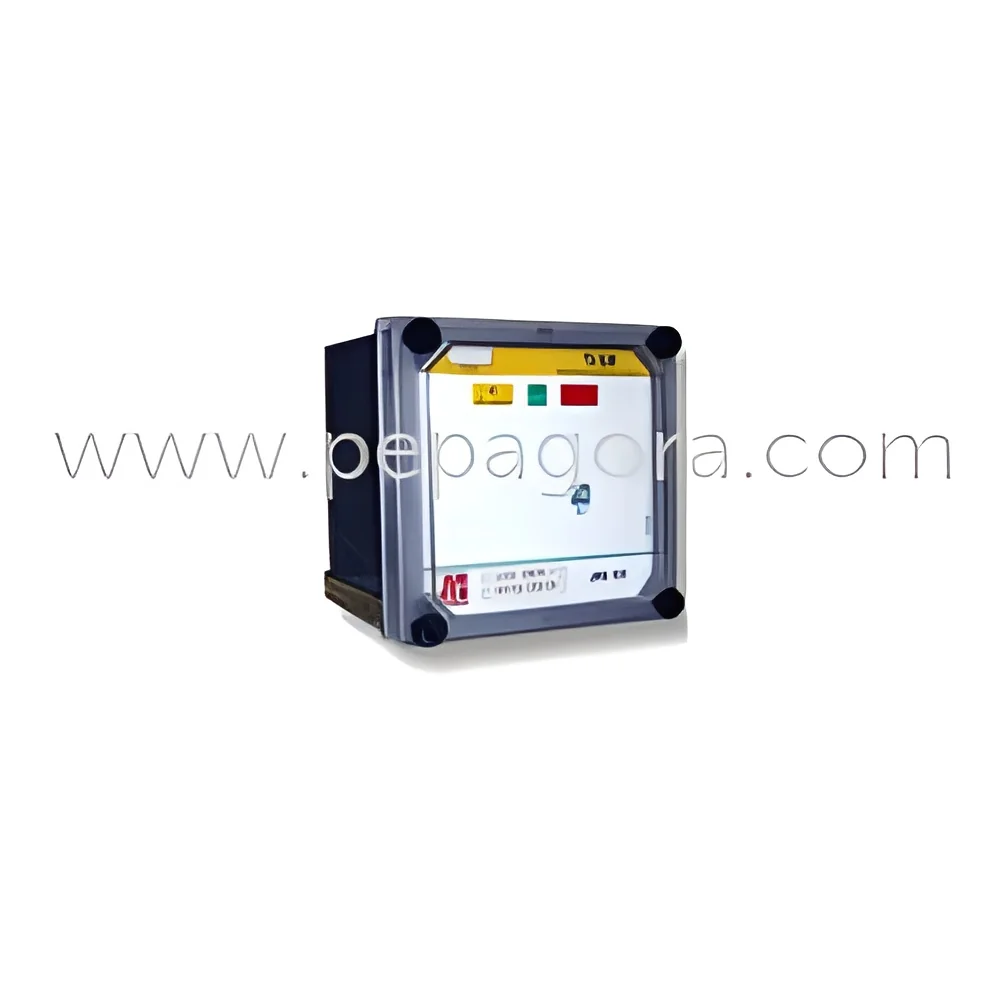
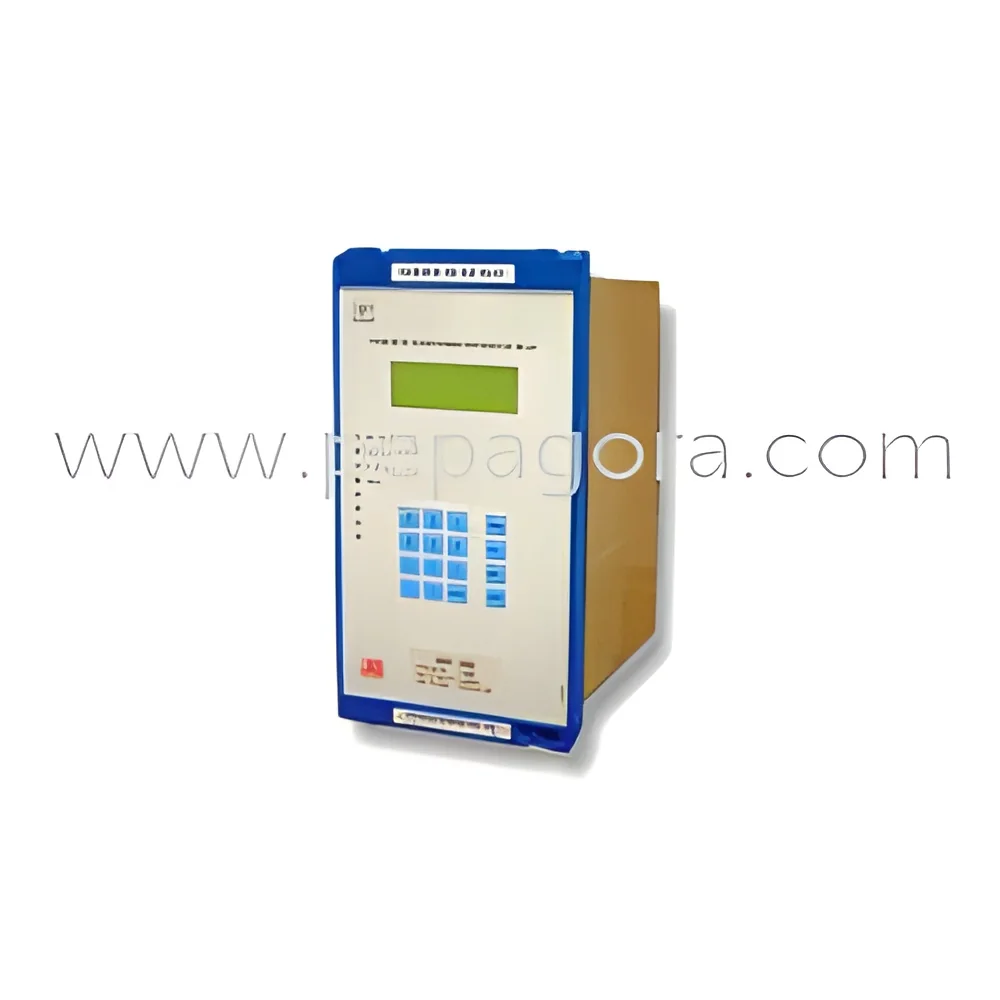
The JND 040 Numerical Transformer Differential Relay represents sophisticated protection technology specifically engineered for power transformers. Utilizing advanced microprocessor-based algorithms, this relay provides precise differential protection by comparing currents entering and leaving the transformer windings. When an internal fault occurs, creating an imbalance between these currents, the relay detects the discrepancy and initiates a trip command to isolate the transformer, preventing extensive damage. The numerical technology incorporates harmonic restraint and other stability features to distinguish between genuine internal faults and transient conditions like magnetizing inrush currents or overexcitation. This ensures both dependable operation and security against false trips, making it a reliable guardian for valuable transformer assets across various voltage levels and power ratings. Its robust design and precise measurement capabilities provide the foundation for transf...
The JND 040 Numerical Transformer Differential Relay represents sophisticated protection technology specifically engineered for power transformers. Utilizing advanced microprocessor-based algorithms, this relay provides precise differential protection by comparing currents entering and leaving the transformer windings. When an internal fault occurs, creating an imbalance between these currents, the relay detects the discrepancy and initiates a trip command to isolate the transformer, preventing extensive damage. The numerical technology incorporates harmonic restraint and other stability features to distinguish between genuine internal faults and transient conditions like magnetizing inrush currents or overexcitation. This ensures both dependable operation and security against false trips, making it a reliable guardian for valuable transformer assets across various voltage levels and power ratings. Its robust design and precise measurement capabilities provide the foundation for transformer protection in critical applications.

This protection device serves essential roles across multiple sectors of the power industry. In utility networks, it protects large transmission and distribution transformers that form the backbone of the electrical grid, preventing localized faults from cascading into widespread outages. Industrial plants rely on it to safeguard transformers powering heavy machinery, process lines, and facility infrastructure, where an unexpected failure could halt production and cause significant financial loss. The renewable energy sector employs these relays to protect transformers at solar inverter stations and wind turbine collection points, ensuring consistent power delivery to the grid. Furthermore, commercial complexes, data centers, and healthcare facilities implement this protection to maintain uninterrupted power for critical operations, safety systems, and sensitive electronic equipment. The relay's adaptability to different transformer configurations makes it suitable for diverse installation requirements.

The business value delivered by the JND 040 relay extends far beyond basic equipment protection to encompass operational resilience and long-term asset management. Its high reliability minimizes the risk of unexpected transformer failures, which are notoriously expensive in terms of both repair costs and production downtime. The numerical platform offers self-diagnostic capabilities and detailed event recording, which streamline maintenance, aid in post-fault analysis, and support predictive maintenance strategies. By preventing catastrophic damage, the relay protects a significant capital investment and helps avoid lengthy replacement lead times. This operational assurance contributes to lower total cost of ownership, potential reductions in insurance premiums, and extended transformer service life. The relay delivers a compelling return on investment through enhanced system availability, reduced operational risk, and improved maintenance planning based on accurate fault data and system performance information.

Key Features:
- Advanced numerical differential protection algorithm with harmonic restraint for stability during inrush.
- High-precision current measurement and processing for sensitive internal fault detection.
- Configurable settings for various transformer vector groups, CT ratios, and tap changer positions.
- Built-in communication ports for integration with SCADA, IEC 61850, or other protocols for remote monitoring.
- Comprehensive event recording and oscillographic fault data capture for analysis.

Benefits:
- Prevents catastrophic transformer damage by quickly isolating internal electrical faults.
- Minimizes operational downtime and production losses by avoiding extended transformer outages.
- Enhances overall power system safety and reliability for connected equipment and personnel.
- Reduces long-term maintenance and repair costs through effective primary protection.
- Provides valuable fault records and system data to support maintenance planning and root cause analysis.
Specifications
| Additional Information | |
|---|---|
| Country of Origin | India |
Application
The JND 040 Numerical Transformer Differential Relay delivers critical protection in demanding electrical environments by continuously monitoring transformer currents. It detects internal faults like winding short circuits or turn-to-turn faults, preventing catastrophic failures that lead to extended downtime and costly repairs. This makes it essential for facilities where transformer reliability directly impacts operational continuity and safety.
This protection relay integrates seamlessly into modern power systems with communication capabilities for SCADA integration and remote monitoring. Its precise differential protection algorithm remains stable during challenging conditions like transformer energization and external system faults, ensuring security while maintaining sensitivity to genuine internal faults. The relay supports various transformer configurations and connection types found in power networks.
- Protecting large power transformers at electrical utility transmission and distribution substations to maintain grid stability.
- Safeguarding step-up and step-down transformers in power generation plants, including thermal, hydro, and nuclear facilities.
- Ensuring reliability of transformers serving critical industrial processes in manufacturing, petrochemical, and mining operations.
- Providing protection for transformers in renewable energy installations such as solar farms and wind power plants.
- Securing transformers in critical infrastructure like data centers, hospitals, and transportation systems where power continuity is essential.
Trade Details
| Available Stock | In Stock |
| Sample Availability | No |
Payment Terms
| Payment Terms |
|
Company Profile
Vee Ar Sealing Systems, Tamil Nadu
 Tamil Nadu, India
Tamil Nadu, IndiaManufacturer•Distributor / Wholesaler•Retailer
Factory Details
Factory SizeBelow 1000 sqm
Annual Production Capacity0
Main Markets
Eastern Asia
South Asia
Southeast Asia
Industrial Utility Numerical Transformer Differential Relay JND 040 Protection
JND 040 Numerical Transformer Differential Relay provides advanced microprocessor-based protection against internal faults for power transformers, ensuring operational safety and reliability in industrial and utility applications.
Min. Order Quantity: 1 unit
Shipping
Shipping fee and delivery date to be negotiated. Contact supplier now for more details.
Vee Ar Sealing Systems
 Tamil Nadu, India
Tamil Nadu, IndiaManufacturer