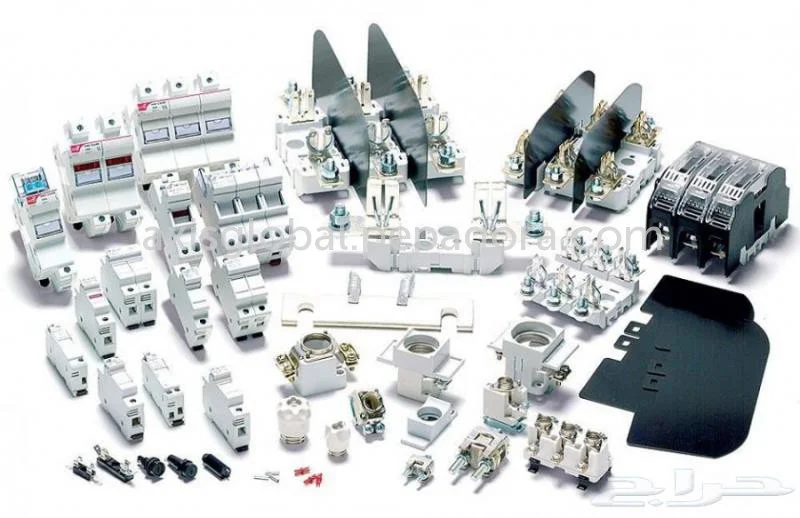
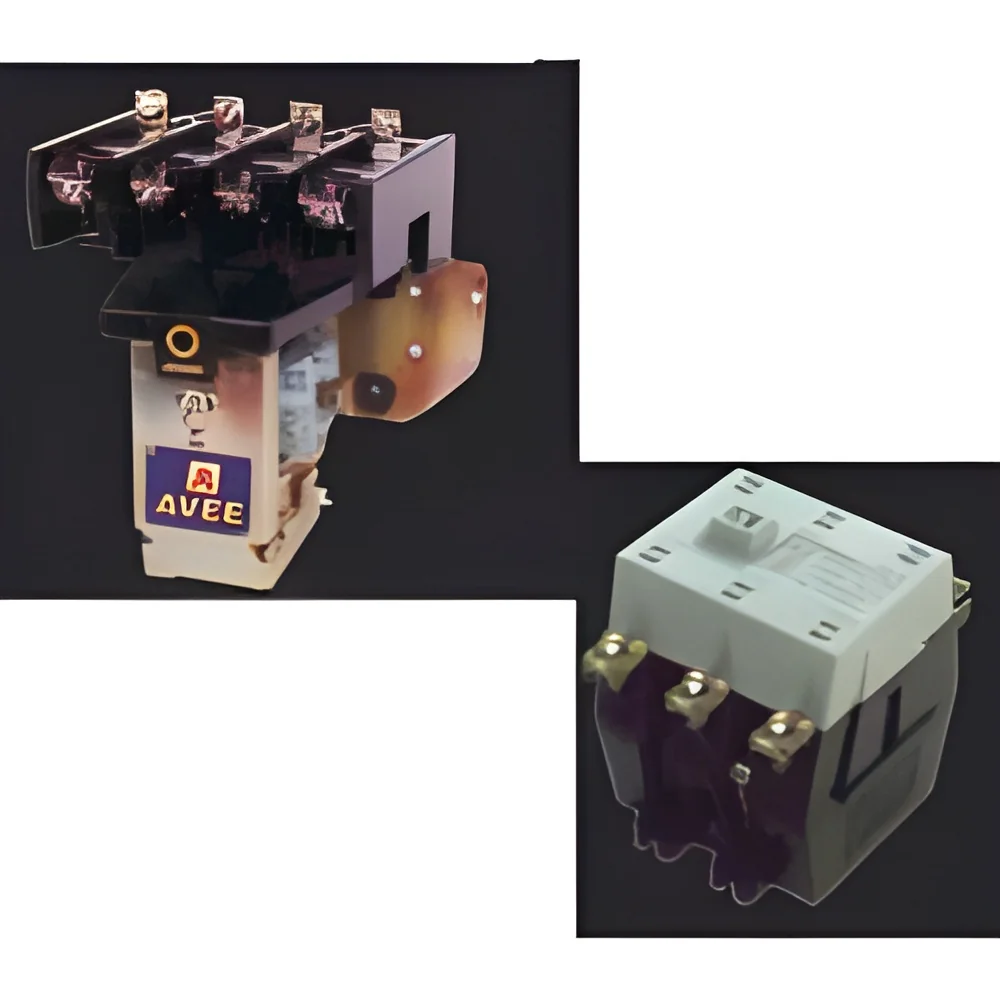
What are AC Contactors?
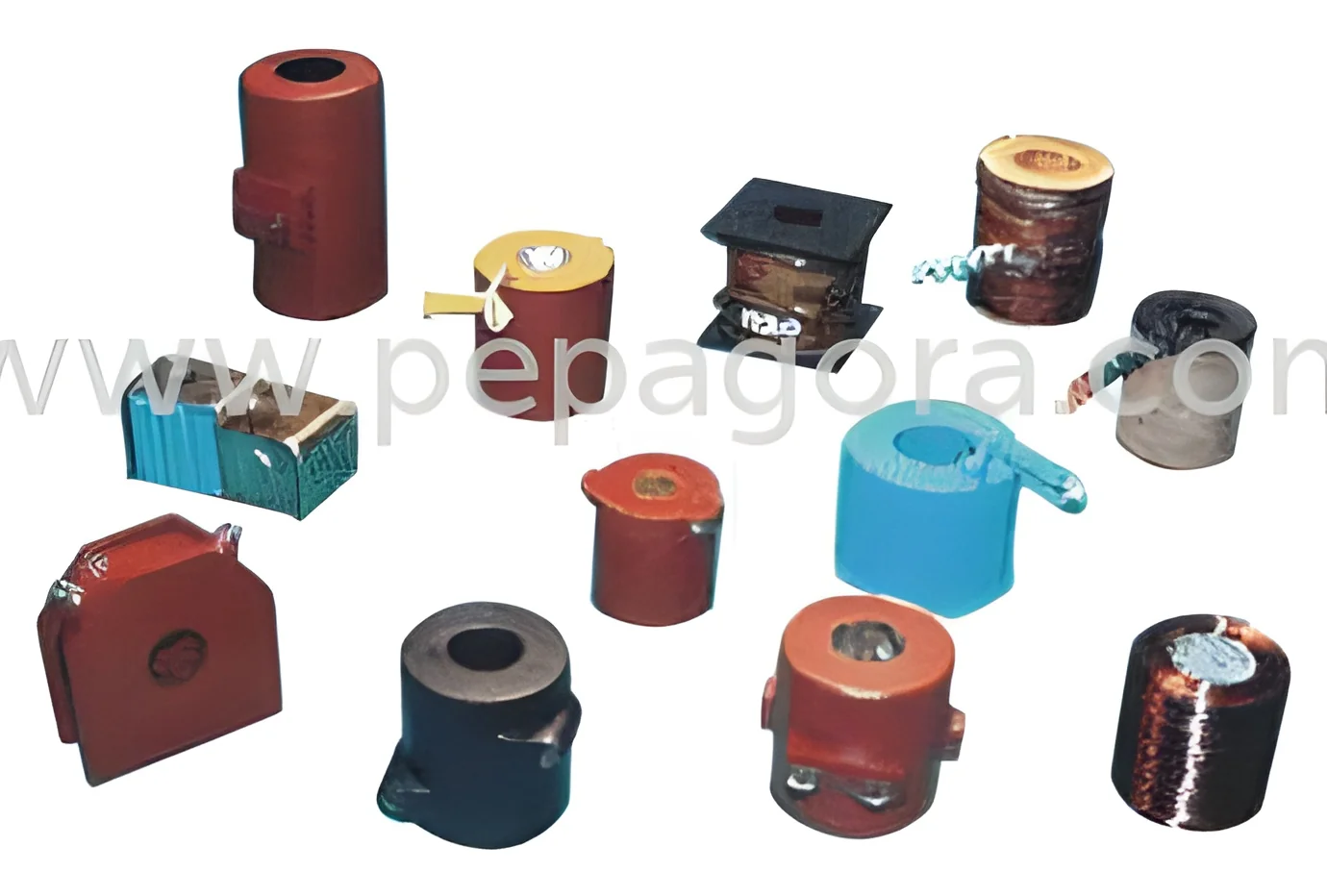
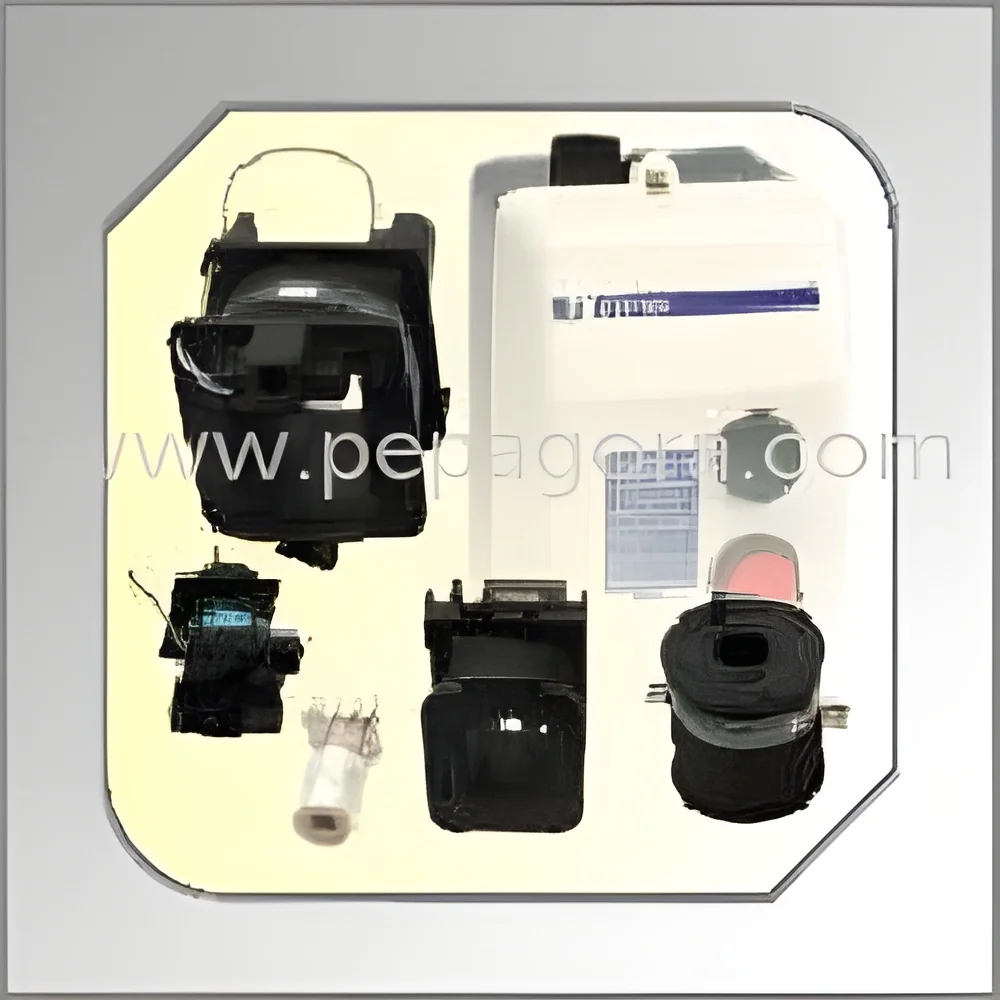
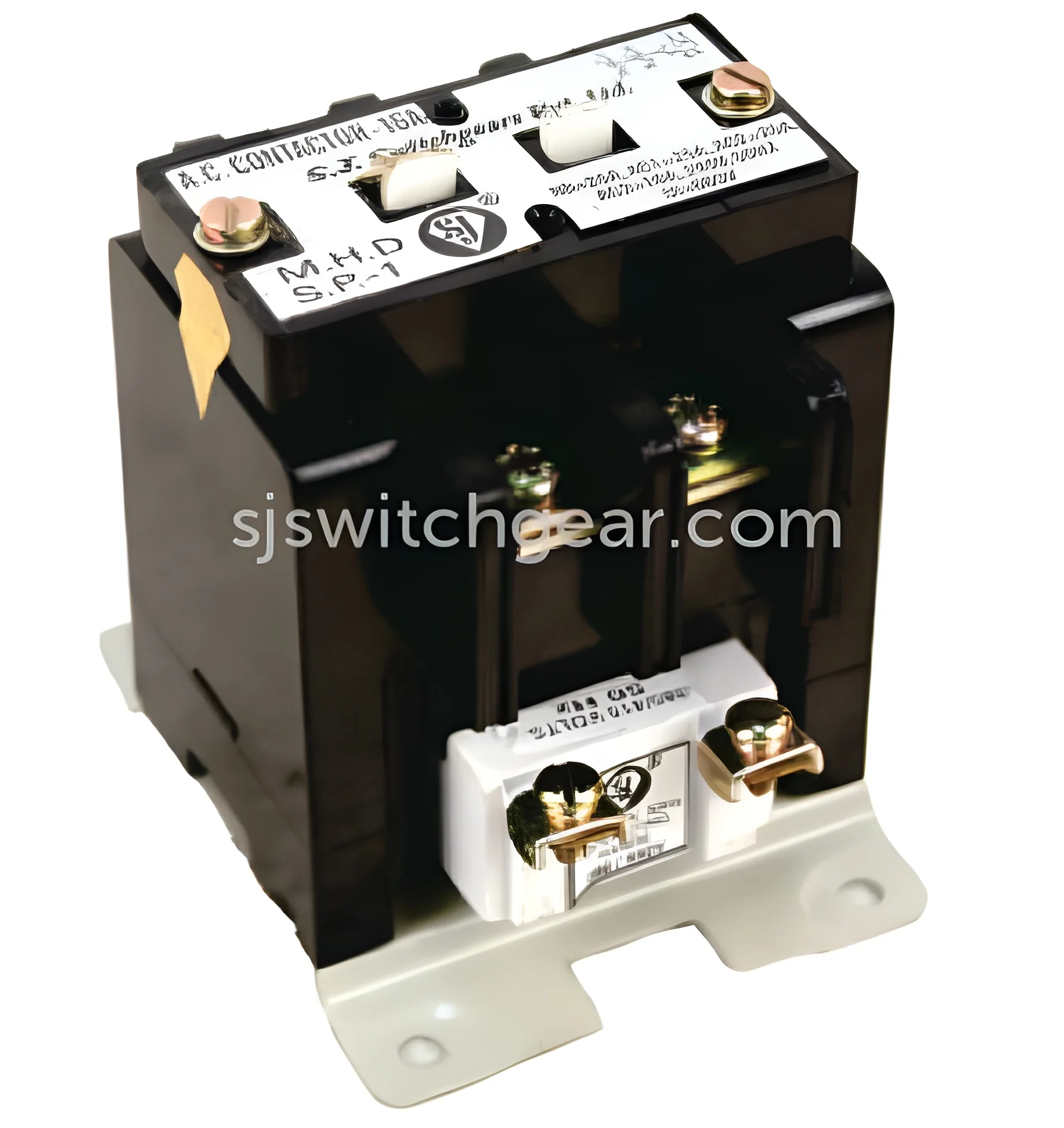
AC contactors are electrically controlled switches that manage the power supply to electrical devices and systems. They are designed to switch on and off electrical circuits in an efficient and reliable manner. The operation of an AC contactor involves an electromagnetic coil that, when energized, closes the contacts to allow current to flow. Once the coil is de-energized, the contacts open, interrupting the current. This mechanism allows for remote control of electrical loads, making AC contactors essential components in various electrical and automation applications.
Primary uses of AC contactors include controlling motors, lighting systems, and heating equipment in industrial, commercial, and residential settings. They are particularly useful in applications that require frequent switching, as they provide a fast and efficient means of controlling power without the need for manual intervention. The versatility and reliability of AC contactors make them a crucial element in the automation of manufacturing processes, HVAC systems, and other machinery.
In the current market, AC contactors are a fundamental part of electrical infrastructure within multiple industries. Their increasing adoption is driven by the rising demand for energy-efficient solutions and automation technologies. As industries focus on optimizing their operations, the role of AC contactors becomes even more significant, providing enhanced control and safety in electrical systems.
Key Features and Specifications
AC contactors come with a variety of features that enhance their performance and reliability. Understanding these specifications is vital for selecting the right contactor for specific applications.
Key specifications include:
1. Coil Voltage
- The voltage required to energize the coil.
- Common ranges include 24V, 120V, and 240V.
2. Current Rating
- The maximum continuous current the contactor can handle.
- Ratings typically range from 9A to over 100A.
3. Number of Poles
- The number of circuits the contactor can control.
- Options include single-pole, double-pole, and three-pole configurations.
4. Contact Configuration
- The arrangement of contacts (normally open, normally closed).
- Available options include 1NO, 1NC, and combinations.
5. Mechanical Durability
- The lifespan of the contactor in terms of mechanical operations.
- Typical specifications can exceed 10 million operations.
6. Electrical Durability
- The lifespan based on electrical operations before failure.
- Ratings often reach up to 1 million operations.
7. Operating Temperature Range
- The temperature range within which the contactor can operate effectively.
- Usually between -25°C to +60°C.
8. Standards Compliance
- Compliance with relevant industry standards.
- Many contactors meet CE certification requirements.
In summary, understanding these key features and specifications helps businesses select the right AC contactors to suit their operational needs and ensure reliability in their electrical systems.
Common Applications and Use Cases
AC contactors find applications across a diverse range of industries, each utilizing their capabilities to enhance efficiency and control.
1. Manufacturing: AC contactors are used to control large motors in production lines, enabling automated processes and machinery operation.
2. HVAC: They play a crucial role in managing compressors and fans, providing efficient control of heating and cooling systems.
3. Water Treatment: In water treatment facilities, AC contactors are employed to control pumps and filtration systems, ensuring reliable operation.
4. Agriculture: AC contactors are utilized in irrigation systems to automate water supply, enhancing efficiency in agricultural operations.
5. Construction: In construction sites, they control temporary power supplies and lighting systems, ensuring safety and operational efficiency.
6. Mining: Mining operations use AC contactors to manage heavy machinery, ensuring safe and effective power distribution.
7. Commercial Buildings: They are vital in managing lighting and HVAC systems in commercial buildings, contributing to energy savings and comfort.
Product Variants and Subcategories
AC contactors come in various configurations and designs to meet specific operational requirements.
Standard AC Contactors
These are the most common type and are used in a wide range of applications from industrial machinery to commercial systems. They are reliable and offer various current ratings.
Mini AC Contactors
These compact versions are designed for smaller applications where space is limited. They provide the same functionality as standard contactors but in a more space-efficient design.
Heavy-Duty AC Contactors
Designed for high-load applications, these contactors can handle larger currents and are built to withstand harsh operating conditions. They are ideal for industrial and outdoor settings.
Multi-Functional AC Contactors
These contactors come equipped with integrated monitoring features, allowing for real-time performance tracking and diagnostics. This adds an extra layer of control and safety for critical applications.
Benefits and Advantages
Choosing AC contactors provides several advantages that enhance operational efficiency and safety.
1. Reliability: AC contactors are designed for long-term use, minimizing the risk of failure in critical applications.
2. Energy Efficiency: They help reduce energy consumption by enabling precise control over electrical loads, contributing to lower operational costs.
3. Safety: The use of contactors enhances safety by isolating circuits and preventing overloads, protecting both equipment and personnel.
4. Automation: AC contactors facilitate automation in various processes, improving productivity and reducing the need for manual intervention.
5. Versatile Applications: Their adaptability allows for use in a wide range of industries, making them a valuable component in diverse electrical systems.
6. Easy Integration: AC contactors can be easily integrated into existing electrical systems, simplifying upgrades and expansions.
Buying Guide for B2B Buyers
When sourcing AC contactors, it’s essential to consider several key factors to ensure you select the right product for your needs.
1. Quality Assessment: Evaluate the quality of the contactors by looking for certifications such as CE. Ensure the products meet industry standards for performance and reliability.
2. Supplier Verification: Vet suppliers thoroughly to ensure they offer high-quality products and reliable service. Look for established suppliers with a good reputation in the industry.
3. Pricing and MOQ: Understand the pricing structure and minimum order quantities (MOQ) from suppliers. This helps in budgeting and ensures you meet your operational needs without overspending.
4. Delivery and Lead Times: Check the delivery times and lead times from suppliers. Timely delivery is crucial for maintaining project schedules and operational efficiency.
5. Compliance Requirements: Ensure that the contactors comply with local regulations and industry standards. This is vital for safety and legal compliance in your operations.
Compliance and Certifications
AC contactors must adhere to various quality standards and compliance requirements to ensure they are safe and effective for use.
ISO 9001 is a widely recognized standard that specifies requirements for a quality management system. Meeting this standard ensures that the manufacturer has consistent processes in place to deliver quality products.
CE certification indicates that the product meets EU safety, health, and environmental protection standards. This certification is crucial for products sold in European markets and helps ensure compliance with regional regulations.
Safety and testing requirements are also critical. Manufacturers must conduct rigorous testing to confirm that their contactors can operate safely under specified conditions. This includes assessments for electrical performance and durability.
Regional compliance considerations vary depending on the market. It's essential to be aware of specific regulations in your area to ensure that the contactors you source meet local safety and operational standards.
Why Source AC Contactors from Pepagora?
Pepagora is a trusted platform for sourcing AC contactors, offering several key advantages for B2B buyers.
Verified Supplier Network: Pepagora connects buyers with a network of verified suppliers, ensuring access to high-quality products. Each supplier undergoes a thorough vetting process to guarantee reliability and performance.
Streamlined RFQ Process: The request for quotation (RFQ) system is designed to simplify the procurement process. Buyers can easily submit requests and receive quotes from multiple suppliers, facilitating informed decision-making.
Trade Assurance and Support: Pepagora provides trade assurance to protect buyers throughout the purchasing process. This includes support services that help resolve issues and ensure satisfaction with the sourced products.
Regional Coverage: With a strong presence in India, the GCC, and Southeast Asia, Pepagora offers extensive regional coverage. This geographic reach ensures that businesses can find suitable suppliers close to their operational base, enhancing convenience and efficiency.

 IN
IN