IN
IN₹
Apparel & Fashion
Description
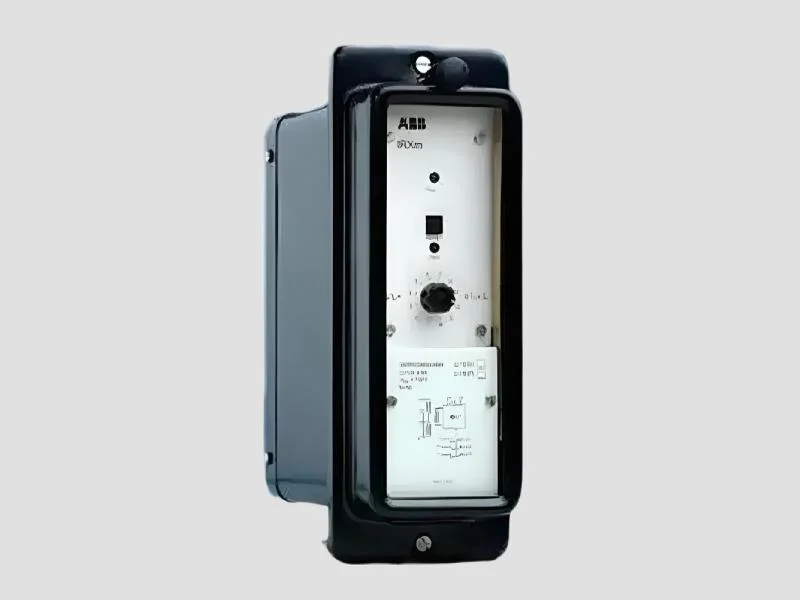
Earth Fault Relays serve as critical safety devices in electrical protection systems, designed to detect leakage currents that flow to ground due to insulation breakdown or accidental contact. These relays continuously monitor the residual current through current transformer inputs, comparing measured values against preset thresholds to identify potentially dangerous conditions. When a fault exceeds the predetermined limit, the relay initiates immediate tripping commands to circuit breakers, isolating the affected circuit before damage can occur. This rapid response capability is essential for preventing electrical fires, equipment destruction, and personnel hazards, making these relays indispensable components in comprehensive electrical protection schemes.

These protection devices find extensive use across multiple industries where electrical reliability and safety are paramount. In industrial settings, they protect motor control centers, production machinery, and process control sy...
Earth Fault Relays serve as critical safety devices in electrical protection systems, designed to detect leakage currents that flow to ground due to insulation breakdown or accidental contact. These relays continuously monitor the residual current through current transformer inputs, comparing measured values against preset thresholds to identify potentially dangerous conditions. When a fault exceeds the predetermined limit, the relay initiates immediate tripping commands to circuit breakers, isolating the affected circuit before damage can occur. This rapid response capability is essential for preventing electrical fires, equipment destruction, and personnel hazards, making these relays indispensable components in comprehensive electrical protection schemes.

These protection devices find extensive use across multiple industries where electrical reliability and safety are paramount. In industrial settings, they protect motor control centers, production machinery, and process control systems from insulation failures. Utility companies deploy them in substations to safeguard transformers, feeders, and distribution networks. Commercial installations utilize them to secure electrical panels in office buildings, shopping centers, and healthcare facilities. Manufacturing plants rely on them for production line equipment protection, while infrastructure projects incorporate them into water treatment plants, transportation systems, and communication networks to ensure uninterrupted operation and regulatory compliance.

The business value of Earth Fault Relays extends beyond basic protection to encompass operational continuity and risk management. By preventing electrical faults from escalating into major incidents, these devices reduce equipment replacement costs, minimize production downtime, and lower insurance premiums through enhanced safety records. Their reliability stems from robust construction, precise calibration, and thorough testing under various operating conditions. The adjustable settings allow customization for specific application requirements, while the compact design facilitates easy integration into existing panels. This combination of performance and practicality delivers long-term value through reduced maintenance needs, extended equipment lifespan, and compliance with international safety standards.

Key Features:
- Continuous monitoring of residual current through CT inputs for immediate fault detection
- Adjustable trip settings with precise calibration for application-specific protection requirements
- Fast tripping mechanism that responds within milliseconds to prevent equipment damage
- Compact and durable design suitable for integration into various electrical panel configurations
- Reliable operation across wide temperature ranges and challenging environmental conditions

Benefits:
- Prevents electrical fires and equipment damage by quickly isolating ground fault conditions
- Enhances personnel safety by reducing the risk of electrical shock and arc flash incidents
- Minimizes production downtime through rapid fault detection and system isolation
- Extends equipment lifespan by preventing damage from persistent leakage currents
- Supports regulatory compliance with international electrical safety standards and codes
Specifications
| Additional Information | |
|---|---|
| SKU | SPR-EFR-01 |
| Country of Origin | India |
Application
Earth Fault Relays are essential components in modern electrical protection systems, monitoring residual currents to identify insulation failures or grounding issues. Their precise detection capabilities ensure immediate response when abnormal conditions occur, maintaining system integrity and preventing costly downtime across various installations.
These relays integrate seamlessly into diverse electrical environments, from manufacturing facilities to utility networks. Their robust design and reliable operation make them suitable for both indoor and outdoor applications, providing consistent protection against electrical faults that could compromise safety and equipment longevity.
Real-world applications:
- Industrial manufacturing plants requiring protection for motor control centers and production line equipment
- Commercial buildings safeguarding electrical distribution panels and backup power systems
- Utility substations monitoring transformers, feeders, and distribution networks
- Data centers protecting critical server infrastructure and uninterruptible power supplies
- Water treatment facilities securing pump controls and processing equipment from ground faults
Trade Details
| Available Stock | In Stock |
| Sample Availability | No |
Payment Terms
| Payment Terms |
|
| Payment Methods |
|
Shipping & Logistics
| Port of Dispatch | Chennai Port |
Company Profile

Spark Engineering, Tamil Nadu
 Tamil Nadu, India
Tamil Nadu, IndiaManufacturer•Retailer
Turn Over
₹1 Crore – ₹5 Crore
Factory Details
Factory Size1000-5000 sqm
Annual Production Capacity0 a:1:{i:0;s:4:"Sets";}
SKU: SPR-EFR-01
Industrial Electrical Panels Earth Fault Relay For Ground Leakage Protection
Earth Fault Relay for electrical panels detects ground leakage current with fast tripping to prevent equipment damage and electrical hazards. Ideal for industrial panels, substations, and power distribution systems.
Min. Order Quantity: 1 Unit
Shipping
Shipping fee and delivery date to be negotiated. Contact supplier now for more details.
Spark Engineering Tamil Nadu, India
Tamil Nadu, IndiaManufacturer